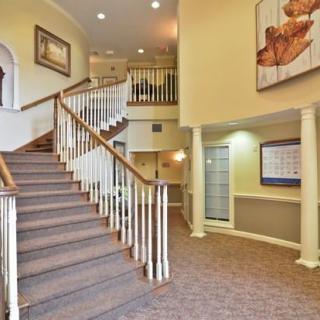
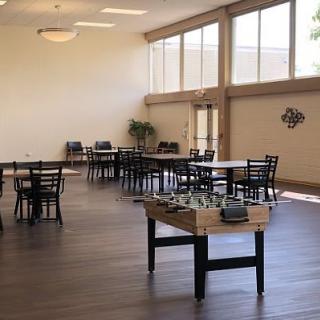
The Village at Marymount in Garfield Heights, OH

Save
The Village at Marymount The Village at Marymount

The Village at Marymount in Garfield Heights, OH

Information last verified:

5200 Marymount Village Drive, Garfield Heights, OH 44125

For more information about senior living options: (844) 490-3973

3.6 from 62 reviews
5 stars
36
4 stars
5
3 stars
0
2 stars
1
1 stars
20

Overall Review of The Village at Marymount

Pros

  • pro Mary has been amazingly consistent in reaching out to ensure her father is okay and following up on his appointments.
  • pro The family is grateful for the kind care their beloved father received.
  • pro The staff were awesome and ensured he received everything he needed during care and after discharge.
  • pro The Physical Therapy department worked with him to go home stronger.
  • pro New management has stepped up and is committed to making the place better every day.
  • pro The staff are kind, caring, and attentive to patients and families.
  • pro The Head Nurse Tiffany and her team show nothing but love to visitors.
  • pro The marketing director is absolutely wonderful and guided the family through the admission process with care.
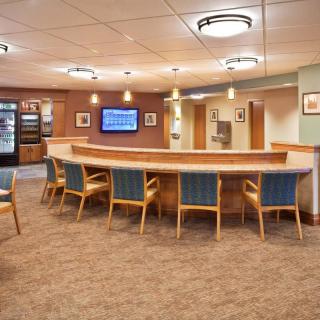
  • pro The facility is meticulously maintained and welcoming.
  • pro The therapy team is excellent and deserving of five stars.

Cons

  • pro The level of care provided was unacceptable; nurses did not know their patients, failed to review charts, and lacked basic medication-passing knowledge.
  • pro Leadership was a major problem, with management showing poor attitudes, lack of accountability, and disengaged, disorganized staff.
  • pro The bedside manner throughout the facility was extremely poor, as staff did not interact with patients with patience, compassion, or extra care.
  • pro The physical conditions were substandard, including uncomfortable and poorly maintained beds, contributing to a sense of neglect.
  • pro This facility should not be entrusted with the care of vulnerable individuals, as it falls far short of competent care, compassion, and patient safety.
  • pro Aides were described as uncaring and negligent, including failures to manage colostomy bags, catheter care, and maintaining sanitary conditions.
  • pro The place was labeled the worst, with unkind and disrespectful treatment toward families and patients.
  • pro There were systemic issues such as long call-button wait times, aides distracted by phones, and inadequate supervision leading to delayed or missing care.

Review

The Village at Marymount in Garfield Heights is best suited for families seeking short-term rehabilitation or memory-care with a genuine emphasis on patient-centered attention, provided the leadership and day-to-day oversight are stable. When the therapy teams are strong and staff consistently approach residents with patience and care, this community can deliver real gains in functional recovery and in-dementia support. Families will notice proactive communication, thoughtful discharge planning, and a facility that feels well cared-for on days when management is aligned and quiet confidence percolates through the floor. This environment can be particularly effective for those who want robust rehab services and dementia-specific programming, coupled with an atmosphere that feels safe and welcoming. Yet this is not a one-size-fits-all option: residents who need unwavering, around-the-clock nursing supervision, meticulously reliable medication management, and immediate, consistently executed responsiveness may encounter gaps that compromise safety and comfort.

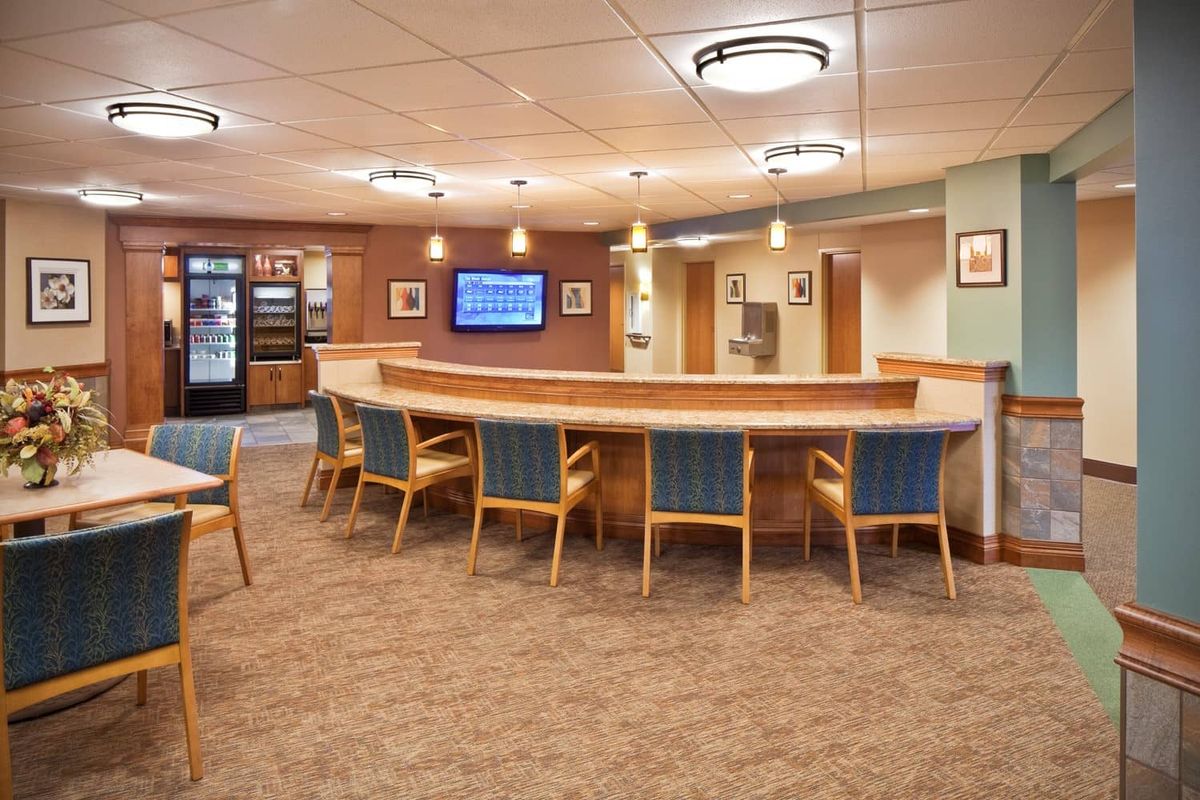
Those who may want to explore alternatives are typically the ones prioritizing ironclad governance and predictable care routines. Several reviews flag inconsistent leadership, disengaged staff, and a troubling pattern of service gaps that show up as delayed or missed medications, limited bedside communication, and variable accountability. For families paying for long-term care where stable supervision and near-immediate response to needs are nonnegotiable, looking at communities with more uniform staffing and clearer chain-of-command may be prudent. In addition, prospective residents who require uniformly high standards of cleanliness, secure medication handling, and consistently attentive aides may find the experience here inconsistent enough to warrant evaluating other options. Even when rooms and common areas look pleasant, the day-to-day reality for some residents has proved to be uneven enough to merit caution.

On the upside, the strongest, most actionable pros center on therapy quality and dementia-capable staffing in the right moments. The physical and occupational therapy teams have earned praise for their careful, goal-oriented work and for communicating treatment plans that patients and families can follow after discharge. The memory-care emphasis is repeatedly cited as a strength, with staff who understand dementia and who invest time in getting to know residents, their histories, and their preferences. Several families report meaningful engagement, thoughtful follow-up after transitions from hospital or rehab stays, and activities that genuinely connect residents to meaningful moments. When management is perceived as committed, new leadership touted as stepping up, the facility can feel more cohesive, more responsive, and more capable of delivering a positive trajectory for residents undergoing rehab or long-term cognitive care.

The other side of the ledger is substantial and cannot be ignored. Across many accounts, leadership issues loom large: reports describe rude or unprofessional behavior from some supervisors, insufficient supervision on weekends, and a culture that can feel reactive rather than proactive. Staffing gaps surface in critical moments, medication administration errors, delays in pain control, and aides who appear overwhelmed or disengaged. Bedside care sometimes falls short of expectations, with concerns about cleanliness, timely assistance, and proper attention to safety protocols. Dining and housekeeping quality also shows inconsistency, which compounds the perception of an institution that can shift moods quickly, between feeling well cared for and feeling neglected. These patterns do not negate the usefulness of the facility for certain needs, but they do demand a realistic risk assessment and active family involvement to mitigate potential downsides.

For families navigating a decision, the takeaway is practical and prescriptive. Schedule a tour with a sharp eye for how the front-line staff interact with residents, and insist on speaking with the director of nursing or the administrator to gauge how leadership handles accountability, training, and turnover. Ask concrete questions about the med-passing process, how call-bell responsiveness is tracked, and what staffing ratios look like on evenings and weekends. Observe the environment for cleanliness, room upkeep, and safety features, and listen to how therapy goals are set, reviewed, and translated into daily routines. If memory care is a priority, probe the dementia-specific programming, staff training, and consistency of caregivers assigned to each resident. Consider a short-term stay or a trial period to test whether the daily experience aligns with expectations and the family’s oversight capacity.

In the end, The Village at Marymount presents a mixed profile: it can be a solid choice for rehab and dementia-focused care when leadership is capable, communication is transparent, and staffing is sufficiently stable to support reliable nursing oversight. However, the breadth of negative experiences, ranging from delayed medications and inconsistent bedside care to reports of disengaged leadership and variable facility conditions, means this community will not meet every family’s threshold for risk tolerance. For those who cannot accept even occasional lapses in clinical precision, or who require consistent, meticulous day-to-day management, alternatives with a more uniform governance structure and steadier staffing should be pursued. For others willing to stay closely involved and to advocate actively, this campus can still deliver meaningful gains and compassionate care, so long as the expectations, oversight plan, and contingencies are firmly in place before moving in.

Features

Housing

  • 104 resident community capacity 104 resident community capacity

Types of Care

  • Assisted Living Assisted LivingAssisted living facilities provide crucial support and care for seniors who may need help with daily tasks such as medication management, bathing, and meal preparation. These communities offer a safe and comfortable environment where seniors can maintain their independence while receiving the assistance they need to thrive in their golden years.
  • Memory Care Memory CareMemory care is crucial for seniors as it provides specialized support and services for individuals with dementia or Alzheimer's disease. These programs offer a safe and secure environment where residents receive personalized care, cognitive stimulation, and help with daily activities. Memory care helps seniors maintain their independence, quality of life, and dignity while also providing peace of mind for their families.
  • Skilled Nursing Facility Skilled Nursing FacilitySkilled Nursing Facilities are crucial for seniors as they provide round-the-clock medical care, rehabilitation services, and assistance with daily activities. These facilities ensure that seniors receive the specialized care they need to maintain their health and well-being as they age.

Amenities

  • Air-conditioning Air-conditioningAir conditioning is important for seniors as they are more vulnerable to heat-related illnesses and may have underlying health conditions that make it difficult for them to regulate their body temperature. It helps to keep them comfortable, safe, and healthy in hot weather.
  • Beauty salon Beauty salonBeauty salons are important for seniors because they provide a space for them to feel pampered, socialize, and maintain their personal grooming and hygiene. Regular visits to a beauty salon can help boost seniors' self-esteem and overall well-being.
  • Cable or satellite TV Cable or satellite TVCable or satellite TV is important for seniors because it provides entertainment, news, and companionship, helping to combat loneliness and boredom. It also offers a wide range of programming options tailored to different interests and preferences.
  • Computer center Computer centerA computer center is essential for seniors as it provides access to technology, communication tools, and resources that can enhance their daily lives. It allows them to stay connected with loved ones, engage in online activities, and learn new skills, ultimately promoting socialization and mental stimulation.
  • Dining room Dining roomDining rooms are important for seniors as they provide a space for socialization, connection, and nutritious meals. They offer opportunities for residents to bond over shared meals, foster a sense of community, and promote healthy eating habits. Dining rooms also ensure that seniors have access to well-balanced meals tailored to their dietary needs and preferences.
  • Fitness room Fitness roomHaving a fitness room in a senior living community is essential for seniors to stay active, maintain their physical health, and improve their overall well-being. Regular exercise can help prevent falls, reduce the risk of chronic diseases, and promote mental sharpness. It also provides social opportunities for residents to connect with others and enjoy a sense of community.
  • Fully furnished Fully furnishedFully furnished senior living communities are important for seniors because they provide convenience, comfort, and a hassle-free moving experience. Seniors can easily settle into their new living space without the stress of having to buy and move furniture. This allows them to focus on enjoying their new home and community.
  • Gaming room Gaming roomGaming rooms are important for seniors as they provide a fun and engaging environment for socializing, cognitive stimulation, and physical activity. Games can improve memory, problem-solving skills, and overall mental well-being while fostering friendships and reducing feelings of isolation.
  • Garden GardenGardens are important for seniors as they provide a peaceful and therapeutic environment for relaxation, physical activity, and socialization. Being in nature has been shown to reduce stress, improve mood, and promote overall well-being. Gardens also offer opportunities for seniors to engage in gardening activities, which can improve mobility, flexibility, and cognitive function. Additionally, gardens create a sense of community and connection with others who share a passion for plants and outdoor spaces.
  • Housekeeping services Housekeeping servicesHousekeeping services are important for seniors because they help maintain a clean and safe living environment, promote independence, and reduce the risk of accidents or illnesses. Additionally, having assistance with household chores can alleviate physical strain and allow seniors to focus on other aspects of their well-being.
  • Kitchenette KitchenetteKitchenettes are important for seniors living in senior living communities because they provide the convenience and independence of being able to prepare simple meals and snacks in the comfort of their own living space. This can help promote a sense of autonomy and well-being for seniors, allowing them to maintain some level of control over their dietary choices and daily routines.
  • Move-in coordination Move-in coordinationMove-in coordination is important for seniors because it helps ease the transition into their new living environment. It ensures that all logistics, such as packing, organizing movers, and setting up utilities are taken care of, allowing seniors to focus on settling in and adjusting to their new home. Having a smooth move-in process can alleviate stress and anxiety, making the transition smoother and more enjoyable for seniors.
  • Outdoor space Outdoor spaceOutdoor spaces are important for seniors as they provide opportunities for physical activity, social interaction, exposure to natural light and fresh air, and a sense of connection to nature. Having access to outdoor spaces can improve overall well-being and quality of life for older adults living in senior communities.
  • Private bathrooms Private bathroomsPrivate bathrooms are important for seniors in senior living communities because they provide independence, dignity, and comfort. Having a private bathroom allows seniors to maintain their personal hygiene routines without the need for assistance, promoting a sense of autonomy and privacy. Additionally, private bathrooms help prevent the spread of infections and provide a safe and clean environment for seniors to navigate safely.
  • Restaurant-style dining Restaurant-style diningRestaurant-style dining is important for seniors because it allows them to enjoy delicious, nutritious meals in a social and upscale setting. This enhances their dining experience, promotes healthy eating habits, and fosters socialization with fellow residents, ultimately contributing to their overall well-being and quality of life.
  • Small library Small librarySmall libraries are important for seniors as they provide access to a variety of reading materials, including books, newspapers, and magazines. This can help stimulate their minds, keep them engaged, and provide a sense of community through book clubs and other social activities. Additionally, reading has been shown to improve cognitive function and overall mental well-being in older adults.
  • Telephone TelephoneTelephones are important for seniors as they provide a lifeline for communication with loved ones, emergency services, and healthcare providers. They offer a sense of security and independence, enabling seniors to stay connected and access assistance when needed.
  • Wellness center Wellness centerWellness centers are important for seniors because they offer a variety of programs and services that promote physical, mental, and emotional well-being. These centers provide opportunities for exercise, socialization, education, and relaxation, helping seniors maintain their overall health and quality of life.
  • Wi-Fi/high-speed internet available Wi-Fi/high-speed internet availableWi-Fi/high-speed internet is important for seniors to stay connected with loved ones, access online resources, and participate in virtual activities to combat feelings of loneliness and isolation. It also allows them to easily manage healthcare needs, access entertainment, and engage in lifelong learning opportunities.

Transportation

  • Cleveland-Hopkins International (13 miles away) Cleveland-Hopkins International (13 miles away)
  • Community operated transportation Community operated transportationCommunity operated transportation is crucial for seniors as it provides them with the means to access essential services, social activities, and medical appointments. It allows seniors to maintain their independence and quality of life by ensuring they can participate in activities outside of their homes. Additionally, community-operated transportation services offer a safe and reliable way for seniors to travel without having to rely on family or friends for assistance.
  • Transportation arrangement Transportation arrangementTransportation arrangements are crucial for seniors as they may face challenges with driving, mobility, or access to public transportation. Having reliable transportation services ensures that seniors can easily attend appointments, social activities, and maintain their independence and quality of life.
  • Transportation arrangement (non-medical) Transportation arrangement (non-medical)Transportation arrangements are essential for seniors as they provide access to essential services, activities, and social interactions outside the home. This service helps maintain independence, mobility, and overall well-being for seniors who may have limited transportation options.
  • Transportation to doctors appointments Transportation to doctors appointmentsTransportation to doctors appointments is crucial for seniors as it ensures they have access to necessary medical care and support, promoting their health and well-being. It allows them to receive timely treatment, monitor existing conditions, and address any new health concerns efficiently. Additionally, transportation services can help seniors maintain their independence and quality of life by enabling them to stay connected with their healthcare providers.

Care Services

  • 12-16 hour nursing 12-16 hour nursing12-16 hour nursing care is crucial for seniors in order to ensure around-the-clock monitoring, timely medication administration, and prompt response to any health concerns or emergencies. This level of care helps to promote the overall well-being and safety of seniors living in senior living communities.
  • 24-hour call system 24-hour call system24-hour call systems are important for seniors because they provide peace of mind and immediate assistance in case of emergencies. This technology ensures that help is always available, promoting safety and security for elderly individuals living alone or in assisted living facilities.
  • 24-hour supervision 24-hour supervision24-hour supervision is important for seniors to ensure their safety, well-being, and access to immediate assistance in case of emergencies or health issues. This constant support provides peace of mind for both seniors and their loved ones, allowing them to age in place with dignity and security.
  • Activities of daily living assistance Activities of daily living assistanceActivities of daily living assistance are important for seniors because they provide essential support with tasks such as eating, bathing, dressing, and mobility. This assistance helps seniors maintain their independence, dignity, and overall quality of life as they age.
  • Assistance with bathing Assistance with bathingAssistance with bathing is crucial for seniors as it helps maintain personal hygiene, prevents infections, and ensures their overall well-being and comfort. It also provides a sense of dignity and independence for seniors who may struggle with this task on their own.
  • Assistance with dressing Assistance with dressingAssistance with dressing is important for seniors because it helps maintain their independence, promotes personal hygiene, prevents accidents and injuries, and improves overall quality of life. This service ensures that seniors can continue to dress comfortably and confidently, despite any physical limitations they may have.
  • Assistance with transfers Assistance with transfersAssistance with transfers is crucial for seniors as it helps prevent falls and injuries, maintains their independence, and ensures they can safely navigate their living environment. It also provides peace of mind for both seniors and their loved ones.
  • Diabetes diet Diabetes dietA diabetes diet is crucial for seniors as it helps manage blood sugar levels, reduce risks of complications, and improve overall health and well-being. By following a balanced and nutritious diet tailored to their specific needs, seniors can better control their diabetes and enhance their quality of life.
  • Meal preparation and service Meal preparation and serviceMeal preparation and service are crucial for seniors as they may have limited mobility or energy to cook nutritious meals. Having access to healthy and convenient food options can ensure they are getting the proper nutrition needed to maintain their overall health and well-being.
  • Medication management Medication managementMedication management is crucial for seniors to ensure they are taking the right medications at the correct dosages and times. This helps prevent adverse drug interactions, reduces the risk of medication errors, and promotes overall health and well-being. Proactive management also allows for adjustments as needed based on changing health conditions or new prescriptions.
  • Mental wellness program Mental wellness programMental wellness programs are essential for seniors as they promote cognitive stimulation, emotional support, and social engagement. These programs help prevent isolation, depression, and cognitive decline, ultimately enhancing the overall quality of life for older adults.
  • Mild cognitive impairment Mild cognitive impairment"Mild cognitive impairment" is important for seniors because it is an early stage of cognitive decline that can potentially progress to more severe conditions such as dementia. Recognizing and addressing mild cognitive impairment can help seniors receive appropriate care and support to maintain their quality of life and independence for as long as possible.
  • Special dietary restrictions Special dietary restrictionsSpecial dietary restrictions are important for seniors because age-related changes in metabolism and health conditions can make it difficult for their bodies to process certain foods. By following a diet tailored to their specific needs, seniors can maintain their overall health and well-being, manage chronic conditions, and reduce the risk of complications such as malnutrition or food interactions with medications.
  • Specialized memory care programming Specialized memory care programmingSpecialized memory care programming is crucial for seniors with cognitive impairments such as dementia or Alzheimer's disease. These programs provide a safe and supportive environment tailored to the unique needs of individuals with memory loss, helping them maintain their independence, dignity, and quality of life.

Dining

  • Diabetes diet Diabetes dietA diabetes diet is crucial for seniors as it helps manage blood sugar levels, reduce risks of complications, and improve overall health and well-being. By following a balanced and nutritious diet tailored to their specific needs, seniors can better control their diabetes and enhance their quality of life.
  • Special dietary restrictions Special dietary restrictionsSpecial dietary restrictions are important for seniors because age-related changes in metabolism and health conditions can make it difficult for their bodies to process certain foods. By following a diet tailored to their specific needs, seniors can maintain their overall health and well-being, manage chronic conditions, and reduce the risk of complications such as malnutrition or food interactions with medications.

Activities

  • Community-sponsored activities Community-sponsored activitiesCommunity-sponsored activities are important for seniors as they provide opportunities for social interaction, mental stimulation, and physical activity. These activities can help improve overall well-being, combat loneliness and isolation, and promote a sense of belonging and purpose among older adults.
  • Concierge services Concierge servicesConcierge services are essential for seniors as they provide assistance with daily tasks and errands, enhance their quality of life by offering convenience and personalized care, and promote a sense of safety and security.
  • Fitness programs Fitness programsFitness programs are crucial for seniors as they help improve strength, flexibility, balance, and overall well-being. Staying active can reduce the risk of chronic diseases, improve mental health, and enhance quality of life in older adults.
  • Planned day trips Planned day tripsPlanned day trips are important for seniors because they offer opportunities for socialization, mental stimulation, and physical activity. They provide a change of scenery and help seniors stay engaged and connected to their community, promoting overall well-being and quality of life.
  • Resident-run activities Resident-run activitiesResident-run activities are important for seniors as they encourage social interaction, creativity, and a sense of autonomy. These activities empower seniors to stay engaged and active in their community while fostering meaningful connections with their peers.
  • Scheduled daily activities Scheduled daily activitiesScheduled daily activities are important for seniors because they provide structure, socialization, mental stimulation, and physical activity. Engaging in regular activities can improve overall well-being and quality of life for seniors living in a community setting.

Description

The Village at Marymount in Garfield Heights, OH is an assisted living community that offers memory care and skilled nursing facility services. With a wide range of amenities and care services, residents can enjoy a comfortable and supportive environment.

The community provides various amenities to enhance the lives of its residents. These include a beauty salon, cable or satellite TV, a computer center, a fully furnished setting, a gaming room, and a small library. Residents can also take advantage of the fitness room and outdoor space for physical activity and relaxation. Additionally, housekeeping services ensure that the living spaces remain clean and tidy.

Residents at The Village at Marymount can enjoy delicious meals in the dining room with restaurant-style dining options. Special dietary restrictions are accommodated to meet individual needs. To facilitate socialization and engagement, the community offers scheduled daily activities as well as resident-run activities. There are also planned day trips for exploring nearby attractions.

Care services provided include 24-hour call system and supervision for added safety and security. Assistance with activities of daily living such as bathing, dressing, and transfers is available. Medication management ensures that residents receive their required medications on time. The mental wellness program aims to support cognitive health while specialized memory care programming caters to individuals with dementia or Alzheimer's disease.

Transportation services are offered for non-medical purposes like shopping or errands, as well as transportation to doctors' appointments. Move-in coordination is provided to assist new residents during their transition. Wi-Fi/high-speed internet connectivity is available throughout the community so that residents can stay connected with loved ones.

In terms of location, The Village at Marymount benefits from its proximity to parks, pharmacies, restaurants, theaters, and hospitals which can easily be accessed by residents.

Overall, The Village at Marymount in Garfield Heights provides exceptional care services in a welcoming environment where residents can lead active and fulfilling lives while receiving personalized assistance when needed.

Nearby Places of Interest

Theaters

  • Cinemark At Valley View And Xd (1.9 miles)
  • Silverspot Cinema (6.4 miles)

Restaurants

  • Restaurant Depot (2.1 miles)
  • Winking Lizard Tavern (3.1 miles)
  • Academy Tavern (4.7 miles)
  • Cooper's Hawk Winery & Restaurant (5.6 miles)
  • Olive Garden (5.7 miles)
  • Piada Italian Street Food (5.7 miles)
  • New Heights Grill (5.8 miles)

Pharmacies

  • Discount Drug Mart (2.7 miles)
  • Walgreens (2.7 miles)
  • Dave's Supermarket (2.8 miles)
  • Cleveland Clinic - Independence Family Health Center (3.3 miles)
  • Walgreens (3.4 miles)
  • Rite Aid (3.7 miles)
  • CVS Pharmacy (3.7 miles)

Parks

  • Cleveland Metroparks, Bedford reservation (3.5 miles)
  • Bedford Heights Reed Park (5.3 miles)
  • Sagamore Hills Park (5.9 miles)
  • Coventry PEACE Park (6.2 miles)
  • Primate Playground (6.4 miles)

Hospitals

  • Cleveland Clinic Children's Hospital Rehabilitation Center (4.4 miles)
  • University Hospitals Ahuja Medical Center (5.8 miles)
  • Cleveland Clinic - W.O. Walker Center (5.9 miles)
  • Trauma ICU (5.9 miles)
  • St Vincent Charity Medical Center (6.6 miles)
  • Louis Stokes Cleveland VA Medical Center (6.6 miles)

Physicians

  • University Premier Pediatricians (5.1 miles)
  • Cleveland Clinic - Taussig Cancer Center (5.8 miles)
  • Cleveland Clinic - Cole Eye Institute (5.9 miles)
  • Cleveland Clinic R Building - Cleveland Clinic Children's Outpatient Center (6 miles)
  • Cleveland Clinic - Mellen Center (6.1 miles)
  • Rapid Medical Research (6.2 miles)
  • Senders Pediatrics (7.2 miles)

Cafes

  • Metropolitan Coffee (5.2 miles)
  • Starbucks (5.3 miles)
  • Starbucks (5.4 miles)
  • Starbucks (5.6 miles)
  • Starbucks (6.5 miles)
  • Starbucks (7.1 miles)
  • Starbucks (7.1 miles)

Places of Worship

  • St. Rocco's Church (6.5 miles)

Transportation

  • Greyhound Station (7.3 miles)

Frequently Asked Questions

Where is The Village at Marymount?
Does The Village at Marymount provide care for residents with dementia or Alzheimer's disease?

Nearby Communities

  • Villa St Joseph

    Villa St Joseph

    Cleveland, OH

    1.7 from 7 reviews
     

    pro Active, caring therapy and activities staff; well-maintained rooms and timely meals.
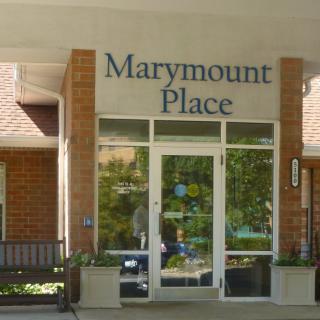
  • Marymount Place

    Marymount Place

    Garfield Heights, OH

    4.4 from 7 reviews
    $2,421 / month

    pro Attentive staff, clean environment, and engaging activities.

  • Smart Choice Home Healthcare Services

    Smart Choice Home Healthcare Services

    Garfield Heights, OH

    2.5 from 19 reviews
     

    pro Personalized, comprehensive care with convenient access to nearby amenities.

  • Jennings Assisted Living

    Jennings Assisted Living

    Garfield Heights, OH

    3.3 from 52 reviews
    $2,738 to $5,790 / month

    pro Clean, welcoming environment with attentive staff, engaging activities, and quality dining.

  • Holy Spirit Ridge

    Holy Spirit Ridge

    Garfield Heights, OH


    pro Small, supportive assisted living with 24/7 supervision, personalized care, and diabetes?friendly dining.

  • Adams Family Home

    Adams Family Home

    Garfield Heights, OH


    pro Peaceful Garfield Heights location with convenient access to cafes, parks, pharmacies, physicians, restaurants, theaters, and hospitals.

  • The Woodlands of Shaker Heights

    The Woodlands of Shaker Heights

    Shaker Heights, OH

    4.2 from 65 reviews
    $2,860 to $4,560 / month

    pro Caring staff in a clean, welcoming community with spacious private rooms and engaging activities.

  • Vitalia Rockside

    Vitalia Rockside

    Seven Hills, OH

    4.3 from 97 reviews
    $2,470 to $4,145 / month

    pro Friendly staff, engaging activities, clean facilities, and good dining/value.

  • Alpine House of Maple Heights

    Alpine House of Maple Heights

    Maple Heights, OH

    4.3 from 18 reviews
    $2,580 / month

    pro Safe environment with engaging activities and on-site care.

Related Resources

  • does medicaid pay for assisted livingUnderstanding Medicaid Coverage for Assisted Living: A Comprehensive Guide

    The guide outlines the complexities of Medicaid coverage for assisted living, highlighting significant state-to-state variations, limited coverage often restricted to personal care services, and the existence of specialized waivers for certain needs like memory care. It advises families to consult local Medicaid offices for options while emphasizing the importance of understanding state-specific regulations and facility policies.

  • does medicaid pay for assisted livingHow and When Medicaid May Cover Assisted Living Costs

    Medicaid coverage for assisted living varies by state and is primarily available to low-income individuals, with eligibility dependent on strict income and asset limits. Some states offer HCBS waivers for specific services in assisted living, but families must generally cover room and board costs, and should verify facility acceptance of Medicaid while considering potential waiting lists.

  • assisted living waiver programA Detailed Exploration of Assisted Living Medicaid Waivers Across the United States

    Medicaid waivers for assisted living services provide vital support for seniors and individuals with disabilities in need of long-term care, with varying state-specific eligibility criteria and benefits. These waivers cover personal care and case management but often do not fully cover room and board, leading to waiting lists for many applicants.