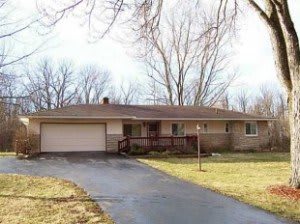

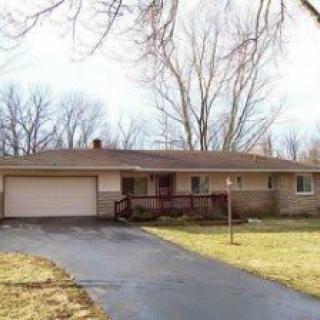
3741 Tonti Drive, Dublin, OH 43016
To contact a resident: (614) 381-9665
For more information about senior living options: (866) 208-4318
Our Family Home at Tonti Dr Costs & Pricing
At Our Family Home at Tonti Dr, the monthly costs for accommodations reflect a premium pricing structure compared to both Union County and the broader state of Ohio. Specifically, the cost for a one-bedroom unit stands at $8,000, significantly higher than Union County's average of $4,042 and Ohio's statewide average of $3,712. Similarly, for private rooms, residents at Tonti Dr are charged $8,000 per month, which is competitive with the local county rate of $8,523 but notably exceeds the state average of $4,771. This pricing may be indicative of specialized services or enhanced living conditions that set Our Family Home apart in terms of quality and care.
| Floor plans | Our Family Home at Tonti Dr | Union County | Ohio |
|---|---|---|---|
| 1 Bedroom | $8,000 | $4,042 | $3,712 |
| Private | $8,000 | $8,523 | $4,771 |
Memory care communities with a similar price nearby
-
About the same
Our Family Home at Longview Drive
$8,000 / month2.2 miles away -
About the same
Our Family Home at Worthington Galena Road
$8,000 / month5.3 miles away -
About the same
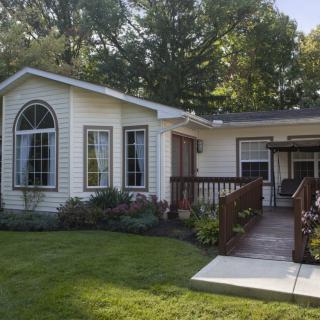
Our Family Home at Northigh Drive
$8,000 / month5.2 miles away -
About the same
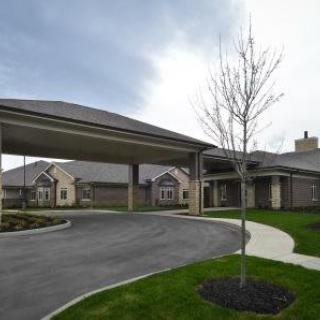
The Ganzhorn Suites of Powell
$7,850 to $9,050 / month3.5 miles away -
About the same
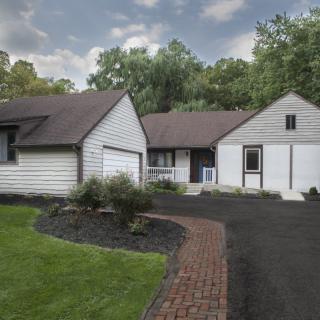
Our Family Home at Olentangy River Road
$8,000 / month4.4 miles away
Overall Review of Our Family Home at Tonti Dr
Pros
 The husband is very contented here.
- He receives constant and loving care by trained caregivers.
- The aides provide him with individual attention and interact with all residents in a kind and loving way.
- The care at Our Family Home is constant and loving, provided by trained caregivers.
- The staff are professional, competent and very caring.
- Caregivers treat residents as individuals, consistently engaging one-on-one to maintain security and well-being.
- The staff at Our Family Home perform superb work and show compassion and dedication to all residents.
- The home setting is preferred over traditional assisted living.
- The home is clean, and the staff are friendly, attentive and responsive, delivering individualized care.
- The facility is excellent, with staff who are knowledgeable about caring for dementia patients.
Cons
 They paid money and received 12 days of horrible care at a nearby assisted living facility.
- They had a disastrous experience in an assisted living facility that was understaffed and clueless in caring for a dementia patient.
Review
Our Family Home at Tonti Dr in Dublin, OH is best suited for families seeking ultra-personalized dementia care in a small, home-like setting. This community shines when a loved one needs constant, compassionate attention delivered one caregiver at a time, with caregivers who treat residents as individuals and as part of a caring family. The intimate footprint, roughly five residents, creates a stable, predictable routine that reduces confusion and fosters trust. Families looking for a calm, low-key environment where staff relationships are long-standing and deeply attentive will find this setting uniquely reassuring, especially for memory-care needs where one-on-one engagement matters most.
Those with broader or more specialized needs should consider alternatives. A larger assisted-living campus or a memory-care program with more residents often offers a wider activity calendar, on-site specialists, and a broader spectrum of medical and rehabilitative services. For residents who require extensive medical oversight, frequent changes in care plans, or a highly structured, hospital-like environment, a bigger community may deliver the continuity of care more efficiently. Similarly, families who want more social stimulation and organized programming across the day might find a larger setting more appealing.
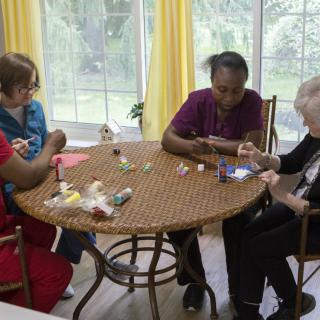
The strongest pros here are the hallmark of any dementia-focused home with a deeply personal touch: consistently loving, trained caregivers who know residents well and interact with them individually. The staff is described as professional, competent, and genuinely caring, with attention that feels thoughtful rather than transactional. Residents are treated as people with histories and personalities, not as cases to be managed. That one-on-one engagement translates into a palpable sense of security and well-being for residents and a clear sense of relief for families who can see their loved ones receiving tailored attention rather than generic care.
These advantages offset potential drawbacks inherent in a small, home-like model. While the setting provides remarkable individualized care, the smaller scale may limit the breadth of daily activities and on-site amenities found in larger communities. Yet that very limitation often proves a strength: reduced exposure to overstimulation and a quieter, more predictable routine can be better for someone with dementia. Families can compensate for fewer group outings by leveraging the tight-knit staff–resident relationships to customize daily care, meal times, comforting routines, and personal preferences can be executed with remarkable fidelity.
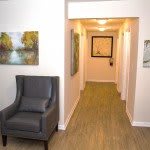
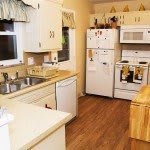
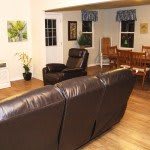
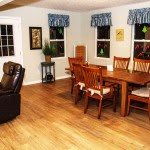
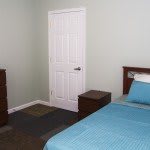
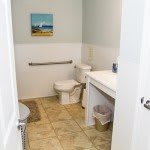
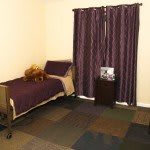
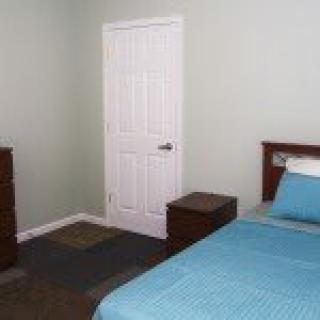
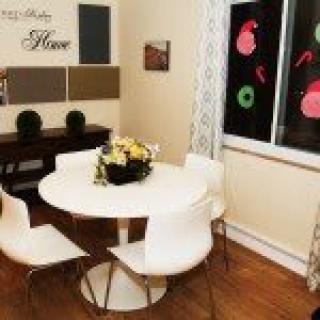
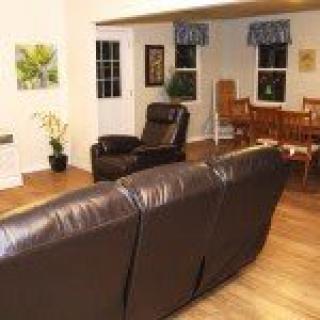
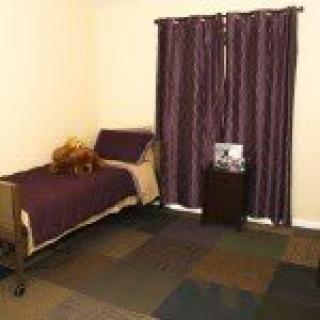
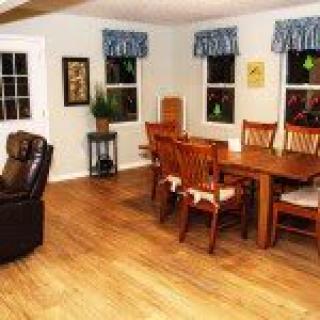
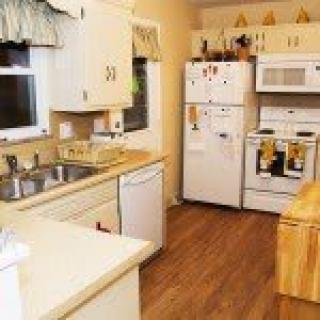
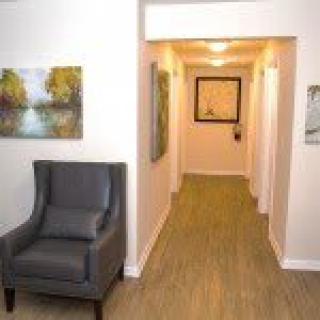
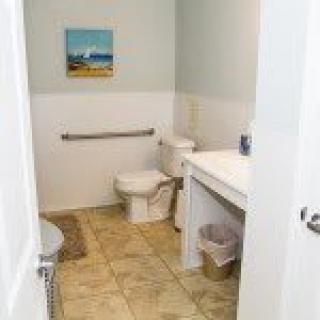
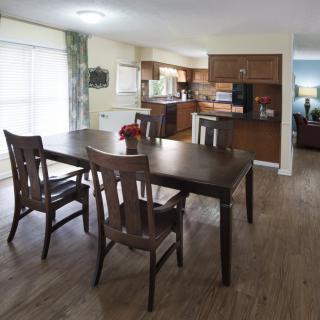
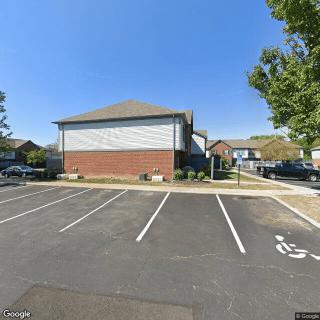
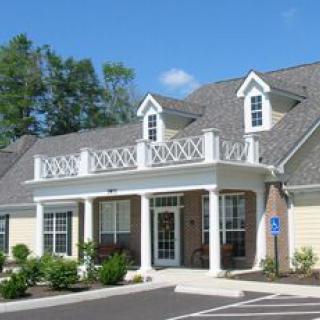
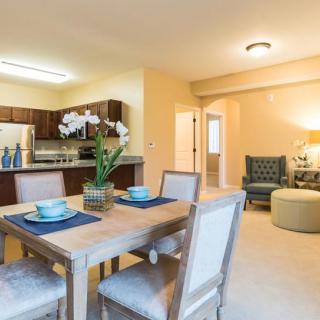
Another notable strength is the practical, safety-forward design: the home environment feels accessible and secure, with features like a locked-down space appropriate for memory care. The facility’s pride in cleanliness and a home kitchen atmosphere contributes to a sense of normalcy and dignity. The plan to add a deck for outdoor time signals ongoing investment and a responsive approach to resident comfort. These factors reinforce confidence that care decisions honor a resident’s comfort and autonomy without sacrificing safety.
In sum, this community earns a strong recommendation for families prioritizing intimate, dementia-centered care delivered with warmth, continuity, and personalized attention. It is an exceptional match for loved ones who flourish in a small, homelike setting where caregivers form enduring bonds and residents are known exceptionally well. For those who require a bigger staff presence, richer activity programming, or more expansive medical services, it pays to explore other options. A direct visit to observe caregiver-resident interactions and to discuss specific care plans will reveal whether this five-resident home aligns with the resident’s needs and the family’s expectations.
 Board and Care Home
 Memory Care
 Activities off-site
 Bath tubs
 Beautician on-site
 Indoor common areas
 Outdoor common areas
 Private
 Respite or short term stays offered
 Wheelchair accessible showers
 John Glenn Columbus International Airport (14 miles away)
 Ambulatory care
 High acuity care
 Incontinence care
 Medication management
 Meals provided
 Birthday parties
 Live dance or theater performances
 Live musical performances
 Live well programs

 Exploring the Power of Reminiscence Therapy for Individuals With Dementia
 An In-Depth Look at Reminiscence Therapy in Dementia Care
 Dementia-Related Hallucinations: Causes, Experiences, and Practical Approaches