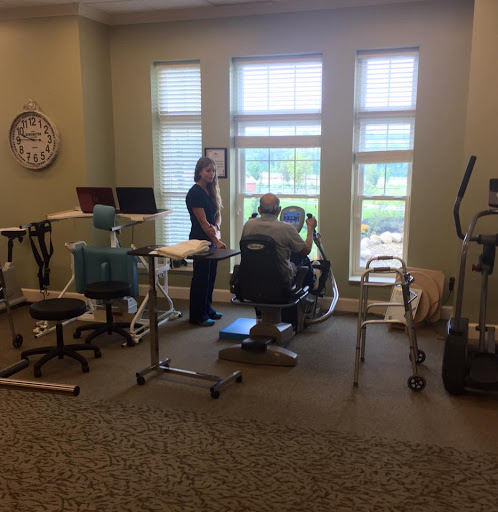
Rehab therapy stands out for many residents and families who tried PT, OT, or speech therapy here.
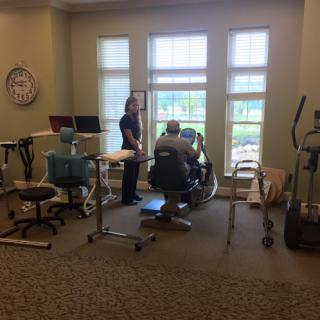
Multiple reviews describe the therapy team as a major reason families chose to return or recommend the community, especially after surgery and rehab stays. Residents and families mention therapists who listen, tailor therapy to needs, and help improve strength, balance, and mobility. A few reviews also pair the strong therapy experience with a more complete care plan that includes nursing and other departments working together.
caveat6 reviews mention this
Medication timing frustrates some
Some reviewers report long waits or delays for medication and call-button help.
A recurring concern is slow response for medication or supplies, with multiple reviews citing long waits for pain meds. Other reviews describe situations where staff response took an extended time, leading families to call the main desk to locate help. Even some mixed or positive experiences include a note about how medication timing affected the overall stay.
common5 reviews mention this
Food quality and delivery vary
Dining gets mixed feedback, with both praise for taste and complaints about balance or delivery timing.
Several reviews praise the food as delicious or enjoyable, and some families specifically thank dietary or kitchen leadership. Others describe meals as not nutritionally balanced or missing options they expected, such as fresh fruit. A separate thread of feedback focuses on delivery delays, including waits of an hour or more for meals.
differentiator3 reviews mention this
Memory care feels personal
Memory care programming earns praise for patient-centered attention and communication with families.
Reviews centered on dementia or memory care describe staff as attentive and respectful, with updates that help families feel informed during changes in condition. Some mention residents seeming more comfortable and treated like family, while others highlight concerns in the memory care area and shared common spaces. Taken together, the feedback suggests memory care is a focal strength for some families, but experiences can be inconsistent across units and shifts.
How we summarize
Counts show how many written reviews mention each theme; a review can touch several themes, and only frequently mentioned themes are displayed.
Features
Housing
40 resident community capacity
1-bedroom apartments
2-bedroom apartments
Types of Care
Assisted Living
Independent Living
Memory Care
Skilled Nursing Facility
Amenities
Beauty salon
Cable or satellite TV
Dining room
Fully furnished
Garden
Housekeeping services
Kitchenette
Move-in coordination
Outdoor space
Respite or short term stays offered
Restaurant-style dining
Small library
Telephone
Wi-Fi/high-speed internet available
Transportation
John Glenn Columbus International Airport (14 miles away)
Care Services
24-hour call system
24-hour supervision
Activities of daily living assistance
Assistance with bathing
Assistance with dressing
Assistance with transfers
Diabetes diet
Meal preparation and service
Medication management
Mental wellness program
Mild cognitive impairment
Special dietary restrictions
Specialized memory care programming
Dining
Diabetes diet
Special dietary restrictions
Activities
Community-sponsored activities
Resident-run activities
Scheduled daily activities
Nearby Places of Interest
Cafes
Kona Craft Kitchen (0.2 miles)
Tim Hortons (1.3 miles)
Starbucks (2.3 miles)
Starbucks (3.5 miles)
Starbucks (3.6 miles)
Dells Homemade Ice-Cream & Coffee (3.8 miles)
Restaurants
The Pearl (0.5 miles)
Jeni's Splendid Ice Creams (0.6 miles)
Flannagan's Dublin (1 miles)
McDonald's (1.1 miles)
Taco Bell (1.1 miles)
Cafe Istanbul (1.1 miles)
Black Hat (1.1 miles)
Pharmacies
CVS Pharmacy (1 miles)
CVS Pharmacy (1.3 miles)
CVS Pharmacy (2.3 miles)
Market District Supermarket (2.5 miles)
Walgreens (2.8 miles)
CVS Pharmacy (3 miles)
Walgreens (3.7 miles)
Parks
Coffman Park (1.3 miles)
Carriage Place Park (2.8 miles)
Avery Park (2.9 miles)
Antrim Park (4.2 miles)
Thompson Park (4.7 miles)
Glacier Ridge Metro Park (5.2 miles)
Highbanks Metro Park (5.4 miles)
Physicians
Emerald Pediatrics (1.6 miles)
Pediatrics Ophthalmology Associates - Nationwide Children's Close to home center (1.9 miles)
Samantha M Kinross O D (2.7 miles)
Rainbow Pediatrics (2.8 miles)
Jennifer Shoenfelt, MD (3 miles)
TLC Laser Eye Centers (3.1 miles)
Dermatology and Cosmetic Surgery of Dublin (3.1 miles)
Places of Worship
Saint Brigid of Kildare Catholic Church (2.8 miles)
Saint Brendan Catholic Church (3.7 miles)
Scioto Ridge United Methodist Church (4 miles)
St Andrew Church (5.2 miles)
Transportation
The Ohio State University Airport at Don Scott Field (OSU) (2.8 miles)
The Grand's memory care services are tailored to address the unique needs of residents with dementia or Alzheimer's disease, emphasizing holistic support through various features. Assistance with dressing and bathing helps maintain personal hygiene and dignity, while medication management ensures that residents receive the correct dosages at appropriate times, minimizing confusion and enhancing health outcomes. Meal preparation and service cater to dietary preferences and nutritional needs, fostering a sense of normalcy during mealtimes. Activities of daily living assistance promotes independence in tasks like grooming and mobility, bolstered by 24-hour supervision that ensures safety and quick response to any emergent needs. The mental wellness program is designed to stimulate cognitive function, while specialized memory care programming provides structured activities tailored to different stages of cognitive decline. This comprehensive approach empowers residents experiencing mild cognitive impairment or more advanced stages of dementia, creating a supportive environment that encourages engagement and enhances quality of life.
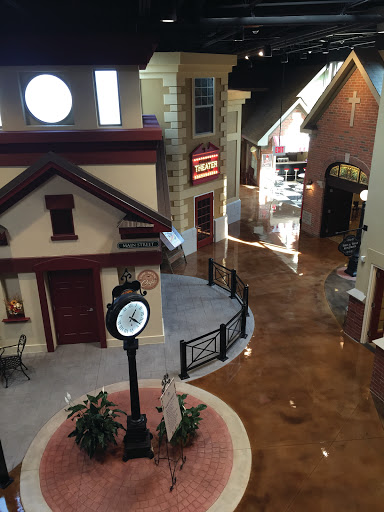
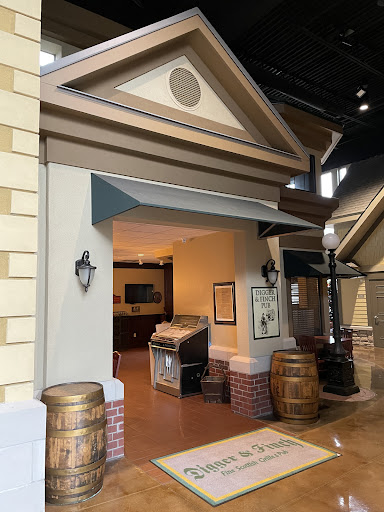
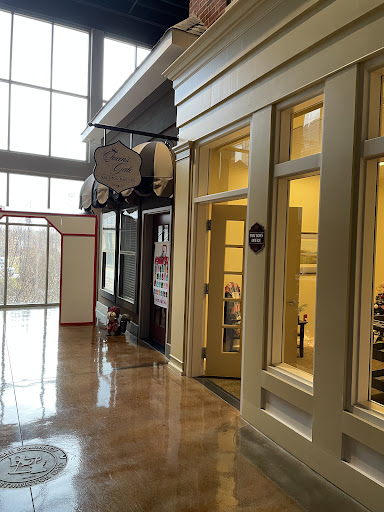
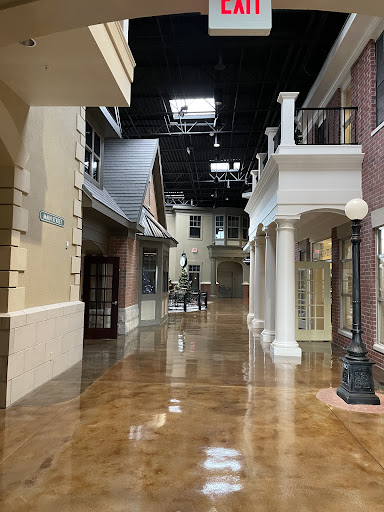
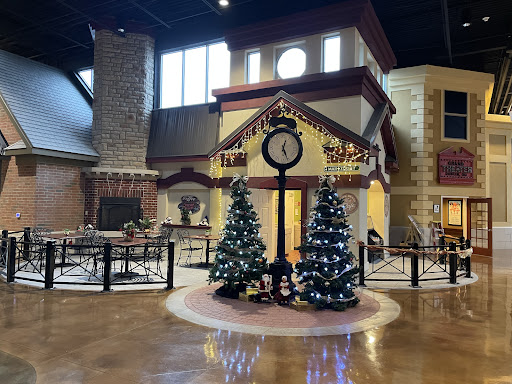
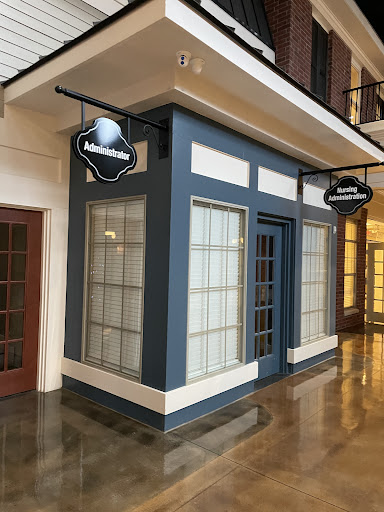
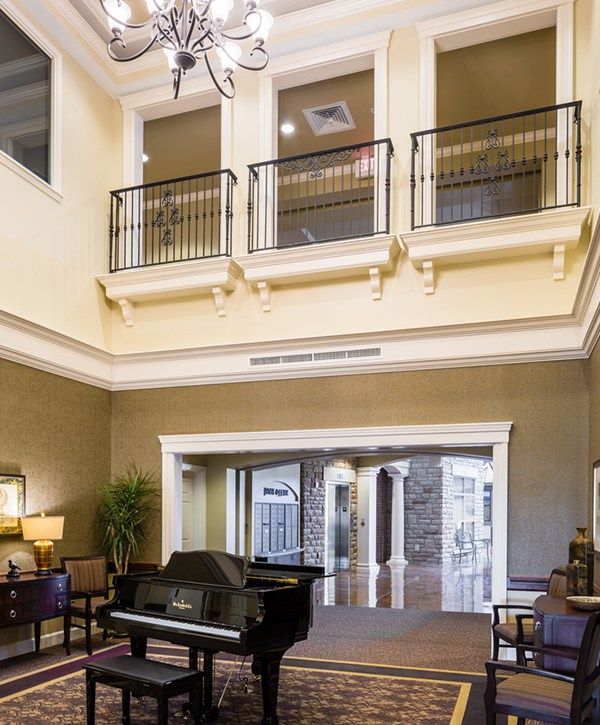
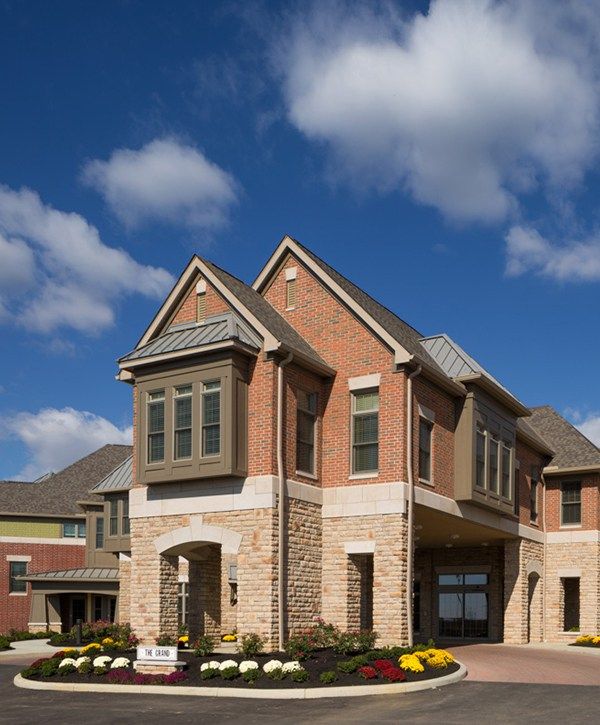
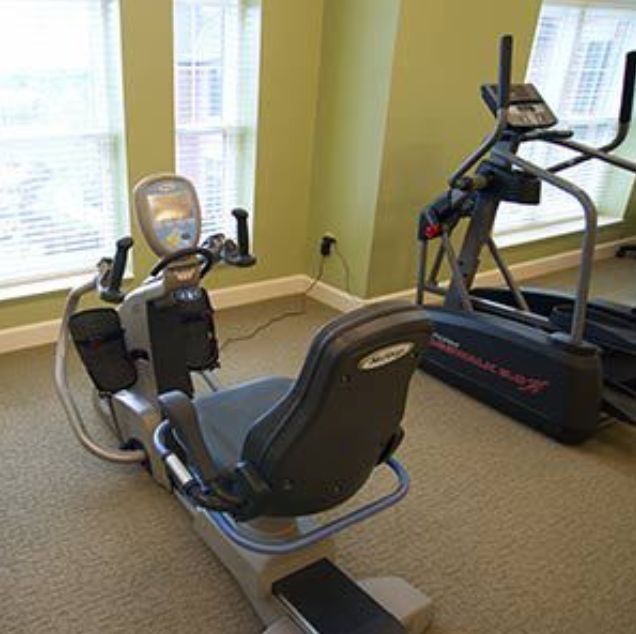
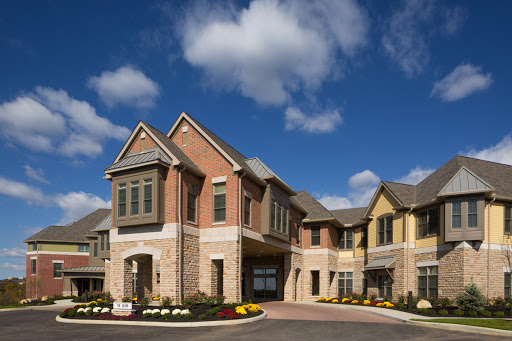
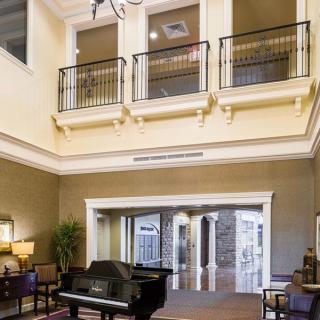
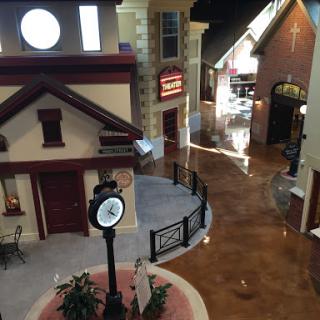
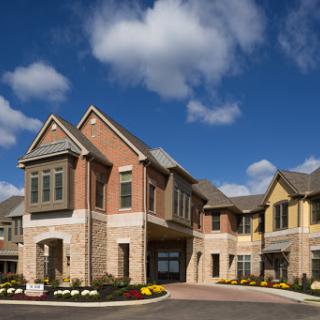
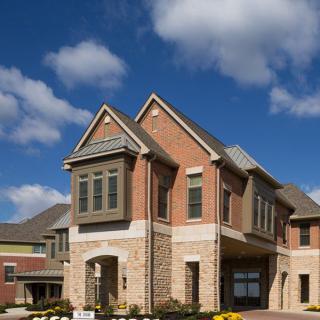
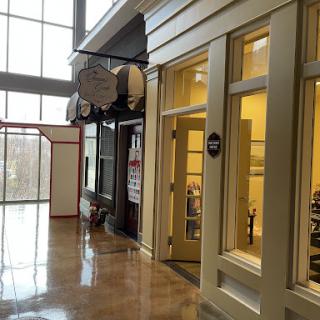
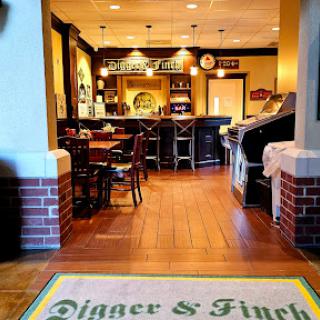
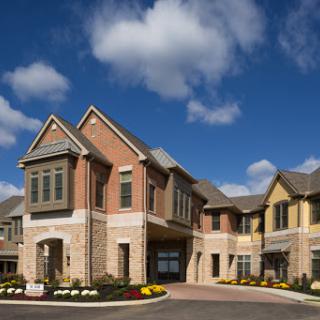
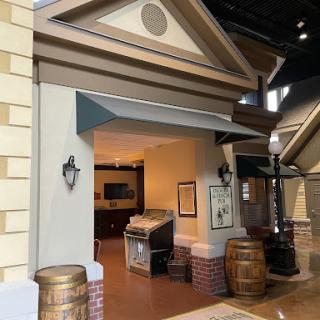
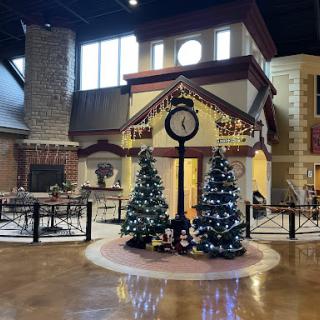
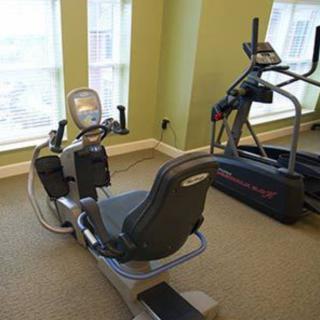
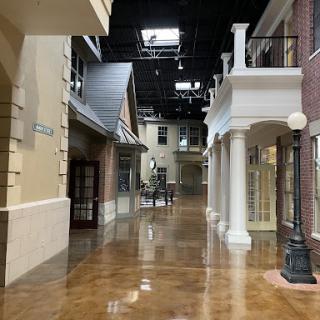
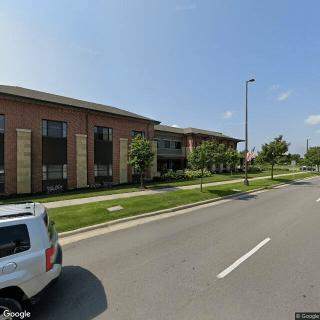
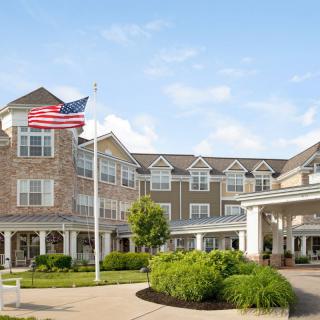
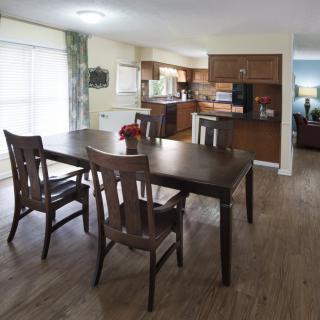
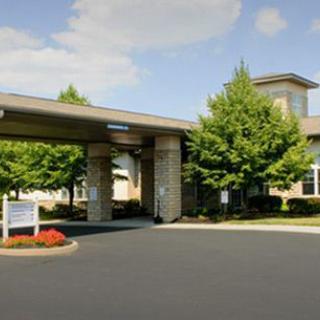
The Grand on seniors.fyi includes 13 photos including images showing interior, architecture, building, exercise equipment, lobby, windows, exterior, landscaping, and more.
Nearby Communities
The Grand of Dublin
Dublin, OH
3.9 from 155 reviews
$2,500 to $5,000 / month
Attentive aides and skilled therapists contributing to rehab progress in a clean, comfortable environment.
Assisting Hands of Columbus
Dublin, OH
5 from 109 reviews
Prompt response with attentive caregivers and proactive care manager visit on day one.
Heartland Of Dublin
Dublin, OH
2.4 from 42 reviews
Caring, well-trained staff and a clean environment with strong therapy services.
Sunrise of Dublin
Dublin, OH
4.5 from 80 reviews
$5,520 to $7,980 / month
Warm, attentive staff in a clean, welcoming environment with engaging activities.
Our Family Home at Longview Drive
Dublin, OH
4.9 from 13 reviews
$8,000 / month
Warm, home-like memory care with personalized, attentive staff.
Our Family Home at Tonti Dr
Dublin, OH
5 from 14 reviews
$8,000 / month
Loving, individualized dementia care from trained staff in a clean, intimate setting.
Claremont Retirement Village
Columbus, OH
4.4 from 114 reviews
$1,830 to $3,600 / month
Friendly staff and a welcoming, affordable community with on-site activities and comfortable amenities.
Brookdale Trillium Crossing
Columbus, OH
4.3 from 108 reviews
$2,380 to $4,235 / month
Clean facility with friendly staff and engaging activities.
The Sanctuary At Tuttle Crossing
Dublin, OH
3.6 from 68 reviews
$3,100 / month
Professional, long-tenured staff with strong therapy services and a clean, welcoming environment.
Reminiscence therapy helps individuals with dementia recall past memories through structured discussions and meaningful objects, enhancing mood, relationships, and sense of identity while celebrating their lives. It can be practiced in formal settings or at home, requiring sensitivity to personal histories and cultural backgrounds.
Reminiscence therapy is a structured method for older adults, especially those with dementia, to share life stories using prompts and sensory cues, fostering emotional well-being, social engagement, and self-identity. It aims to improve quality of life by enhancing interpersonal connections and cognitive stimulation while requiring careful facilitation to avoid distressing memories.
Dementia, particularly Lewy body dementia, often involves hallucinations that can significantly distress both patients and caregivers due to disruptions in sensory processing and neurotransmitter imbalances. Effective management includes compassionate communication, environmental adjustments, and a multidisciplinary approach to care while addressing the emotional needs of caregivers.
Get PricingAsk A QuestionSchedule A TourContact Senior Advisor
By clicking submit, you agree to our Partner's Terms of Use. You
also consent to receive calls and texts, which may be autodialed, from our Partner. Your consent is not a condition to
using our Partner's service. Please visit our Partner's Privacy Policy for information about their privacy practices.

 40 resident community capacity
 1-bedroom apartments
 Assisted Living
 Independent Living
 Memory Care
 Skilled Nursing Facility
 Beauty salon
 Cable or satellite TV
 Dining room
 Fully furnished
 Garden
 Housekeeping services
 Kitchenette
 Move-in coordination
 Outdoor space
 Respite or short term stays offered
 Restaurant-style dining
 Small library
 Telephone
 Wi-Fi/high-speed internet available
 John Glenn Columbus International Airport (14 miles away)
 24-hour call system
 Activities of daily living assistance
 Assistance with bathing
 Assistance with dressing
 Assistance with transfers
 Diabetes diet
 Medication management
 Mental wellness program
 Special dietary restrictions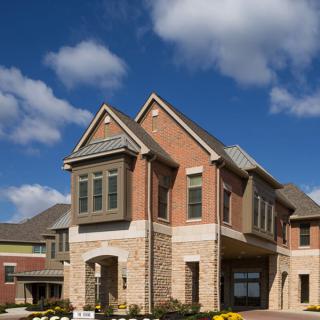
 Attentive aides and skilled therapists contributing to rehab progress in a clean, comfortable environment.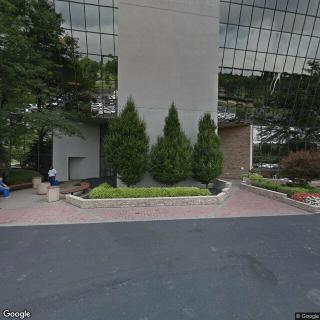

 Exploring the Power of Reminiscence Therapy for Individuals With Dementia
 An In-Depth Look at Reminiscence Therapy in Dementia Care
 Dementia-Related Hallucinations: Causes, Experiences, and Practical Approaches