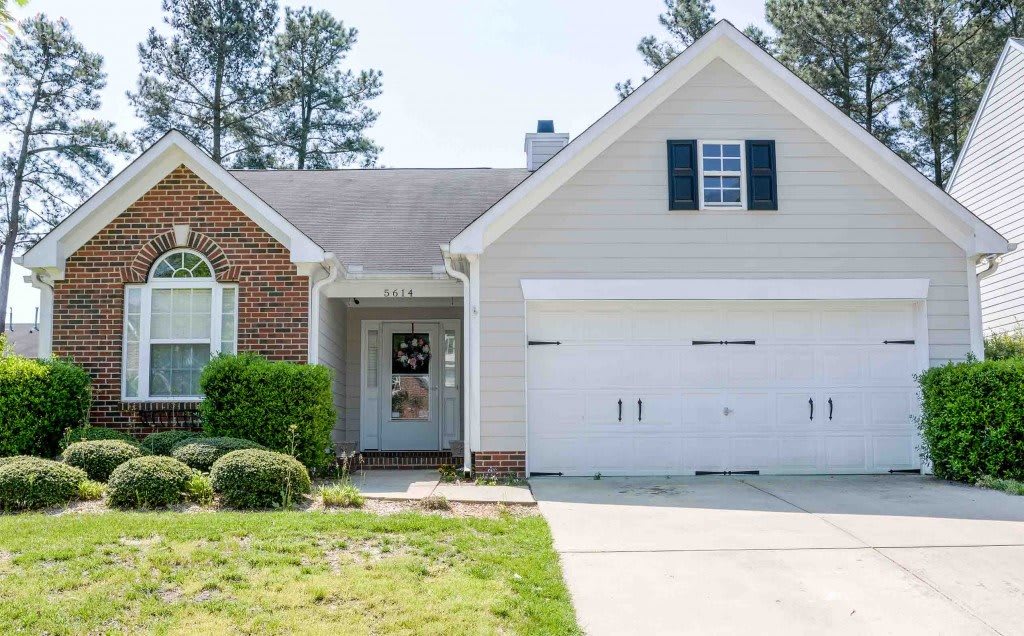


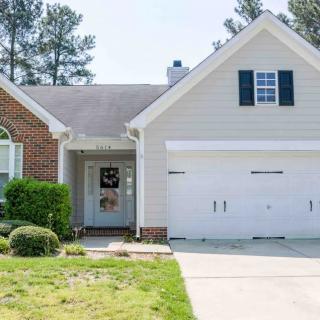
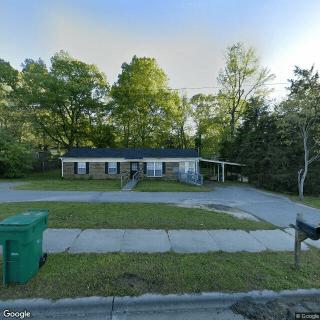
5614 Apalachicula Dr., Raleigh, NC 27616
To contact a resident: (919) 621-9670
For more information about senior living options: (866) 208-4318
Lynn's Home at Riverside Costs & Pricing
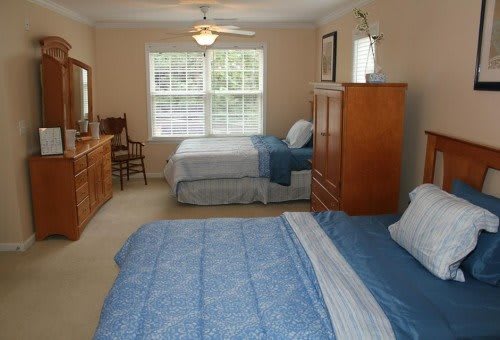
Lynn's Home at Riverside offers a unique pricing structure for its living arrangements, with both private and semi-private rooms available at a monthly cost of $7,000. When compared to the average costs in Wake County and across North Carolina, Lynn's Home positions itself at a premium. Specifically, the average cost for a private room in Wake County is $4,658, and $4,425 at the state level. Similarly, semi-private accommodations also reflect this higher pricing trend, with Wake County averaging $4,391 and statewide figures sitting around $3,584. While Lynn's Home may be seen as pricier than other options in the area, it likely reflects an emphasis on quality care and services that set it apart from more affordable alternatives.
| Floor plans | Lynn's Home at Riverside | Wake County | North Carolina |
|---|---|---|---|
| Private | $7,000 | $4,658 | $4,425 |
| Semi-Private | $7,000 | $4,391 | $3,584 |
Memory care communities with a similar price nearby
-
from -$500 / mo
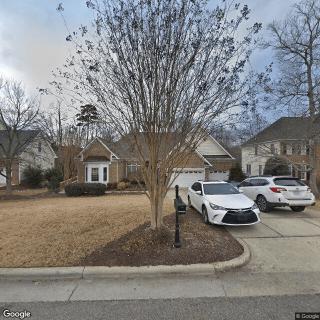
Kelley's Family Care Home
$6,500 / month3.2 miles away -
from -$750 / mo
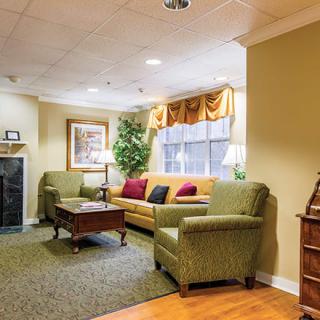
Brookdale MacArthur Park
$6,250 to $8,395 / month18.1 miles away -
from -$640 / mo
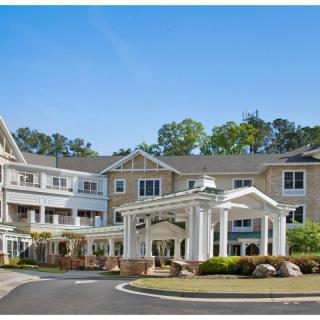
Sunrise Of Cary
$6,360 to $8,670 / month16.8 miles away -
from -$1000 / mo
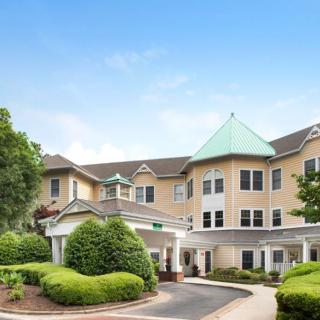
Sunrise Of Raleigh
$6,000 to $6,870 / month8.5 miles away -
from -$596 / mo
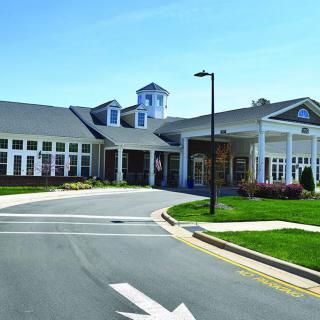
Spring Arbor of Cary
$6,404 to $7,892 / month16.4 miles away
Overall Review of Lynn's Home at Riverside
Pros
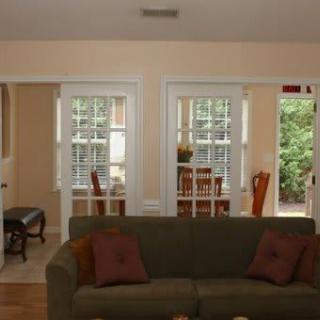
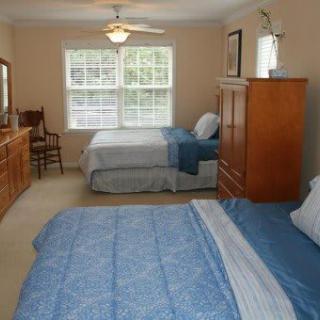
 The care home is immaculate and well maintained.
- The management is highly involved down to the smallest detail.
- Residents appear comfortable and well cared for in a home-like setting.
- The owner is very person-centered and acts from the heart.
- The home provides compassionate, individualized care in a small, intimate setting.
- The staff-to-resident ratio is excellent, allowing attentive care.
- The meals are home-cooked and nutritious, and the atmosphere feels like a family home.
- The staff communicate regularly with families and provide steady updates.
Cons
 They would never recommend going back after moving their mom into a larger building.
- They believed the care at bigger, newer facilities was lacking.
- They felt there was not enough staff for good personal care.
- They wished their mom didn’t need a place like this.
Review
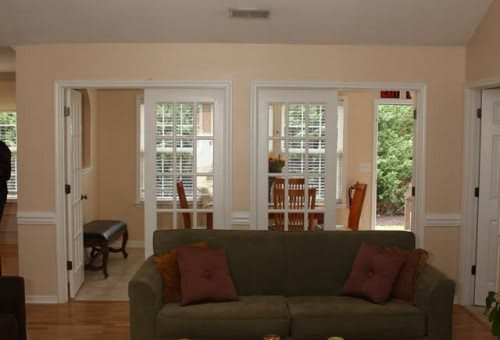
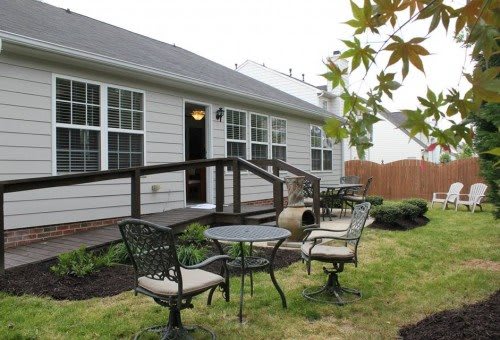
Lynn's Home at Riverside in Raleigh is best suited for families seeking an intimate, home-like setting for a loved one with dementia. This community excels when the goal is a small, family-centered environment where residents are treated as individuals and routines feel familiar and steady. A key strength is the hands-on leadership and consistent involvement of the owner and care team, which translates into daily attention, clean surroundings, and a sense that residents are “in a home” rather than a facility. The setting is clearly designed for stability and warmth, not for sprawling campuses or hospital-level clinical intensity.
Those who might want alternatives are families facing more complex medical needs or desires for a broader slate of on-site services. If 24/7 nursing oversight, frequent skilled therapies, or a wide array of specialized programs are essential, larger dementia-focused communities with greater on-site medical staffing may be more appropriate. Similarly, families seeking expansive activity calendars, resort-like amenities, or very independent living options could find the small-scale model constraining. In short, this is not the pick for memory care that aims to duplicate hospital or campus-level resources; it is the pick for care that prioritizes intimate interaction and highly personalized attention.
The strong points flow from the core model: a clean, safe, and remarkably home-like environment, combined with a remarkable caregiver-to-resident ratio and low staff turnover. Residents benefit from caregivers who know their stories, their routines, and the subtle changes in health or mood, which matters deeply in dementia care. The staff’s daily availability supports timely communication with families, and the team’s familiarity with dementia’s realities translates into proactive safety measures and thoughtful resource use. Home-cooked meals and a sense of community, where staff feel like family and families feel welcomed, underscore a stability that families repeatedly cite as priceless.
Where this model could feel limiting, the reviews suggest that the pros largely offset the potential drawbacks. The most obvious constraint is the small-scale, intimate footprint: there may be fewer on-site medical services and a narrower array of programs than in larger facilities. However, the staff’s deep dementia expertise, elevated attentiveness, and readiness to coordinate external resources tend to fill those gaps. Families note that the care philosophy, consistently resident-focused, with a transparent, communicative approach, provides peace of mind that often surpasses what bigger operations deliver. In practice, the tight-knit atmosphere and high caregiver engagement compensate for the absence of institutional breadth.
Decision-making guidance is straightforward. For families prioritizing a warm, home-like atmosphere with intensely personalized care for dementia, Lynn's Home at Riverside is one of the strongest options in the area. The community shines when a loved one benefits from consistent caregivers, meaningful daily interaction, and precise attention to safety and comfort. If, however, the priority is robust on-site medical nursing, a wider schedule of high-intensity therapies, or a campus with abundant amenities and varied programming, alternatives should be explored to ensure those needs are met without compromise.
In conclusion, this care setting earns trust through its intimate scale, compassionate leadership, and durable consistency. It represents a disciplined, practical choice for families who want to minimize disruption while maximizing daily quality of life for someone living with dementia. Tour opportunities should be used to observe caregiver–resident exchanges, confirm the current staff mix, and gauge how well the setting’s quiet rhythm meshes with the loved one’s personality and needs. For families prioritizing safety, familiarity, and a truly home-like atmosphere, Lynn's Home at Riverside stands out as the recommended option, with clear advantages that align with long-term well-being and emotional peace of mind.
 6 resident community capacity
 Assisted Living
 Board and Care Home
 Memory Care
 Activities off-site
 Cable or satellite TV
 Dining room
 Fully furnished
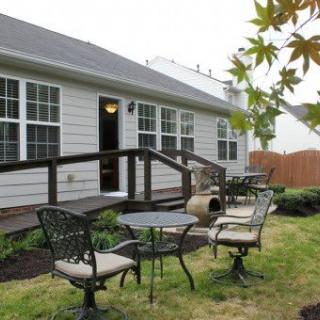
 Garden
 Housekeeping services
 Indoor common areas
 Move-in coordination
 Outdoor common areas
 Private
 Respite or short term stays offered
 Telephone
 Wi-Fi/high-speed internet available
 Raleigh-Durham International (14 miles away)
 24-hour supervision
 Ambulatory care
 Assistance with bathing
 Assistance with dressing
 Assistance with transfers
 Diabetes diet
 Diabetic care
 Incontinence care
 Meal preparation and service
 Medication management
 Special dietary restrictions
 Transportation arrangement (medical)
 Transportation to doctors appointments
 Birthday parties
 Live musical performances

 Understanding Dementia Through Its Seven Stages: A Comprehensive Look at Progression and Expectations
 A Holistic Dementia Care Guide: Effective Strategies for Memory Support
 Comprehensive Insights into Activities of Daily Living (ADLs) and Their Assessment