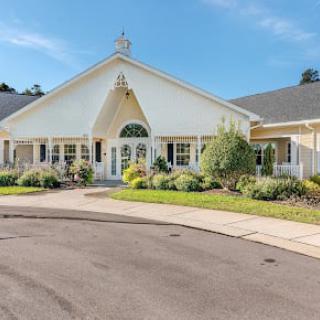
Universal Healthcare of N. Raleigh
Save
5201 Clarks Fork Dr, Raleigh, NC 27616
For more information about senior living options: (844) 490-3973
What level of care are you interested in?

Assisted Living

Memory Care

Independent Living

Skilled Nursing Facility

Continuing Care Retirement Community (CCRC)CCRC

Other
Universal Healthcare of North Raleigh is best suited for families seeking a rehab-forward environment where recovery hinges on aggressive therapy participation and convenient proximity to loved ones. The community tends to reward residents who engage in physical and occupational therapy, and it can work well for those who want a location close to home so daily visits stay feasible. It is less optimal for seniors who require near-constant supervision, highly reliable staffing, and impeccably consistent care across all shifts. When care needs escalate or safety becomes a paramount concern, this setting can feel unsettled due to turnover and mixed experiences in responsiveness. In short, it serves as a solid choice for active rehabilitation under vigilant family oversight, but not as a fail-safe option for high-dependency custodial care.
Alternatives should be considered by families prioritizing steadier leadership, consistently timely care, and strong housekeeping and safety protocols. Several reviewers describe long wait times for call bells, frequent staff turnover, and occasional lapses in daily hygiene, nutrition, and medication management. If a sense of reliable, predictable operation is non-negotiable, or if family members cannot visit regularly to monitor care, other communities with lower turnover and more transparent leadership may deliver greater peace of mind. Those evaluating long-term residence for residents with advanced dementia, high fall risk, or complex medical needs will want to compare facilities known for steadier staffing and fortified safety cultures.
The strongest pros here are evident in therapy-focused outcomes and the general atmosphere when staff are at their best. The therapy team is repeatedly described as dedicated, compassionate, and skilled, helping residents regain function and build confidence. Cleanliness and a pleasant, home-like environment emerge in several positive visits, with residents dressed neatly and often socializing in communal spaces. When administration and frontline staff align, families note prompt problem-solving, effective communication, and genuine kindness from clinicians and aides. These elements can translate into meaningful progress for rehabilitation and a sense of security for family members who can remain engaged in the care plan.
Yet the main cons cannot be overlooked and can severely dilute the positives. Critical concerns center on inconsistent staffing coverage, delayed responses to call bells, and reported neglectful moments - ranging from bed sores to unfinished daily care, and even troubling accusations of improper medication handling or belongings going missing. Several reviews describe high nurse-to-patient ratios, shift-by-shift turnover, and a perception that leadership is not reliably present or responsive. The frequency and severity of these issues, including some highly publicized allegations, create a risk calculus that families must weigh when deciding whether to entrust daily oversight to this community.
To move from hesitation to informed decision, prospective families should verify several practical factors before choosing. Request the most current leadership roster and staffing models, including nurse and aide hours per resident, and observe shift changes if possible. Inquire about recent quality improvements, incident response procedures, and how the facility handles lost belongings and medication administration. Schedule conversations with frontline staff, the administrator, and current residents or families who can speak to daily experiences. Review the dining experiences, therapy schedules, and the process for family updates, especially during transitions between rehab and long-term care. A candid assessment of communication pathways and how problems are escalated will reveal whether the positives can realistically outweigh the risks.
Bottom line: Universal Healthcare of North Raleigh can deliver tangible rehabilitation benefits when the environment is well-staffed, leadership is engaged, and families stay actively involved. For residents who are motivated to participate in therapy, who require proximity to family for regular oversight, and who can tolerate some variability in day-to-day operations, the facility offers real value. However, for those prioritizing unwavering day-to-day reliability, minimal risk of neglect, and consistent medication and care management, alternatives with steadier staffing and stronger, more transparent governance deserve serious consideration. The decision should hinge on a clear plan for ongoing family involvement, concrete questions about staffing stability, and a cautionary appraisal of how this community has managed past incidents and turnover.
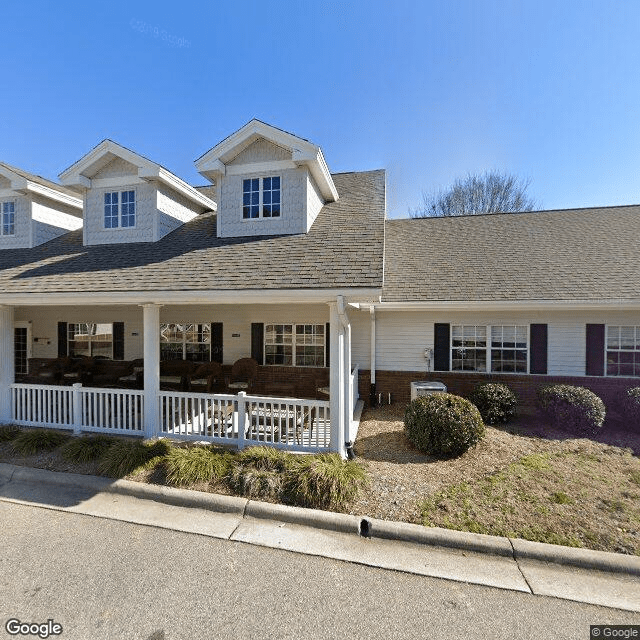
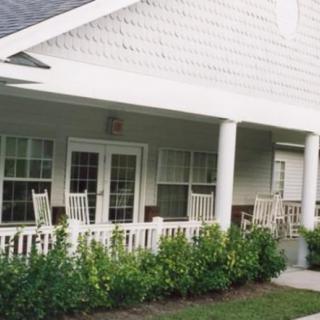
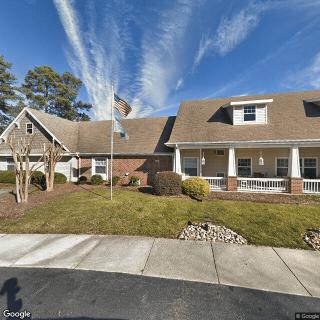
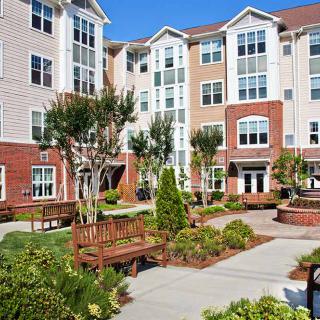
Universal Healthcare of North Raleigh is an assisted living community located in the vibrant city of Raleigh, NC. This community is dedicated to providing excellent healthcare and support services for seniors in a comfortable and nurturing environment.
Residents at Universal Healthcare of North Raleigh can enjoy the convenience of having two cafes nearby, where they can indulge in delicious meals or grab a quick cup of coffee. Additionally, the community is surrounded by four beautiful parks, offering plenty of opportunities for outdoor activities, walks, and relaxation amidst nature.
The presence of two nearby pharmacies ensures easy access to medication and healthcare products for the residents. Furthermore, seven physicians in close proximity provide convenient medical care and consultations whenever needed.
With 16 restaurants located nearby, residents have a wide variety of dining options to choose from. Whether they prefer fine dining or casual eateries, there is something to satisfy everyone's culinary preferences.
Transportation is readily available near Universal Healthcare of North Raleigh, making it easy for residents to explore the city or attend appointments and outings with ease. Additionally, there is a place of worship nearby for those who wish to practice their faith and connect with their spiritual community.
Overall, Universal Healthcare of North Raleigh offers a comprehensive range of amenities and services that cater to the needs and preferences of seniors. With its convenient location surrounded by cafes, parks, pharmacies, physicians' offices, restaurants, transportation options, and places of worship nearby, this assisted living community provides a comfortable and enriching lifestyle for its residents.
This area of Raleigh, North Carolina offers a variety of amenities and services that would be beneficial for seniors looking to live in a convenient and comfortable location. With multiple parks nearby such as Horseshoe Farm Park and Durant Nature Park, residents can enjoy outdoor activities and leisurely walks. There are also several dining options including McDonald's, San Jose Mexican Restaurant, and Nantucket Grill for convenient meal choices. In terms of healthcare, there are reputable physicians like Capital Family Medicine and Wake Skin Cancer Center within close proximity, as well as pharmacies such as Walgreens and Walmart Pharmacy for medication needs. Additionally, Duke Raleigh Hospital and WakeMed Health & Hospitals are easily accessible for any medical emergencies. Overall, this part of Raleigh provides a blend of recreational opportunities, dining options, healthcare facilities, and transportation services that cater to the needs of senior residents.
Universal Healthcare of N. Raleigh is located at 5201 Clarks Fork Dr, Raleigh, NC 27616 in Wake County, North Carolina
Exploring Palliative Care in the Home: A Comprehensive Overview
Palliative care enhances the quality of life for seriously ill patients by providing comprehensive support at home through a multidisciplinary team, addressing various needs and prioritizing comfort over curative treatments. While it offers personalized care and involves family in decision-making, challenges like caregiver stress and logistical issues persist, with growing demand prompting advancements in technology and healthcare policies to improve access.
Comprehensive Insights into Palliative Home Care: What It Is and What to Expect
Palliative home care focuses on improving the quality of life for individuals with serious illnesses by providing comfort, symptom management, and emotional support in their own homes. This approach includes personalized care plans, regular assessments, and resources for family caregivers, all while prioritizing person-centered treatment that aligns with patients' goals.
Skilled Nursing Facilities vs. Nursing Homes: Making Sense of the Differences
Skilled nursing facilities (SNFs) provide high-level medical care and rehabilitation for short-term recovery, typically covered by Medicare after hospitalization, while nursing homes focus on ongoing custodial care for chronic conditions, mainly funded by Medicaid or private payments. The staffing and regulatory structures differ significantly between the two, necessitating clarity for families in choosing appropriate long-term care options.