

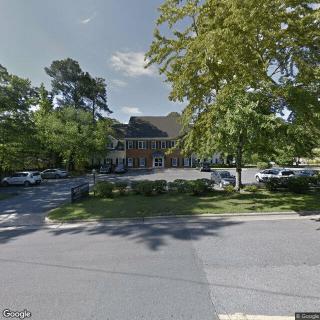
4230 North Roxboro Road, Durham, NC 27704
To contact a resident: (919) 477-9806
For more information about senior living options: (866) 208-4318
Rose Manor Healthcare Center Costs & Pricing
Rose Manor Healthcare Center's pricing structure reflects its commitment to providing quality care while remaining competitive within the local market. For a semi-private room, residents can expect monthly costs of $3,780, which is slightly above the average price for Durham County at $3,410 and also just below the state average of $3,584. In contrast, the private room option is priced at $4,110, positioning it moderately above Durham County's average of $3,926 but slightly lower than North Carolina's statewide average of $4,425. This pricing strategy indicates Rose Manor's focus on delivering superior services that justify its higher costs compared to county averages while still offering reasonable options within the broader state context.
| Floor plans | Rose Manor Healthcare Center | Durham County | North Carolina |
|---|---|---|---|
| Semi-Private | $3,780 | $3,410 | $3,584 |
| Private | $4,110 | $3,926 | $4,425 |
Skilled Nursing Facilities with a similar price nearby
-
from +$540 / mo

Signature Healthcare Of Chapel Hill
$4,320 to $4,710 / month10.7 miles away
Overall Review of Rose Manor Healthcare Center
Pros
 The staff provided exceptional care and dignity to residents.
- The facility is exceptionally wonderful from top to bottom and is highly recommended for rehab.
- The grounds are good and the community is close by.
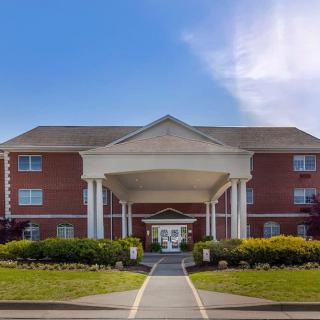
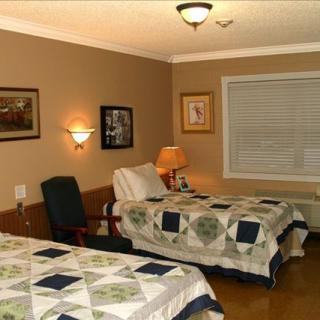
- Private rooms are large.
- The staff were attentive, encouraging, and supportive, helping residents regain mobility.
- The staff are great people, and the facility is described as a place of honor and respect.
- The care and dedication of the staff were outstanding.
Cons
 The place is terrible.
- They do nothing for the residents.
- The resident council president is a joke.
- The food is terrible, even after the new company took over.
- The grandmother is dirty and wet when visited and must be bathed.
- Staff are rude and curse at residents.
- Personal items such as money and soaps have been stolen.
- The facility is dirty and infested with roaches and bugs.
- The director is rarely around and always refers to others who know nothing.
- Families hate visiting because their loved ones are sad and they cannot bring grandma home due to health.
Review
Rose Manor Healthcare Center in Durham, NC is best suited for seniors who need short-term rehabilitation and for families that are prepared to stay actively involved in care. The standout positives in care stories center on individualized attention during rehab episodes and on the potential for meaningful progress when staff are able to devote time and energy to a resident’s goals. Private rooms and decent grounds add a layer of comfort that can be appealing to those prioritizing dignity and personal space during recovery or transition. When care hinges on consistent hands-on therapy and close family oversight, Rose Manor can deliver moments of genuine benefit.
Those who may want to consider alternatives are families that cannot tolerate recurrent reliability gaps or environmental concerns. Several reviews flag chronic understaffing, frequent turnover, and the reliance on temporary staff, which can translate into delayed assistance and inconsistent daily routines. Cleanliness and safety appear to be uneven, with reports of dirty rooms, bad odors, and pest issues troubling multiple visits. Food quality and meal timing are recurrent pain points, and some residents experience heat or plumbing problems that compromise daily comfort. The combination of management accessibility problems and frequent complaints about the director’s responsiveness further suggests that a facility with stronger, more transparent leadership could be a better fit for families seeking steady oversight and clear problem resolution.
The strongest pros, where they do show up, do offset certain concerns, but not across the board. When Rose Manor functions as intended, the staff’s dedication translates into tangible health momentum: a patient who improves walking ability, regained independence, and ongoing checks after discharge point to a capacity for compassionate, goal-driven care. Positive anecdotes about patient-centered attention from top to bottom indicate that, in well-staffed moments, residents can receive respectful, dignified treatment and clear encouragement. The presence of private rooms and a functioning grounds environment also provides a steady baseline of comfort that can support recovery and daily life, particularly for families who value privacy and ease of access.
Yet the main cons frequently pull in the opposite direction and undermine the overall experience. Across reviews, the lack of consistent staffing translates into long waits for assistance, interrupted routines, and frustration for families who must step in to bathe, feed, or monitor basic needs. Cleanliness and odor issues, evidence of pests, and damp or malfunctioning spaces create ongoing concerns about daily safety and hygiene. Food quality and temperature problems recur, casting doubt on nutrition and overall well-being. The sense that management is hard to reach or repeatedly unavailable compounds the frustration, making it difficult to trust that problems will be addressed quickly or comprehensively. These unresolved gaps tend to overwhelm the positive rehab stories and private-room advantages for many prospective residents.
For families evaluating this community, several practical checks can inform a decision without relying on impression alone. Request current staffing ratios and the typical schedule for direct caregiver assignments; ask to meet caregiving staff on each shift and observe interactions with residents; tour multiple times, including evenings and weekends, to gauge consistency. Inquire about recent state or licensure findings, and request concrete examples of corrective actions taken after past complaints. Seek demonstrations of meal service and room maintenance; verify that private rooms are truly private and that bathrooms and heating elements function properly. Finally, discuss crisis and escalation processes with the administrator, and ask for a trial period or a clearly defined transition plan if rehab goals are not progressing as expected.
Bottom line: Rose Manor serves a niche that rewards rehab-focused care, patient perseverance, and private-room comfort, but it is not a universal solution. For families with a tolerance for ongoing management challenges and an expectation of steady, proactive oversight, the positives can align with meaningful progress. For those who prize consistent cleanliness, dependable staffing, respectful communication, and transparent leadership without requiring advocacy from family members at every turn, alternatives should be strongly considered. A candid visit, thorough questions, and a clear sense of acceptable risk will determine whether Rose Manor is the right fit or if another option better aligns with nonnegotiable needs and long-term care goals.
 Memory Care
 Skilled Nursing Facility
 Private
 Raleigh-Durham International (14 miles away)




 An In-Depth Look at Reminiscence Therapy in Dementia Care
 Dementia-Related Hallucinations: Causes, Experiences, and Practical Approaches
 Illuminating Insights About Alzheimer's Disease: Ten Crucial Realities