For more information about senior living options: (866) 208-4318
3.8 from 131 reviews
5 stars
73
4 stars
17
3 stars
10
2 stars
3
1 stars
28
Overall Review of Carver Living Center
common34 reviews mention this
Caring, responsive staff stand out
Many reviews describe staff who are attentive, respectful, and quick to help.
Across reviews, families and visitors frequently say staff members are friendly, courteous, and responsive to needs. Several people highlight nurses and aides checking in regularly, helping with exercises, and following through on concerns. A few reviewers also note specific interactions—like a nurse listening attentively and describing steps being taken—that left them feeling reassured.
common8 reviews mention this
Dining gets positive mentions
Residents and visitors mention meals positively and describe the food as satisfying.
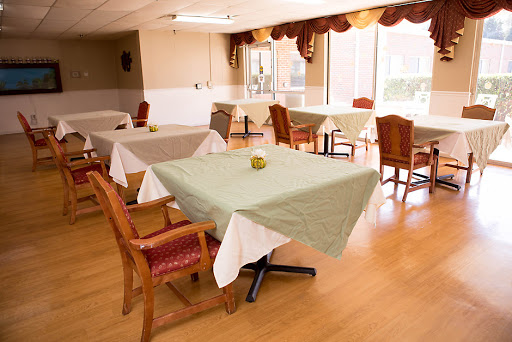
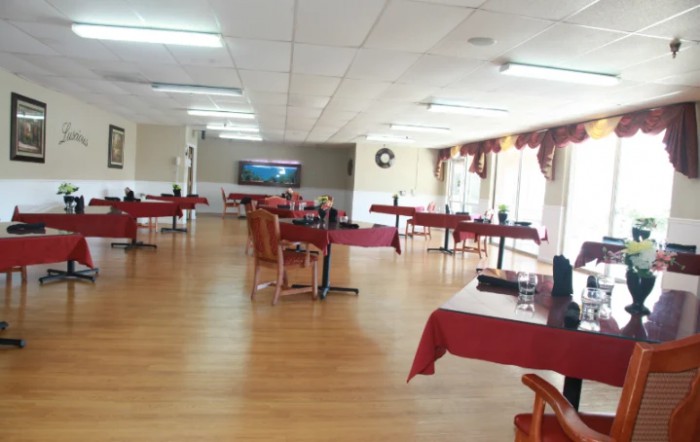
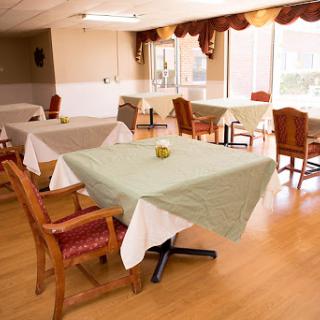
Dining comes up as a repeated good point, with multiple reviews praising the taste of meals and calling the food delicious or good. Some reviews also describe a lunch experience with enough staff to assist and support during the meal. This lines up with what the community offers for dining style, including restaurant-style dining.
caveat7 reviews mention this
Facility cleanliness and odors vary
Some reviews describe cleanliness problems alongside other accounts of a clean building.
Several reviewers report a clean facility and pleasant smelling hallways, and a number of comments describe it as well maintained. Other reviews raise concerns about smells, including one describing a horrible smell and another calling out issues with cleanliness. There are also complaints about cleanliness in rooms and the need for better upkeep.
caveat16 reviews mention this
Care and communication concerns appear
A meaningful set of reviews raises serious concerns about care consistency and responsiveness.
While many reviews describe good care, others report problems that include delays in assistance, questions about medication handling, and allegations of neglect or mistreatment. A few comments point to staffing and the impact on residents’ daily support, including concerns about supervision and follow-through when help is requested. There are also reviews describing difficult communication, such as being unable to get medical records without additional steps or feeling spoken to disrespectfully.
common6 reviews mention this
Activities and therapy support
Reviews mention scheduled activities and supportive therapy sessions.
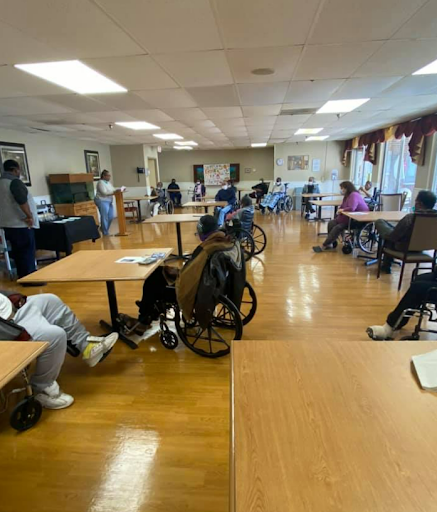
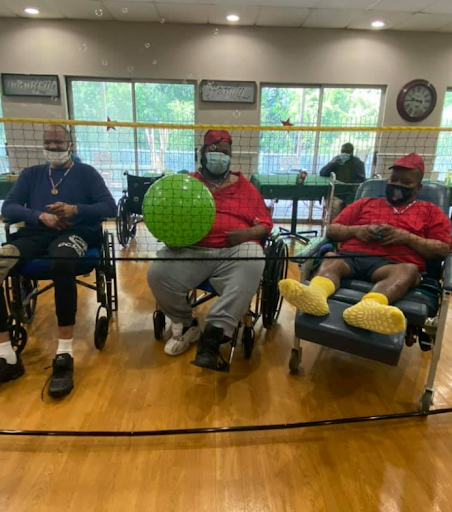
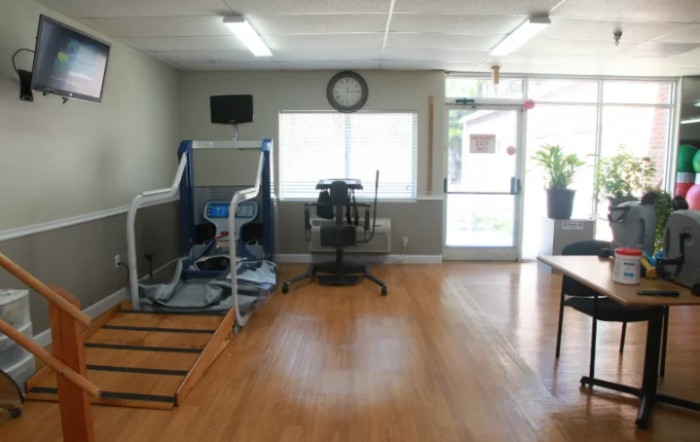
Residents’ days are often described as supported by organized activities and ongoing therapy. Some reviews specifically mention physical therapy and the presence of therapists, describing staff involvement and communication during treatment. Others also mention activities like arts and crafts and regular programming, along with facility supports that help residents stay engaged.
common2 reviews mention this
Nearby hospital and parks
The area includes nearby medical care and outdoor spaces.
Reviews do not focus heavily on nearby destinations, but the location is in a part of Durham with quick access to a hospital and parks listed nearby. That can be reassuring for visits and for practical errands, even when most commentary centers on staffing and daily experiences.
How we summarize
Counts show how many written reviews mention each theme; a review can touch several themes, and only frequently mentioned themes are displayed.
Features
Housing
232 resident community capacity
Types of Care
Skilled Nursing Facility
Amenities
Air-conditioning
Beauty salon
Cable or satellite TV
Computer center
Dining room
Fitness room
Fully furnished
Gaming room
Garden
Housekeeping services
Kitchenette
Move-in coordination
Outdoor space
Private bathrooms
Restaurant-style dining
Small library
Telephone
Wellness center
Wi-Fi/high-speed internet available
Transportation
Raleigh-Durham International (13 miles away)
Community operated transportation
Transportation arrangement
Transportation arrangement (non-medical)
Transportation to doctors appointments
Care Services
12-16 hour nursing
24-hour call system
24-hour supervision
Activities of daily living assistance
Assistance with bathing
Assistance with dressing
Assistance with transfers
Diabetes diet
Meal preparation and service
Medication management
Mental wellness program
Special dietary restrictions
Dining
Diabetes diet
Special dietary restrictions
Activities
Community-sponsored activities
Concierge services
Fitness programs
Planned day trips
Resident-run activities
Scheduled daily activities
Nearby Places of Interest
Hospitals
Durham Regional Hospital (0.5 miles)
Duke Hospital of Dentistry & Facial Pain (3.5 miles)
Parks
Northgate Park (1.5 miles)
Whippoorwill Park (1.6 miles)
Bethesda Park (7.3 miles)
Piney Wood Park (8.9 miles)
Cedar Falls Park (9.6 miles)
Homestead Skate Park (11.2 miles)
Grandale Park (11.6 miles)
Pharmacies
Walgreens (1.9 miles)
Walgreens (2.2 miles)
CVS Pharmacy (3.6 miles)
Walgreens (3.9 miles)
CVS Pharmacy (6.7 miles)
Walgreens (7.2 miles)
CVS Pharmacy (9.2 miles)
Restaurants
Bojangles' Famous Chicken 'n Biscuits (2.1 miles)
Locopops (2.9 miles)
Mothers and Sons Trattoria (3.2 miles)
Chick-Fil-A (3.3 miles)
Picnic (3.5 miles)
McDonald's (3.6 miles)
Cracker Barrel (3.6 miles)
Physicians
Garrett S Bressler, MD (2.5 miles)
Avance Care (3.4 miles)
North Carolina Orthopaedic Clinic (8.1 miles)
Duke Primary Care Sage Road Pediatrics (9.3 miles)
Chapel Hill Pediatrics & Adolescents Pa (9.3 miles)
Duke Health Center (9.4 miles)
Chapel Hill Implant and Oral Surgery Center (10.3 miles)
Cafes
Cocoa Cinnamon (2.7 miles)
Starbucks (6.2 miles)
Starbucks (8.3 miles)
Starbucks (9.8 miles)
Starbucks (9.9 miles)
Panera Bread (10 miles)
Starbucks (10.4 miles)
Places of Worship
Duke University Chapel (3.8 miles)
Yates Baptist Church (5.3 miles)
Judea Reform Congregation (5.6 miles)
Church of Reconciliation PC USA (10.6 miles)
New Hope Church (11 miles)
St Matthew's Episcopal Church (11.4 miles)
Theaters
AMC DINE-IN Southpoint 17 (9.9 miles)
Transportation
RDU - Terminal 2 (12.8 miles)
Raleigh-Durham International Airport (RDU) (12.8 miles)
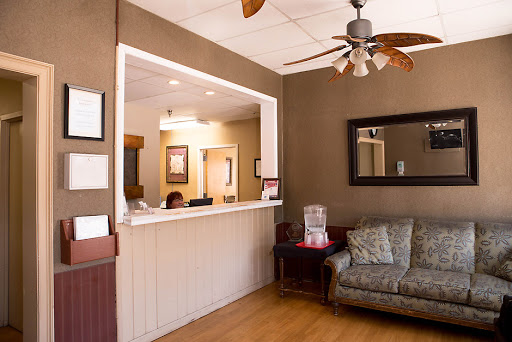
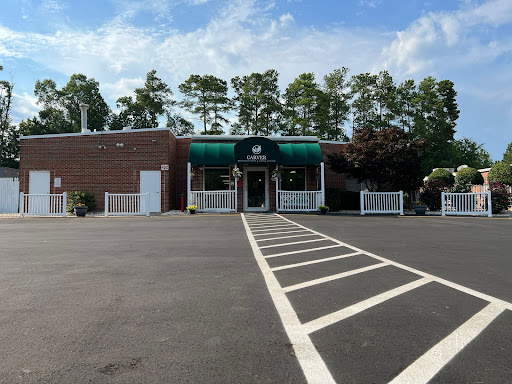
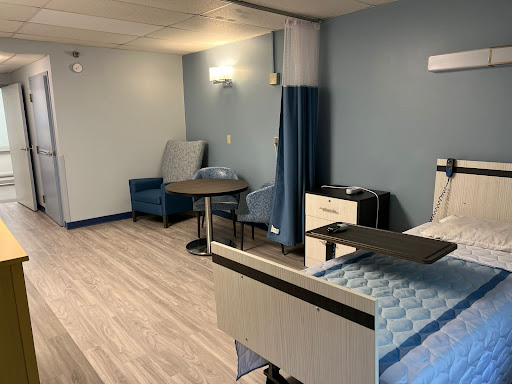
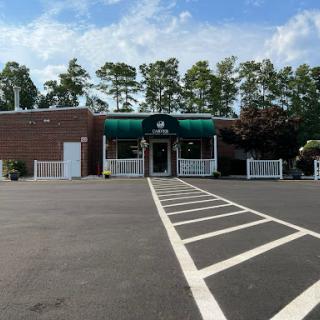
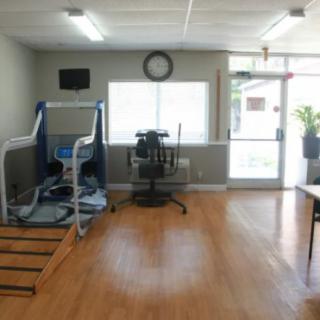
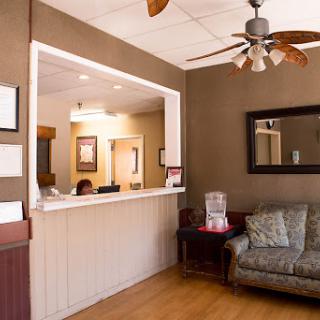
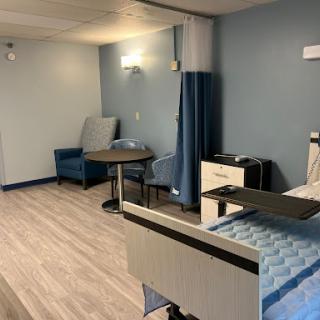
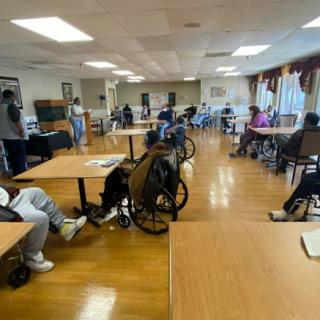
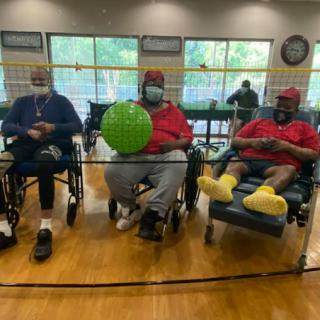
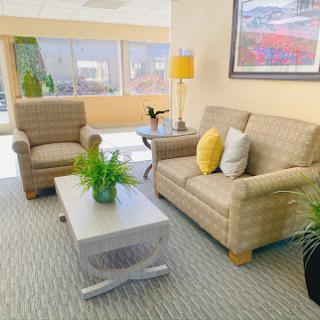
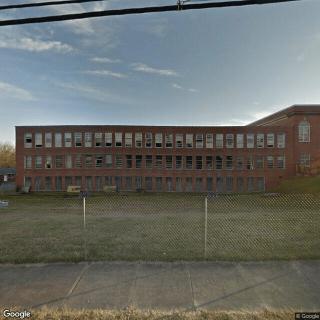
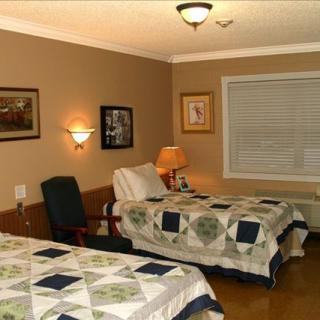
Carver Living Center on seniors.fyi includes 11 photos including images showing interior, dining, decor, building, trees, parking, recreation, windows, and more.
Nearby Communities
Brookdale Durham
Durham, NC
3.7 from 57 reviews
Beautiful, well-maintained facility with friendly staff and good dining.
Health Care Options of the Triangle, Inc
Durham, NC
2.9 from 57 reviews
Prompt, reliable caregivers and proactive guidance to external resources.
Concordia Transitional Care & Rehab-Rose Manor
Durham, NC
24/7 staff with comprehensive care and broad on-site amenities.
Rose Manor Healthcare Center
Durham, NC
3.3 from 8 reviews
$3,780 to $4,110 / month
Compassionate staff delivering attentive care and well-maintained grounds; private rooms offer comfortable spaces.
Central Family Care Home
Durham, NC
3.7 from 3 reviews
Small, intimate setting with personalized care.
Prestige Estates Assisted Living
Durham, NC
Cozy board-and-care with comprehensive daily living support and coordinated healthcare.
Pettigrew Rehabilitation Center
Durham, NC
3.4 from 81 reviews
24/7 care with ADL support, restaurant-style dining, and engaging activities.
Veranda at Whitted School
Durham, NC
4.1 from 15 reviews
$569 to $759 / month
Welcoming atmosphere with responsive maintenance.
Durham Ridge Assisted Living
Durham, NC
2.3 from 43 reviews
$1,800 to $2,500 / month
Caring, well-run staff with engaging activities and events.
The guide outlines the rising costs of 24/7 in-home care, ranging from $10,000 to over $20,000 monthly, driven by factors such as location and caregiver qualifications. It discusses the limited coverage by Medicare and private insurance, potential Medicaid support, and the emotional and living condition considerations influencing families' decisions on care arrangements.
Home health nursing is an expanding field where licensed professionals provide specialized medical care in patients' homes, addressing the needs of an aging population through personalized services like assessments and medication management. Effective collaboration with healthcare teams, cultural sensitivity, and quality assurance measures are essential for fostering trust and ensuring positive patient outcomes.
Medicare covers in-home health care services, which are medical and provided by licensed professionals under a physician's supervision, whereas non-medical personal assistance is generally not covered unless part of a broader skilled care plan. Eligibility for benefits depends on being homebound and needing intermittent skilled services from a Medicare-certified agency, with specific coverage limitations and additional resources available for navigating options.
Exercise Equipment, Gym, Treadmill, and Fitness Room
Healthcare
Office and Reception Area
Rehabilitation
Recreation
Get PricingAsk A QuestionSchedule A TourContact Senior Advisor
By clicking submit, you agree to our Partner's Terms of Use. You
also consent to receive calls and texts, which may be autodialed, from our Partner. Your consent is not a condition to
using our Partner's service. Please visit our Partner's Privacy Policy for information about their privacy practices.






 232 resident community capacity
 Skilled Nursing Facility
 Air-conditioning
 Beauty salon
 Cable or satellite TV
 Computer center
 Dining room
 Fitness room
 Fully furnished
 Gaming room
 Garden
 Housekeeping services
 Kitchenette
 Move-in coordination
 Outdoor space
 Private bathrooms
 Restaurant-style dining
 Small library
 Telephone
 Wellness center
 Wi-Fi/high-speed internet available
 Raleigh-Durham International (13 miles away)
 Community operated transportation
 12-16 hour nursing
 24-hour call system
 Activities of daily living assistance
 Assistance with bathing
 Assistance with dressing
 Assistance with transfers
 Diabetes diet
 Medication management
 Mental wellness program
 Special dietary restrictions
 Concierge services
 Planned day trips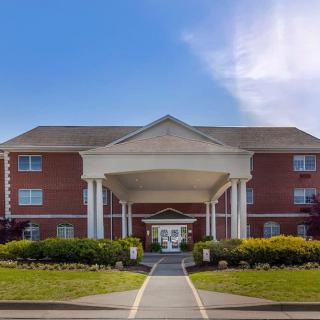
 Beautiful, well-maintained facility with friendly staff and good dining.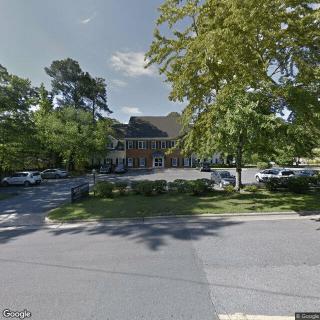



 Understanding the Full Cost of 24/7 In-Home Care: A Detailed Overview
 Exploring the World of Home Health Nurses: Qualifications, Roles, and Hiring Tips
 Navigating Medicare Coverage for In-Home Care Services