For more information about senior living options: (866) 208-4318
4.4 from 87 reviews
5 stars
63
4 stars
12
3 stars
4
2 stars
1
1 stars
7
Preston House Costs & Pricing
Preston House offers studio accommodations at a monthly rate of $5,950, which significantly surpasses both the Mecklenburg County average of $3,941 and the broader North Carolina state average of $4,020. This pricing reflects the premium services and amenities that Preston House provides, catering to residents seeking an elevated living experience. While the costs may be higher than local and state benchmarks, many potential residents may find value in the distinctive environment and personalized care offered within its walls. Ultimately, those considering a residence at Preston House should weigh these costs against the unique benefits it presents compared to other options in the region.
Floor plans
Preston House
Mecklenburg County
North Carolina
Studio
$5,950
$3,941
$4,020
Memory care communities with a similar price nearby
Residents and families repeatedly describe a clean, secure setting that feels safe.
Many reviewers mention that the community stays clean and that residents appear well cared for and comfortable. Multiple comments also tie the facility’s safety to the memory-care design, including layouts that keep residents visible to staff and secure outdoor areas. A few reviews contrast that with concerns about staffing levels or care coverage, but the cleanliness-and-safety theme is still a frequent positive across experiences.
common26 reviews mention this
Caring staff and hands-on help
Staff are widely described as welcoming, attentive, and willing to help with daily needs.
Reviews frequently highlight staff interactions as compassionate and proactive, including help with routines, communication with families, and responsiveness when questions come up. Several reviewers specifically praise staff at multiple roles—from aides and med techs to nursing and administration—when describing day-to-day confidence in care. A small number of negative reviews mention problems like insufficient staffing or missed assistance when family members weren’t present, which is raised as a concern rather than a universal experience.
differentiator17 reviews mention this
Designed for Alzheimer’s and dementia
The community is focused on memory care, which reviewers say supports safety and engagement.
Reviewers repeatedly describe Preston House as a dedicated memory-care setting, often noting that the facility’s layout and approach feel suited to Alzheimer’s and similar needs. Some reviewers say later-stage needs are handled in ways that mattered to their family when choosing a placement. While most comments align with a dementia-focused focus, a few reviews raise concerns about social engagement and follow-through on planned activities.
caveat6 reviews mention this
Activities and social engagement
Some residents seem to get limited engagement with planned activities.
Several reviewers say there are scheduled activities and an activity calendar, and some mention specific events and efforts to get residents outside or involved. Other comments are less positive, describing limited follow-through on the activity plan or residents spending more time watching TV than participating. Overall, engagement is viewed as helpful by some families but inconsistent enough for others to call out as an area to improve.
caveat8 reviews mention this
Dining is good, but consistency varies
Dining reviews are mixed, with some families praising meals and others questioning quality or details.
A number of reviewers describe the meals as appropriate and even enjoyable, and some mention routine snacks during the day. Others criticize dining for issues like food quality or lack of posted menus, and one review specifically questions how meals are handled in relation to individual needs. While restaurant-style dining and meal options are part of what the community offers, resident feedback shows that day-to-day dining experience isn’t uniform.
caveat3 reviews mention this
Higher pricing is a recurring concern
Several reviewers call out pricing and staffing as not matching expectations.
The published studio pricing is notably above both county and state benchmarks, and that aligns with comments from a few reviewers who feel the overall value doesn’t match what they expected. In the same set of concerns, some families also mention staffing shortages or unmet promises about care details. Other reviewers, however, describe strong care and daily support, so the cost/value critique isn’t universal.
How we summarize
Counts show how many written reviews mention each theme; a review can touch several themes, and only frequently mentioned themes are displayed.
Features
Housing
40 resident community capacity
Types of Care
Memory Care
Amenities
Activities on-site
Air-conditioning
Beautician on-site
Beauty salon
Cable or satellite TV
Devotional services on-site
Dining room
Fully furnished
Garden
Ground floor units
Housekeeping services
Indoor common areas
Kitchenette
Move-in coordination
Outdoor common areas
Outdoor space
Respite or short term stays offered
Restaurant-style dining
Small library
Telephone
Wi-Fi/high-speed internet available
Transportation
Charlotte Douglas International (11 miles away)
Care Services
24-hour call system
24-hour supervision
Activities of daily living assistance
Ambulatory care
Assistance with bathing
Assistance with dressing
Assistance with transfers
Diabetes diet
Diabetic care
Incontinence care
Meal preparation and service
Medication management
Mental wellness program
Mild cognitive impairment
Special dietary restrictions
Specialized memory care programming
Dining
Diabetes diet
Low / no sodium
Meals provided
No Sugar
Special dietary restrictions
Activities
Activities on-site
BBQs or picnics
Birthday parties
Community-sponsored activities
Devotional activities on-site
Holiday parties
Light therapy programs
Live dance or theater performances
Live musical performances
Reminiscence programs
Resident-run activities
Scheduled daily activities
Videos
Nearby Places of Interest
This area of Charlotte, North Carolina offers a mix of amenities that may be appealing for seniors looking to relocate. There are several cafes nearby, including popular chains like Starbucks and Panera Bread, as well as local options like Smelly Cat Cof and Hex Coffee. In terms of dining options, there is a variety of choices such as fast food restaurants like Chick-Fil-A and Burger King, as well as casual dining spots like Hickory Tavern and Armored Cow Brewing. The area also has convenient access to pharmacies, parks for outdoor activities, transportation options like the LYNX stations, and healthcare facilities such as Novant Health Huntersville Medical Center. Additionally, there are places of worship available for spiritual support within close proximity. Overall, this part of Charlotte offers a range of services that cater to the needs of seniors looking for a comfortable and convenient living environment.
Cafes
Starbucks (0.3 miles)
Panera Bread (2.5 miles)
Starbucks (4.3 miles)
Smelly Cat Cof (6.2 miles)
Hex Coffee (6.3 miles)
Villanis Bakery (8.3 miles)
Starbucks (9 miles)
Restaurants
Hickory Tavern (1.7 miles)
McDonald's (2.5 miles)
Chick-Fil-A (2.6 miles)
Chick-Fil-A (3 miles)
Armored Cow Brewing (3.8 miles)
Burger King (4.2 miles)
Zaxby's (4.3 miles)
Physicians
Charlotte Sports Medicine Institute PA (1.9 miles)
University Eye Associates (2.5 miles)
University Family Physicians (2.9 miles)
Novant Health Lakeside Family (3.6 miles)
Carolina Asthma & Allergy (4.1 miles)
Greater Carolinas Womens Center PA (4.3 miles)
Orthocarolina (4.6 miles)
Theaters
AMC Northlake 14 (2.4 miles)
AMC Concord Mills 24 (5.4 miles)
Pharmacies
CVS Pharmacy (2.6 miles)
Walgreens (2.7 miles)
Walgreens (3.6 miles)
CVS Pharmacy (4.1 miles)
Walgreens (4.3 miles)
Walgreens (5.5 miles)
CVS Pharmacy (5.6 miles)
Parks
Richard Barry Park (4.2 miles)
Fourth Ward Park (7.5 miles)
Overlook Neighborhood (7.6 miles)
First Ward Park (7.7 miles)
Romare Bearden Park (7.9 miles)
Blythe Landing Park (8.5 miles)
Little Sugar Creek Greenway (8.5 miles)
Transportation
LYNX University City Boulevard Station (4.5 miles)
LYNX UNC Charlotte - Main Station (4.8 miles)
Sugar Creek Station (6 miles)
Concord Regional Airport (JQF) (USA) (6.7 miles)
Hospitals
Novant Health Huntersville Medical Center (5.5 miles)
Places of Worship
First Baptist Of Charlotte: Family Life Center (8.2 miles)
Preston House offers studio accommodations at a monthly rate of $5,950, which significantly surpasses both the Mecklenburg County average of $3,941 and the broader North Carolina state average of $4,020. This pricing reflects the premium services and amenities that Preston House provides, catering to residents seeking an elevated living experience. While the costs may be higher than local and state benchmarks, many potential residents may find value in the distinctive environment and personalized care offered within its walls. Ultimately, those considering a residence at Preston House should weigh these costs against the unique benefits it presents compared to other options in the region.
Preston House's 24-hour supervision ensures residents receive constant support, which is vital for their safety and well-being, especially as dementia progresses. Assistance with activities of daily living such as bathing, dressing, and transfers helps maintain personal dignity while promoting independence within a safe framework. Incontinence care further aids in ensuring comfort and privacy, alleviating potential distress that could arise from accidents. Meal preparation and service guarantee that dietary needs are met with nutritional considerations taken into account, catering to any specific challenges faced by those with cognitive impairments. Medication management minimizes the risk of errors in dosing or schedule adherence, which is crucial for health stability. Additionally, a mental wellness program addresses the emotional and psychological needs of residents, fostering engagement and encouraging social interaction. Mild cognitive impairment support along with specialized memory care programming targets unique cognitive challenges through tailored activities that stimulate memory retention and enhance quality of life. Together, these features create a compassionate environment conducive to effective memory care for individuals at various stages of dementia or Alzheimer's disease.
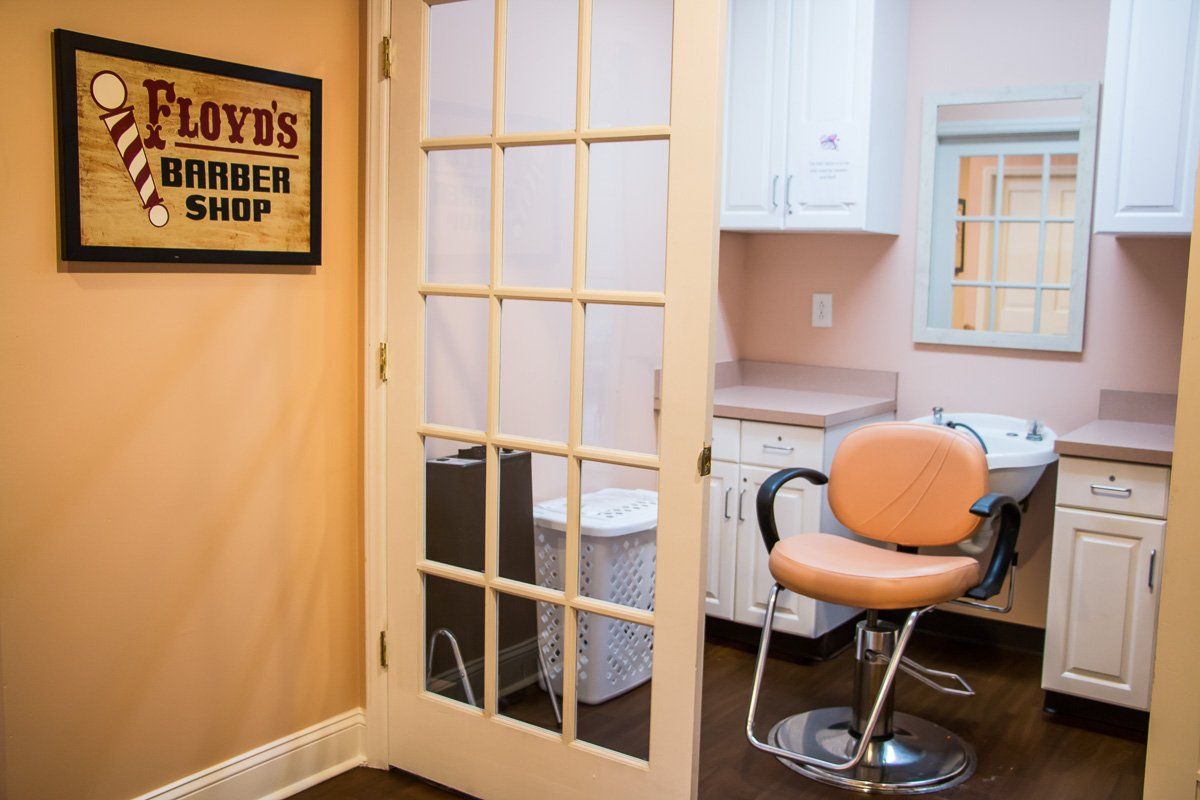
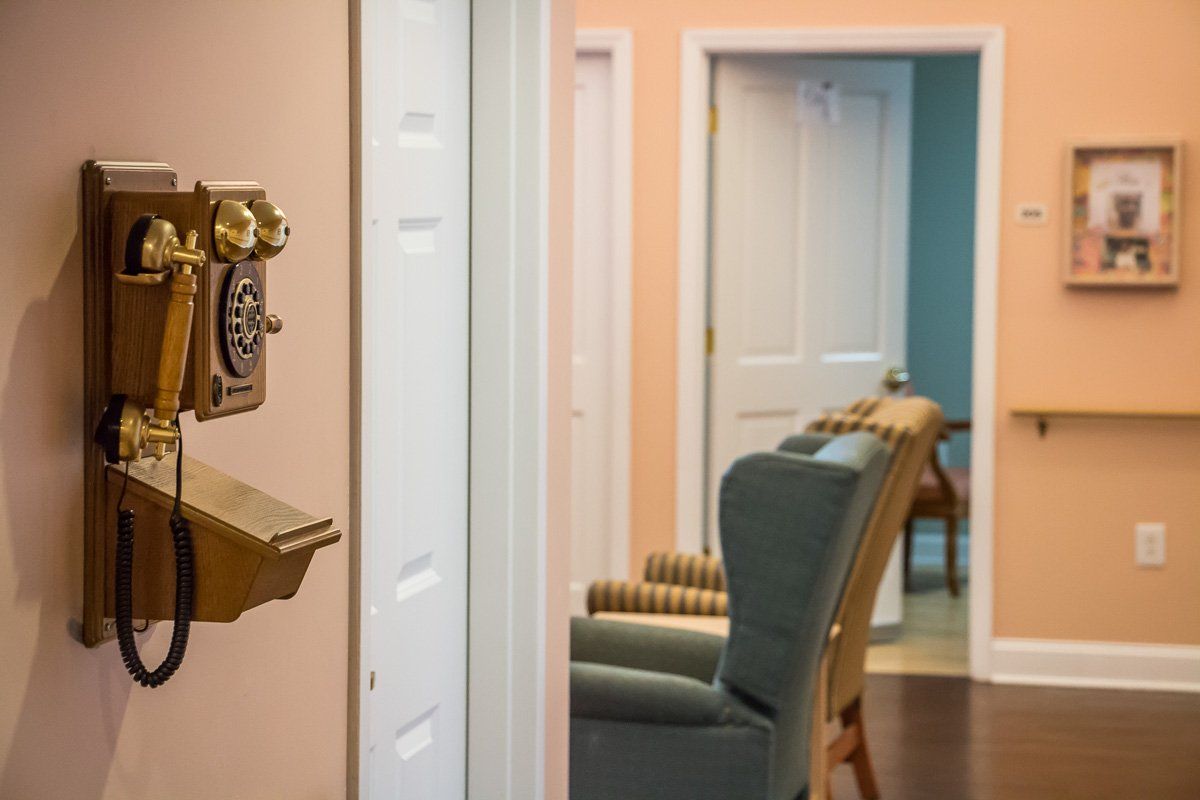
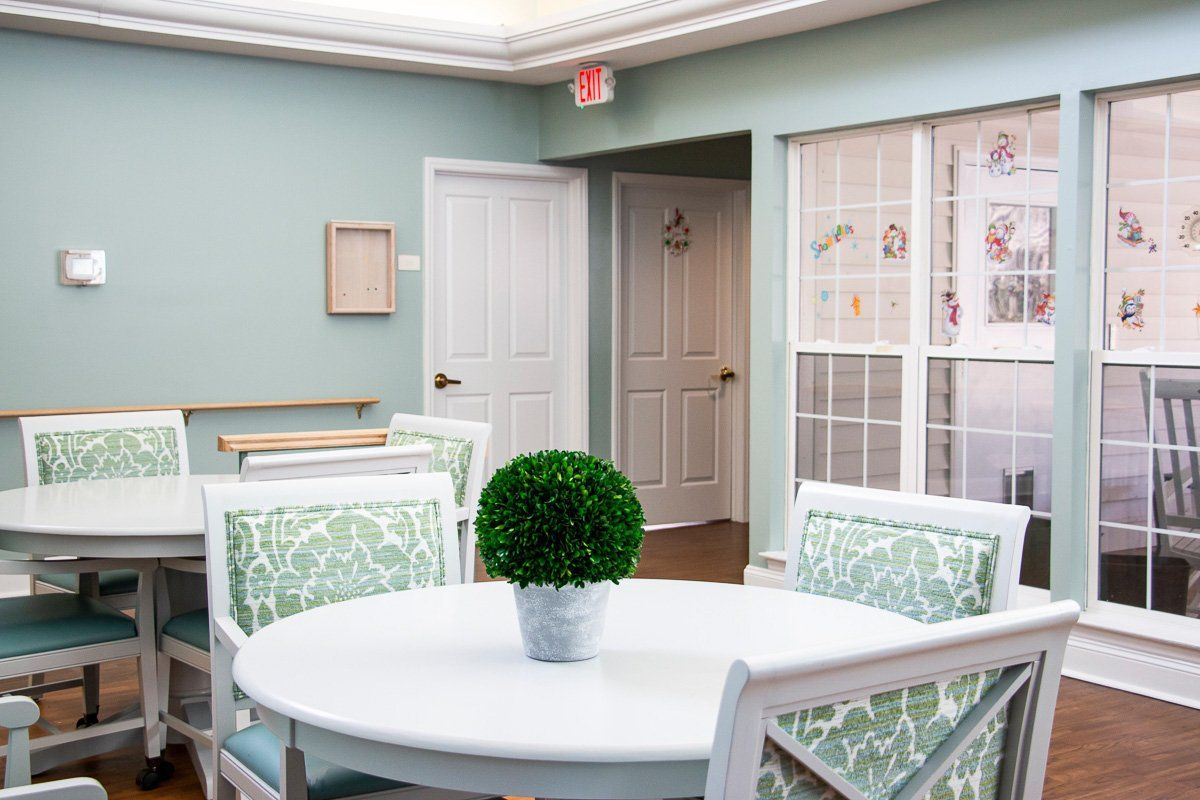
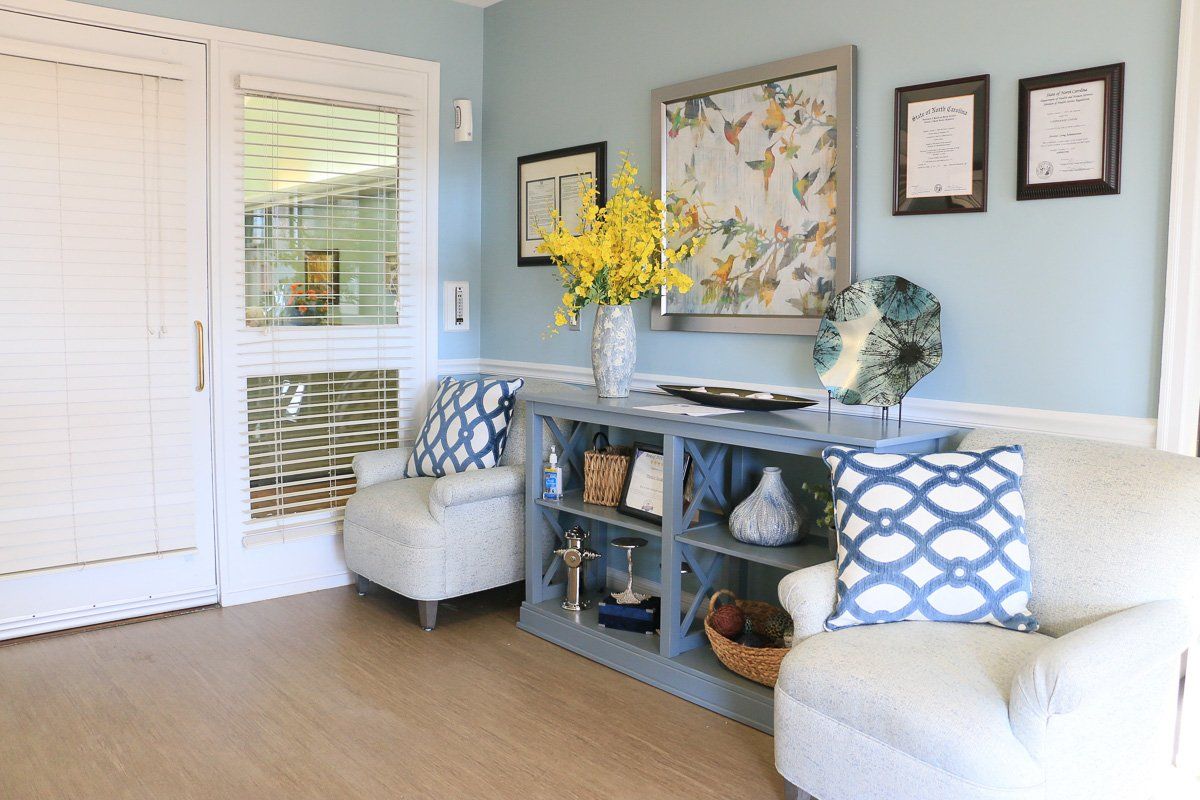
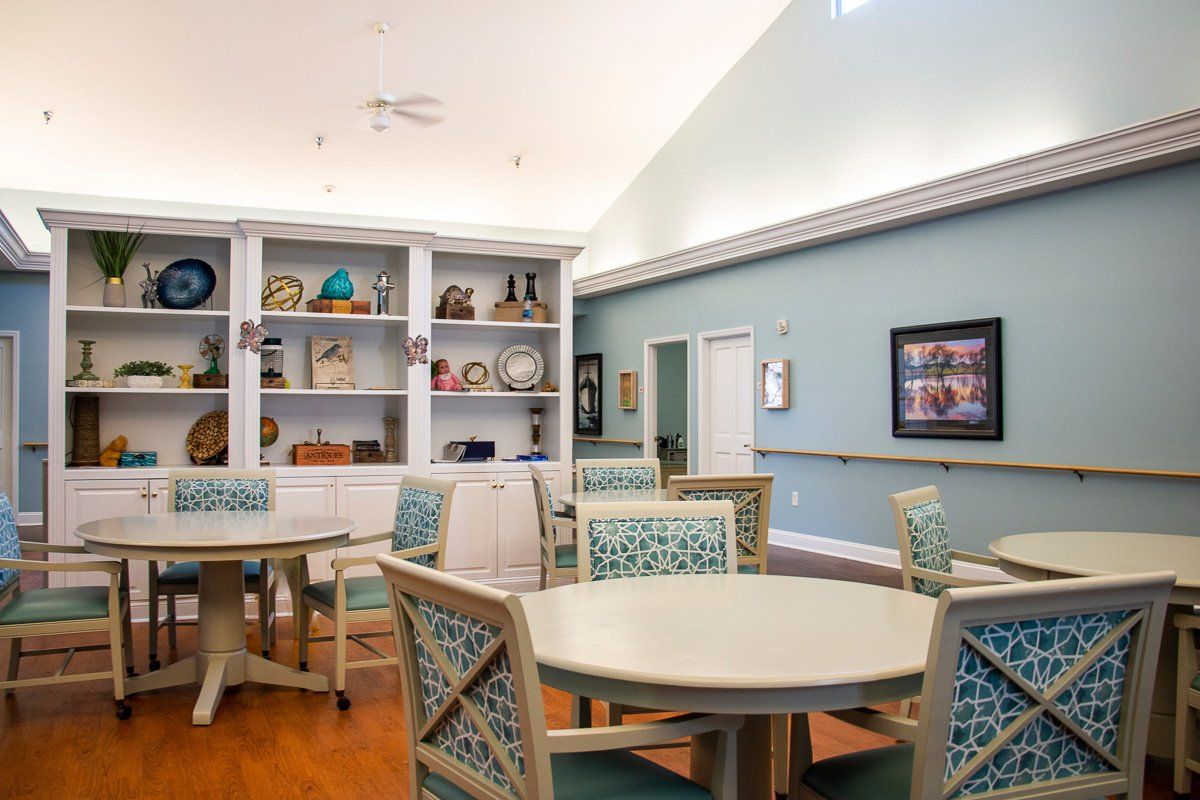
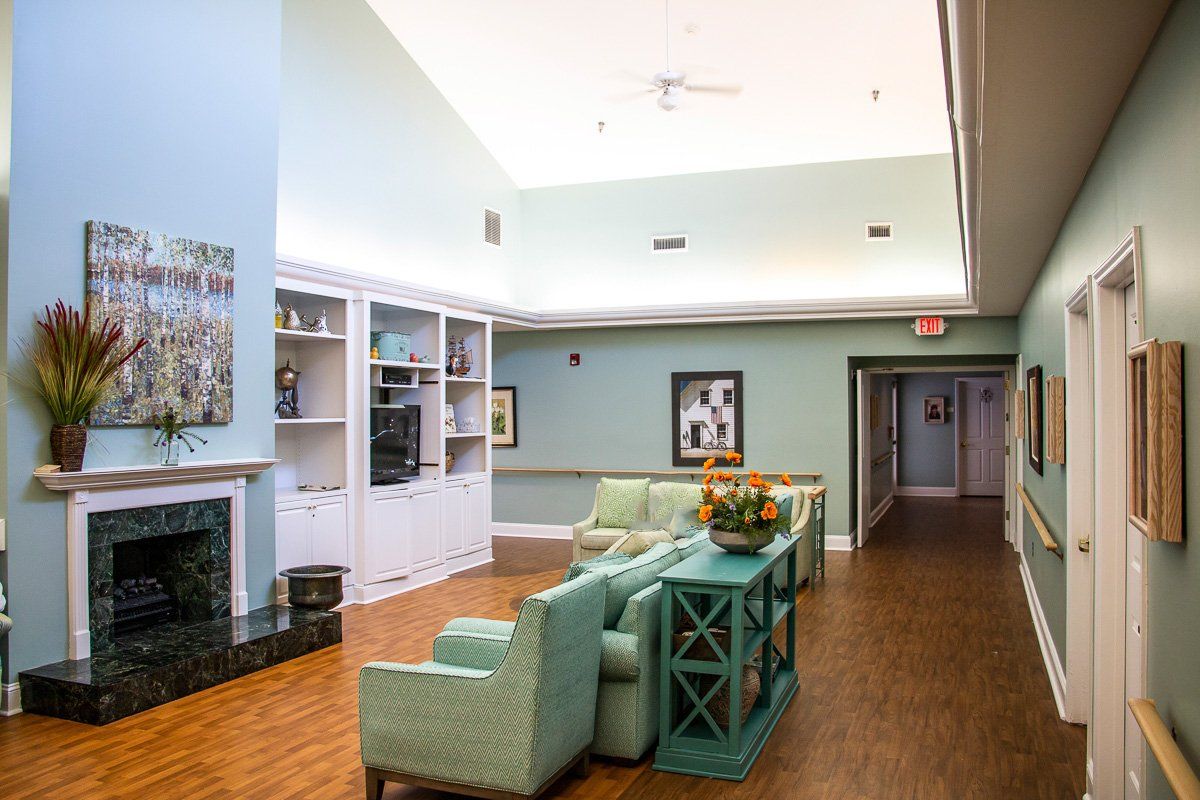
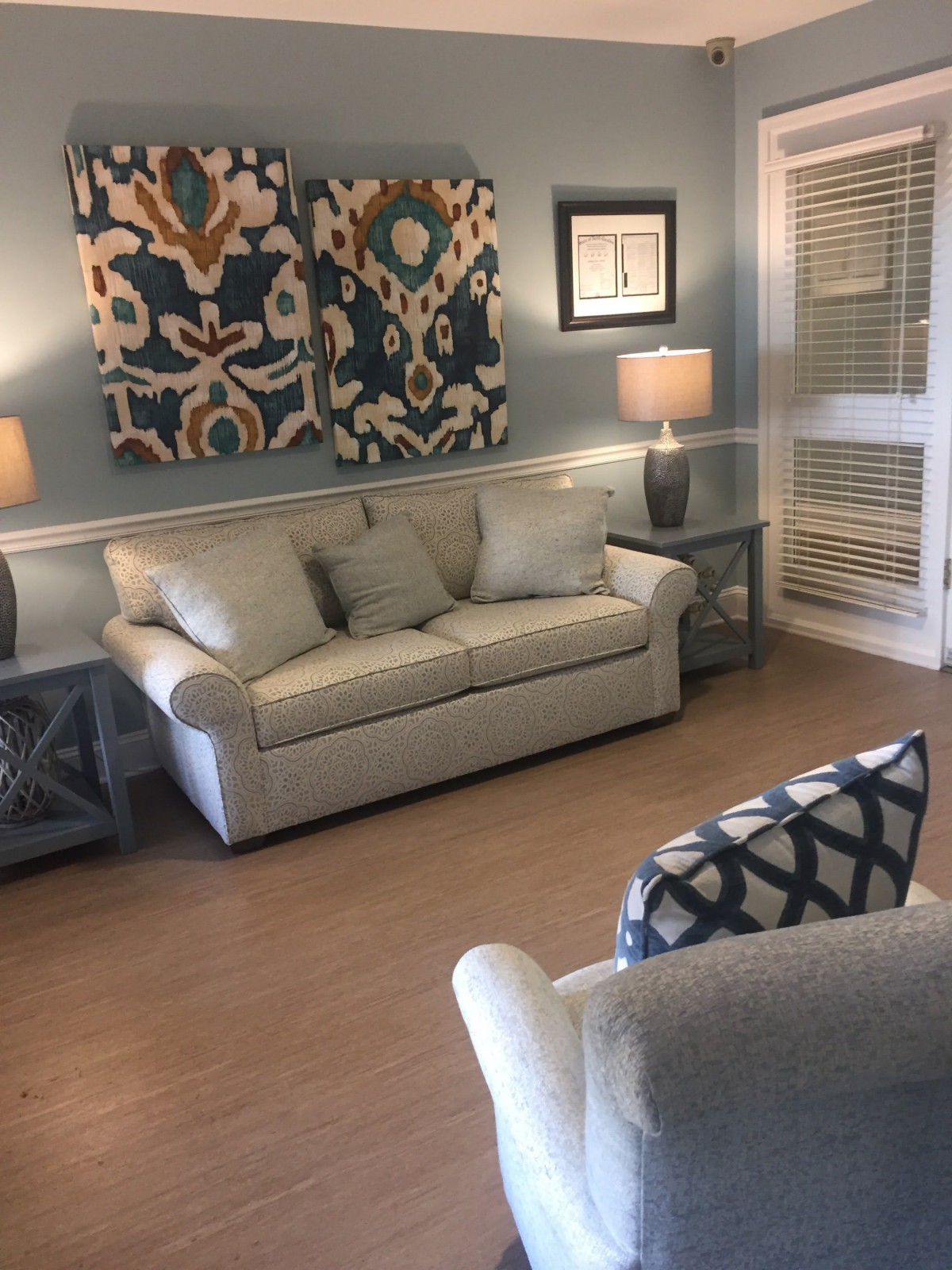
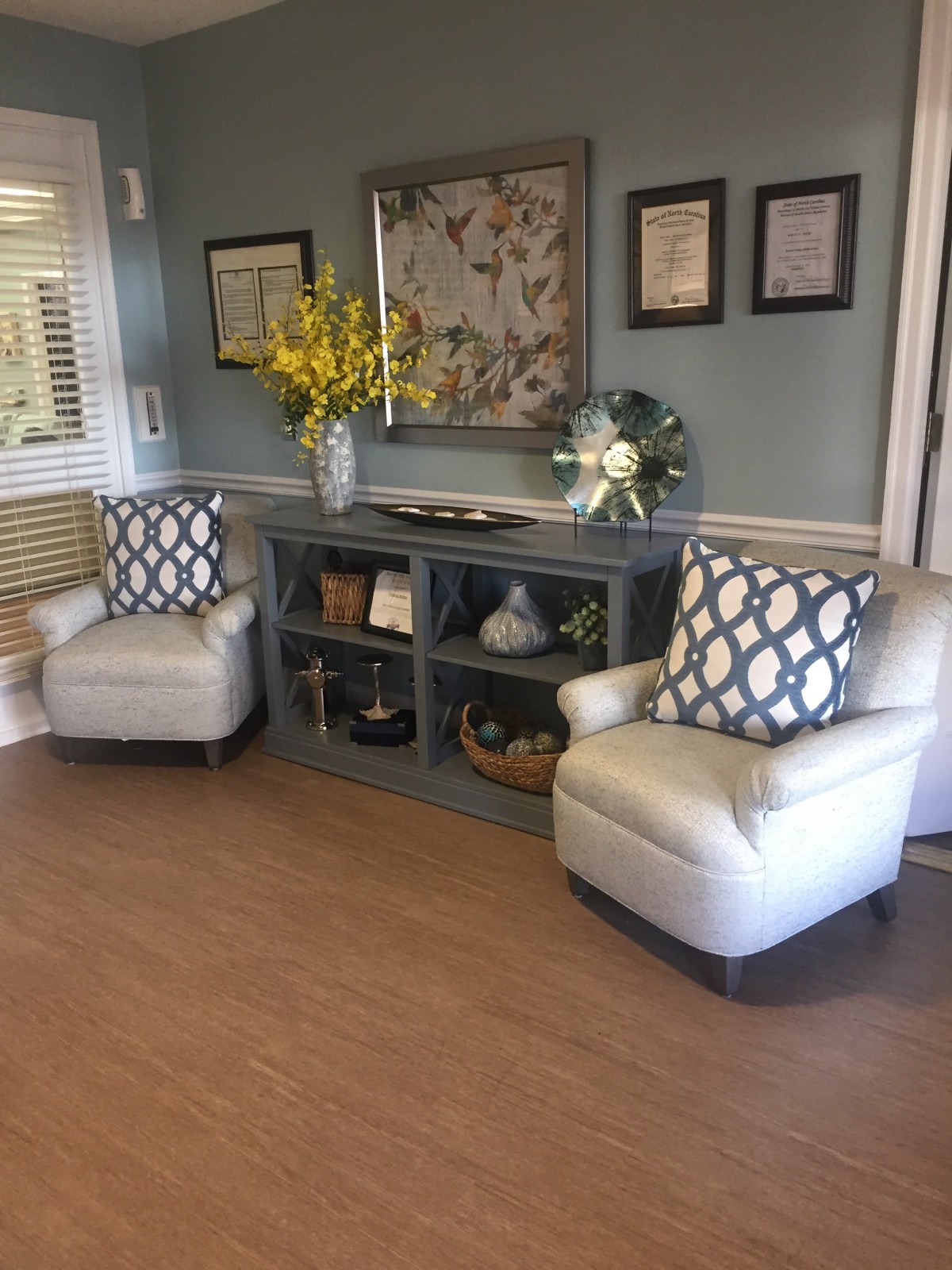
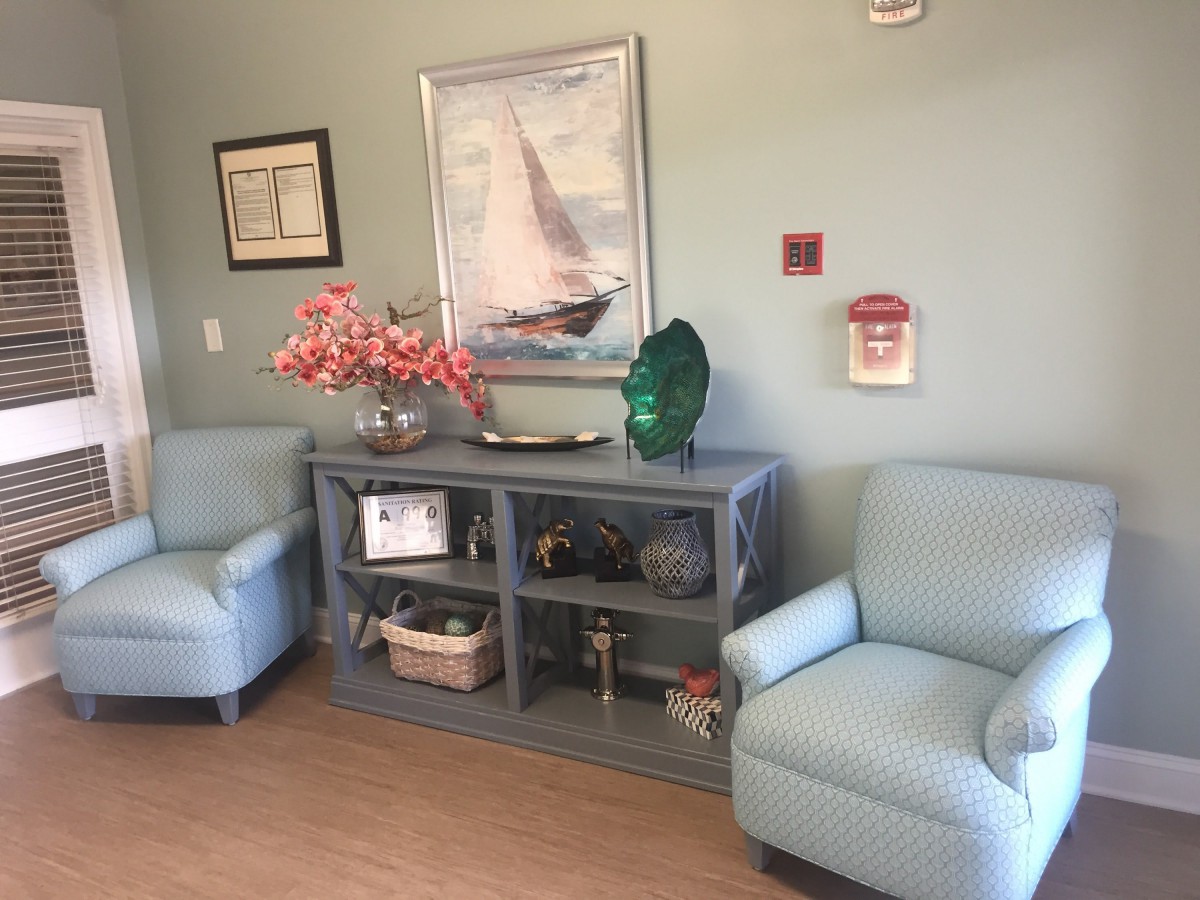
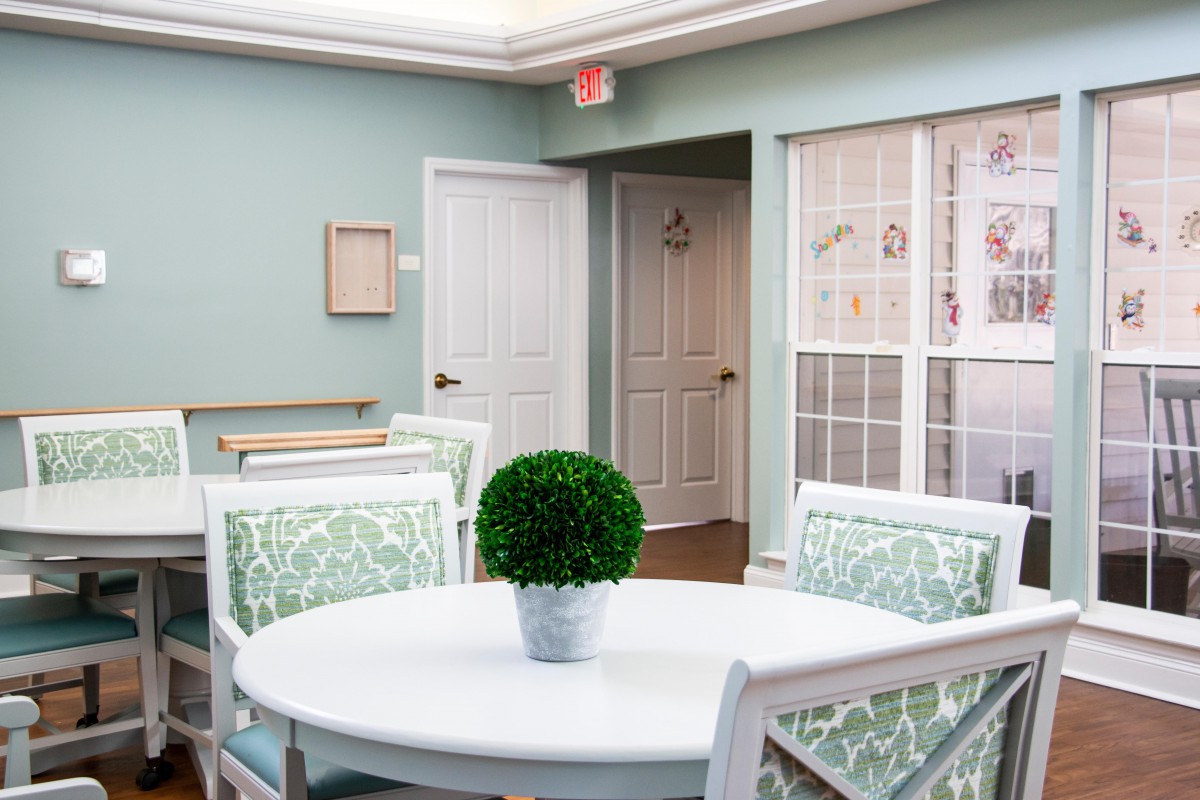
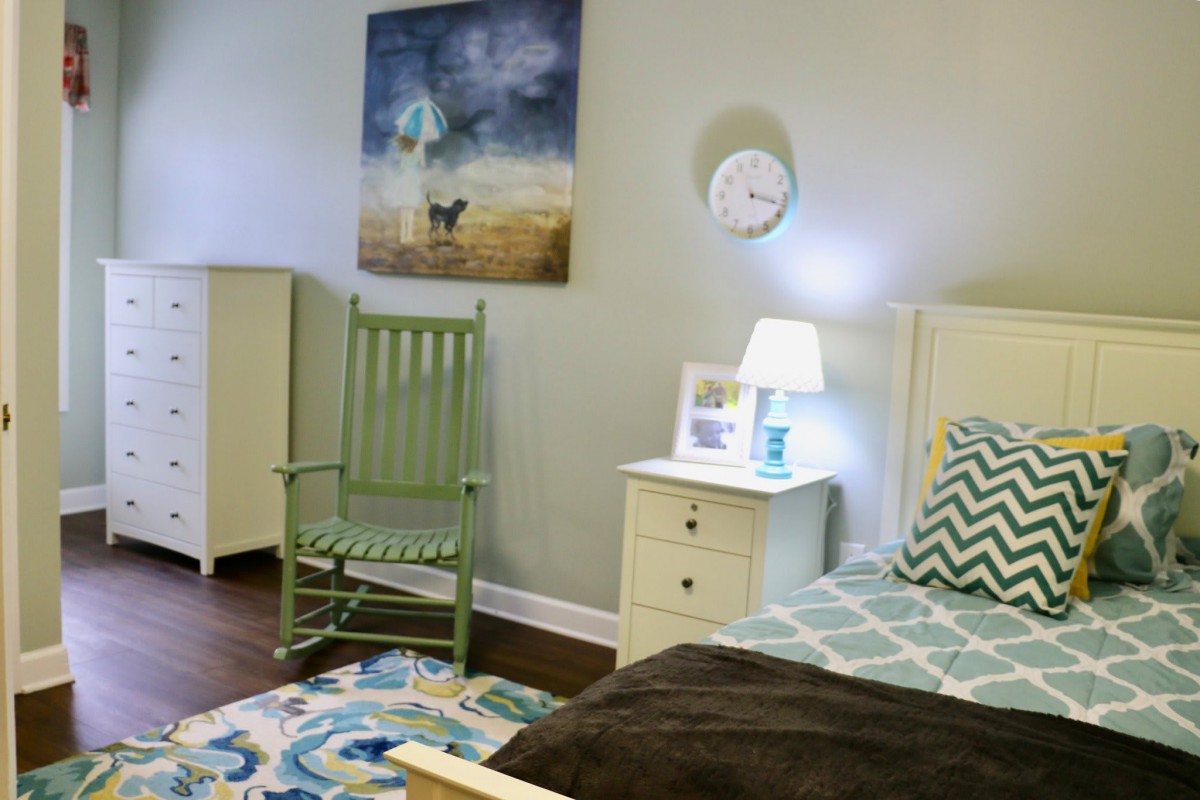
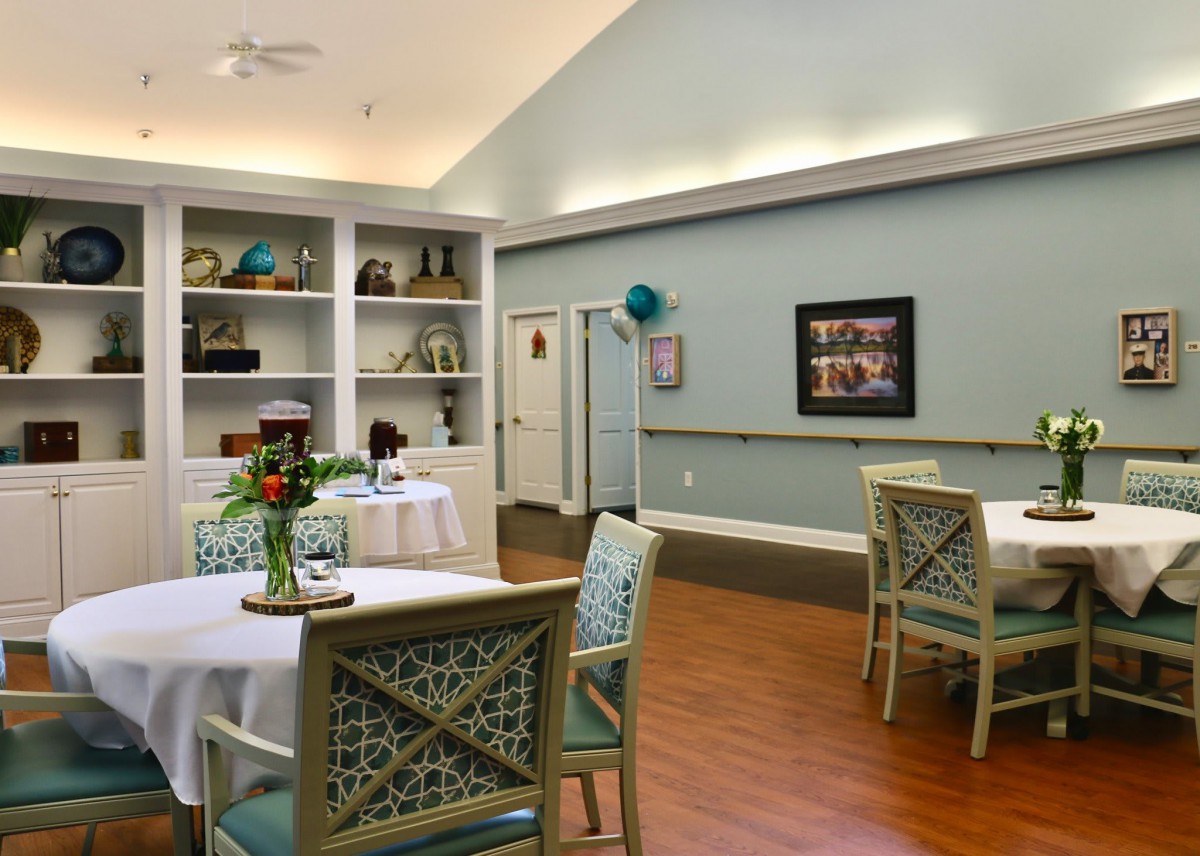
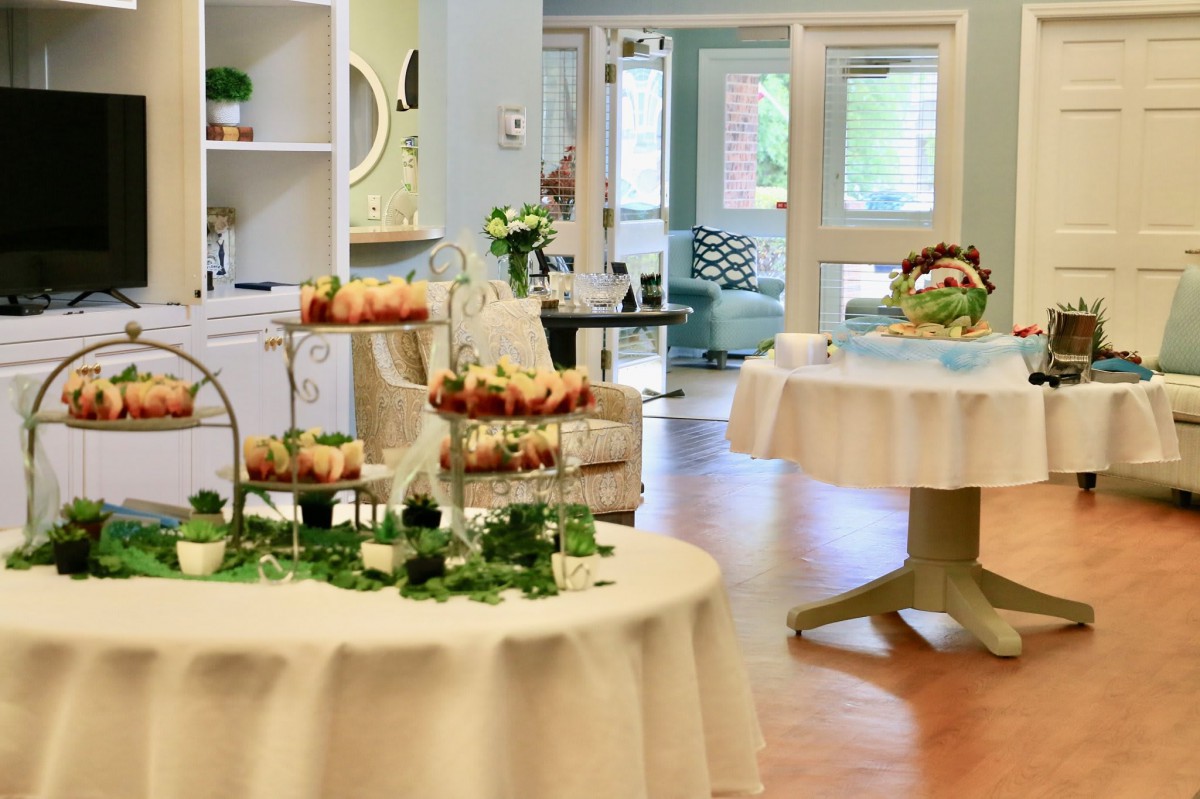
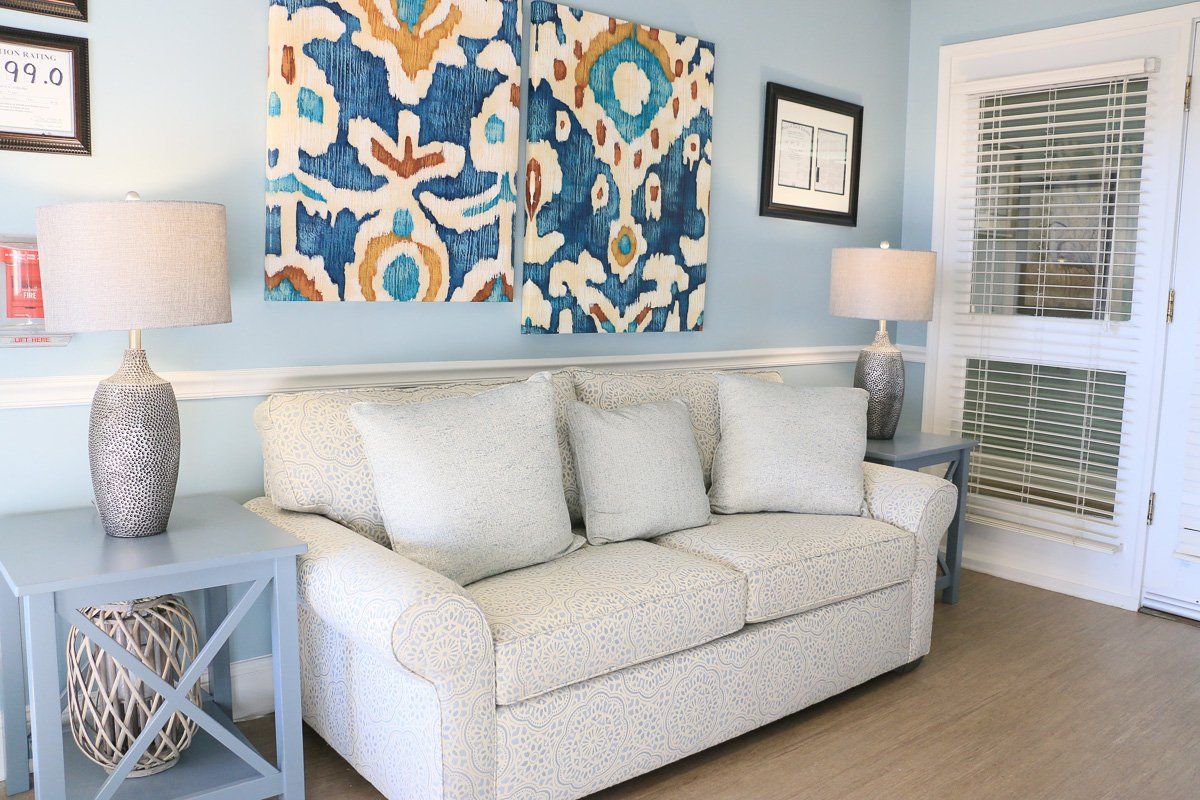
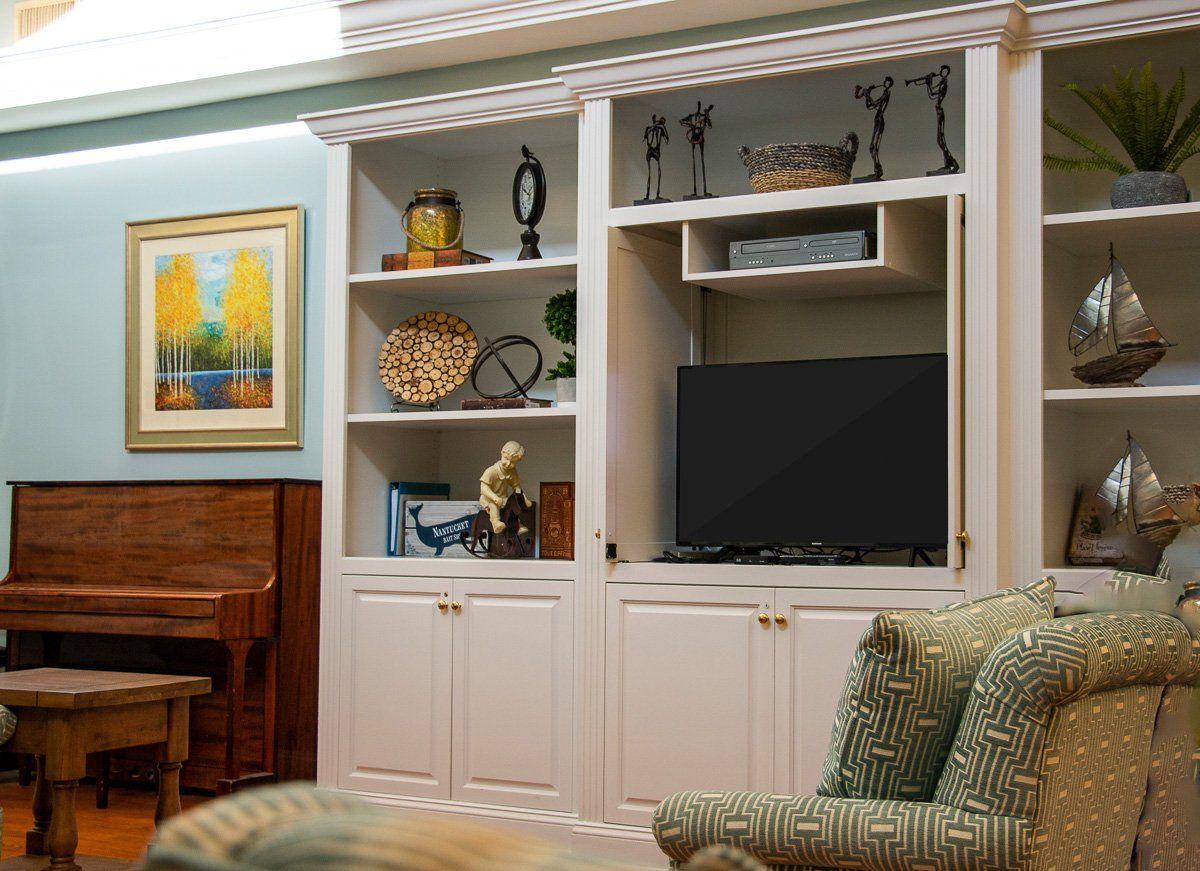
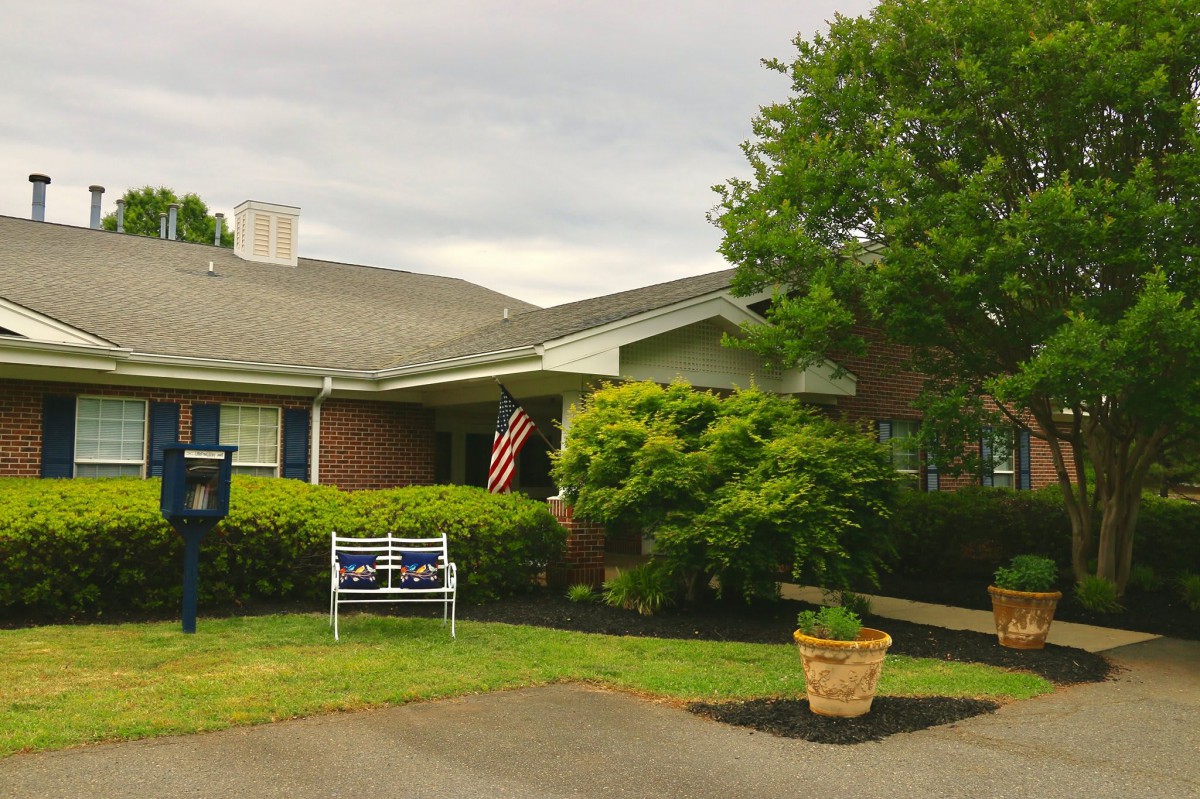
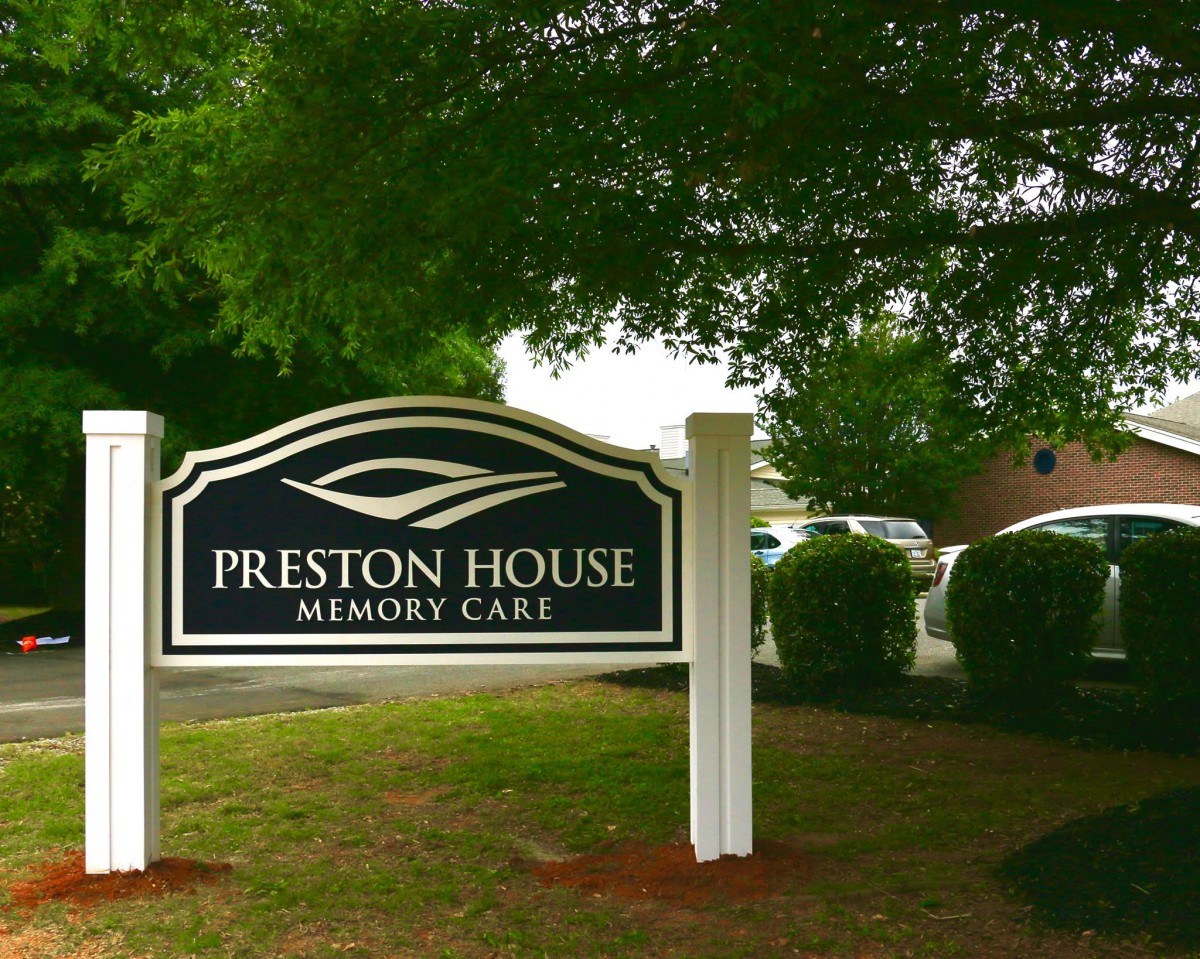
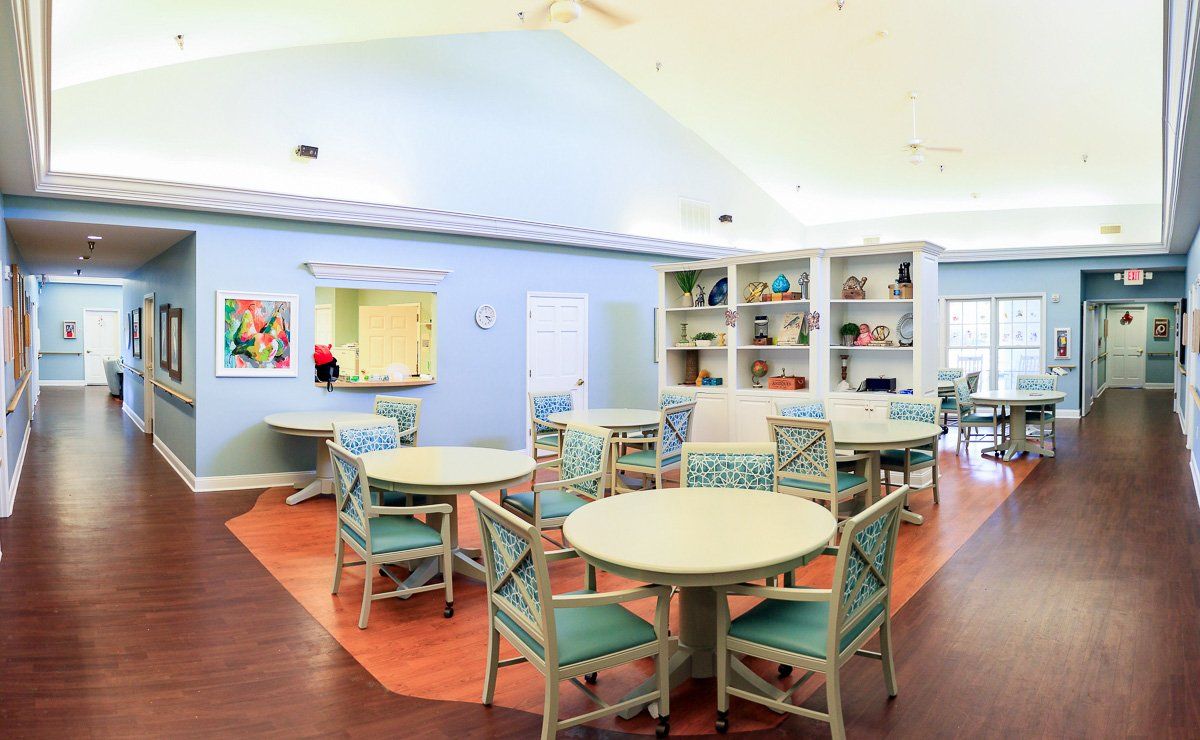
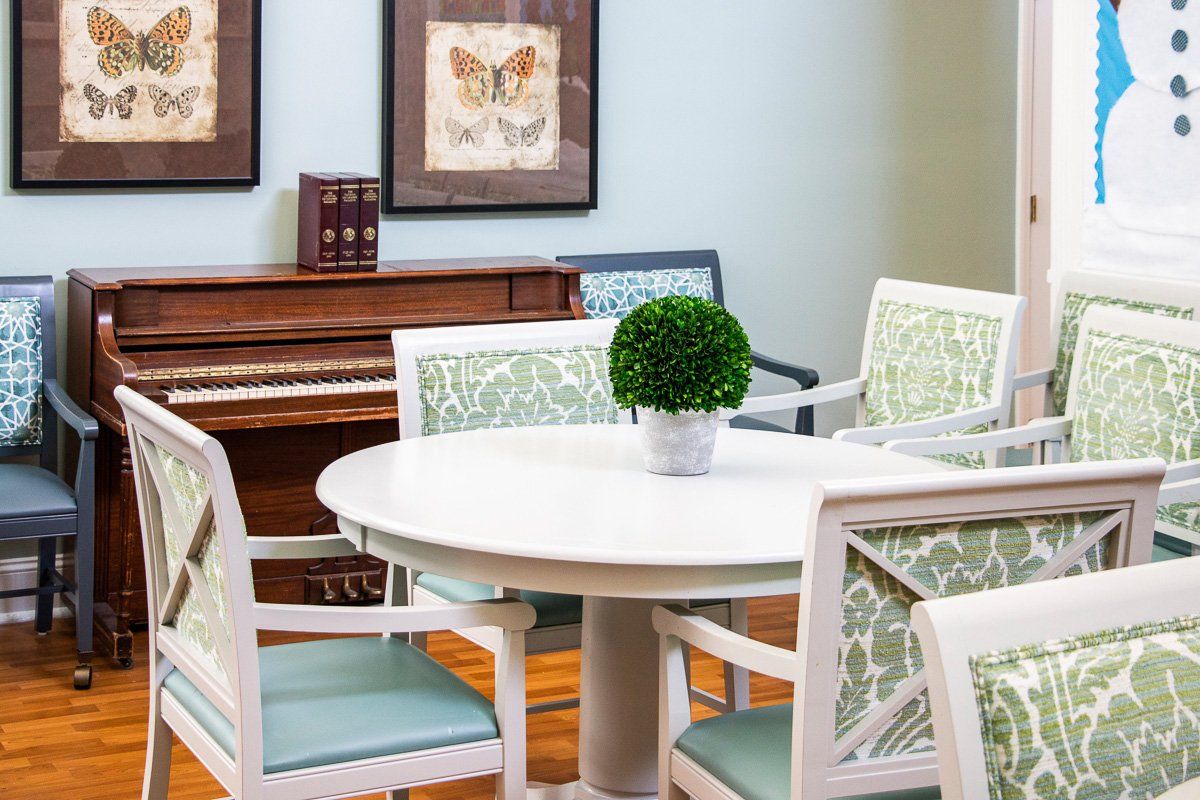
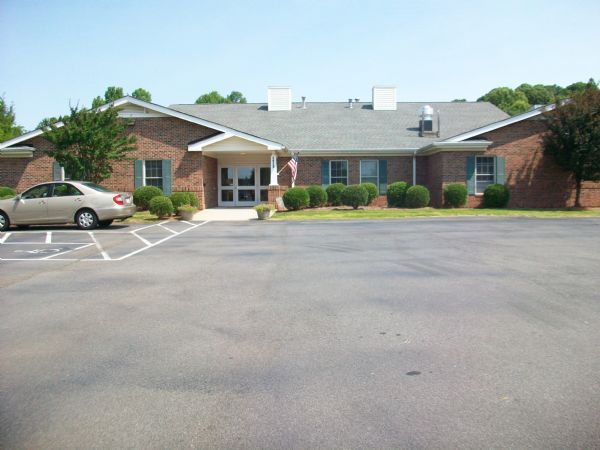
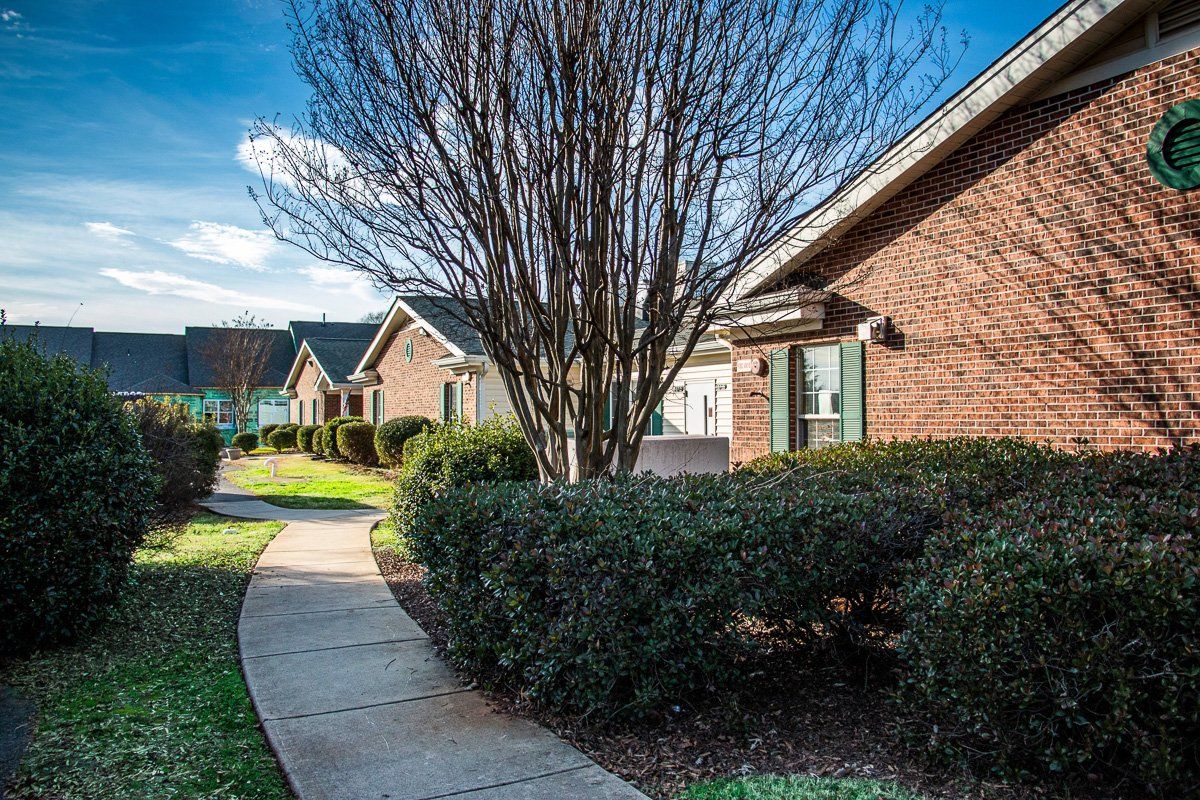
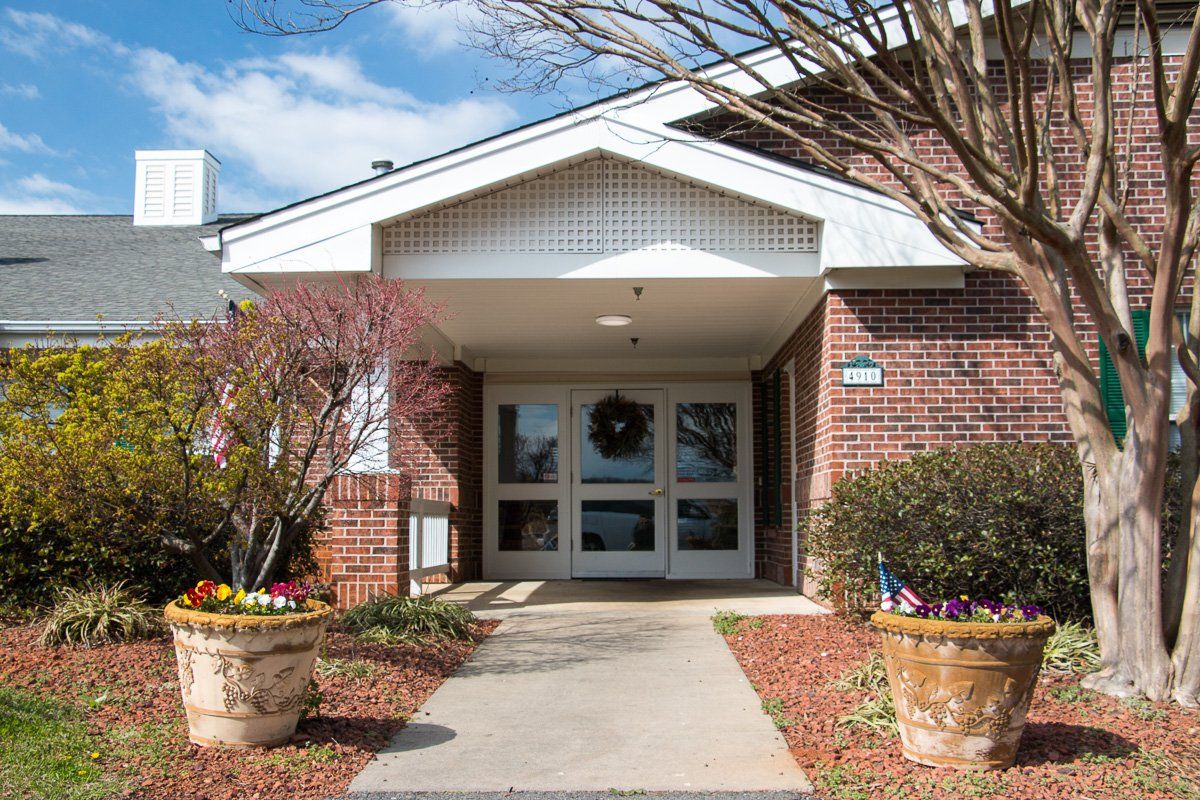
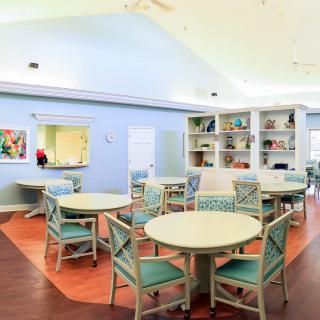
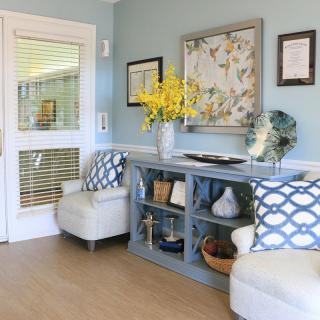
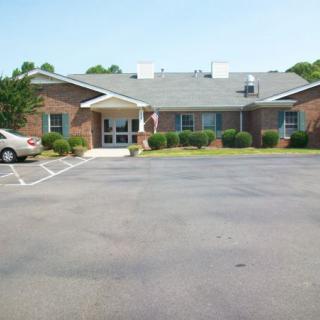
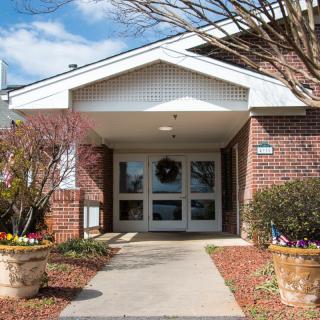
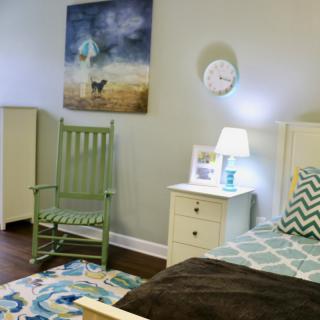
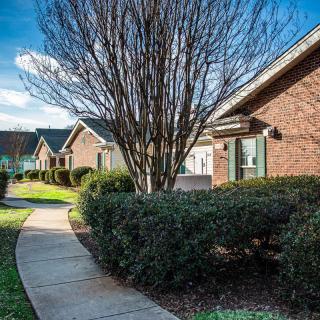
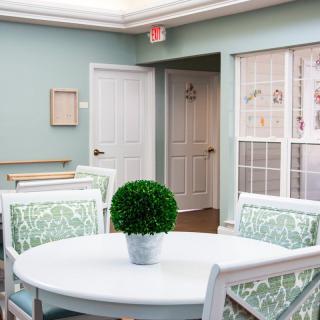
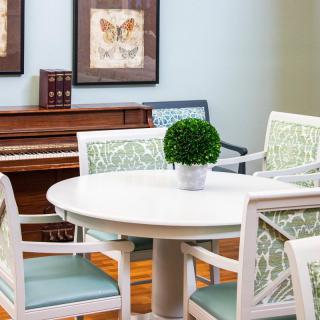
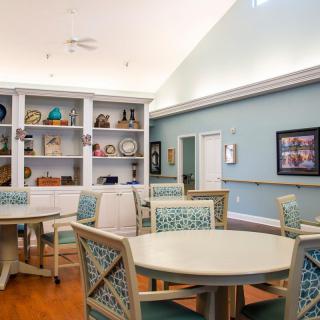
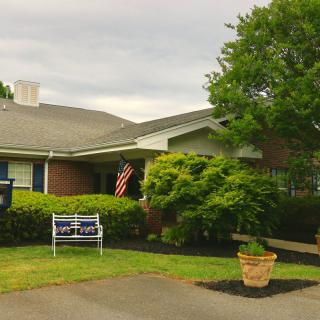
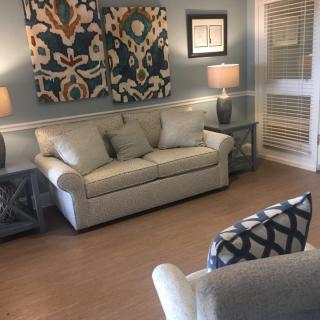
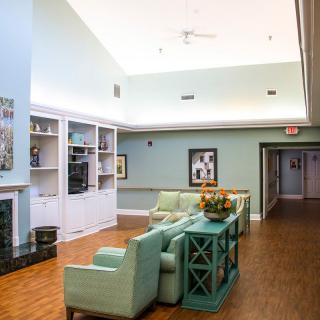
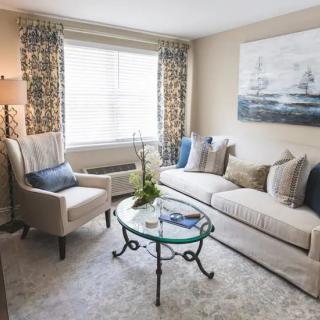
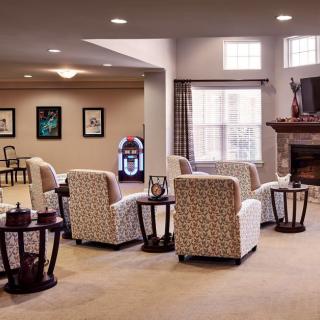
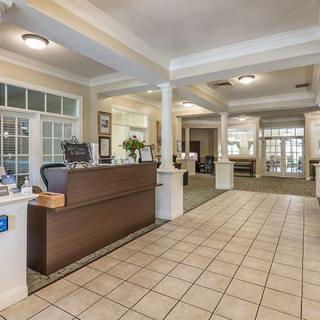
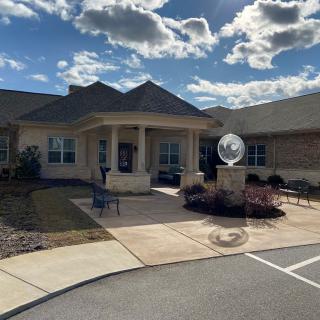
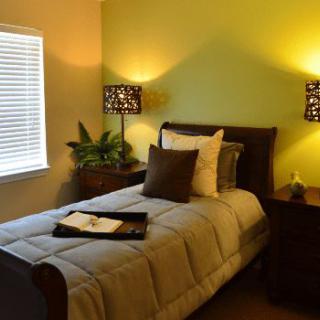
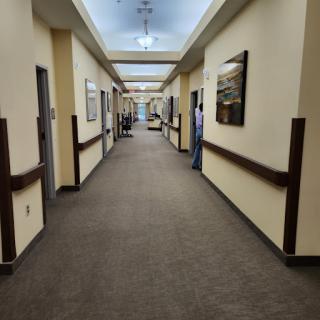
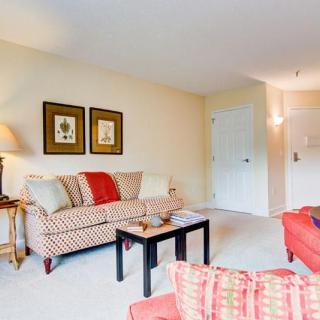
Preston House on seniors.fyi includes 24 photos including images showing interior, decor, dining, living room, artwork, building, entrance, seating area, and more.
Nearby Communities
Preston House I, LLC
Charlotte, NC
4.6 from 37 reviews
$4,500 / month
Memory care services with convenient nearby amenities.
The Hubbard House
Charlotte, NC
$3,000 to $3,500 / month
Competitive pricing with private rooms, diverse care services, and on-site activities.
The House of Peace
Charlotte, NC
5 from 5 reviews
$3,750 / month
Affordable private rooms with on-site care and activities.
Brookdale Home Health
Charlotte, NC
3 from 6 reviews
Convenient location with nearby dining, parks, healthcare, and entertainment.
Epic Health Services
Charlotte, NC
Memory care with diabetes-focused support in a community-oriented setting.
Shads Landing
Charlotte, NC
4.1 from 123 reviews
$2,495 to $3,825 / month
Friendly, attentive staff; active social programs and good dining.
The Haven in Highland Creek
Charlotte, NC
3.4 from 23 reviews
$4,835 to $5,645 / month
Beautiful, well-maintained grounds with a neighborhood layout and dedicated dining/activities areas.
Huntersville Health & Rehab Center
Huntersville, NC
4.2 from 128 reviews
Well-equipped rehab facilities with spacious rooms and ample amenities.
Aldersgate
Charlotte, NC
4.4 from 93 reviews
$1,551 to $1,716 / month
Clean, spacious facilities with extensive amenities and a vibrant activity-filled community.
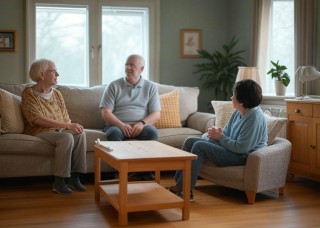
The article outlines effective communication strategies for interacting with loved ones with dementia, highlighting the need for empathy, patience, and understanding while emphasizing supportive approaches like using simple language, minimizing distractions, and focusing on feelings over facts to maintain dignity and foster connection. It also suggests seeking professional guidance when needed as communication challenges evolve.
VA nursing homes, or Community Living Centers (CLCs), offer tailored long-term care for veterans, featuring medical attention and rehabilitation in a supportive environment. The guide covers facility types, eligibility criteria, financial assistance options, quality of care standards, and alternatives to full-time nursing home placement.
At-home dementia care expenses vary widely based on care levels, location, and caregiver expertise, with monthly costs for home health aides exceeding $4,500 and specialized care potentially surpassing $100,000 annually. While families favor in-home care for its comfort and personalized attention, they must consider financial planning and the challenges of caregiver fatigue.
Get PricingAsk A QuestionSchedule A TourContact Senior Advisor
By clicking submit, you agree to our Partner's Terms of Use. You
also consent to receive calls and texts, which may be autodialed, from our Partner. Your consent is not a condition to
using our Partner's service. Please visit our Partner's Privacy Policy for information about their privacy practices.



 40 resident community capacity
 Memory Care
 Activities on-site
 Air-conditioning
 Beautician on-site
 Cable or satellite TV
 Devotional services on-site
 Dining room
 Fully furnished
 Garden
 Ground floor units
 Housekeeping services
 Indoor common areas
 Kitchenette
 Move-in coordination
 Outdoor common areas
 Respite or short term stays offered
 Restaurant-style dining
 Small library
 Telephone
 Wi-Fi/high-speed internet available
 Charlotte Douglas International (11 miles away)
 24-hour call system
 Ambulatory care
 Assistance with bathing
 Assistance with dressing
 Assistance with transfers
 Diabetes diet
 Diabetic care
 Incontinence care
 Medication management
 Mental wellness program
 Special dietary restrictions
 BBQs or picnics
 Birthday parties
 Light therapy programs
 Live dance or theater performances
 Live musical performances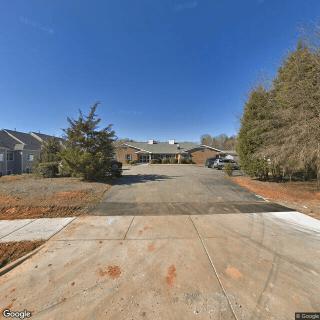
 Memory care services with convenient nearby amenities.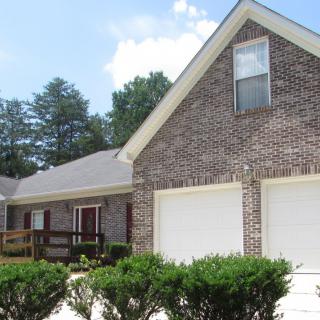
 How to Communicate with a Loved One Living with Dementia: 10 Supportive Strategies
 Comprehensive Guide to VA Nursing Homes: A Crucial Long-Term Care Resource for Veterans
 Estimating the Expenses of At-Home Dementia Care: A Detailed Exploration