
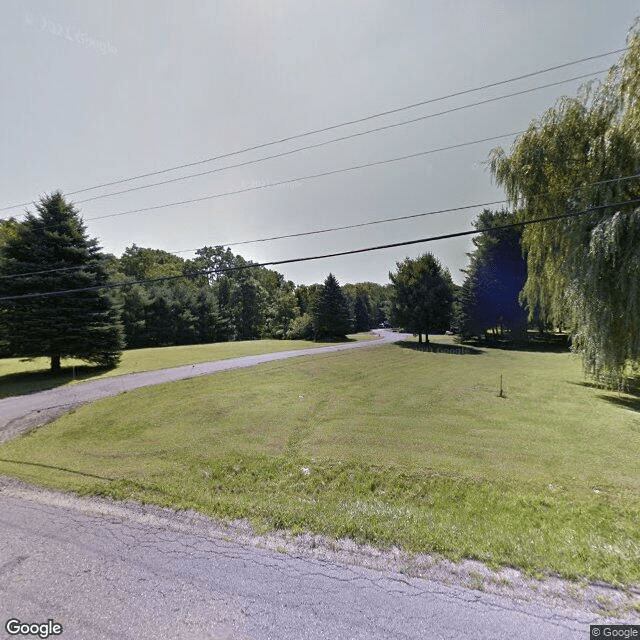
59 Crooked St, Charlton, NY 12302
To contact a resident: (518) 630-6779
For more information about senior living options: (866) 208-4318
Broockdale Family Type Home Costs & Pricing
At Broockdale Family Type Home, the monthly costs for room types reflect a unique positioning within the broader market of Schenectady County and New York state. The semi-private room option is priced at $5,000 per month, which is higher than the county average of $4,367 but slightly above the state average of $4,389. In contrast, the private room option is set at $6,000 per month, offering a more affordable choice compared to the significantly higher county rate of $7,239 while remaining competitive against the state average of $5,159. This pricing strategy suggests that Broockdale Family Type Home aims to provide quality care in a supportive environment while also reflecting regional market dynamics.
| Floor plans | Broockdale Family Type Home | Schenectady County | New York |
|---|---|---|---|
| Semi-Private | $5,000 | $4,367 | $4,389 |
| Private | $6,000 | $7,239 | $5,159 |
Memory care communities with a similar price nearby
-
from +$484 / mo
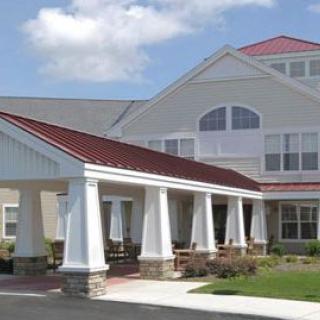
Ingersoll Place
$5,484 to $8,150 / month9.8 miles away -
from -$785 / mo

Peregrine Guilderland
$4,215 to $5,460 / month16.0 miles away -
About the same
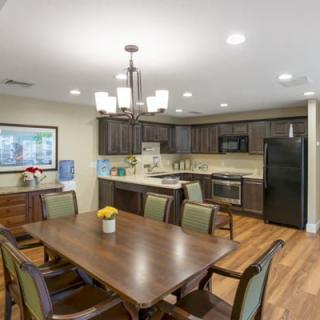
Brookdale East Niskayuna
$5,125 to $7,320 / month10.8 miles away
Overall Review of Broockdale Family Type Home
Pros
 The mother is very happy here.
- She has no complaints.
- She loves the food.
- The activities have been great.
- The staff have done a great job so far.
- The family is very pleased with the support and help they have received.
- The small community provides residents with a lot of one-on-one attention.
- The staff take great care of every resident.
Review
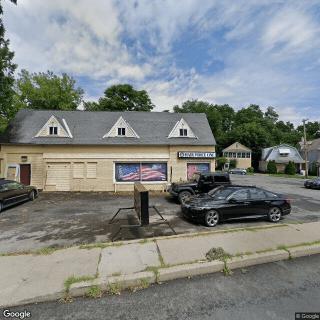
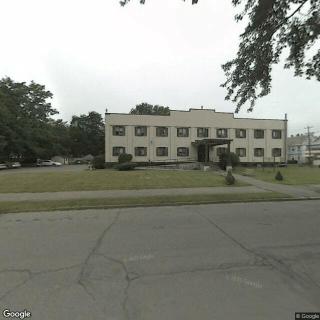
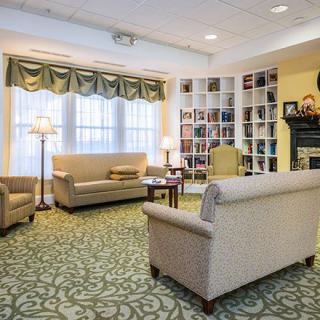
Broockdale Family Type Home in Charlton, NY is best suited for seniors who want an intimate, homelike setting where care feels personal and highly accessible. This community excels for residents who thrive on one-on-one attention, predictable daily routines, and meals that are clearly well-liked by both residents and families. Families repeatedly note that a mother can live with dignity and comfort here, enjoying engaging activities and a sense of being genuinely cared for. It is a natural fit for individuals who prefer a small, close-knit environment over larger campuses with more hallways and formal programming.
Those weighing this option should also consider who may want alternatives. If a resident requires robust medical oversight, frequent on-site nursing, or specialized memory-care design and staffing, a larger or more clinically focused community could be a better match. For families seeking a broad social calendar with extensive campus amenities or for someone who anticipates needing high-acuity care soon, other facilities with greater scale and formal programs may deliver the level of structure they require. This is not the place for those chasing a wide array of on-site services; it is a place for warmth, attentiveness, and simplicity.
The strongest pro is the distinctively personal care that comes with a small community. The reviews emphasize that residents receive substantial one-on-one attention, which translates into responsive support for daily needs and a sense of safety. The caregiver-to-resident dynamic also tends to foster trust, making families feel confident that staff know their loved one’s preferences and routines well. Alongside this, the kitchen consistently earns praise, with food described as a highlight that contributes to overall satisfaction. When activities are described as great, the implication is that engagement is meaningful rather than perfunctory, a critical factor for quality of life.
The primary face of any potential downside is the small footprint. A family-type home typically cannot match the breadth of services offered by larger campuses, including more extensive medical staffing, specialty programs, or diversified therapy options. For residents who require complex medical management, frequent skilled nursing, or highly specialized memory-care programming, this setup may fall short. The limited scale can also constrain social programming compared with bigger communities that curate vast activity calendars and intergenerational opportunities. These considerations matter when projected needs may evolve or escalate.
However, the benefits substantially offset these possible drawbacks for the right candidate. The deep, personalized attention helps mitigate concerns about medical oversight by ensuring daily needs are met with consistency and care, and families report feeling supported rather than isolated in decision-making. Excellent meals and thoughtfully designed activities help maintain a sense of normalcy and joy, which in turn can compensate for a more limited service menu. The intimate setting often translates into a calmer, safer living environment where staff can respond quickly, and residents feel known and valued rather than processed.
In the end, the decision hinges on fit. Broockdale Family Type Home stands out for families seeking a genuine home-like atmosphere, where every resident is seen, meals please, and daily life centers on meaningful interaction. Prospective residents should verify the on-site medical capacity, confirm how care plans are developed and updated, and explore how activities are tailored to individual interests and mobility levels. If the priority is a larger ecosystem with extensive clinical resources or a broader social profile, alternatives deserve careful consideration. For those who want intimate care, predictable routines, and a warm dining and activity life, this community offers a compelling, well-regarded option.
 Board and Care Home
 Day Program
 Memory Care
 Bath tubs
 Beautician on-site
 Devotional services off-site
 Private
 Private bathrooms
 Respite or short term stays offered
 Swimming pool / hot tub
 Wheelchair accessible showers
 Albany Cty (14 miles away)
 Ambulatory care
 Diabetic care
 High acuity care
 Incontinence care
 Medication management
 Kosher




 When Dementia Sparks Anger and Aggression: Understanding the Connection and Ways to Cope
 Dementia Behaviors: In-Depth Understanding and Effective Coping Strategies
 5 Early Indicators of Dementia and What You Can Do