
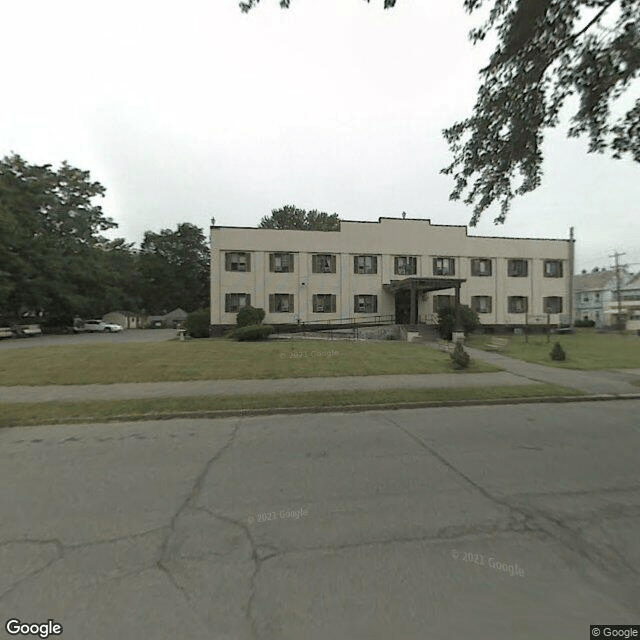
39 Wallace St, Scotia, NY 12302
To contact a resident: (518) 346-6458
For more information about senior living options: (866) 208-4318
Scotia Mansion Costs & Pricing
Scotia Mansion offers competitive pricing for its accommodations when compared to both Schenectady County and the broader New York state context. For a semi-private room, residents can expect to pay $1,300 per month, significantly lower than the county average of $4,367 and the state average of $4,389. Similarly, the studio option at Scotia Mansion is priced at $2,000 per month, which remains below the county's rate of $3,980 and the state's higher benchmark of $4,532. This pricing strategy positions Scotia Mansion as an attractive choice for those seeking quality living arrangements in a cost-effective manner within the region.
| Floor plans | Scotia Mansion | Schenectady County | New York |
|---|---|---|---|
| Semi-Private | $1,300 | $4,367 | $4,389 |
| Studio | $2,000 | $3,980 | $4,532 |
Assisted Living communities with a similar price nearby
-
from -$200 / mo
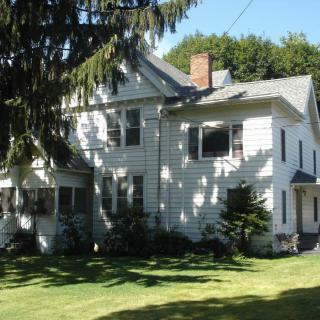
Troy Adult Home
$1,100 to $1,800 / month15.7 miles away
Overall Review of Scotia Mansion
Pros
 The facility is phenomenal.
- The staff are phenomenal under new management.
- The facility is very clean.
- It is highly recommended.
Cons
 The facility needs to be remodeled.
- It is the absolute worst.
- The room was filthy.
- The reviewer hates them for this.
- The reviewer will never forgive them for this.
Review
Scotia Mansion is best suited for families that want to take a hopeful view of improvement under new management and prioritize a clean, reasonably intimate setting with attentive staff. The community can work for seniors who respond well to hands-on care in a home-like atmosphere and whose families are willing to invest time in due diligence, including multiple visits and conversations with leadership. It is most appropriate for residents who donā€™t demand the highest, most uniform care every day but can tolerate some fluctuation while monitoring ongoing changes. Prospective movers should be prepared to weigh recent management shifts against a history of mixed experiences.
The review landscape for Scotia Mansion is markedly polarized. A portion of families describe the facility as clean and well-staffed, emphasizing a positive turn of events under new leadership and recommending the community to others. In stark contrast, other families recount experiences that feel neglectful or disheartening, from rooms described as dirty to claims of care gaps and interpersonal strain with staff. The reality, as reflected in the rating and narrative variety, is that outcomes appear inconsistent and heavily dependent on individual shifts in leadership, staffing, and day-to-day routines. This divergence matters for families evaluating risk versus promise.
Key pros that repeatedly surface include the focus on staff under the new management and a compelling emphasis on cleanliness in reports that are favorable. When these factors align, families note a more personable atmosphere and a facility that presents as well-maintained, which can translate into a more comfortable living environment for residents who value a tidy, organized setting. These strengths can meaningfully offset concerns if the new leadership remains stable, staffing remains consistent, and residents experience noticeably better oversight and responsiveness. Yet the upside hinges on sustained performance rather than a one-time improvement.
The main cons are substantive and not easily dismissed. Several accounts raise alarms about cleanliness lapses and what is described as varying quality of care, sometimes accompanied by strong emotional distress from families who feel unheard or frustrated by management. Ambiguity around costs and age requirements also emerges, signaling potential friction points for families budgeting long-term care and trying to compare Scotia Mansion with other options. In short, the negatives build a cautionary framework: improvement claims must prove durable, and basic expectations around safety, responsiveness, and transparency must be verifiable through current tours and references.
Anyone evaluating Scotia Mansion should consider alternatives if a consistently high level of care, predictable operations, and transparent pricing are non-negotiable. Other communities in the area may offer steadier day-to-day performance, more explicit financial terms, and a proven track record with fewer red flags in resident experiences. For families inclined to take a closer, more investigative approach, Scotia Mansion remains a candidate worth a serious, structured visit, one that prioritizes updated tours, a frank dialogue with the administrator, and conversations with current residents about day-to-day realities.
The decision hinges on the ability to verify ongoing improvements and safety on the ground. If leadership can demonstrate sustained, measurable progress, clear staffing plans, transparent pricing, robust cleanliness standards, and positive resident feedback, the community can be a solid match for families willing to give it time. If not, alternatives with more consistent histories and fewer dramatic swings in quality will likely serve seniors and families better. The prudent path is to schedule a comprehensive tour, require current resident references, and insist on a written plan that outlines expectations for cleanliness, care response times, and monthly costs before any transition consideration.
 Assisted Living
 Activities off-site
 Bath tubs
 Cable or satellite TV
 Devotional services off-site
 Indoor common areas
 Wi-Fi/high-speed internet available
 Albany Cty (10 miles away)
 Ambulatory care
 Incontinence care
 Medication management
 Guest meals
 BBQs or picnics
 Birthday parties
 Day trips and outings
 Gardening club
 Happy hour
 Trivia games


 Exploring the Contrasts Between Assisted Living and Skilled Nursing
 8 Key Indicators That Suggest It May Be Time to Transition from Assisted Living to Skilled Nursing Care
 Vibrant Senior Living: A Comprehensive Guide for Active Older Adults