
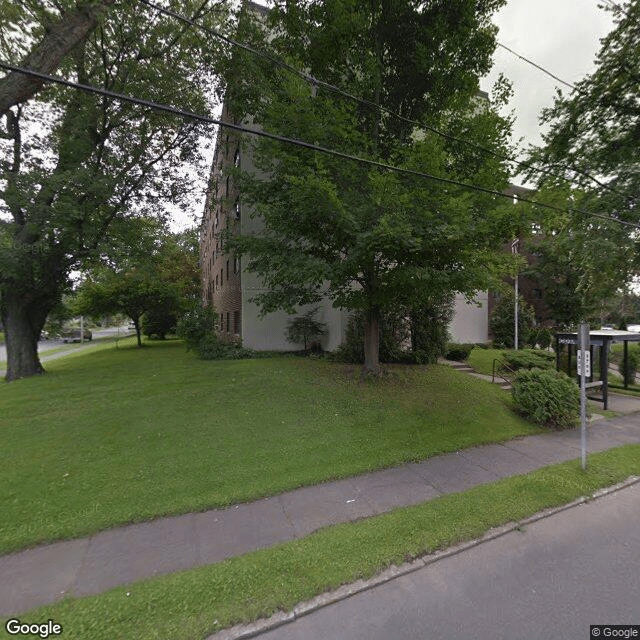
201 5th Street, Scotia, NY 12302
To contact a resident: (518) 374-7407
For more information about senior living options: (866) 208-4318
Overall Review of Holyrood House
Pros
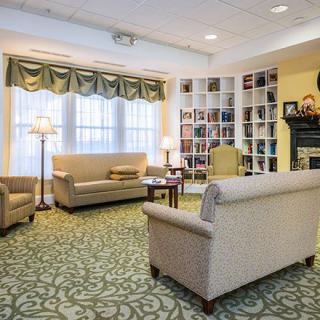
 The building is nice, clean, and safe.
- The staff is excellent.
- It is a very quiet and comfortable place to live.
Cons
 They note that people were getting high at the picnic tables and suggest moving seating to a side of the building that’s better monitored.
 - They report others sitting at the picnic table smoking weed and buying other drugs on the sidewalk, urging that the issue be addressed especially with children nearby.
- They feel the place is good but dislike being charged for five hours instead of the full day.
- The woman who answers the phone is rude.
- They have lived there for over ten years and are ready to relocate, advising others not to come.
Review
Holyrood House in Scotia, NY is best for seniors who prize a clean, quiet, and well-staffed living environment. Inside the building, residents consistently describe it as neat and safe, with a calm atmosphere that supports predictable daily life. The staff is repeatedly highlighted as excellent, delivering dependable service and a steady, respectful presence. For those who want straightforward upkeep, reliable housekeeping, and comfortable common spaces, Holyrood House can feel like a solid, practical home. It isn’t about flash or luxury, but about a dependable routine and a peaceable living environment.
Those who may want to consider alternatives are clear: external safety concerns can undermine the overall sense of security. Reports of drug activity at picnic tables near the building create a troubling perception of risk for residents and visitors alike, especially for families with children passing by. That reality makes Holyrood House less suitable for seniors who require strong perimeter security or a consistently proactive security program. Administrative interactions are not uniformly positive either, one reviewer labeled the phone staff as rude, while another longtime resident signals dissatisfaction and a willingness to relocate. Add in pricing quirks that feel unfair or confusing, and the case for shopping around becomes strong for households weighing value against risk.
The main pros offset some of the cons, but the balance remains delicate. The interior advantages, cleanliness, a perception of safety inside, quiet surroundings, and a highly capable, friendly staff, offer meaningful reassurance for day-to-day living. These strengths help cushion residents against exterior uncertainties, preserving a sense of ordinary stability for those who rarely require intensive security measures or frequent administrative contact. In practical terms, a resident who prioritizes dependable service and a calm, predictable environment over perimeter alerts can still achieve a comfortable experience here.
Where the drawbacks bite most is in perceived safety outside the doors and in the customer-service friction that can color routine interactions. The ongoing visibility of external drug activity diminishes confidence that the property is an entirely secure home, a concern that matters for outdoor time, visitors, and late-day outings. The reported rude phone interactions compound the frustration, turning modest administrative tasks into irritating experiences. A resident with ten years’ tenure expressing a desire to relocate signals an underlying dissatisfaction that should not be dismissed. Finally, pricing practices that appear misaligned with actual usage can erode trust and make longer commitments harder to sustain financially.
Practical guidance for families evaluating this community should include disciplined site visits at multiple times of day to observe how common areas and entrances feel under different rhythms. Inquire upfront about external-security measures, who enforces them, and what the property’s plan looks like for sidewalks, entrances, and parking lot safety. Scrutinize billing practices: what constitutes a billable hour, how it’s calculated, and how this compares with nearby options. Talk with current residents about the consistency of service, responsiveness to maintenance requests, and the tone of staff interactions. If the answers point to reliable interior service and manageable risk, Holyrood House remains a sensible pick; if not, it is prudent to broaden the search to communities offering stronger perimeter controls and more consistently courteous administration.
Bottom line: Holyrood House serves a pragmatic niche, a clean, quiet, well-staffed interior designed for residents who can tolerate some external security questions and occasional administrative rough edges. For families where persistent exterior safety concerns, uneven customer service, or opaque pricing undermine confidence, exploration of alternatives is warranted. The decision should hinge on whether the interior calm and dependable staff outweigh the visible perimeter risks and billing uncertainties. When those elements align, Holyrood House can be a solid, no-nonsense home; when misaligned, nearby options with clearer security and consistently courteous administration deserve serious consideration.
 Active Adult Communities (55+)
 Albany Cty (10 miles away)




 Comprehensive Approaches for Arthritis: A Detailed Guide to Symptoms, Causes, and Care
 Comprehensive Insights and Practical Strategies to Help Older Adults Avoid Falls
 6 Crucial Ways an Elder Law Attorney Assists Families