
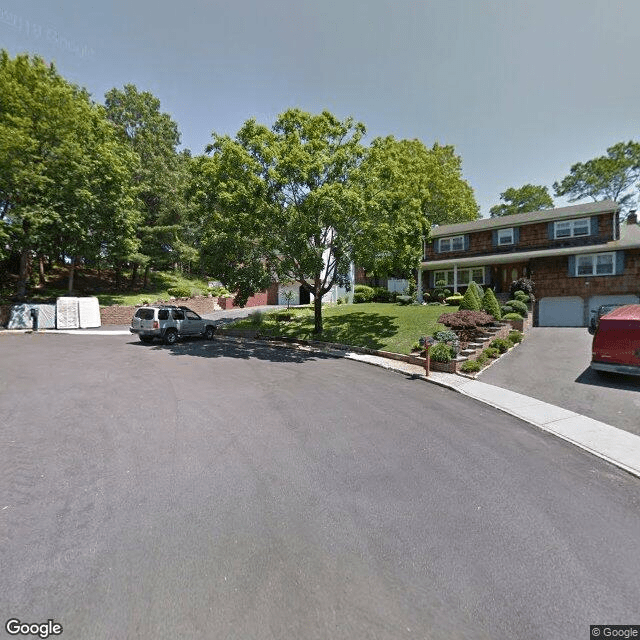
5 Nicolette Ct, Commack, NY 11725
To contact a resident: (516) 974-5562
For more information about senior living options: (866) 208-4318
Unity Home Costs & Pricing
At Unity Home, the monthly costs reflect a competitive pricing structure when compared to both Suffolk County and the broader New York state averages. For a semi-private room, Unity Home charges $3,500, which is notably lower than the county average of $3,706 and significantly less than the state average of $4,389. Similarly, for private rooms, Unity Home's fee of $6,000 remains competitive against Suffolk County's average of $4,234 and New York state's average of $5,159. This positioning not only underscores Unity Home's commitment to affordability but also highlights its value in delivering quality care within a cost-effective framework.
| Floor plans | Unity Home | Suffolk County | New York |
|---|---|---|---|
| Semi-Private | $3,500 | $3,706 | $4,389 |
| Private | $6,000 | $4,234 | $5,159 |
Memory care communities with a similar price nearby
-
About the same

Pleasantview Home for Adults
$3,500 to $6,500 / month6.5 miles away -
from +$200 / mo
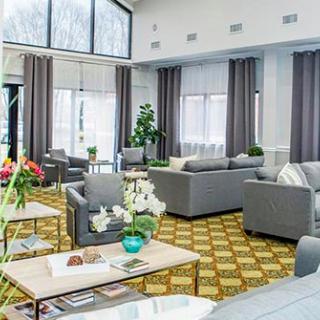
The Arbors at Bohemia
$3,700 to $6,800 / month10.0 miles away -
from +$634 / mo
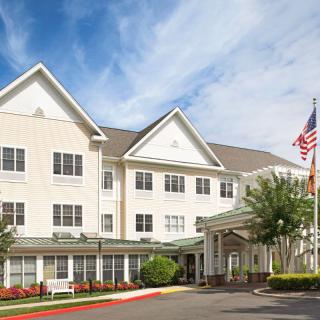
Sunrise of West Babylon
$4,134 to $7,326 / month12.1 miles away -
from +$595 / mo
Atria Tanglewood
$4,095 to $8,995 / month24.4 miles away -
About the same
Sunrise of Holbrook
$3,600 to $8,190 / month12.4 miles away
Overall Review of Unity Home
Pros
 Unity Home provides 24/7 care from a registered nurse and aides.
- It is a small, private home with a calm, intimate setting.
- Residents are kept clean, well fed, and occupied, and appear content.
- The owner is described as professional, warm, and gentle with patients.
- The home is affordable and can be paid using pension and Social Security benefits.
- Residents settle in nicely and receive a lot of individual attention, with meals shared together.
- Visitors note that their loved ones are well cared for during visits.
Review
Unity Home is best suited for seniors with memory-care needs who prefer a small, home-like environment over a large, institutional setting. The configuration, a private home housing four residents with a shared room between dementia patients, delivers a quiet, intimate atmosphere where care is visible, steady, and highly personal. For families seeking around-the-clock professional oversight, a consistent RN presence, and frequent individualized attention, this community checks the essential boxes. The arrangement suits residents who are calmer when stimulation is limited and who thrive on predictable routines, communal meals, and direct access to compassionate hands-on staff. In short, it serves as a specialized, low-key alternative to larger memory-care facilities for those prioritizing stability and personal connection.
Those who may want to consider alternatives include families seeking private rooms for privacy or residents who require a higher level of medical intervention beyond dementia care. The shared-room setup, while simple and economical, can feel restrictive for individuals who prize personal space, greater privacy, or a broader range of room configurations. A larger campus could offer more structured programming, a wider pool of activities, or specialized therapies that Unity Home, by design, does not emphasize. For seniors who crave a bustling social calendar or who need more extensive on-site services, a conventional assisted living or memory-care community may deliver a better fit.
The strongest positives flow from the small, family-like setting. The staff-to-resident dynamic feels exceptionally attentive: 24/7 nursing coverage alongside aides ensures that daily care, hygiene, medication management, and safety routines are consistently maintained. Residents are described as well cared for, clean, nourished, and occupied, with staff who know each person well and respond with warmth. Meals are a communal, shared affair, reinforcing a sense of belonging and routine that can be deeply comforting for someone facing memory decline. The owner’s professionalism paired with genuine gentleness reinforces trust and reliability in the care plan, an intangible but highly valued asset in dementia care.
Where the structure may fall short for some families, the trade-offs become clear. The intimate scale can limit privacy and personal space, which matters to residents and families depending on temperament and care priorities. The same small footprint that enables individualized attention may constrain the range of activities, therapies, and social opportunities compared with larger facilities. For residents with escalating medical needs, the model may not offer the breadth of services that larger memory-care campuses promise, making alternative placements a practical consideration if health status changes or new care demands arise. Yet the care philosophy, quiet environments, consistent staff, and individualized attention, often offsets these potential drawbacks for the right resident.
Cost is a practical and persuasive strength. The price point is described as affordable, enabling families to fund care through pensions and Social Security without systemic strain. In a market where cost pressures often force difficult compromises, Unity Home represents value without sacrificing essential quality of care. The economics align well with seniors who require constant supervision but have modest budgets or limited means, making this option notably attractive for dementia care within a small, intimate framework. Prospective families should still verify what is included in the rate, meals, care services, and supplies, and whether any increases are anticipated, but the documented affordability already marks Unity Home as a compelling value proposition for its niche.
The verdict is practical and decisive. Unity Home excels for memory-care needs when the priority is a calm, personalized environment with around-the-clock professional oversight and budget-conscious pricing. It is a strong recommendation for families seeking a small, intimate setting where residents receive sustained attention, daily care, and meaningful engagement in a home-like atmosphere. Conversely, those who require private rooms, a broader activity schedule, or advanced medical services should consider alternatives that broaden privacy and program depth. For the right resident, one who thrives in quietude, relishes daily meals shared with a small cohort, and benefits from highly attentive staff, Unity Home stands out as a thoughtful, well-executed choice.
 Board and Care Home
 Memory Care
 Activities off-site
 Air-conditioning
 Bath tubs
 Devotional services off-site
 Indoor common areas
 Outdoor common areas
 Private
 Respite or short term stays offered
 Wi-Fi/high-speed internet available
 Long Island - MacArthur (9 miles away)
 Ambulatory care
 Diabetic care
 Incontinence care
 Medication management
 Low / no sodium
 BBQs or picnics
 Birthday parties
 Day trips and outings
 Trivia games

 5 Early Indicators of Dementia and What You Can Do
 8 Important Indicators That Memory Care May Be Necessary
 Delving into the Inner World of Dementia: Insights into Thoughts and Awareness