
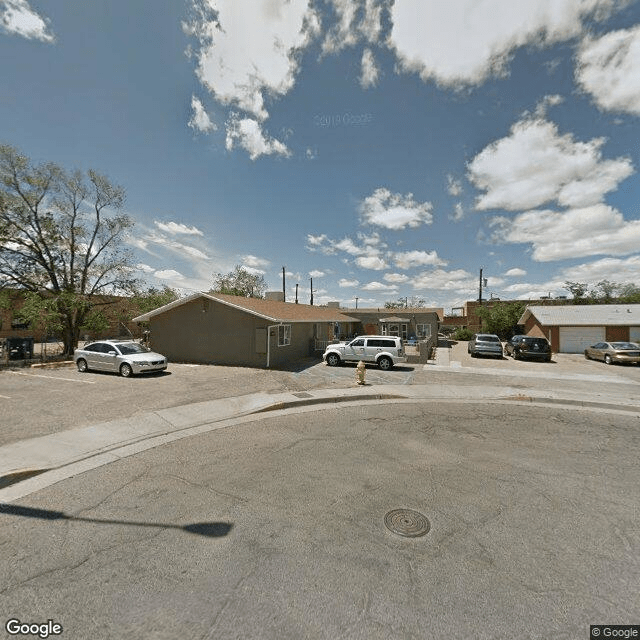
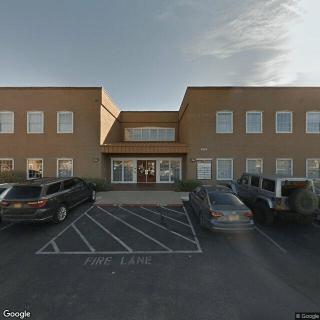
3209 Wellesley Ct. NE, Albuquerque, NM 87107
To contact a resident: (505) 463-2475
For more information about senior living options: (866) 208-4318
Wellesley Care Home, LLC Costs & Pricing
Wellesley Care Home, LLC offers competitive pricing for its residents compared to both Bernalillo County and the broader New Mexico state averages. With a monthly cost of $1,875 for a semi-private room, Wellesley significantly undercuts the county average of $3,285 and the state average of $3,324. Private rooms at Wellesley are priced at $2,000 per month, again presenting a more affordable option than the county's average of $4,602 and the state's average of $4,391. These rates reflect Wellesley Care Home's commitment to providing quality care at an accessible cost, ensuring that residents receive outstanding support without straining their financial resources.
| Floor plans | Wellesley Care Home, LLC | Bernalillo County | New Mexico |
|---|---|---|---|
| Semi-Private | $1,875 | $3,285 | $3,324 |
| Private | $2,000 | $4,602 | $4,391 |
Memory care communities with a similar price nearby
-
from +$320 / mo
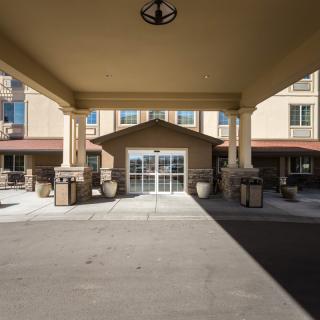
Palmilla Senior Living
$2,195 to $3,910 / month7.1 miles away -
from +$125 / mo
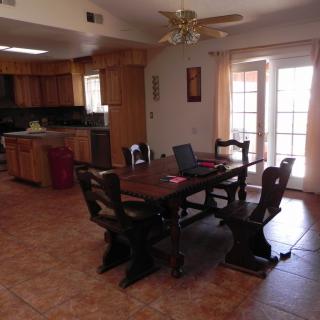
L.A. In-Home Care - 33rd Street
$2,000 / month8.4 miles away
Overall Review of Wellesley Care Home, LLC
Pros
 The staff is great.
- The facility has a homey feel.
- It is the best assisted living facility anyone could ask for.
- Everyone is very friendly.
- Staff checks on residents every 15 to 30 minutes.
- The home-cooked meals are the best ever.
- The owner is very dedicated.
- The reviewer would recommend Wellesley care home to anyone.
Cons
 Management will not return phone calls or answer any questions.
 - He has not been able to obtain direct answers about why his father's wishes to come home are not being followed.
Review
Wellesley Care Home, LLC in Albuquerque is best suited for families seeking a small, home-like assisted living option where residents enjoy a warm, residential atmosphere and frequent, attentive care. This community shines for seniors who value daily warmth from staff, a calm, non-clinical setting, and reliable, visible oversight. It is especially appealing to families who want close, ongoing contact with caregivers and a hands-on owner who demonstrates personal commitment to residents’ comfort and daily well‑being. For those who prioritize a true “home” feel over a hospital-like environment, this option earns strong consideration.
Those weighing alternatives should note: if consistent, proactive communication from management is a top priority, this may be a decisive factor. Families that need rapid, direct answers to questions or a clear, predictable channel for updates may find other communities preferable. Additionally, for loved ones requiring more intensive medical coordination, specialized memory-care programming, or 24/7 nursing oversight, larger facilities with formal clinical support may offer the level of oversight and transparency that this setting does not guarantee.
The strongest positives here are tangible and resident-focused. Staff are described as genuinely caring, creating a consistently supportive day-to-day experience. The homey environment reduces typical stress associated with care needs, helping residents settle in and maintain a sense of familiarity. Meal quality stands out as a differentiator, home-cooked meals that residents and families often reference positively, contributing to overall satisfaction. The owner’s dedication and hands-on involvement come through in several remarks, signaling leadership that prioritizes residents and fosters a stable, intimate community.
However, the main caveat centers on management communication. Several family members report that calls and questions are not answered promptly, which can erode trust when families are seeking clarity about care plans or a resident’s wishes, such as a desire to return home. This tension between family input and administrative responsiveness is a meaningful risk. The review notes surrounding the handling of a resident’s wishes suggest misalignment or friction at times between family expectations and how decisions are communicated or implemented, creating a potential for dissatisfaction despite strong daily care.
To weigh the pros against the cons, the daily living experience and staff engagement offer substantial offsets to the communication gaps described. Where management responsiveness is solid, the intimate, caregiver-led model yields very high satisfaction in terms of safety, supervision, and quality of life. The frequent oversight, check-ins every 15 to 30 minutes, can mitigate concerns about wandering or health fluctuations, providing a reassuring level of supervision that larger facilities sometimes struggle to match. The homey vibe and culinary quality contribute to life satisfaction, making social isolation less likely and helping families feel their loved ones are thriving in a cozy setting.
The practical takeaway is clear. Wellesley Care Home is a strong choice for families prioritizing a warm, small-community atmosphere with visible, caring staff and high daily quality of life for residents. It is especially well-suited for seniors who flourish with personal attention, predictable routines, and home-cooked meals, and for families who can accommodate occasional frustrations with accessibility and timely responses from leadership. Those who cannot compromise on transparent, proactive communication from administrators or who require rigorous clinical oversight and explicit resident autonomy policies should actively compare alternatives. A visit, a candid conversation with the owner, and direct references from current families will illuminate whether this is the right fit or if another option better aligns with the senior’s needs and family expectations.
 Board and Care Home
 Memory Care
 Cats allowed
 Dogs allowed
 Private
 Albuquerque International (5 miles away)




 Understanding Dementia Behaviors: Practical Insights and Strategies for Caregivers
 When Dementia Sparks Anger and Aggression: Understanding the Connection and Ways to Cope
 Dementia Behaviors: In-Depth Understanding and Effective Coping Strategies