For more information about senior living options: (866) 208-4318
3.7 from 135 reviews
5 stars
71
4 stars
21
3 stars
2
2 stars
9
1 stars
32
Overall Review of Albuquerque Heights Healthcare and Rehabilitation Center
caveat11 reviews mention this
Communication by phone is unreliable
Several families and visitors describe difficulty reaching the front desk or getting timely call-backs.
A recurring complaint is that phone calls go unanswered, are picked up and then hung up, or don’t result in follow-up updates. Some reviewers said they had to show up in person to get help or to receive information about a loved one’s status. Others described promises of calls for care coordination or discharge steps that did not happen. A smaller number of reviews still mention staff friendliness, but the communication gap shows up often enough to be a consistent concern.
caveat7 reviews mention this
Food quality is inconsistent
Residents and families report mixed dining experiences, including complaints about meals and portions.
Some reviewers describe food that they found unappetizing or inadequate, with accounts that meals were bland, cold, or hard to eat. Others say meals were nutritious or that the kitchen team did an exceptional job. A few reviews also frame dining as part of a broader “rehab went well/rehab went poorly” pattern, which suggests experiences vary by stay. Overall, dining seems to land differently depending on the unit and time period reviewers experienced.
common24 reviews mention this
Staff kindness and care stand out
Many reviewers describe caring, helpful staff who treat residents with kindness and professionalism.
Across reviews, residents and families frequently highlight staff as attentive, kind, and willing to help. Several people specifically thank nurses, aides, or therapy staff by name, and mention responsiveness to concerns. Cleanliness and facility upkeep also appear alongside these positive staff comments, reinforcing that many visitors interpreted care as supportive. While there are also serious negative accounts, the “staff are compassionate and helpful” theme is one of the most repeated strengths.
caveat10 reviews mention this
Cleanliness and upkeep are mixed
Some reviewers report cleanliness issues ranging from odors to dirty rooms.
A portion of reviews describe the facility smelling strongly, areas not being mopped, or rooms/bathrooms not being cleaned properly. Other reviewers say the facility was clean, well maintained, and organized, including praise for housekeeping and a generally neat environment. Because both perspectives show up in the reviews, cleanliness appears inconsistent rather than uniformly excellent or poor. For families reading these accounts, it’s a theme worth taking seriously given how often cleanliness is mentioned alongside care concerns.
How we summarize
Counts show how many written reviews mention each theme; a review can touch several themes, and only frequently mentioned themes are displayed.
Features
Housing
21 resident community capacity
Types of Care
Skilled Nursing Facility
Amenities
Beauty salon
Cable or satellite TV
Dining room
Fully furnished
Garden
Housekeeping services
Kitchenette
Move-in coordination
Outdoor space
Telephone
Wi-Fi/high-speed internet available
Transportation
Albuquerque International (7 miles away)
Care Services
24-hour call system
24-hour supervision
Activities of daily living assistance
Assistance with bathing
Assistance with dressing
Assistance with transfers
Coordination with health care providers
Diabetes diet
Meal preparation and service
Medication management
Mental wellness program
Special dietary restrictions
Transportation arrangement (medical)
Transportation to doctors appointments
Dining
Diabetes diet
Special dietary restrictions
Activities
Community-sponsored activities
Scheduled daily activities
Nearby Places of Interest
Physicians
Southwest Care Center (0.1 miles)
Southwest Urology Associates (0.2 miles)
Albuquerque Dermatology Associates (0.5 miles)
RAA Imaging & High Resolution (0.8 miles)
Raa Imaging (0.9 miles)
Abq Health Partners (1 miles)
Crook Keigm, DDS (1.1 miles)
Pharmacies
Walgreens (0.2 miles)
CVS Pharmacy (0.3 miles)
Walgreens (1.7 miles)
Walgreens (1.9 miles)
Walmart Pharmacy (2 miles)
Rx Innovations (2.1 miles)
Walgreens (2.3 miles)
Restaurants
Chick-Fil-A (0.2 miles)
Del Taco (0.2 miles)
Hooters (0.2 miles)
Cocina Azul (0.4 miles)
Tomasita's Albuquerque (0.7 miles)
Cheddar's Scratch Kitchen (0.7 miles)
Twin Peaks Restaurant (0.9 miles)
Hospitals
Tri Core Reference Lab (1.5 miles)
HealthSouth Rehabilitation Hospital (1.9 miles)
Unm Psychiatric Center (3.3 miles)
UNM Cancer Reseach and Treatment Center (3.4 miles)
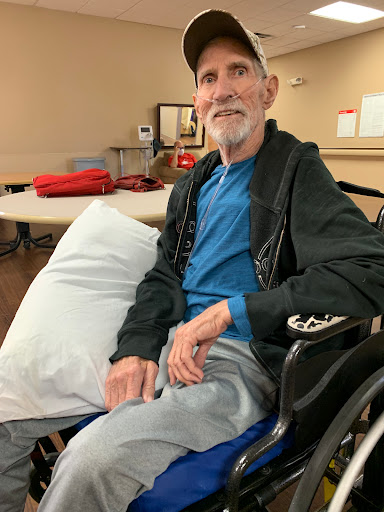
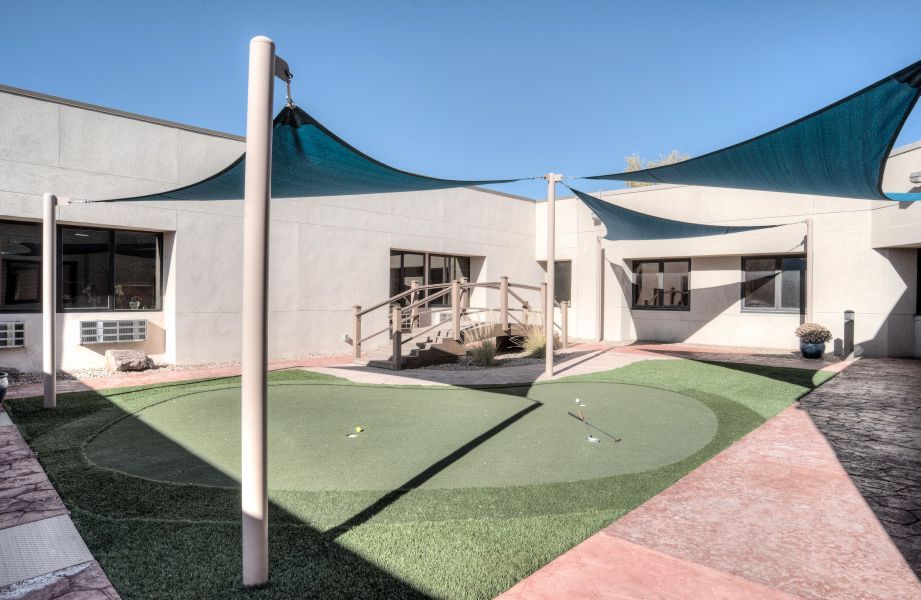
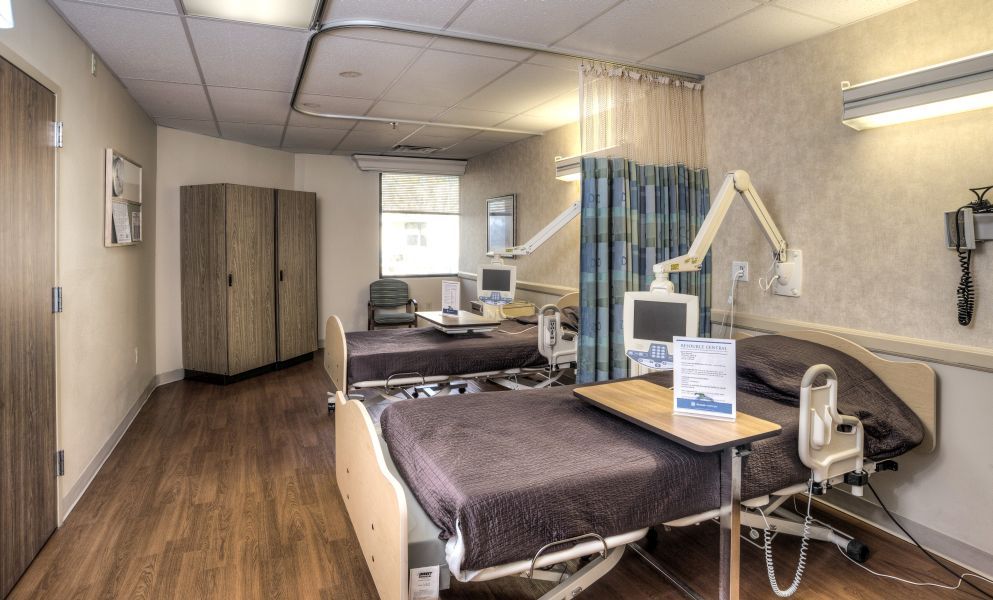
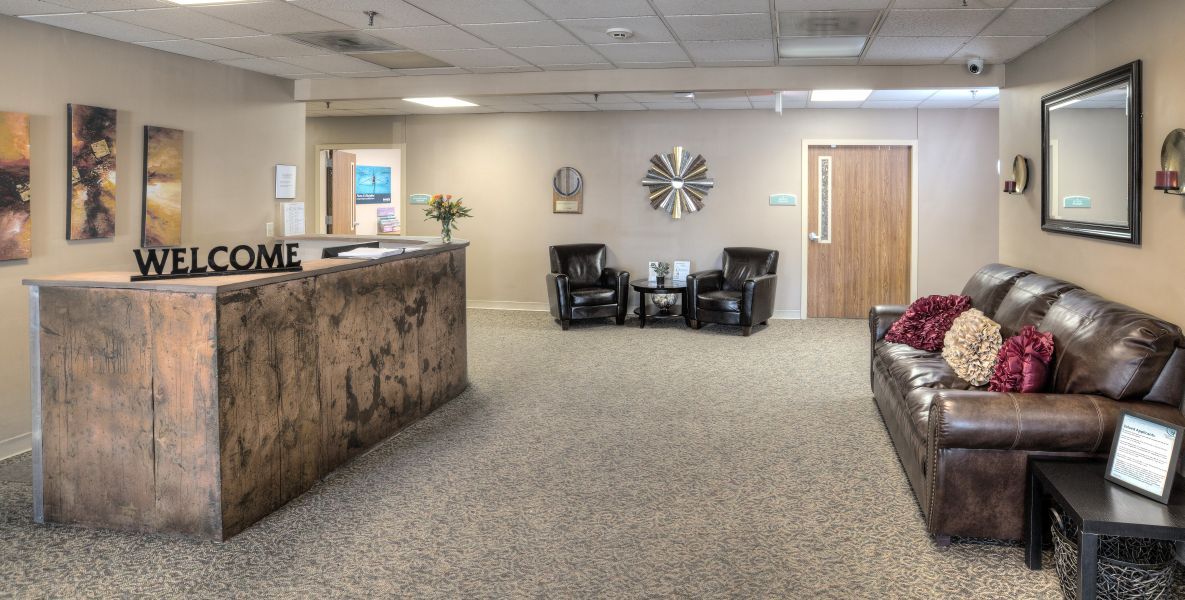
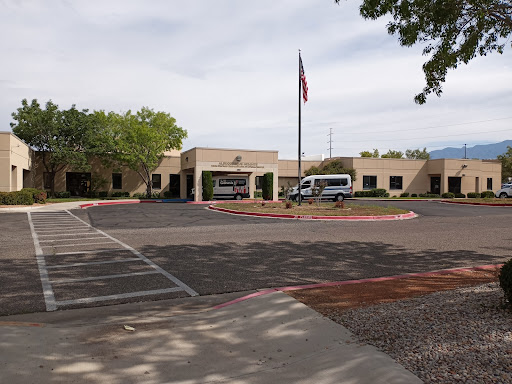
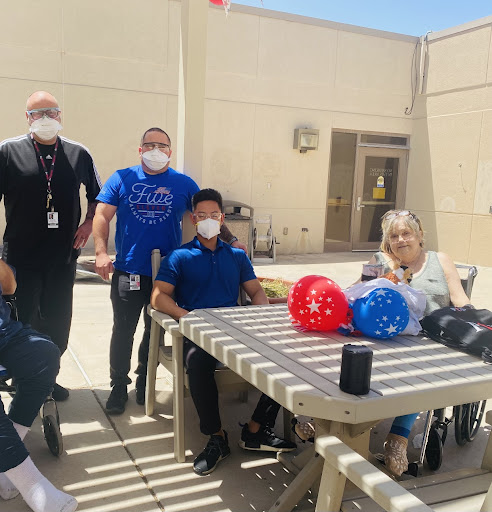
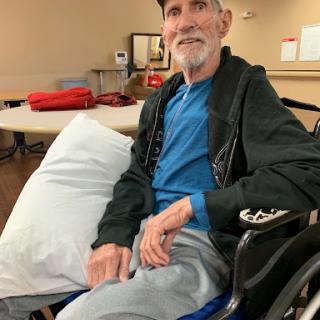
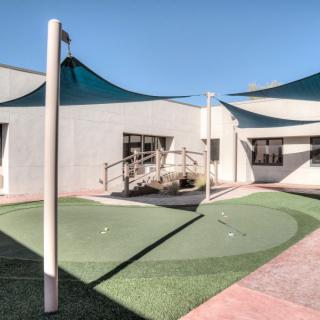
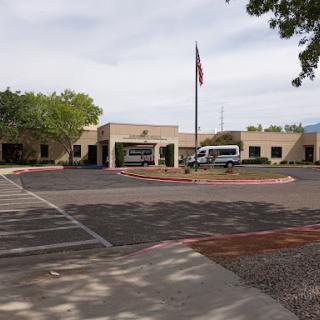
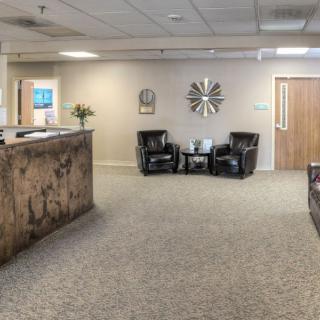
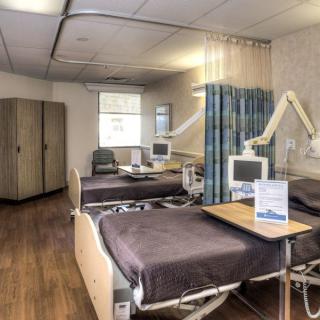
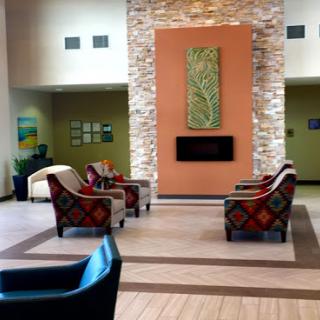
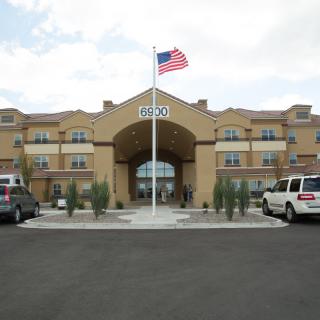
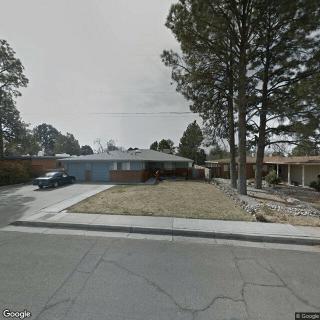
Albuquerque Heights Healthcare and Rehabilitation Center on seniors.fyi includes 6 photos including images showing building, tree, outdoors, wheelchair, interior, reception area, lobby, seating, and more.
Nearby Communities
Advantage Home Care, Inc
Albuquerque, NM
4.2 from 10 reviews
Proximity to parks, cafes, pharmacies, doctors, hospitals, restaurants, worship sites, and theaters.
Highpointe Care
Albuquerque, NM
3 from 1 review
24/7 supervision, ADL assistance, medication management, and diabetes-friendly meals.
Tender Heart Assisted Living
Albuquerque, NM
4.2 from 20 reviews
$3,500 to $4,000 / month
Sincere, attentive staff in a clean, homelike environment; Medicaid accepted and engaging activities.
Spanish Trails Rehabilitation Suites
Albuquerque, NM
4.4 from 103 reviews
Fully furnished suites with private baths and kitchenette, plus 24/7 care and extensive on-site amenities.
Hutchison Assisted Living Services - Andrew House
Albuquerque, NM
5 from 1 review
Fully furnished apartments with meals, 24-hour supervision, medication management, and medical transportation coordination.
Peak Medical Corporation
Albuquerque, NM
1 from 3 reviews
Prioritizes resident well-being with extensive nearby medical and daily amenities
Brentwood Gardens Apartments
Albuquerque, NM
Excellent nearby access to pharmacies, doctors, hospitals, dining, and parks.
Coronado Villa Retirement Resort
Albuquerque, NM
4.6 from 78 reviews
$3,730 to $5,447 / month
Strong sense of community with attentive staff, diverse activities, and multiple dining options.
Hannett House
Albuquerque, NM
5 from 1 review
Excellent access to numerous nearby amenities and healthcare options.
Skilled nursing facilities (SNFs) provide high-level medical care and rehabilitation for short-term recovery, typically covered by Medicare after hospitalization, while nursing homes focus on ongoing custodial care for chronic conditions, mainly funded by Medicaid or private payments. The staffing and regulatory structures differ significantly between the two, necessitating clarity for families in choosing appropriate long-term care options.
Nursing home care costs in the U.S. vary significantly based on location, level of care, and amenities, with private room prices ranging from approximately $6,700 to over $30,000 monthly. Families need to explore various payment options and conduct thorough research to manage these expenses effectively.
Nonmedical home care provides assistance with daily activities and companionship for individuals wishing to maintain independence and quality of life at home, without medical intervention. Its growing popularity is driven by an aging population, the need for supportive environments for recovery, and the emotional benefits of caregiver companionship, while costs vary based on service frequency and location.
Albuquerque Heights Healthcare and Rehabilitation Center photos
×
Interior
Outdoors
Building
Landscaping
Lobby
Healthcare
Interior and Wheelchair
Landscaping, Exterior, Flag, Parking, and Tree
Building
Outdoor
Outdoors
Lobby, Seating, and Reception Area
Healthcare
Get PricingAsk A QuestionSchedule A TourContact Senior Advisor
By clicking submit, you agree to our Partner's Terms of Use. You
also consent to receive calls and texts, which may be autodialed, from our Partner. Your consent is not a condition to
using our Partner's service. Please visit our Partner's Privacy Policy for information about their privacy practices.

 21 resident community capacity
 Skilled Nursing Facility
 Beauty salon
 Cable or satellite TV
 Dining room
 Fully furnished
 Garden
 Housekeeping services
 Kitchenette
 Move-in coordination
 Outdoor space
 Telephone
 Wi-Fi/high-speed internet available
 Albuquerque International (7 miles away)
 24-hour call system
 Activities of daily living assistance
 Assistance with bathing
 Assistance with dressing
 Assistance with transfers
 Diabetes diet
 Meal preparation and service
 Medication management
 Mental wellness program
 Special dietary restrictions
 Transportation arrangement (medical)
 Transportation to doctors appointments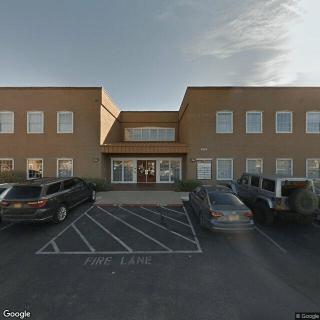
 Proximity to parks, cafes, pharmacies, doctors, hospitals, restaurants, worship sites, and theaters.

 Skilled Nursing Facilities vs. Nursing Homes: Making Sense of the Differences
 A Detailed Examination of Nursing Home Costs Across the U.S.
 Exploring Nonmedical Home Care: Understanding Services, Costs, and Financial Approaches