
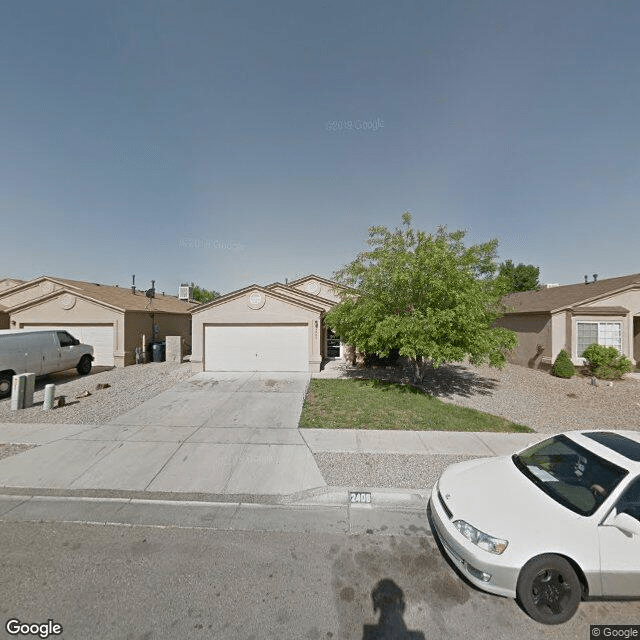
2405 Pomelo Place NW, Albuquerque, NM 87120
To contact a resident: (505) 831-7148
For more information about senior living options: (866) 208-4318
Home Sweet Home Assisted Living Costs & Pricing
Home Sweet Home Assisted Living offers competitive pricing compared to the wider market in Bernalillo County and the state of New Mexico. For semi-private rooms, residents pay $3,000 per month, which is notably lower than the county average of $3,285 and the state average of $3,324. Private rooms are priced at $3,800, again more affordable than both the county's rate of $4,602 and New Mexico's average of $4,391. Additionally, their one-bedroom accommodations match the private room price at $3,800, whereas the broader market sees higher costs of approximately $4,162 in the county and $4,055 statewide. This positioning underscores Home Sweet Home Assisted Living's commitment to providing quality care at accessible prices for families seeking supportive living arrangements.
| Floor plans | Home Sweet Home Assisted Living | Bernalillo County | New Mexico |
|---|---|---|---|
| Semi-Private | $3,000 | $3,285 | $3,324 |
| Private | $3,800 | $4,602 | $4,391 |
| 1 Bedroom | $3,800 | $4,162 | $4,055 |
Memory care communities with a similar price nearby
-
from -$200 / mo

Home Sweet Home - Palomas Drive
$2,800 to $3,500 / month7.5 miles away -
from +$400 / mo

Vista Sandia Assisted Living
$3,400 to $4,500 / month9.8 miles away -
from +$250 / mo
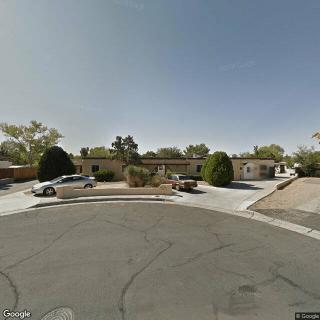
Harmony House
$3,250 to $3,600 / month9.8 miles away -
from +$400 / mo

Willowwood Assisted Living
$3,400 to $4,400 / month11.2 miles away -
from +$350 / mo

MorningStar at North Ridge
$3,350 to $10,620 / month10.0 miles away
Overall Review of Home Sweet Home Assisted Living
Pros
 Westwind House Assisted Living is a very nice, well-kept, and well-maintained facility.
- The staff are diligent and consistently keep the facility clean.
- The dining and activity areas are always clean.
- The activity director is very kind and genuinely cares for the well-being of each resident.
- The facility offers excellent live music entertainment on Fridays.
- The atmosphere is pleasing, with group activities, and the staff are patient, kind, and thorough in caring for elderly clients.
- The friendliness, care, and extra attention shown to all residents make it a wonderful place to be.
- Maria, the Executive Director, is kind and shows love and appreciation for every resident and staff, contributing to residents' happiness.
Cons
 The facility neglects residents.
- It allows residents to smoke marijuana.
- The bosses talk very poorly about their workers.
- The place is very unkempt.
- The environment is depressing, and a reviewer cannot imagine their mother there and wants to leave quickly.
Review
Home Sweet Home Assisted Living in Albuquerque is best suited for families that are ready to stay highly engaged and advocate actively for a loved one. This community may attract those seeking a smaller, potentially more affordable setting where care can be shaped through hands-on family involvement. The trade-off is clear: the care environment appears to require vigilant oversight to prevent lapses, and families must be prepared to push for regular communication, detailed care plans, and consistent accountability from leadership. In practical terms, this is a place where a resident’s daily comfort and safety depend as much on family presence and monitoring as on the staff’s routine duties. For families that can commit to frequent visits, frequent check-ins, and a structured review cadence with administrators, the option becomes more workable.
Those who should seriously consider alternatives are families with high needs for supervision, complex medical care, or memory care support, where any gap in care could have immediate consequences. The reviews raise red flags about neglecting residents, and one account claims the facility permits marijuana use on premises, which raises safety and medical-compatibility concerns. Additionally, allegations that leadership speaks poorly of workers suggest a fragile morale and potential turnover, which often translates into inconsistent caregiving and weaker continuity of care. For residents requiring reliable, proactive intervention around-the-clock, or for families prioritizing a consistently respectful and well-managed staff culture, other Albuquerque options merit strong consideration.
In weighing the reported downsides, the lack of clearly documented, persistent operational strengths matters. The negative feedback centers on safety and leadership gaps, issues that inherently undermine trust in daily routines, medication administration, and responsive problem-solving. Without credible, ongoing evidence of robust staffing, clear escalation protocols, and transparent communication, the potential benefits of a smaller setting do not offset the primary risks. Pros that would balance these concerns, such as exceptional programming, high staff morale, or consistently attentive care, are not evident in the available reviews. For families prioritizing reliability and predictable quality of life, the balance tilts toward alternatives with clearer, steadier performance indicators.
By contrast, nearby facilities in Albuquerque illustrate what effective care looks like when leadership, staffing, and resident engagement align well. Westwind House Assisted Living, for example, is repeatedly praised for a clean, well-kept environment, consistently diligent staff, and a focus on meaningful activity for residents, including engaging entertainment and a responsive activity director. Families evaluating options can use these benchmarks to calibrate expectations: visible cleanliness, staff steadiness, proactive programming, and warm, respectful resident interactions are the hallmarks of quality care. When comparing to Home Sweet Home, these references set a high standard and underscore what families should demand in every tour, conversation, and agreement.
The practical path forward is clear. Conduct targeted inquiries: request a detailed care plan for each resident, including medication management, safety protocols, and escalation procedures; observe a tour to assess cleanliness, noise levels, and staff responsiveness; speak with current residents and their families about consistency of care and communication; probe staffing ratios and turnover, as well as the method for addressing concerns or complaints. Explicitly ask about the on-site policy on smoking and substance use, and verify compliance with medical and safety regulations. Seek concrete examples of problem resolution and how care plans adapt to changing needs. If the facility cannot provide compelling, verifiable answers or shows a pattern of turnover and communication gaps, the prudent choice is to consider stronger alternatives.
Ultimately, Home Sweet Home Assisted Living appears best suited for a specific niche: families prepared to invest substantial time and energy into advocacy, comfortable with a setting where supervision may require constant follow-up, and willing to accept the possibility of care inconsistencies. For most families seeking predictable quality, reliable staffing, and a robust safety net, other Albuquerque communities offer clearer strengths and fewer red flags. The decision should hinge on a candid assessment of risk tolerance, the resident’s care needs, and the family’s capacity to supervise closely. In this market, the prudent course is to tour alternatives with proven staffing stability and resident-centered programming, and to reserve this option only for cases where proactive oversight is assured and unavoidable trade-offs are accepted as a condition of residence.
 Board and Care Home
 Day Program
 Memory Care
 Private
 Albuquerque International (8 miles away)
 Diabetic care
 Incontinence care
 Medication management

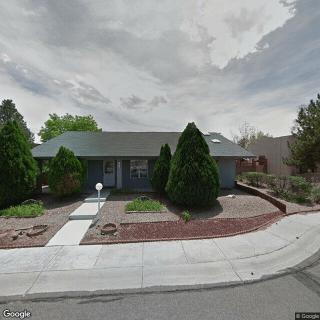

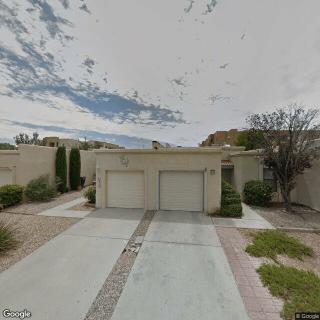


 5 Early Indicators of Dementia and What You Can Do
 8 Important Indicators That Memory Care May Be Necessary
 Delving into the Inner World of Dementia: Insights into Thoughts and Awareness