Millennium Memory Care at Freehold Costs & Pricing
Millennium Memory Care at Freehold offers a distinctive memory care experience, with monthly costs for a studio room set at $8,500. This rate is notably higher than the average costs in Ocean County, which stands at approximately $4,500, and even surpasses the New Jersey state average of around $5,286. While the premium pricing reflects the specialized services and supportive environment tailored for residents with memory care needs, it underscores a commitment to quality that may appeal to families seeking exceptional care for their loved ones.
Floor plans
Millennium Memory Care at Freehold
Ocean County
New Jersey
Studio
$8,500
$4,500
$5,286
Memory care communities with a similar price nearby
Overall Review of Millennium Memory Care at Freehold
common12 reviews mention this
Home-cooked meals are a highlight
Residents and families frequently praise homemade meals and desserts.
Multiple reviews single out the food as a standout, describing homemade meals served on site and desserts they enjoyed. A few families also mention specific treats like unlimited ice cream and attention to favorite snacks. Several residents appear comfortable around meal time, with staff preparing and serving meals in a home-like way.
common4 reviews mention this
Outdoor spaces feel truly accessible
Outdoor areas and walking paths are repeatedly described as valuable.
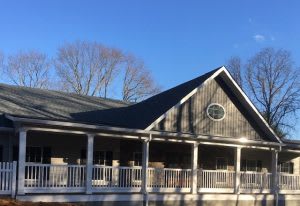
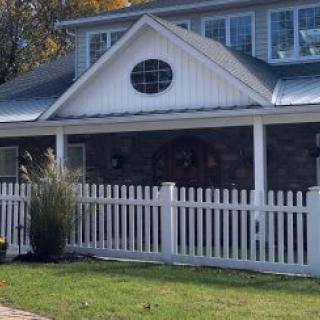
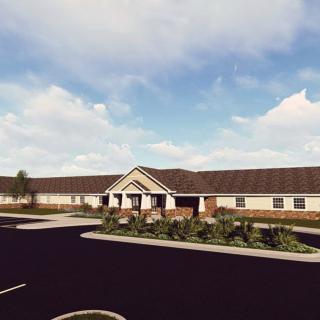
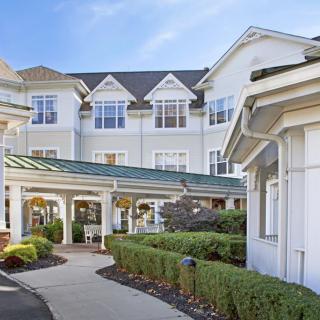
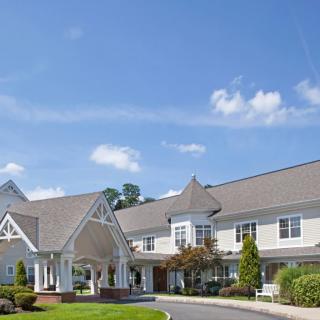
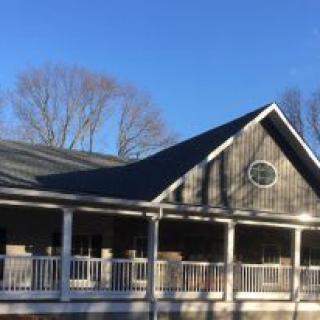
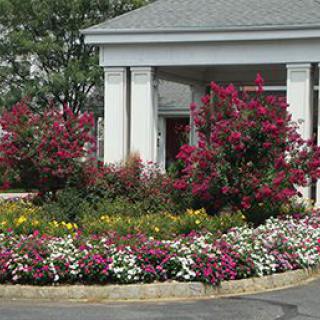
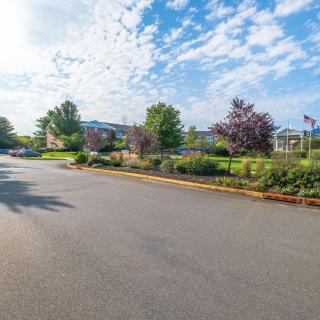
Families describe outdoor options that support safe movement and comfortable visits outside. Reviews mention an outdoor walking path, a backyard for walking, and porch seating areas where residents and family can spend time. Some also reference indoor seasonal space like a sunroom tied to daily life at the community.
differentiator2 reviews mention this
Medication adjustments and behavior focus
Families describe individualized medication handling for dementia behaviors.
One family credits the care team with helping reduce psych medication prescribed at a previous facility, describing the resident as more alert afterward. Another review emphasizes that the staff approach dementia-related behaviors with patience, including medication routines that helped the resident become safer and more settled. Together, residents and families portray medication and behavioral support as part of how care is tailored day to day.
common6 reviews mention this
Clean, well-kept setting matters
Reviews repeatedly mention a clean, well-maintained home environment.
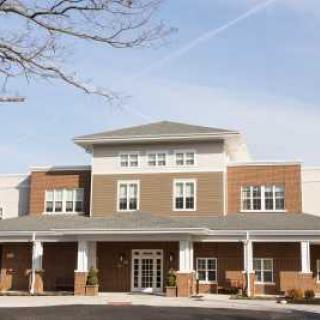
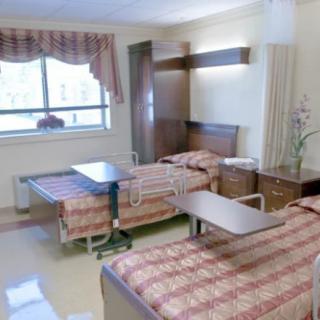
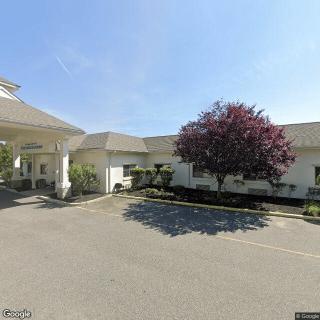
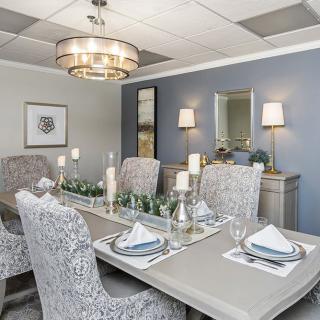
Several families describe the community as bright and clean, including residents’ rooms being kept tidy. Reviews also mention the building being well cared for overall, with no unpleasant odors noted by at least one reviewer. Combined with descriptions of a home-like layout, the cleanliness shows up as a consistent part of what families notice and trust.
How we summarize
Counts show how many written reviews mention each theme; a review can touch several themes, and only frequently mentioned themes are displayed.
Features
Types of Care
Memory Care
Care Services
Ambulatory care
Diabetic care
Medication management
Nearby Places of Interest
This part of Freehold, New Jersey, offers a variety of amenities and services that cater to the needs of seniors. With several restaurants, theaters, and cafes in close proximity, there are plenty of options for dining out and entertainment. Additionally, there are numerous physicians' offices and pharmacies nearby, ensuring easy access to medical care and prescriptions. For outdoor recreation, there are several parks within driving distance for leisurely walks or picnics. Transportation options are also available for getting around the area conveniently. Overall, this location provides a convenient and comfortable environment for seniors looking to settle down in Freehold.
Restaurants
McDonald's (0.2 miles)
Tre Pizza, Pasta, Beer Garden (0.6 miles)
Tommys Tavern + Tap (0.7 miles)
P.F. Chang's China Bistro (1.3 miles)
Jersey Freeze (1.3 miles)
The Cheesecake Factory (1.3 miles)
Escondido's Mexican Restaurant (1.3 miles)
Theaters
AMC Freehold 14 (1 miles)
AMC Monmouth Mall 15 (12.2 miles)
Physicians
Professional Orthopaedic Associates (1.1 miles)
Pediatric Health PA (1.2 miles)
Freehold Ophthalmology (1.3 miles)
Millennium Eye Care (1.4 miles)
University Radiology (1.9 miles)
Dr Minzter's Office (1.9 miles)
1001 Medical Plaza (2.1 miles)
Pharmacies
CVS Pharmacy (1.1 miles)
Walgreens (1.4 miles)
Walgreens (3.1 miles)
Wegmans (3.4 miles)
CVS Pharmacy (4.3 miles)
CVS Pharmacy (4.8 miles)
CVS Speciality (5.1 miles)
Hospitals
Bright Horizons At Centrastate Medical Center (1.8 miles)
Meridian Health System (7.5 miles)
Raritan Bay (9.9 miles)
Parks
East Freehold Park & Showgrounds (2.3 miles)
Thompson Park (10.3 miles)
Monroe Twp. Veteran's Park (11.3 miles)
Mundy Ave Park (11.6 miles)
Half-Acre Park (11.7 miles)
Transportation
Union Hill Rd Park & Ride (6.8 miles)
Bus Stop Twin Rivers Loop (11 miles)
Cafes
Starbucks (7.8 miles)
Starbucks (11 miles)
Starbucks (12.4 miles)
Places of Worship
Monroe Township Jewish Center Congregation Etz Chaim (10.4 miles)
Millennium Memory Care at Freehold offers a distinctive memory care experience, with monthly costs for a studio room set at $8,500. This rate is notably higher than the average costs in Ocean County, which stands at approximately $4,500, and even surpasses the New Jersey state average of around $5,286. While the premium pricing reflects the specialized services and supportive environment tailored for residents with memory care needs, it underscores a commitment to quality that may appeal to families seeking exceptional care for their loved ones.
Medication management at Millennium Memory Care at Freehold plays a crucial role in supporting the health and well-being of residents with dementia or Alzheimer's disease. By ensuring that medications are administered accurately and on schedule, the facility helps minimize confusion and potential complications that can arise from missed doses or incorrect usage. This organized approach not only alleviates stress for both residents and their families but also promotes adherence to prescribed treatment plans, which is essential for managing symptoms and enhancing overall quality of life. Additionally, trained staff are available to monitor any side effects or changes in condition, allowing for timely adjustments to medications as needed, thereby providing a safe and supportive environment tailored to the unique challenges faced by individuals with cognitive impairments.
Nearby Communities
The Jewish Home for Rehabilitation and Nursing
Freehold, NJ
4.9 from 121 reviews
Independence-focused staff with respite options.
Tahanan Residential Healthcare Facility
Freehold, NJ
3 from 2 reviews
$1,500 to $2,200 / month
Competitive pricing relative to local and state averages.
Reminiscence therapy helps individuals with dementia recall past memories through structured discussions and meaningful objects, enhancing mood, relationships, and sense of identity while celebrating their lives. It can be practiced in formal settings or at home, requiring sensitivity to personal histories and cultural backgrounds.
Reminiscence therapy is a structured method for older adults, especially those with dementia, to share life stories using prompts and sensory cues, fostering emotional well-being, social engagement, and self-identity. It aims to improve quality of life by enhancing interpersonal connections and cognitive stimulation while requiring careful facilitation to avoid distressing memories.
Dementia, particularly Lewy body dementia, often involves hallucinations that can significantly distress both patients and caregivers due to disruptions in sensory processing and neurotransmitter imbalances. Effective management includes compassionate communication, environmental adjustments, and a multidisciplinary approach to care while addressing the emotional needs of caregivers.
Get PricingAsk A QuestionSchedule A TourContact Senior Advisor
By clicking submit, you agree to our Partner's Terms of Use. You
also consent to receive calls and texts, which may be autodialed, from our Partner. Your consent is not a condition to
using our Partner's service. Please visit our Partner's Privacy Policy for information about their privacy practices.

 Memory Care
 Ambulatory care
 Diabetic care
 Medication management
 Independence-focused staff with respite options.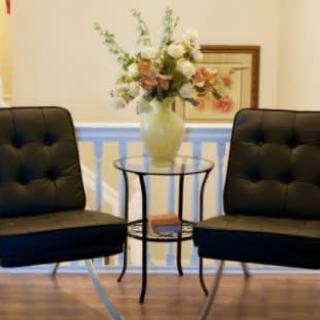
 Exploring the Power of Reminiscence Therapy for Individuals With Dementia
 An In-Depth Look at Reminiscence Therapy in Dementia Care
 Dementia-Related Hallucinations: Causes, Experiences, and Practical Approaches