For more information about senior living options: (866) 208-4318
4.5 from 36 reviews
5 stars
28
4 stars
4
3 stars
0
2 stars
1
1 stars
3
Monmouth Crossing Costs & Pricing
At Monmouth Crossing, the monthly costs for various room types reflect a premium comparative to both Ocean County and the broader New Jersey market. For instance, the studio apartment is priced at $5,992, significantly higher than the average Ocean County rate of $4,500 and also above the state average of $5,286. Similarly, a one-bedroom unit in Monmouth Crossing comes in at $6,753, which surpasses both Ocean County's $4,332 and New Jersey's own average of $5,994. The two-bedroom option sees an even more pronounced difference in pricing; it is listed at $9,703 - well above the county's cost of $4,353 and the state's average of $6,216. This suggests that while Monmouth Crossing may offer enhanced amenities or services justifying its higher rates, potential residents should carefully consider their budget relative to these costs.
Floor plans
Monmouth Crossing
Ocean County
New Jersey
Studio
$5,992
$4,500
$5,286
1 Bedroom
$6,753
$4,332
$5,994
2 Bedrooms
$9,703
$4,353
$6,216
Memory care communities with a similar price nearby
Residents and families consistently describe staff who are caring and responsive to needs.
Across many reviews, families say the staff are attentive and genuinely interact with residents, and that they respond quickly when something changes. Several mentions highlight communication with families and being notified immediately, which helps give peace of mind. A few reviews also specifically criticize leadership when it comes to support and follow-through, but even those accounts often distinguish strong aides and activity people from management.
common8 reviews mention this
Clean, low-odor facility matters
Multiple reviews emphasize the community stays clean and does not have strong odors.
Residents and visitors repeatedly mention cleanliness as a major positive, including comments about no smells in hallways and spotless facilities. Several reviews also describe the building as well maintained and beautifully decorated. One negative review criticizes overall conditions, but the majority of cleanliness feedback is straightforward and consistent.
common9 reviews mention this
Activities keep residents engaged
Reviews frequently mention a steady schedule of activities residents can join.
Many families describe a variety of daily activities, from exercise and classes to arts, entertainment, and group social events. A few reviews also mention specific preferences being considered, like encouraging residents who are less inclined to participate. One review calls out a gap on weekends, but the overall pattern is that there are usually things happening during the day.
differentiator12 reviews mention this
Dining is a frequent highlight
Dining is repeatedly praised for taste, variety, and accommodating preferences.
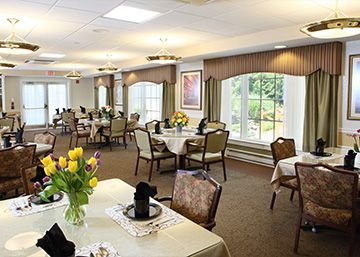
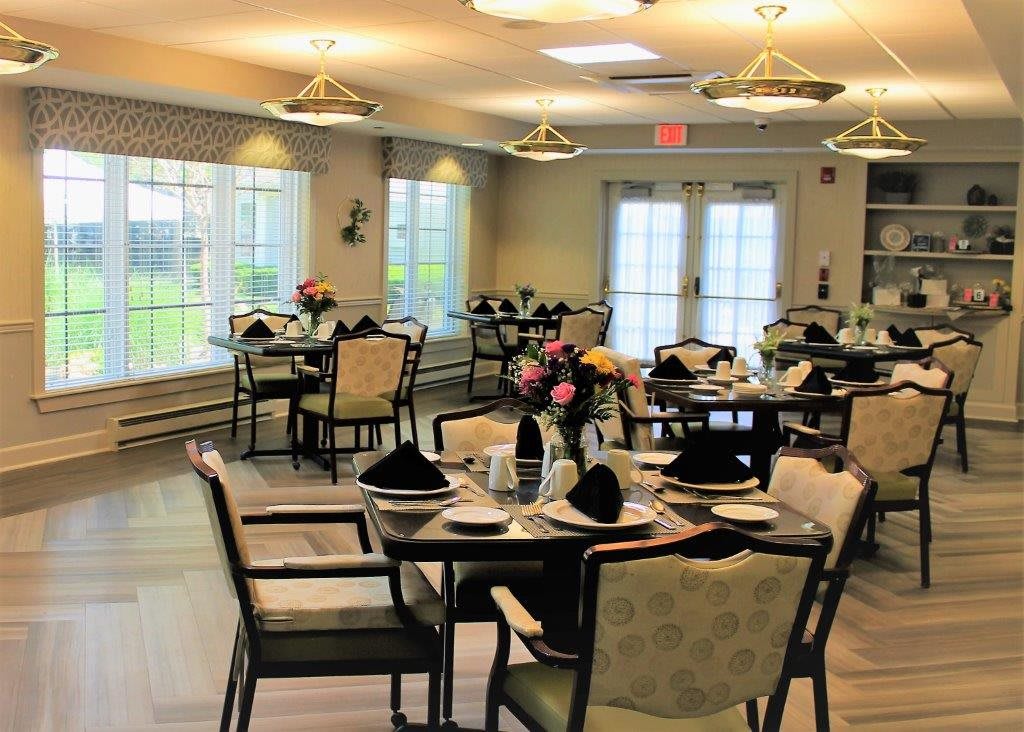
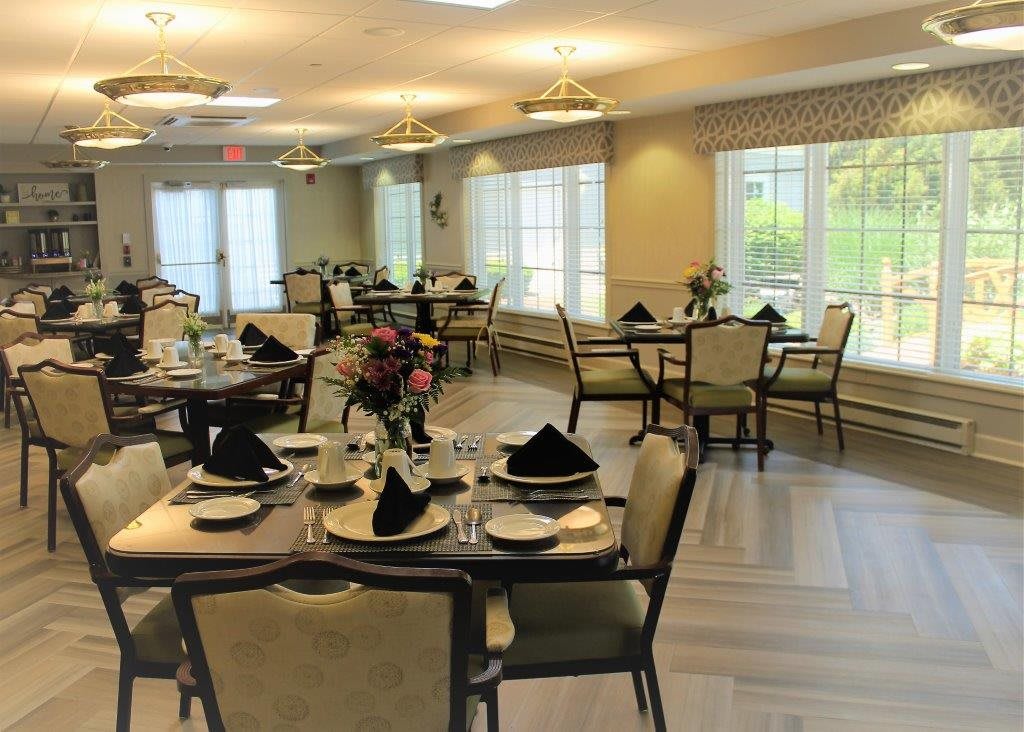
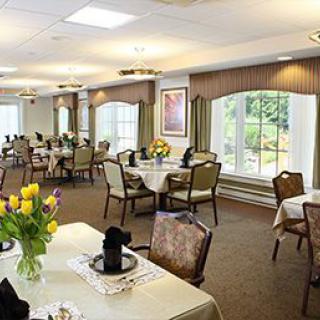
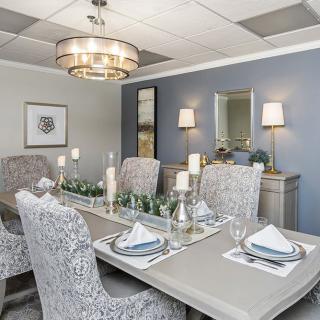
Food comes up often, with multiple reviews describing meals as delicious and enjoyable, including breakfast and overall variety. Several families mention that residents can request alternatives if they do not like what is on the menu, or that there is an all-day option when needed. The community also offers restaurant-style dining and room service, which aligns with the way residents describe day-to-day meals.
caveat3 reviews mention this
Pricing feels high or restrictive
Some families found pricing details or requirements less workable than other options.
A few reviews mention comparing communities based on better price elsewhere or needing to revisit pricing and care options before moving forward. Another review specifically says they did not choose the community because it required private pay for two years. Pricing from $5,992 to $9,703 across unit types also places costs above both county and state benchmarks, which helps explain why price can come up early in the decision process.
How we summarize
Counts show how many written reviews mention each theme; a review can touch several themes, and only frequently mentioned themes are displayed.
Features
Housing
94 resident community capacity
Types of Care
Assisted Living
Memory Care
Respite Care
Pets
Cats allowed
Dogs allowed
Amenities
Activities off-site
Activities on-site
Air-conditioning
Beautician on-site
Beauty salon
Cable or satellite TV
Computer center
Devotional services off-site
Devotional services on-site
Dining room
Fitness room
Fully furnished
Gaming room
Garden
Garden view
Ground floor units
Handicap accessible
Housekeeping services
Indoor common areas
Kitchenette
Move-in coordination
Outdoor common areas
Outdoor space
Private bathrooms
Respite or short term stays offered
Restaurant-style dining
Small library
Telephone
Wellness center
Wheelchair accessible showers
Wi-Fi/high-speed internet available
Transportation
Community operated transportation
Transportation arrangement
Transportation arrangement (non-medical)
Transportation to doctors appointments
Care Services
12-16 hour nursing
24-hour call system
24-hour supervision
Activities of daily living assistance
Ambulatory care
Assistance with bathing
Assistance with dressing
Assistance with transfers
Diabetes diet
Diabetic care
High acuity care
Incontinence care
Meal preparation and service
Medication management
Mental wellness program
Mild cognitive impairment
Special dietary restrictions
Specialized memory care programming
Dining
Anytime dining
Diabetes diet
Gluten-free
Guest meals
International cuisine
Low / no sodium
Meals provided
No Sugar
Professional chef
Restaurant style dining
Room service
Special dietary restrictions
Special dining programs
Vegan
Vegetarian
Activities
Art classes
Community-sponsored activities
Concierge services
Cooking classes
Day trips and outings
Devotional activities offsite
Devotional activities on-site
Educational speakers / life long learning
Fitness programs
Jewish services
Karaoke
Live well programs
Planned day trips
Protestant services
Resident-run activities
Scheduled daily activities
Visiting Rabbi
Visiting chaplain or priest
Videos
Nearby Places of Interest
Located in Freehold, New Jersey, this area is home to a variety of healthcare facilities including physicians' offices, hospitals, and pharmacies, all within close proximity for easy access to medical care. There are also numerous dining options such as Escondido's Mexican Restaurant and P.F. Chang's China Bistro, providing a diverse range of cuisine for residents to enjoy. For recreational activities, residents can visit the nearby East Freehold Park & Showgrounds or take a short drive to Thompson Park for outdoor relaxation. Additionally, transportation options like the Union Hill Rd Park & Ride make it convenient for seniors to travel around the area. With amenities like cafes, theaters such as AMC Freehold 14, and places of worship like Monroe Township Jewish Center Congregation Etz Chaim nearby, this part of Freehold offers a well-rounded community for senior living.
Physicians
University Radiology (0.1 miles)
Dr Minzter's Office (0.2 miles)
1001 Medical Plaza (0.3 miles)
Millennium Eye Care (0.4 miles)
Advanced Orthopedics and Sports Medicine Institute, PC (0.5 miles)
Freehold Ophthalmology (0.5 miles)
Pediatric Health PA (0.6 miles)
Hospitals
Bright Horizons At Centrastate Medical Center (0.2 miles)
Meridian Health System (7.1 miles)
Raritan Bay (10.2 miles)
NJ Spine and Wellness (13.1 miles)
Restaurants
Escondido's Mexican Restaurant (0.5 miles)
P.F. Chang's China Bistro (1.3 miles)
The Cheesecake Factory (1.3 miles)
McDonald's (1.6 miles)
Tommys Tavern + Tap (1.9 miles)
Jersey Freeze (2 miles)
Tre Pizza, Pasta, Beer Garden (2.4 miles)
Pharmacies
Walgreens (0.6 miles)
CVS Pharmacy (2.5 miles)
CVS Pharmacy (3.3 miles)
Walgreens (3.7 miles)
Wegmans (3.8 miles)
CVS Speciality (5.1 miles)
Walgreens (5.3 miles)
Theaters
AMC Freehold 14 (1.3 miles)
Parks
East Freehold Park & Showgrounds (4 miles)
Thompson Park (9.4 miles)
Half-Acre Park (10.5 miles)
Monroe Twp. Veteran's Park (10.8 miles)
Mundy Ave Park (11.3 miles)
Welsh Park (13.1 miles)
Transportation
Union Hill Rd Park & Ride (7.2 miles)
Bus Stop Twin Rivers Loop (9.5 miles)
Avis Rent A Car (12.7 miles)
Cafes
Starbucks (8.2 miles)
Starbucks (12.1 miles)
Panera Bread (12.3 miles)
Places of Worship
Monroe Township Jewish Center Congregation Etz Chaim (10.1 miles)
At Monmouth Crossing, the monthly costs for various room types reflect a premium comparative to both Ocean County and the broader New Jersey market. For instance, the studio apartment is priced at $5,992, significantly higher than the average Ocean County rate of $4,500 and also above the state average of $5,286. Similarly, a one-bedroom unit in Monmouth Crossing comes in at $6,753, which surpasses both Ocean County's $4,332 and New Jersey's own average of $5,994. The two-bedroom option sees an even more pronounced difference in pricing; it is listed at $9,703 - well above the county's cost of $4,353 and the state's average of $6,216. This suggests that while Monmouth Crossing may offer enhanced amenities or services justifying its higher rates, potential residents should carefully consider their budget relative to these costs.
Monmouth Crossing offers a comprehensive range of features that directly support residents with dementia or Alzheimer's disease, promoting their well-being and enhancing their quality of life. The 24-hour supervision ensures that trained staff are always available to respond to the unique needs of each resident, providing a sense of security and stability. Assistance with activities of daily living, such as bathing, dressing, transfers, and incontinence care, helps maintain personal dignity while ensuring safety and comfort. Meal preparation and service tailored to individual dietary requirements not only promote nutrition but also foster familiar routines that can be comforting for residents. Medication management is critical in preventing potential health complications by ensuring timely adherence to prescribed regimens. The incorporation of a mental wellness program addresses cognitive stimulation through engaging activities designed for those with mild cognitive impairment, while specialized memory care programming provides structured support that acknowledges the distinct challenges posed by memory loss. Together, these features create an environment that supports both physical and emotional health for individuals facing the complexities of dementia-related conditions.
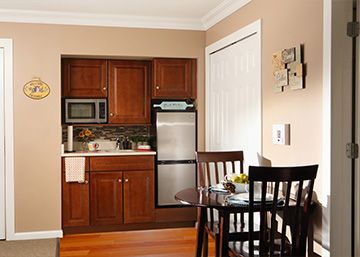
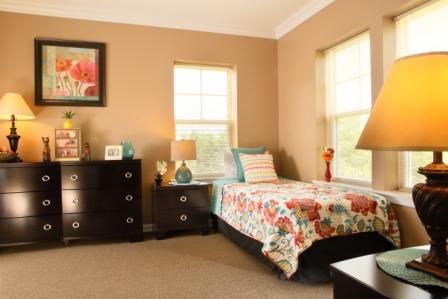
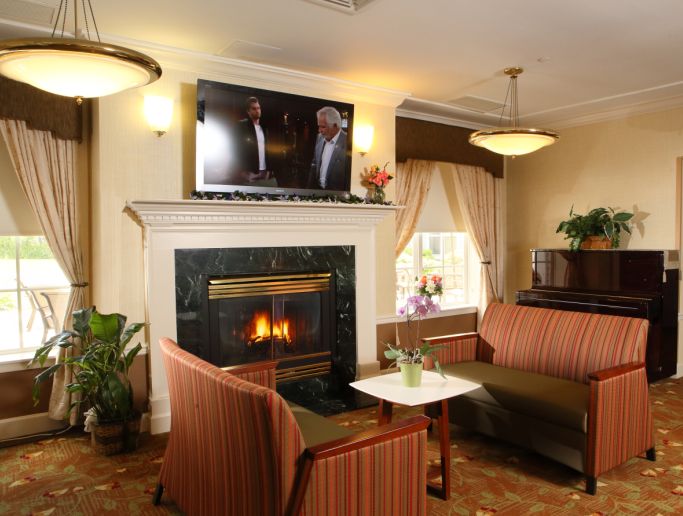
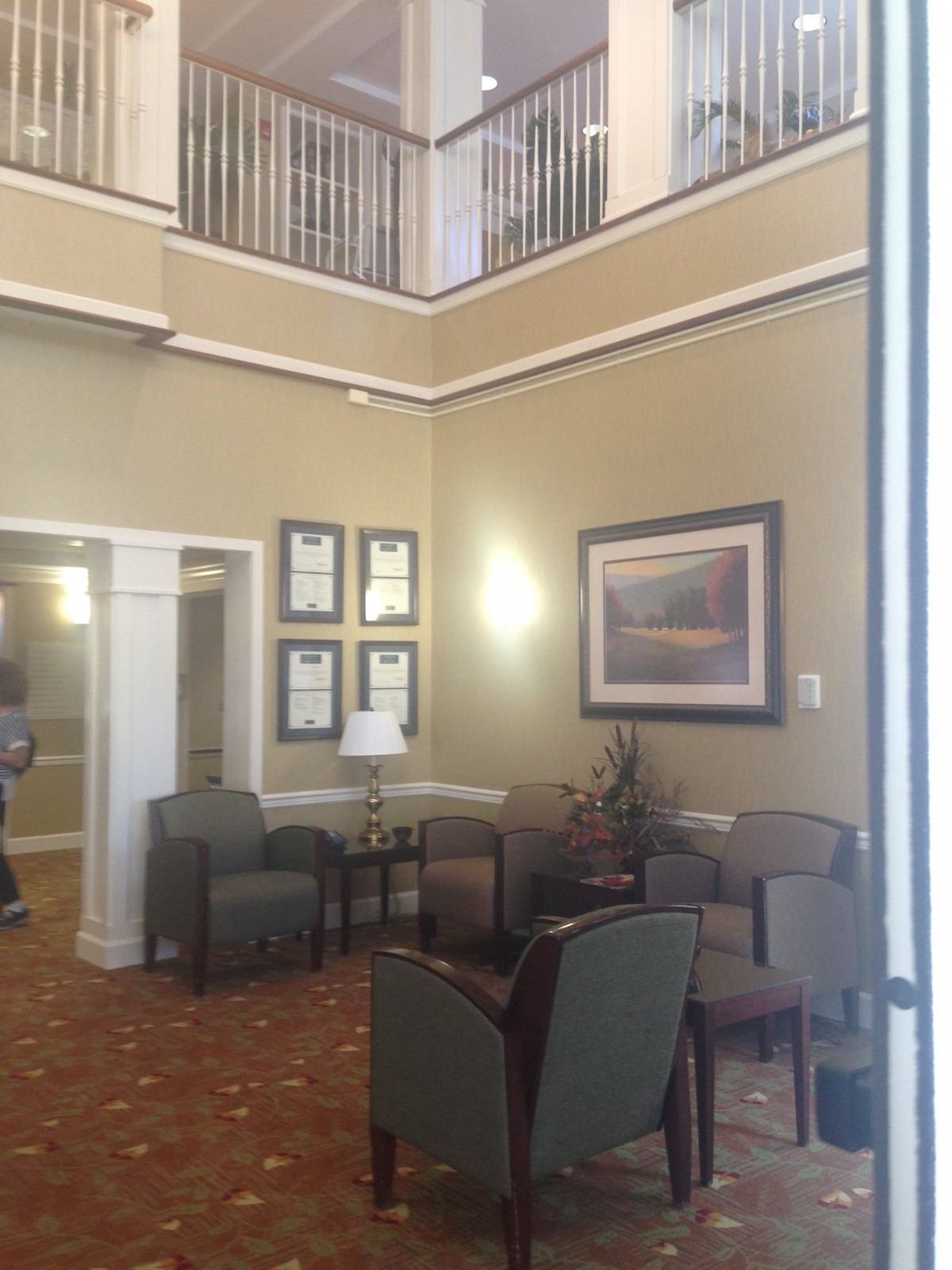
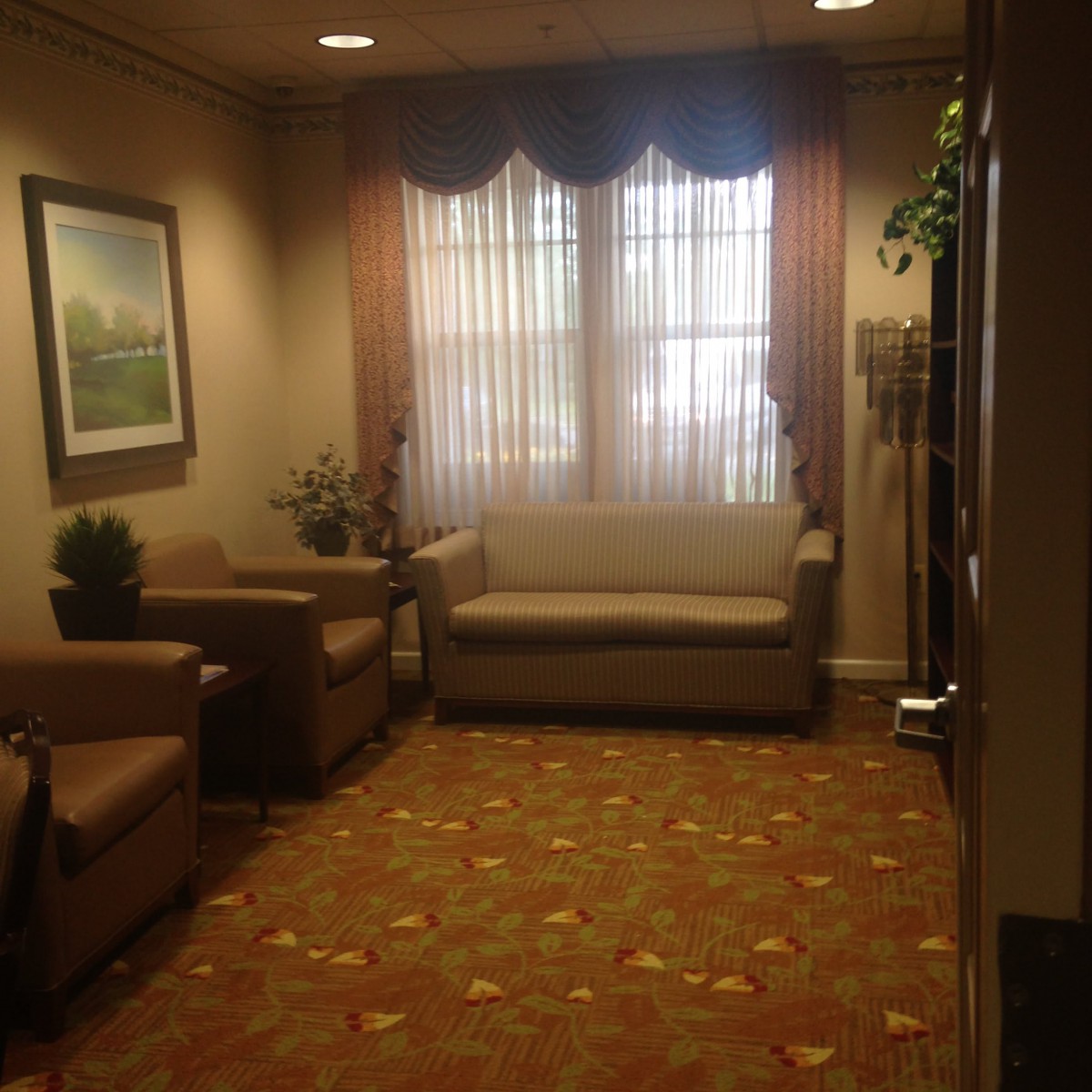
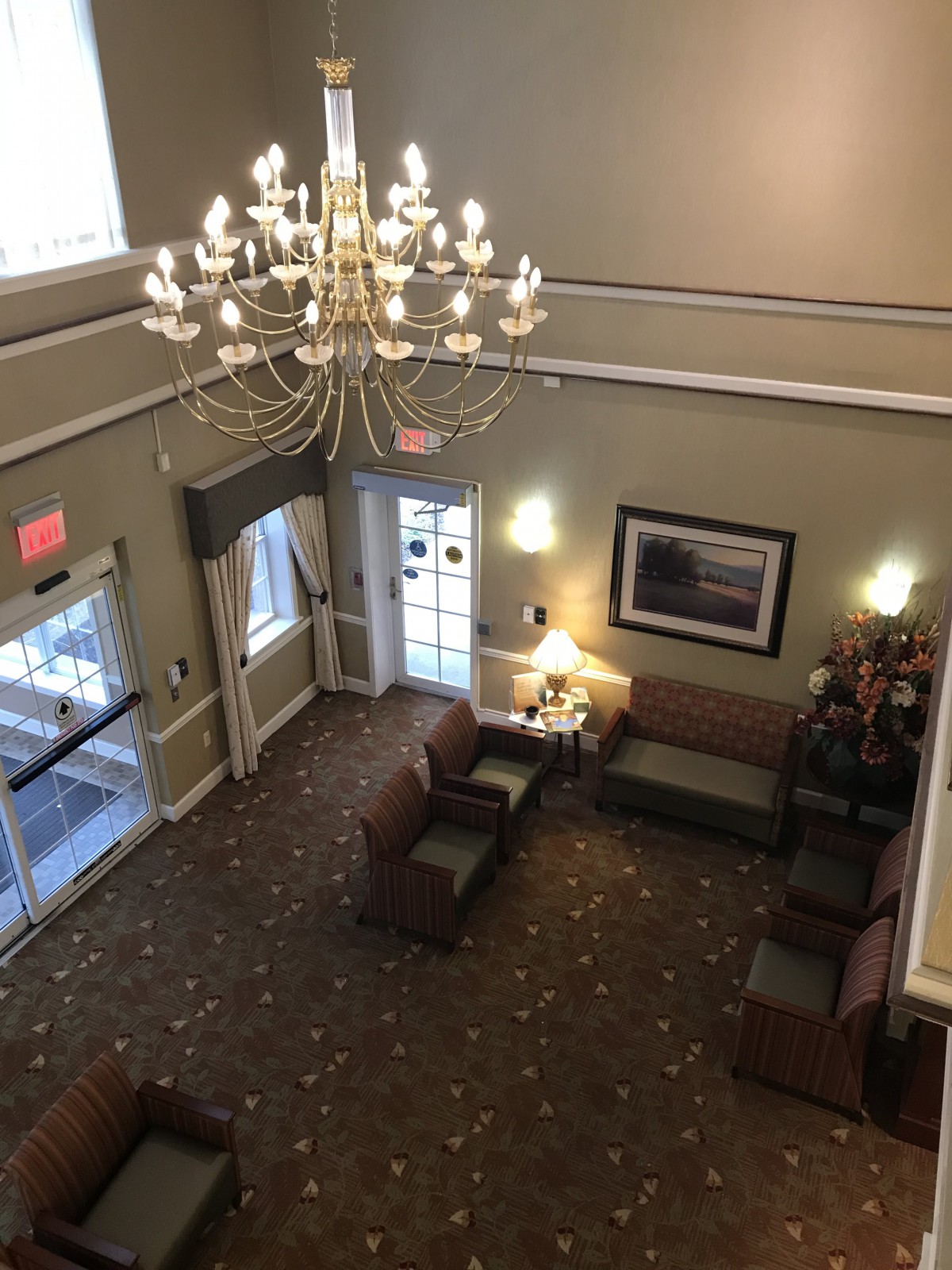
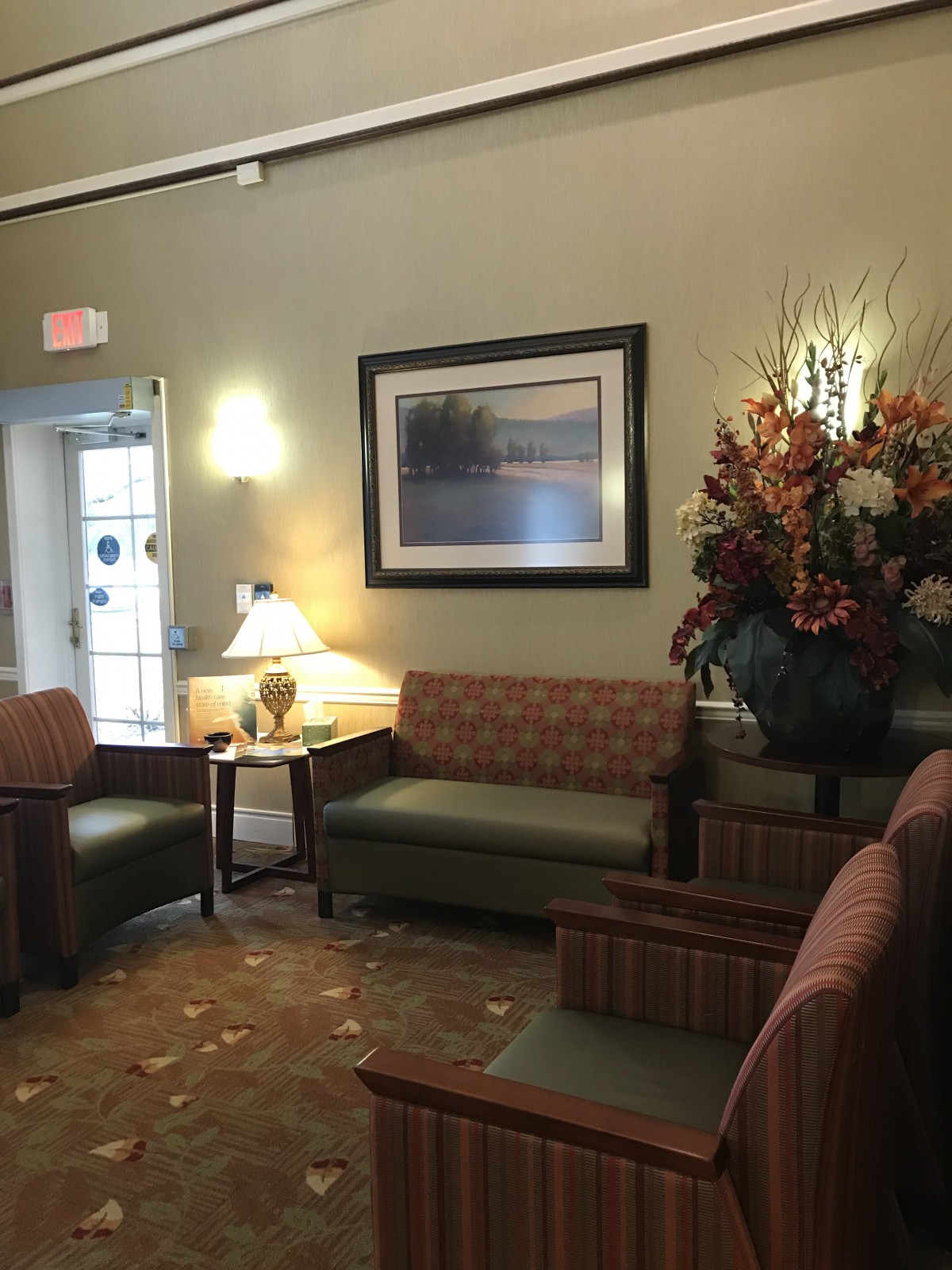
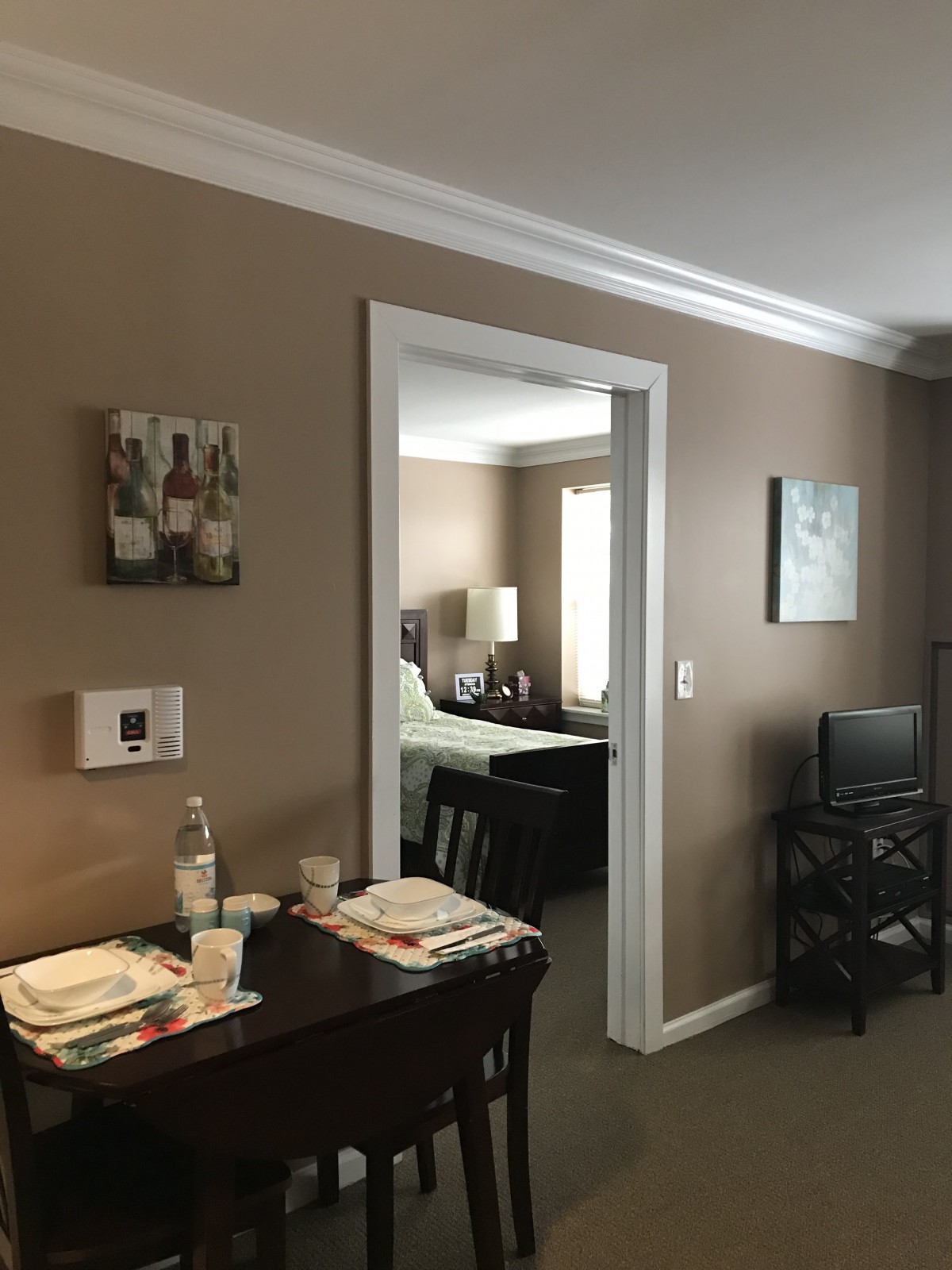
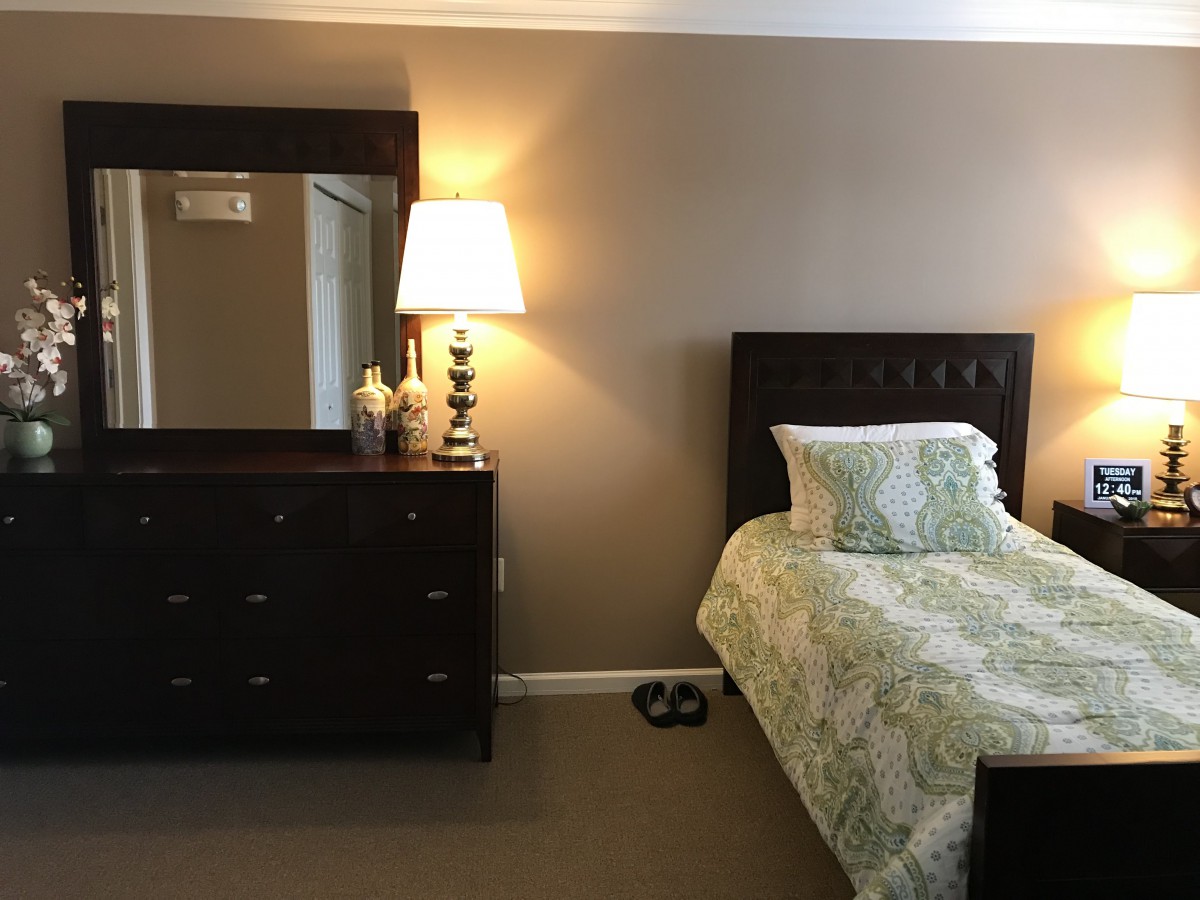
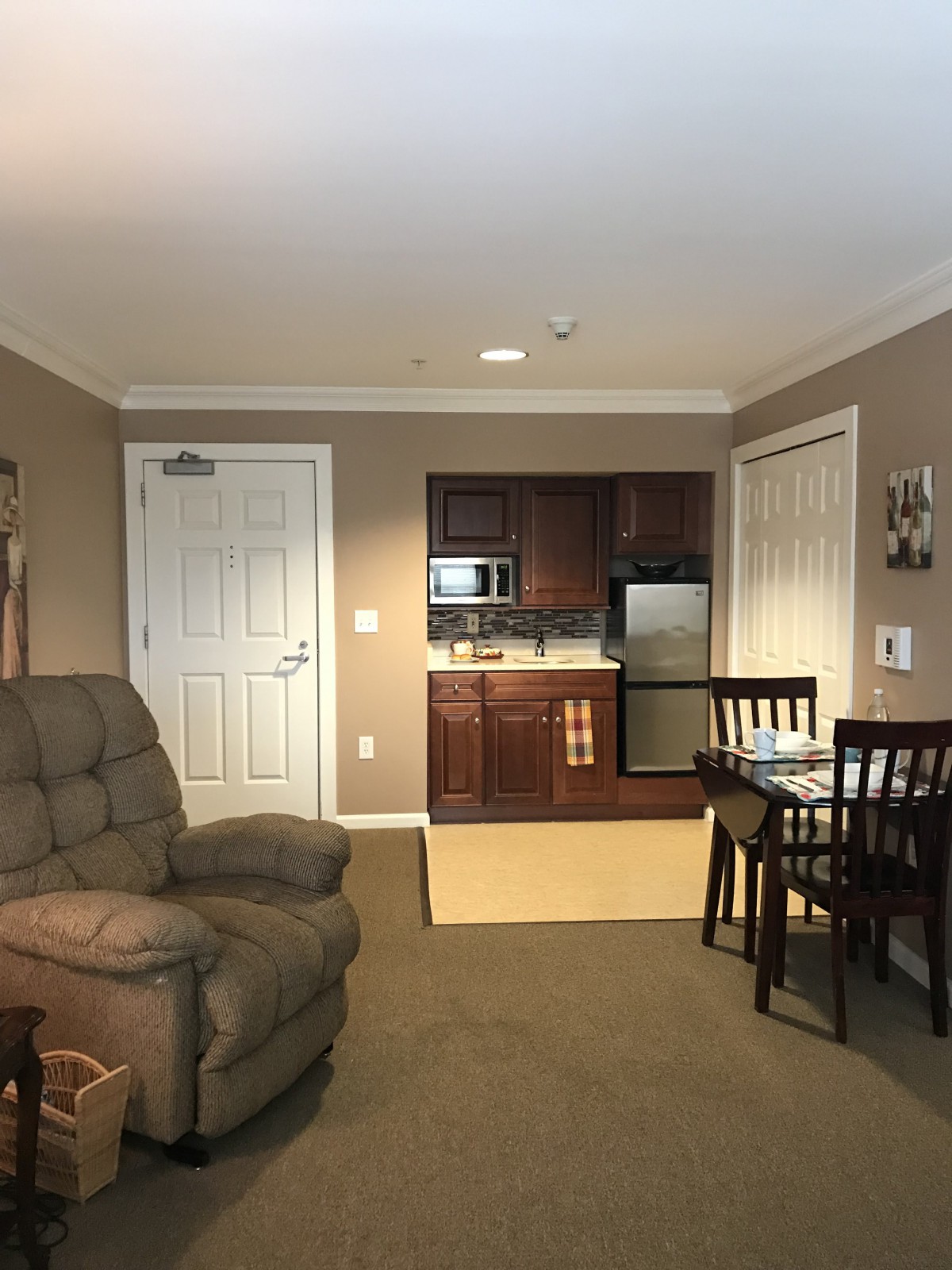
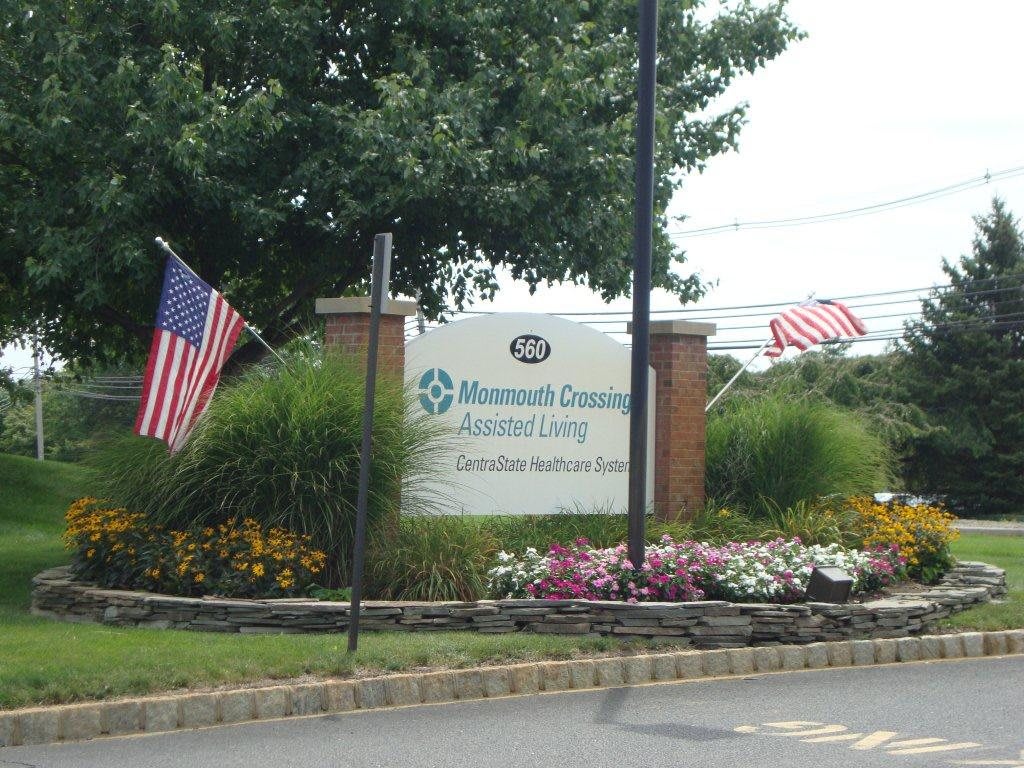
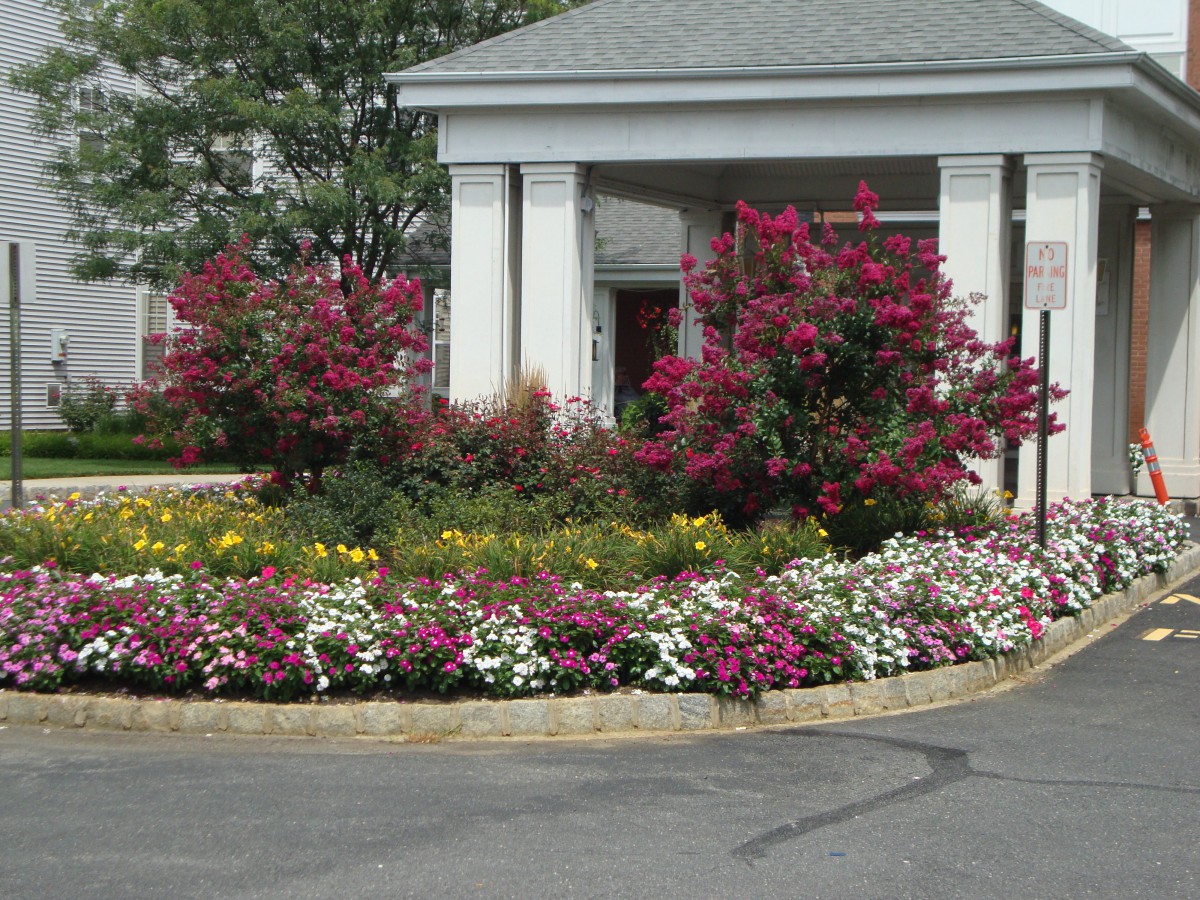
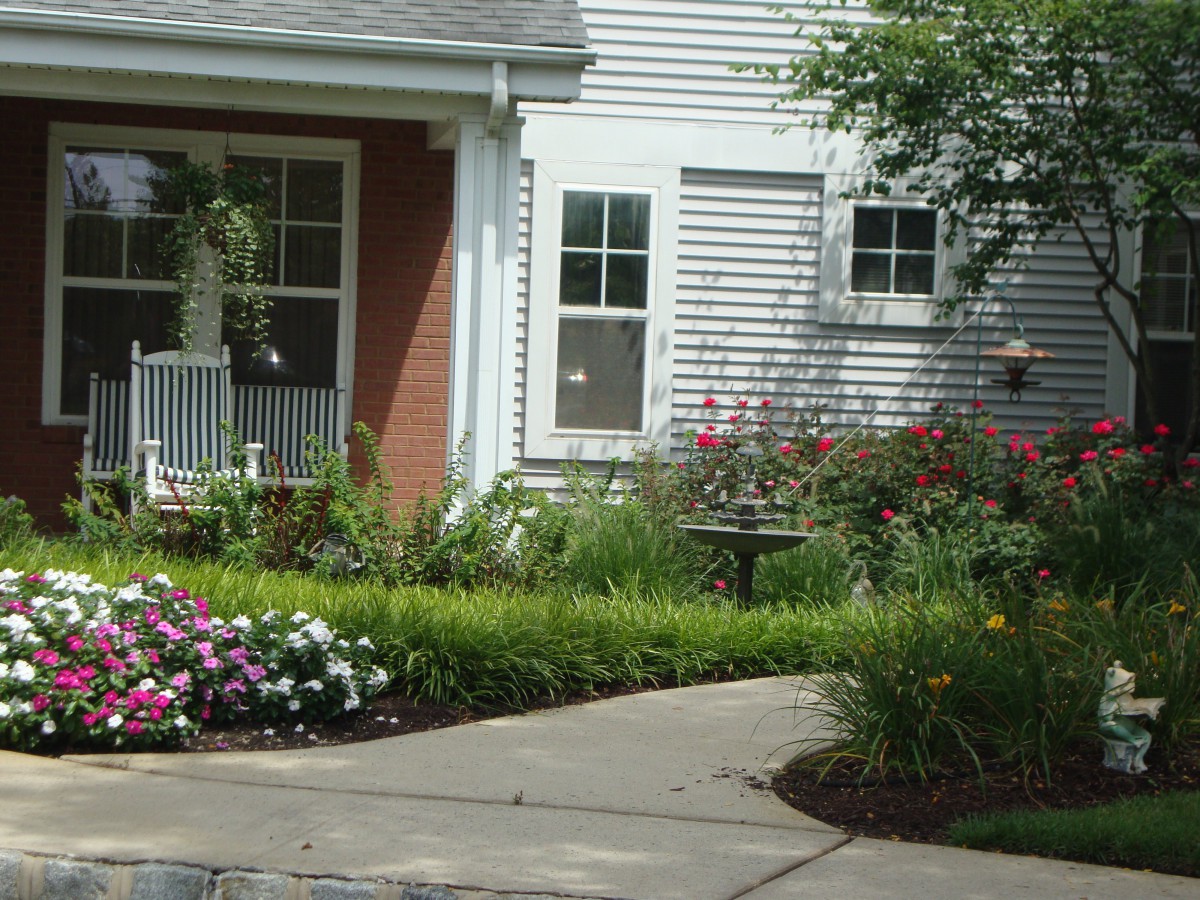
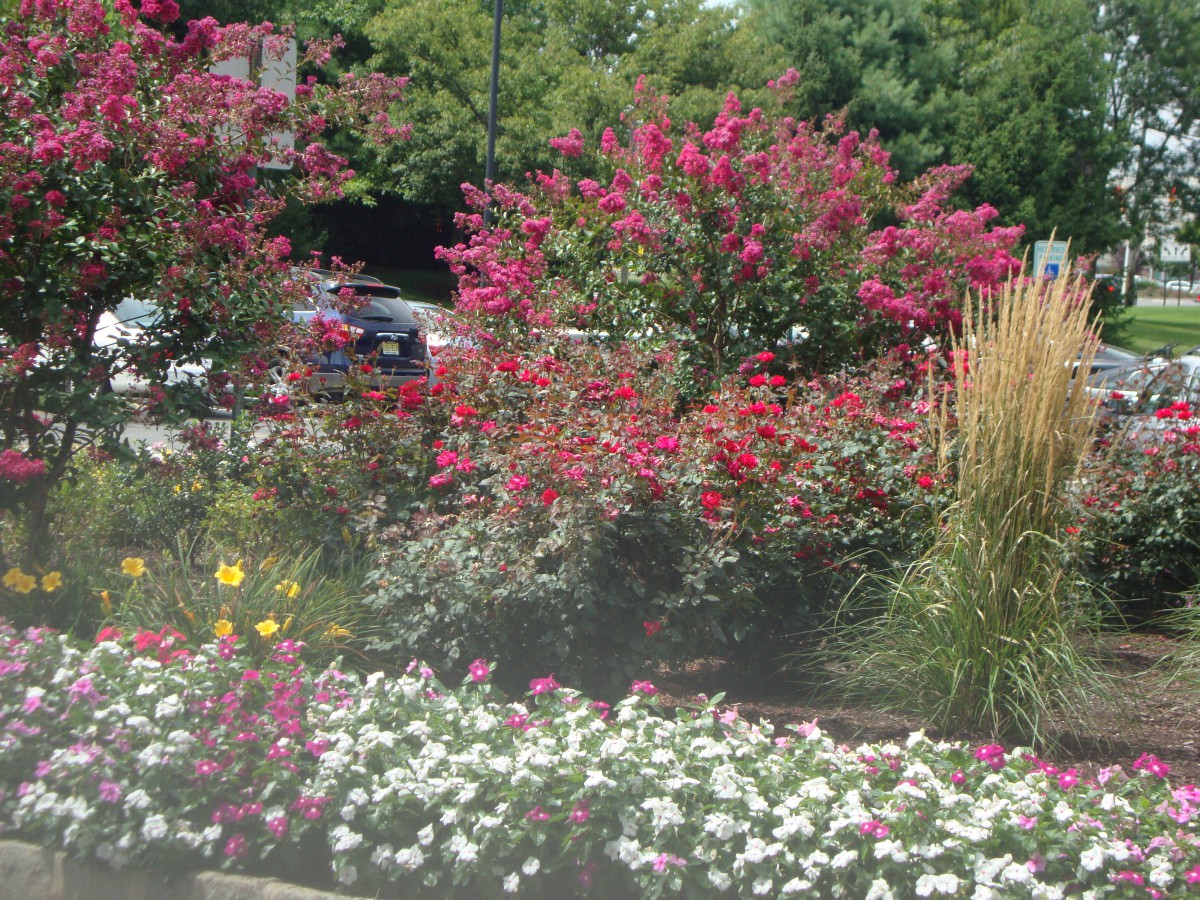
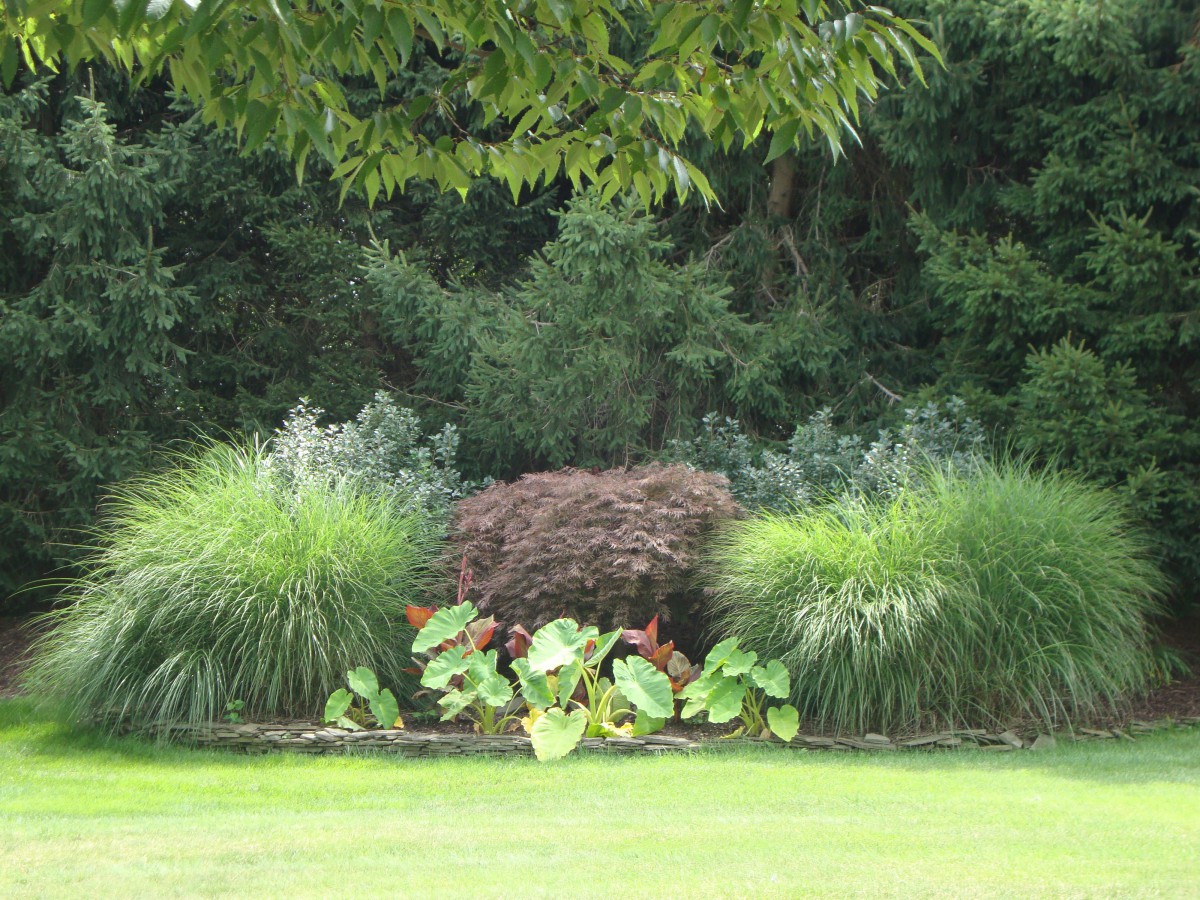
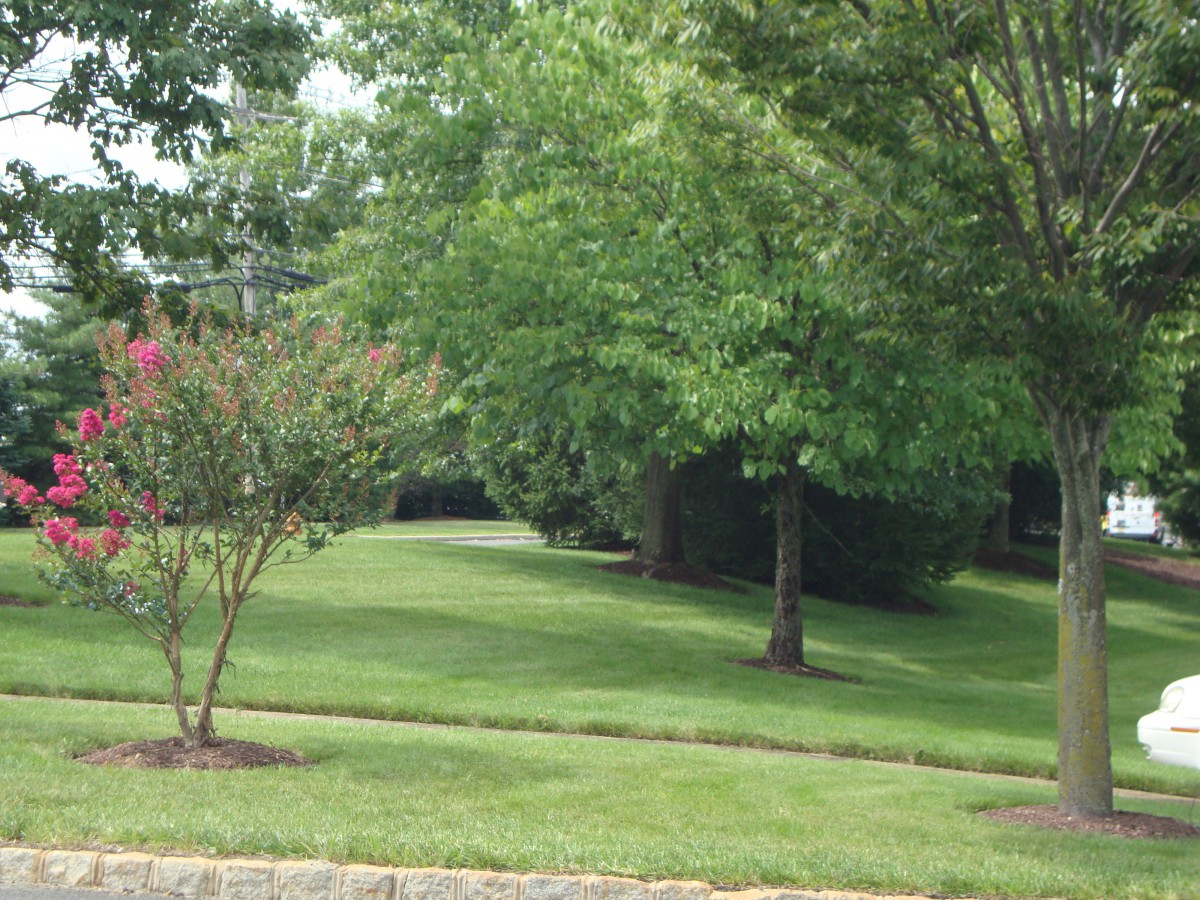
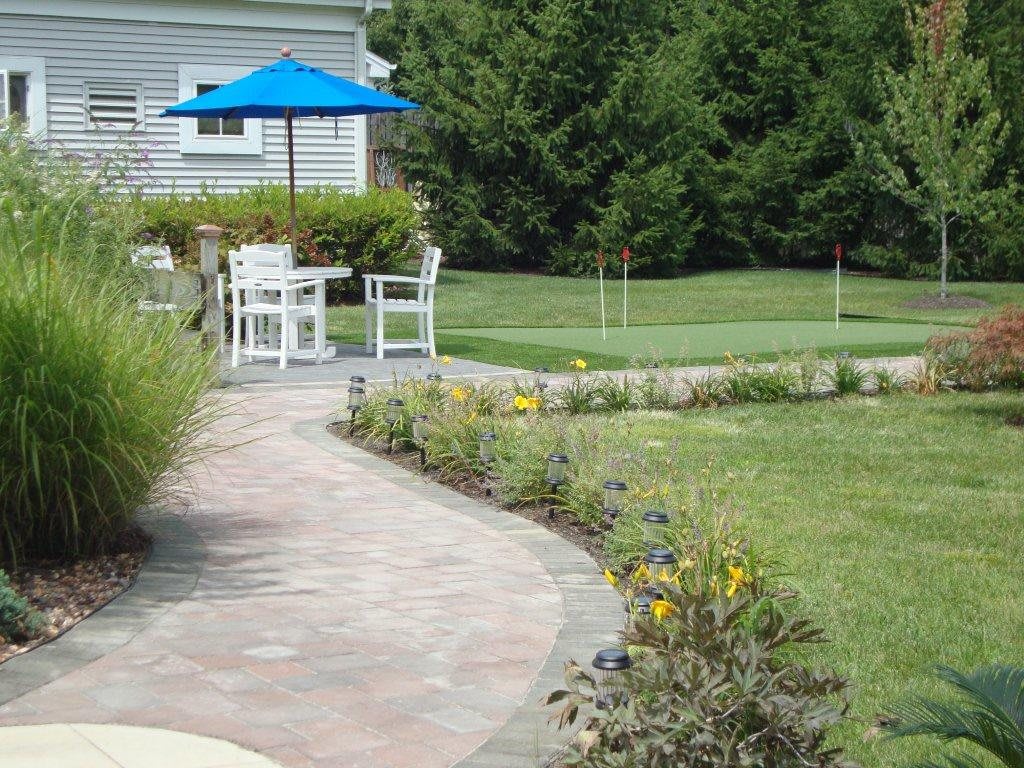
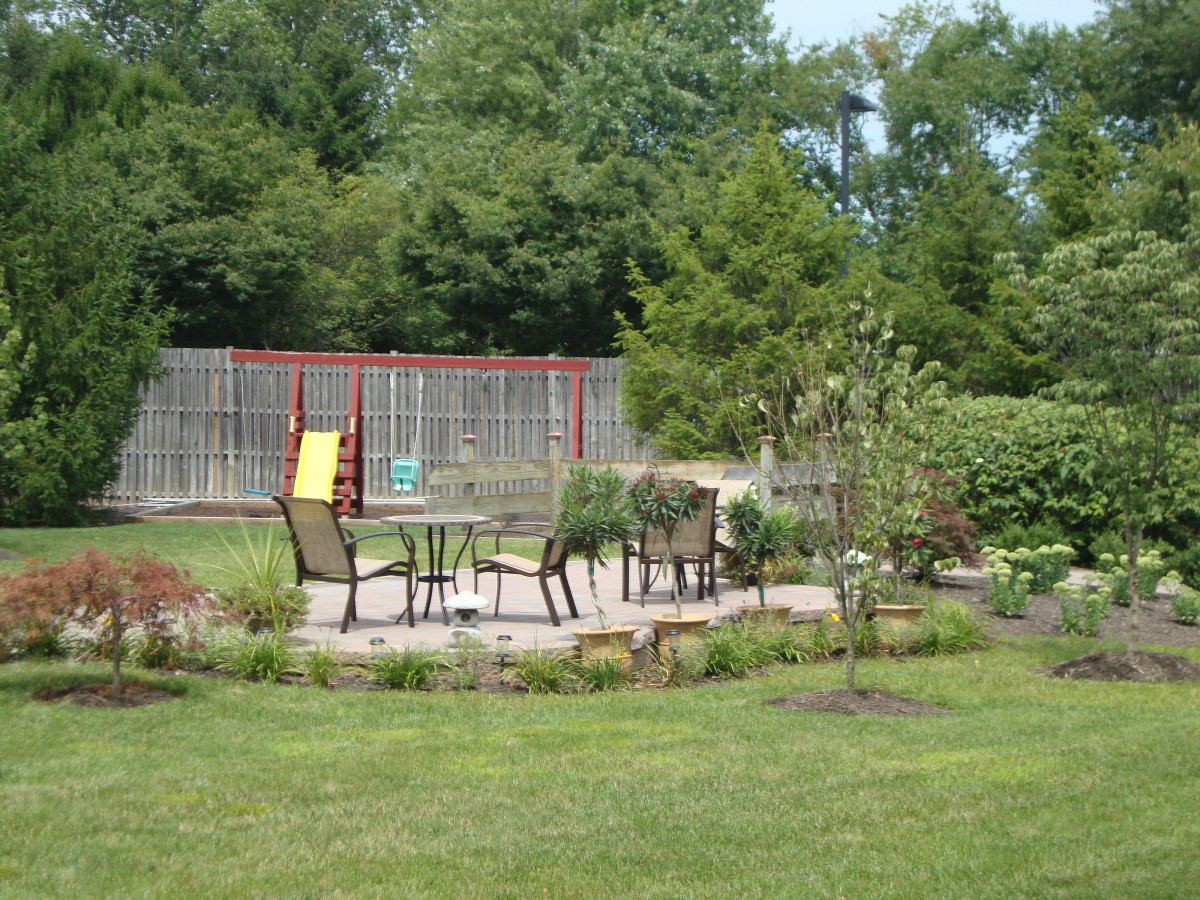
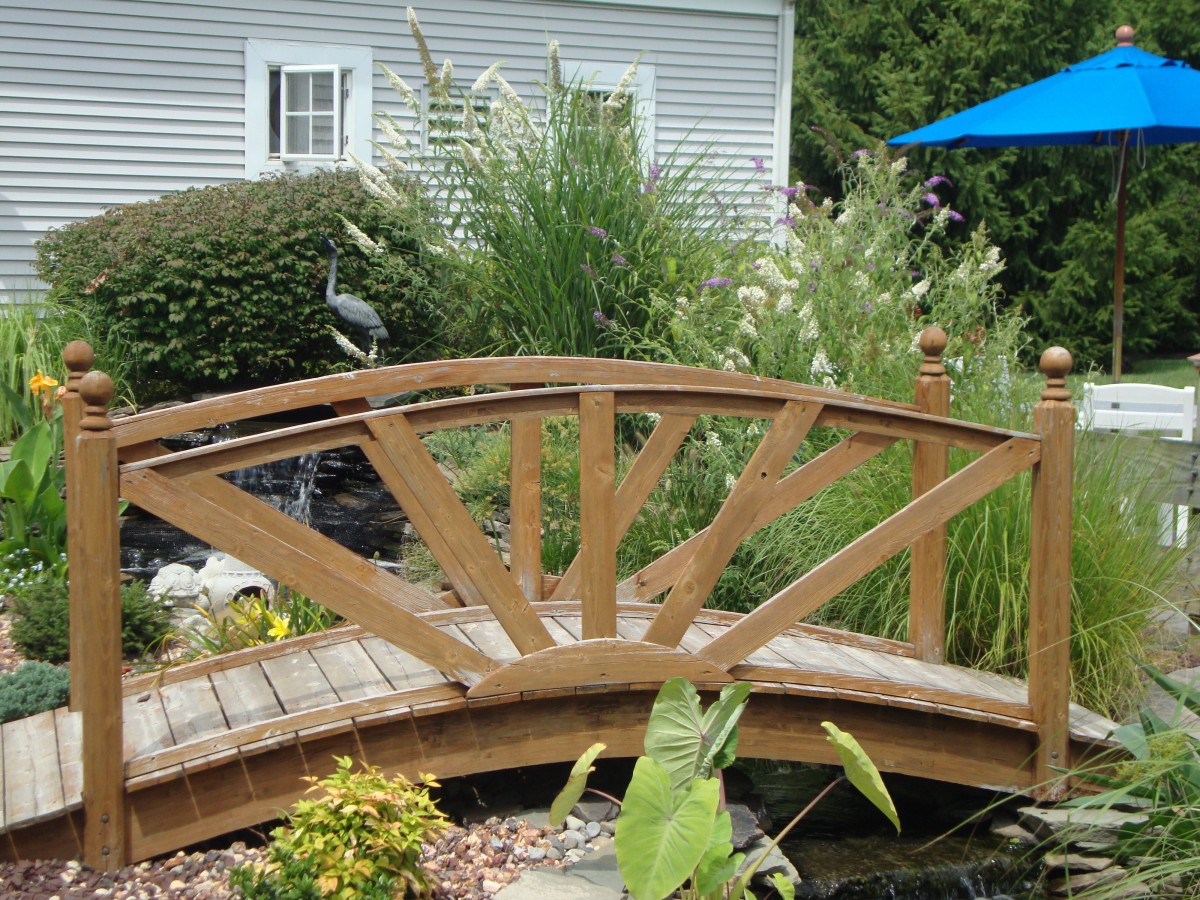
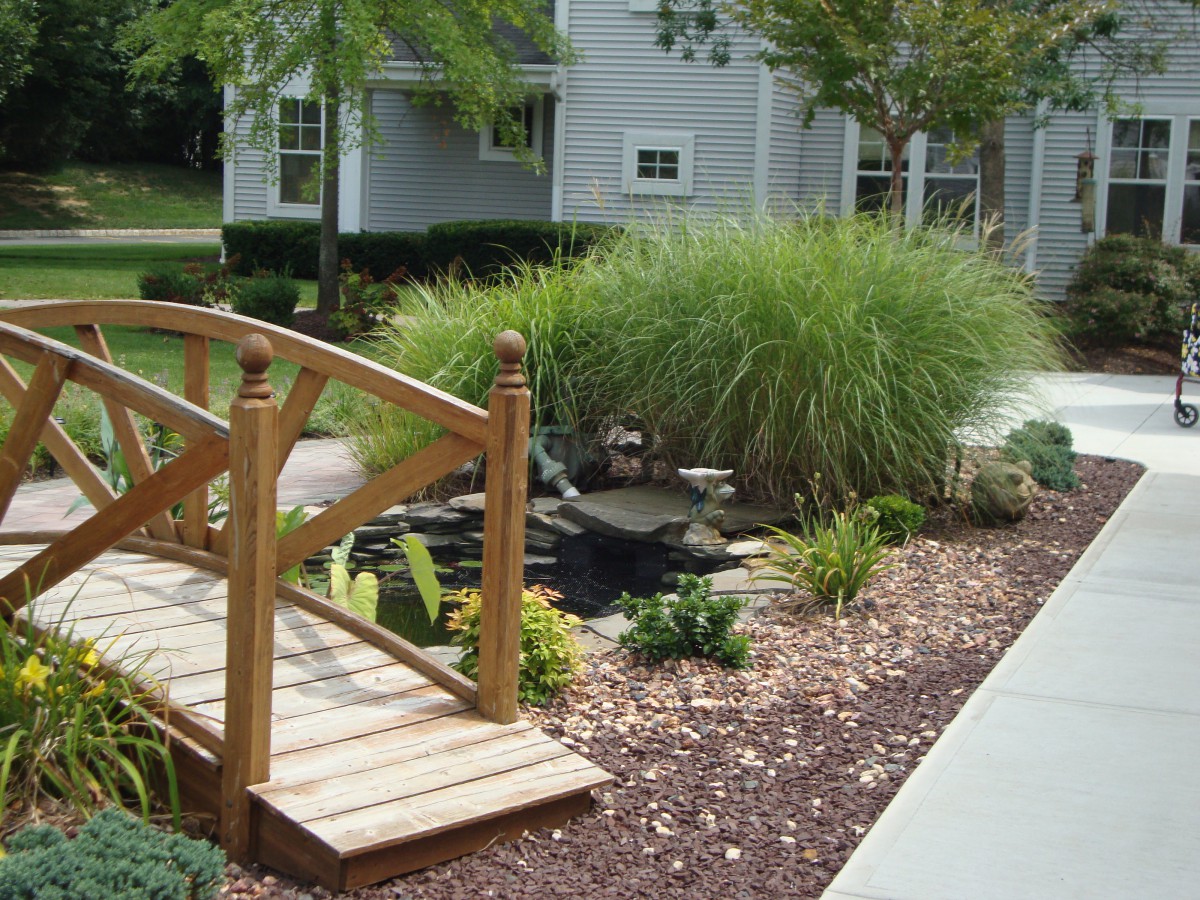
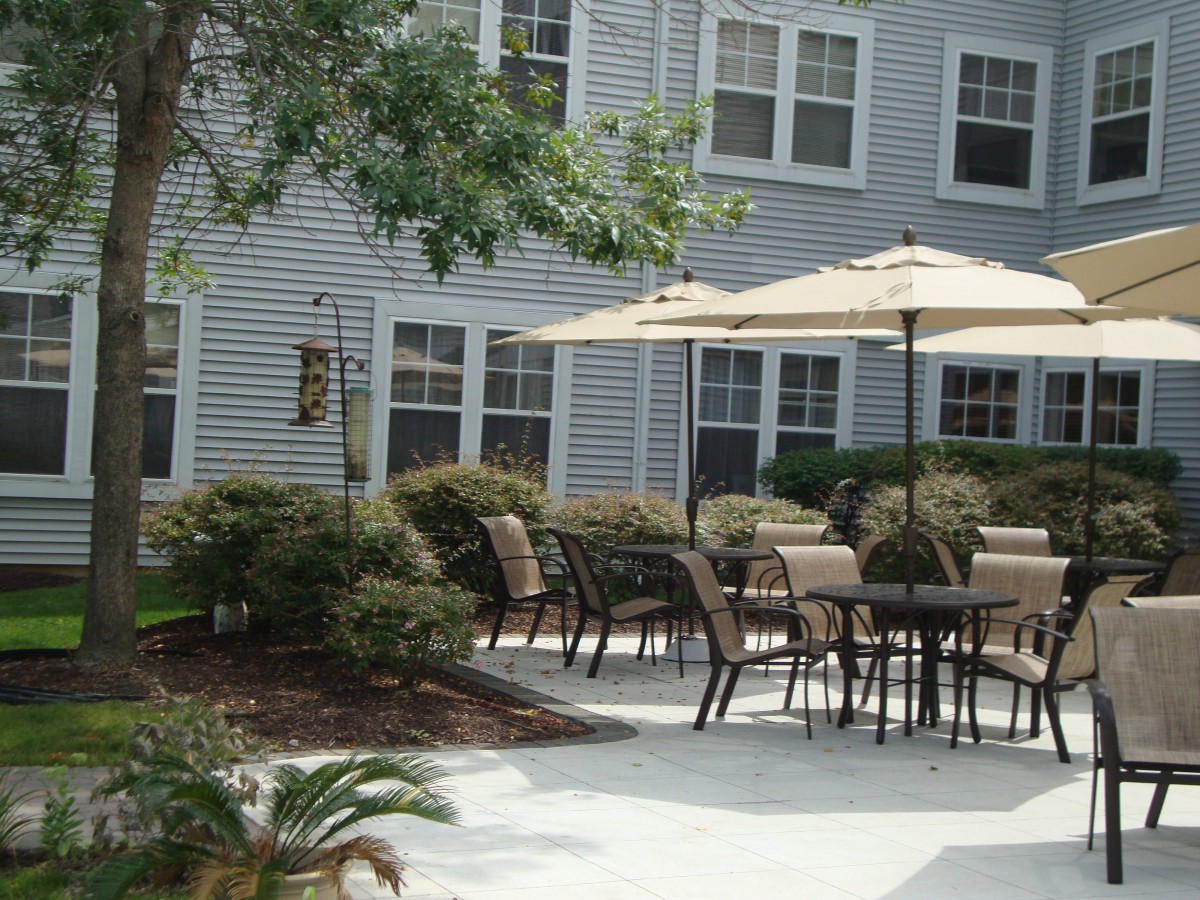
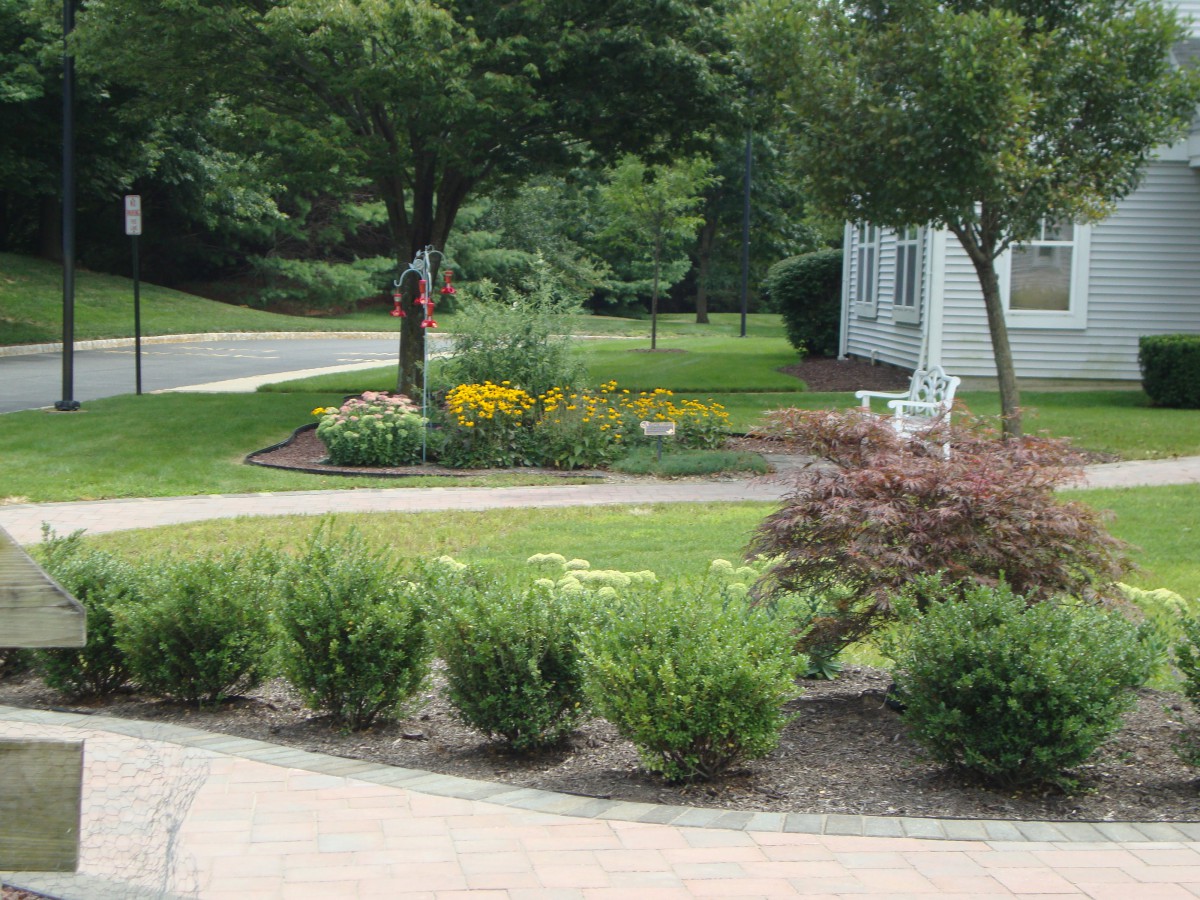
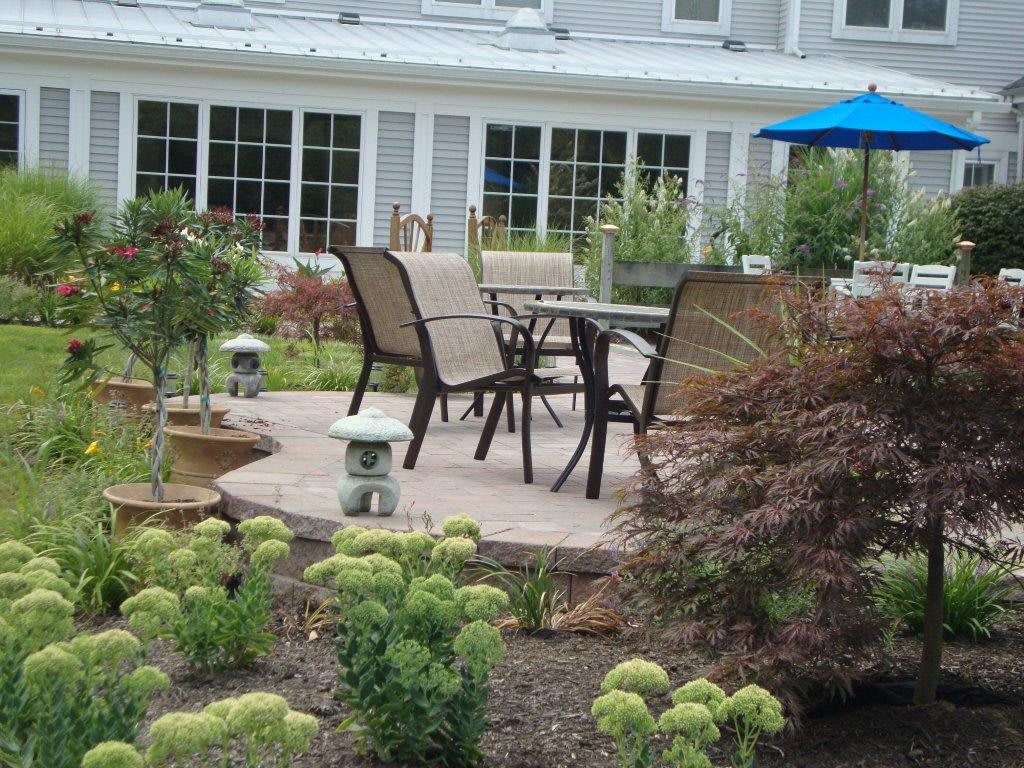
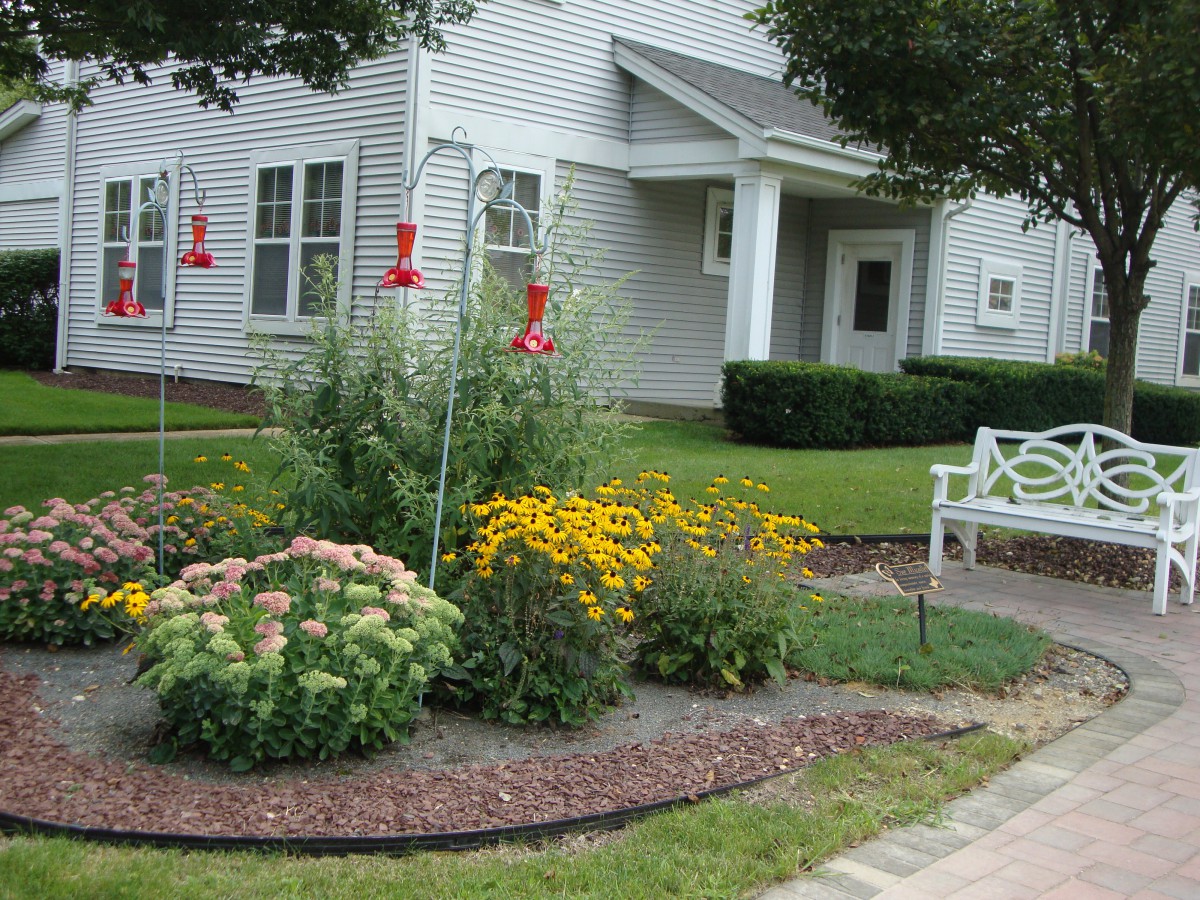
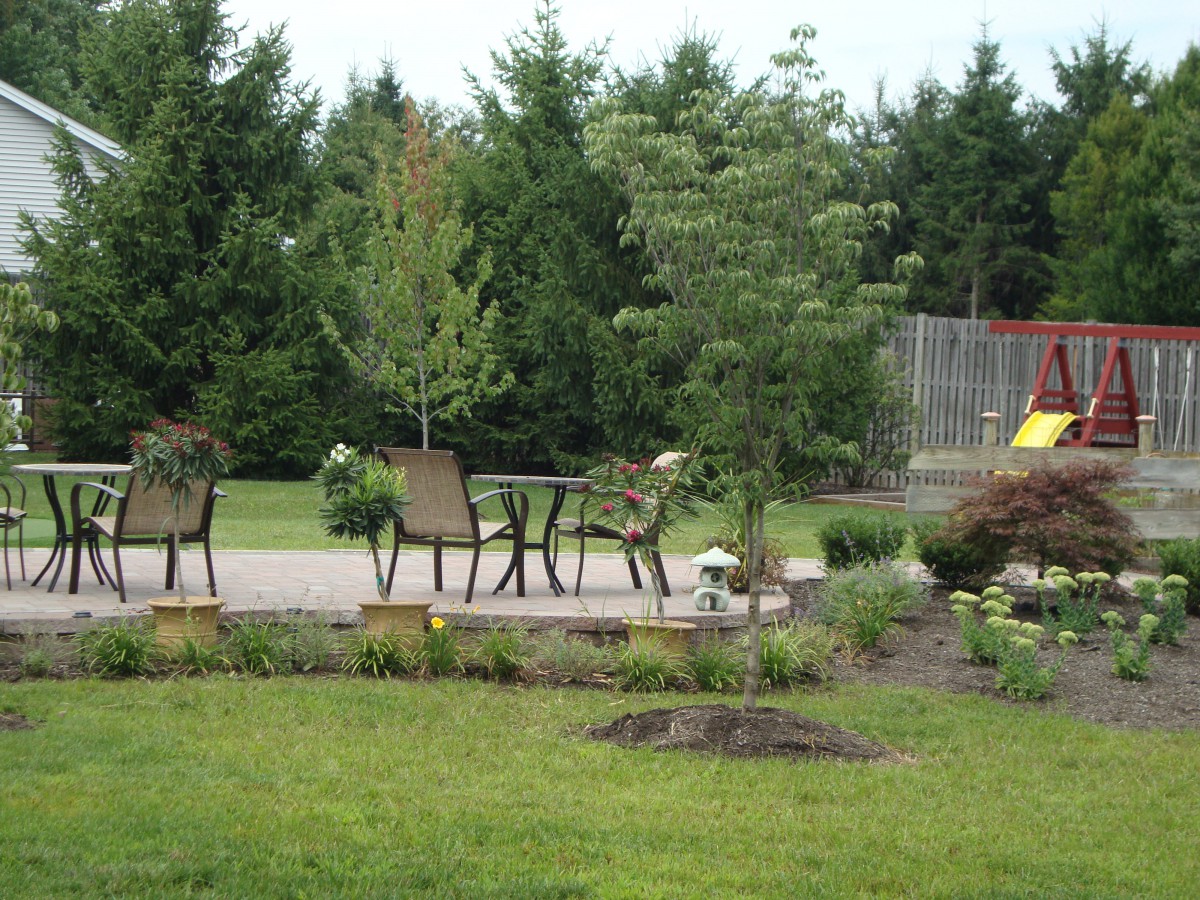
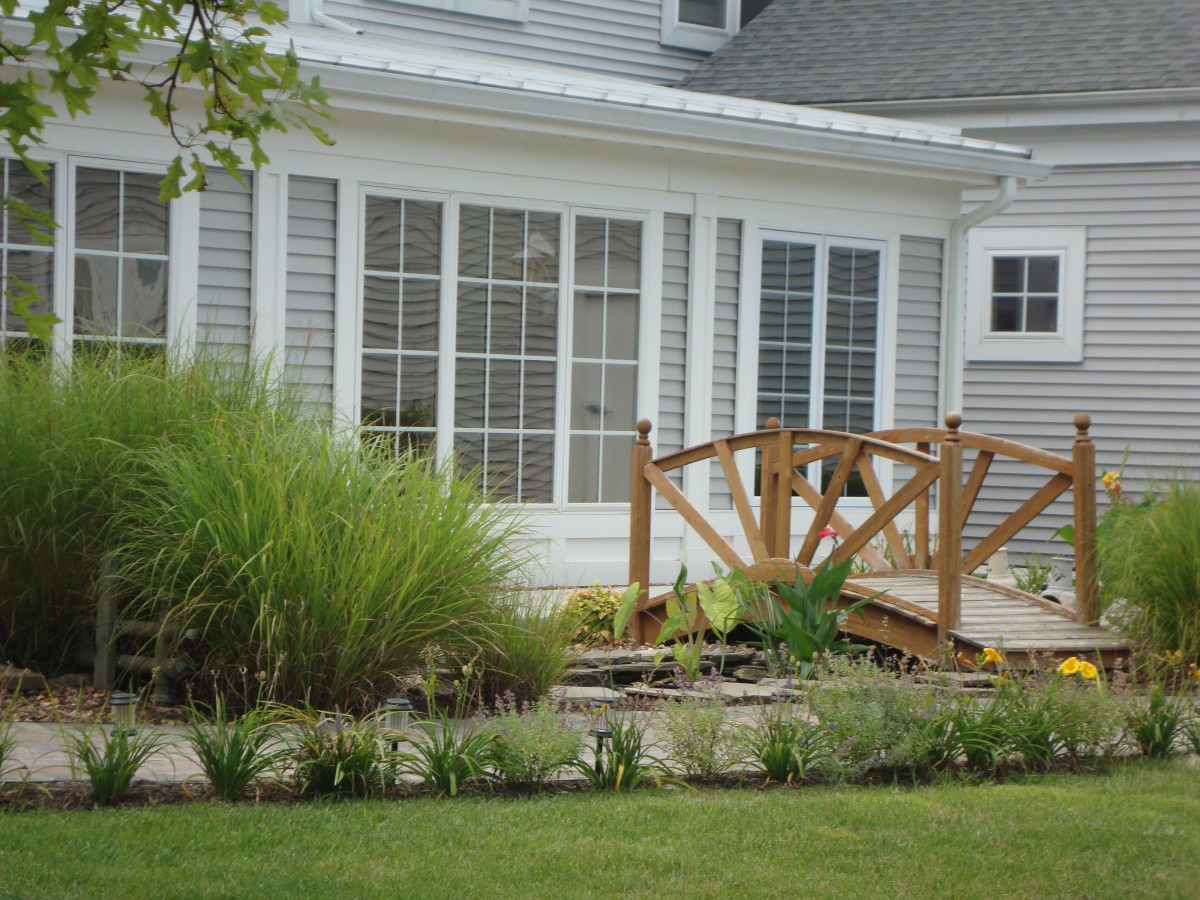
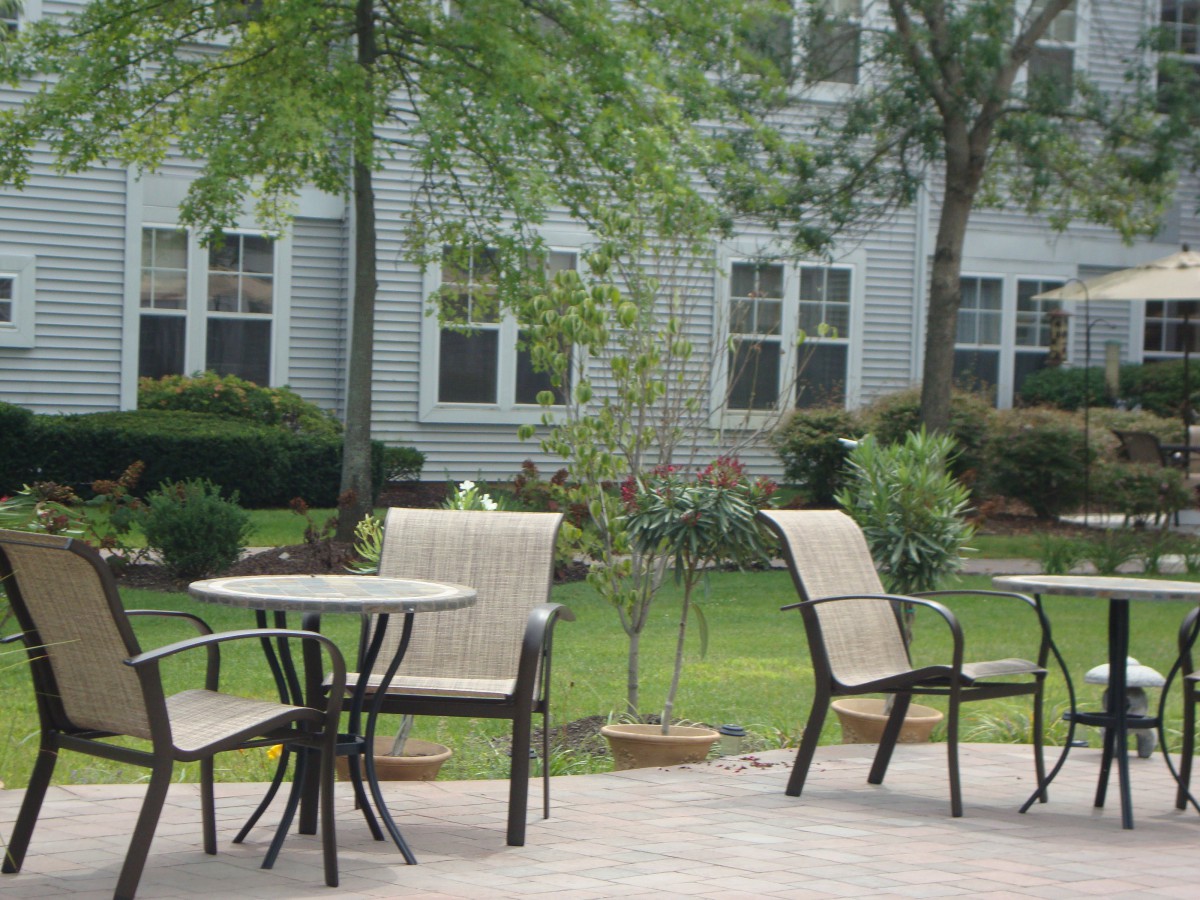
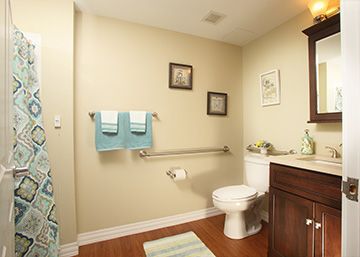
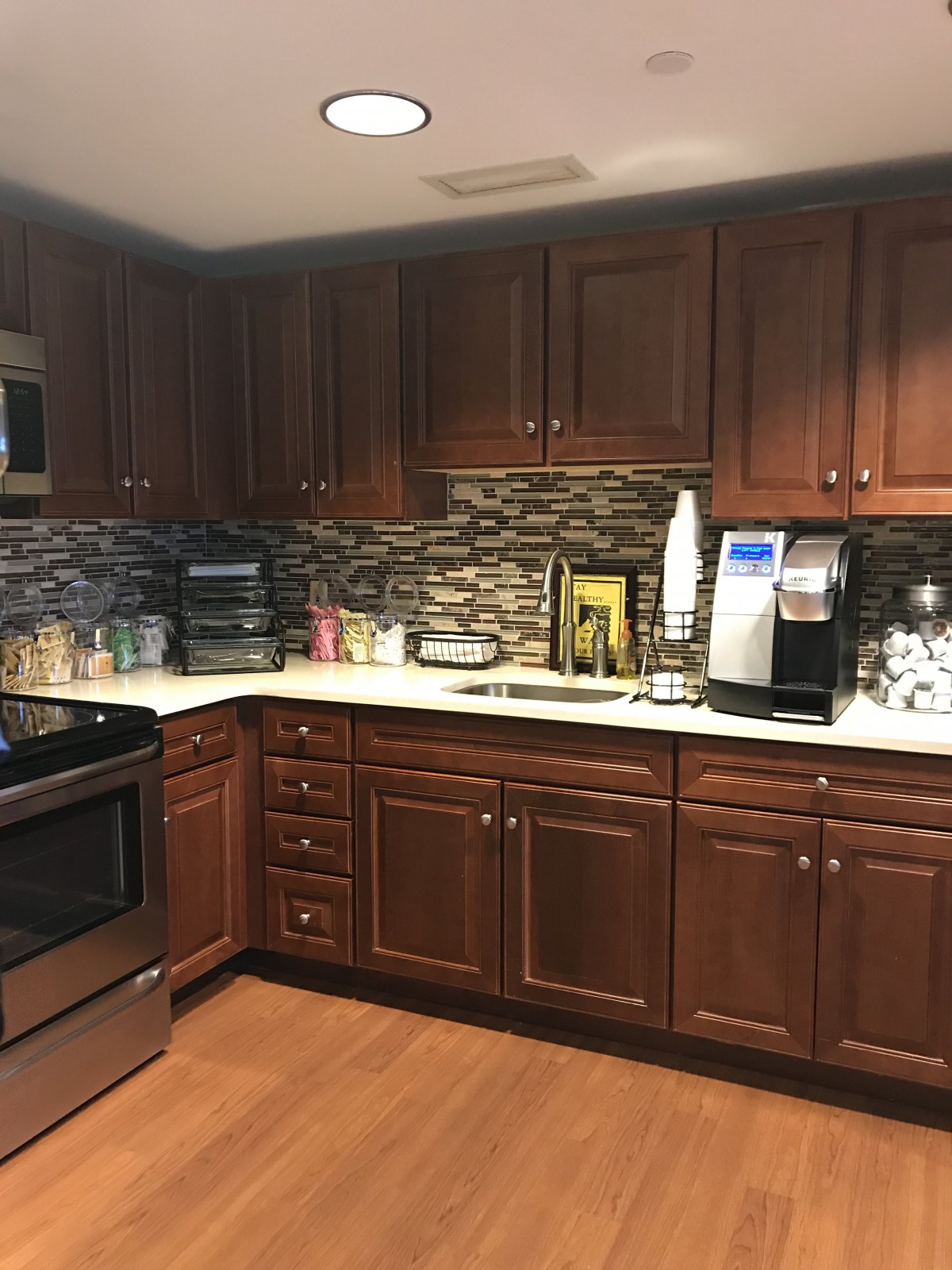
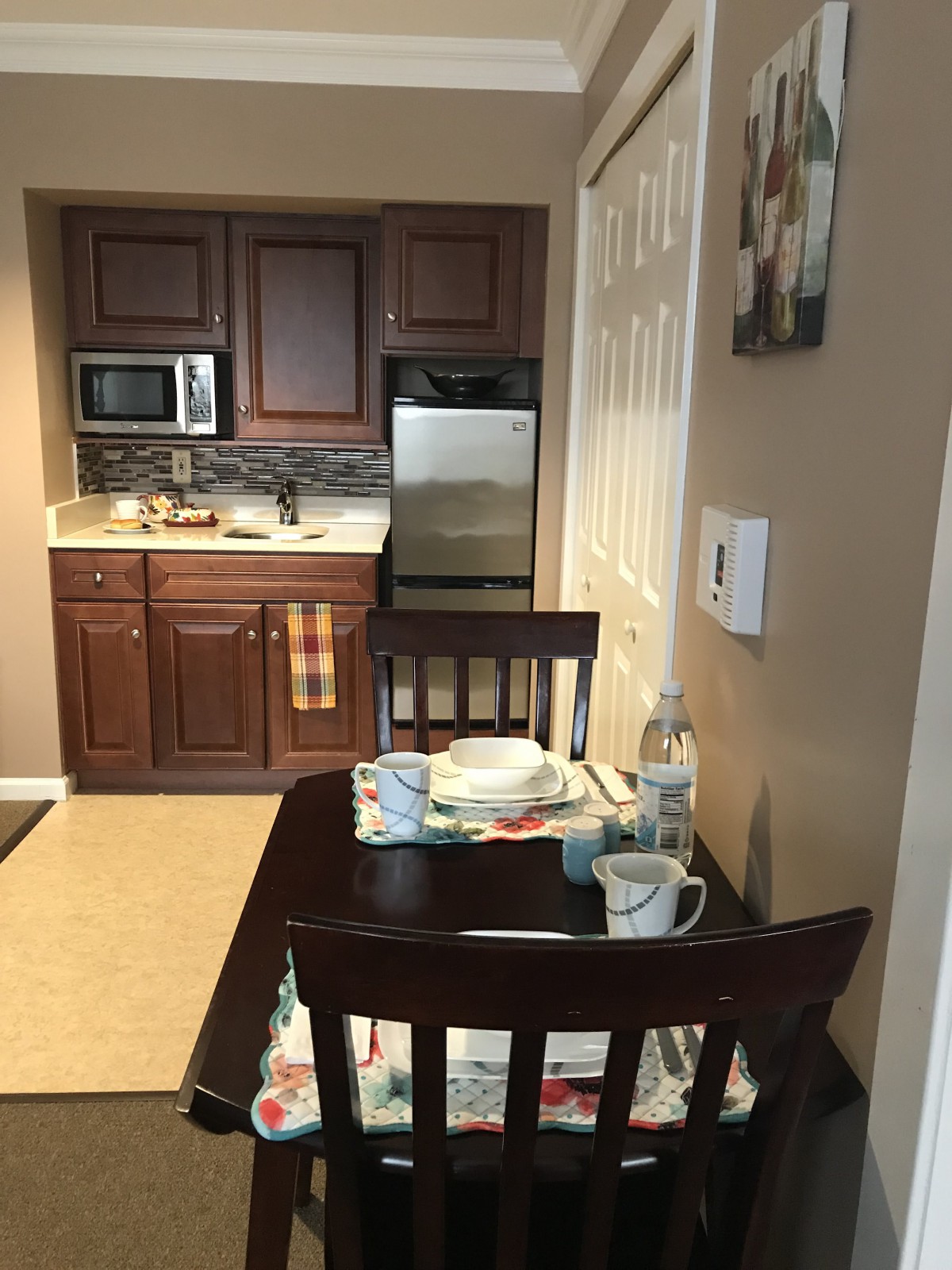
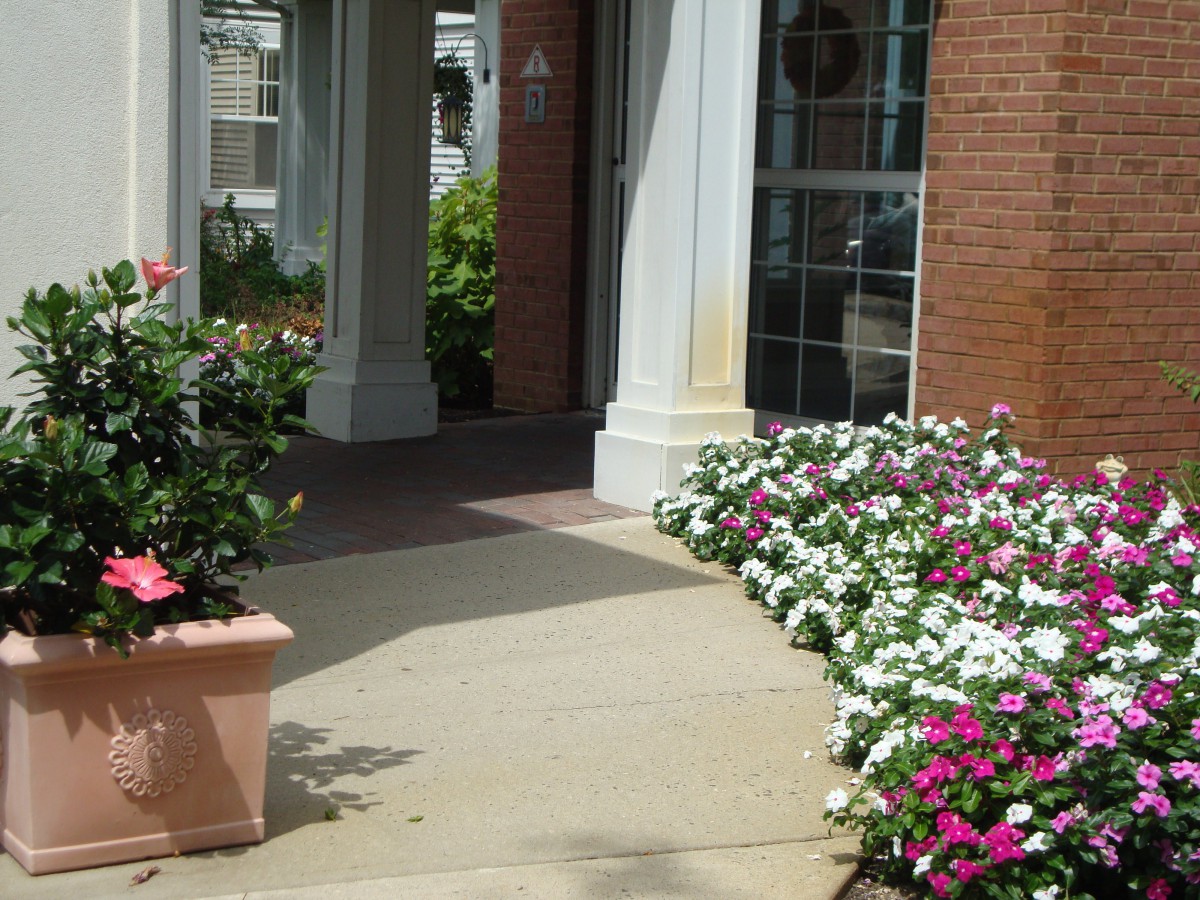
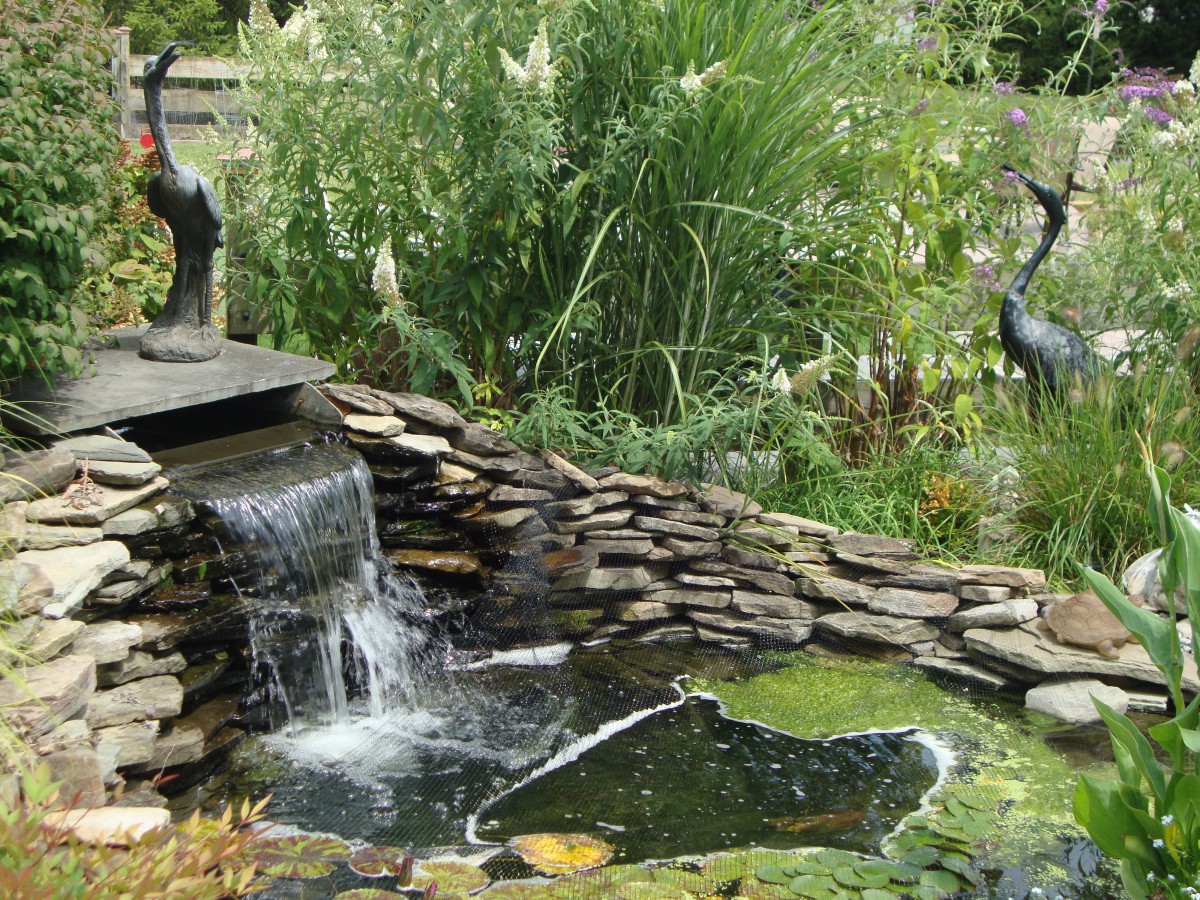
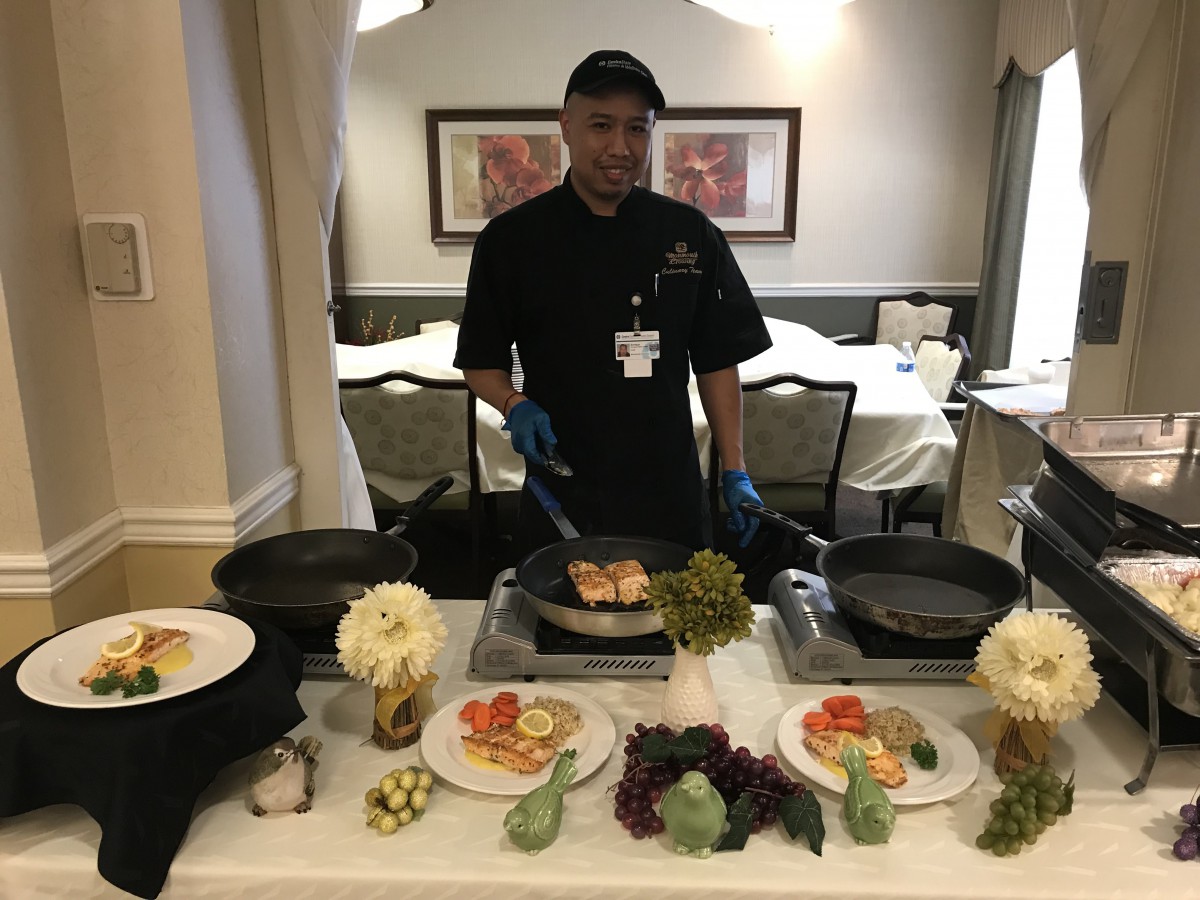
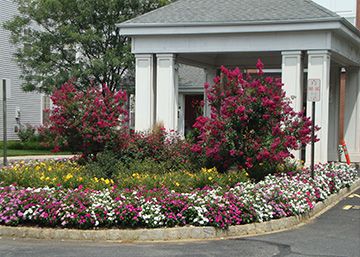
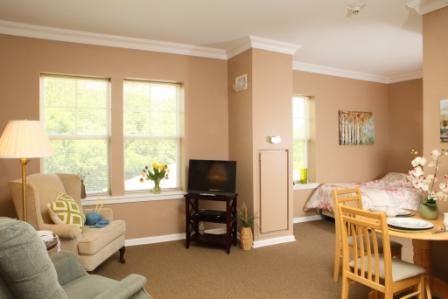
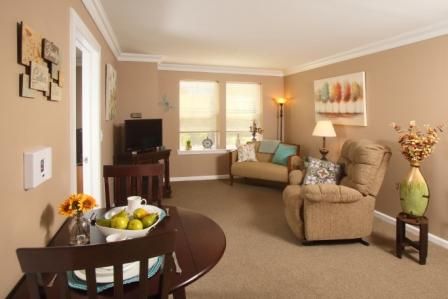
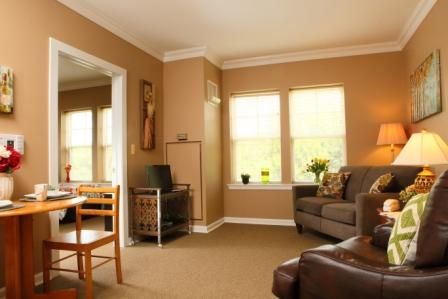
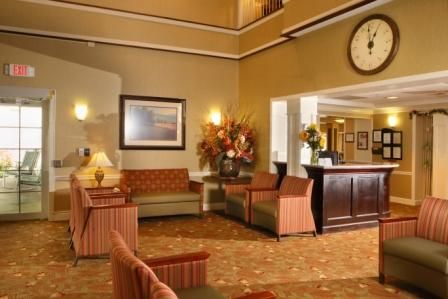
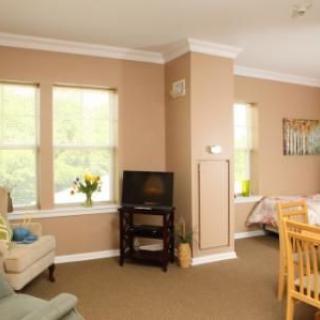
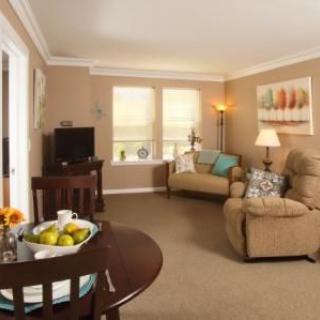
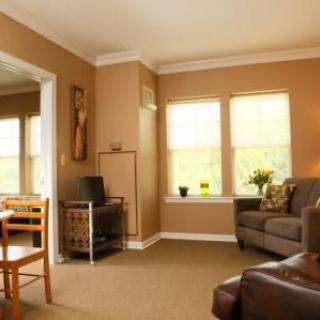
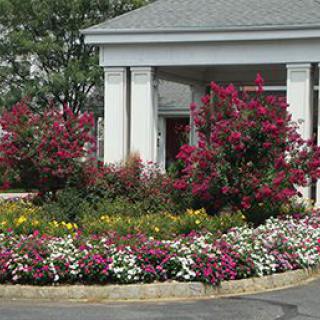
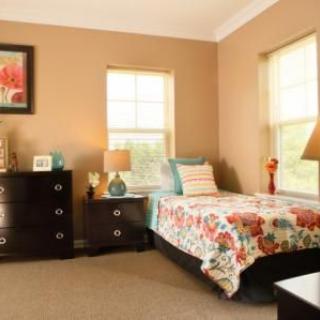
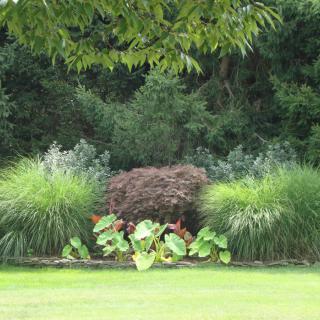
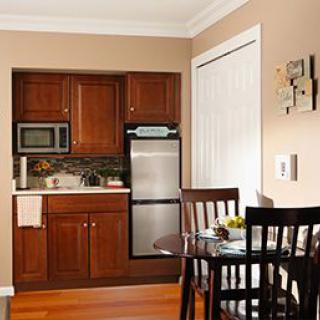
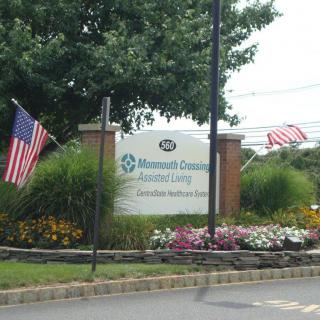
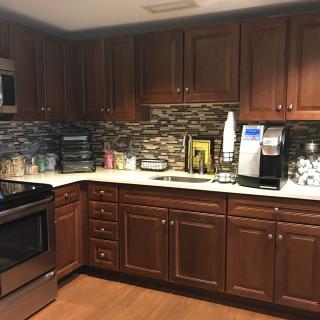
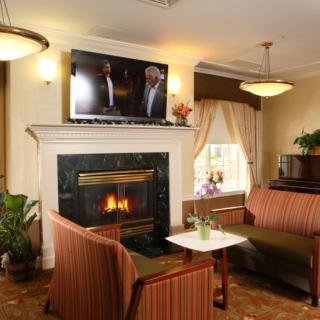
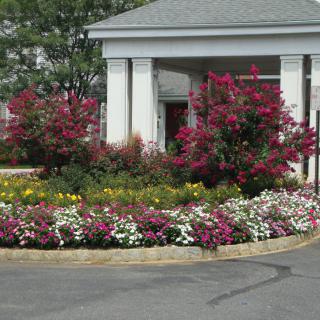
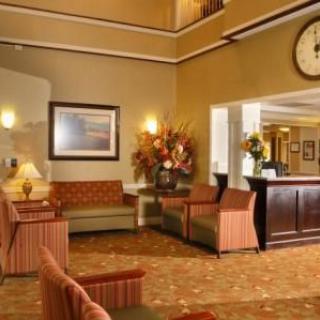
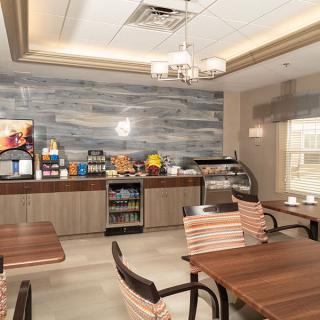
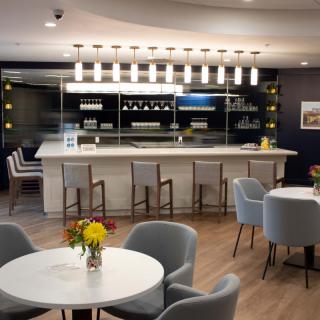
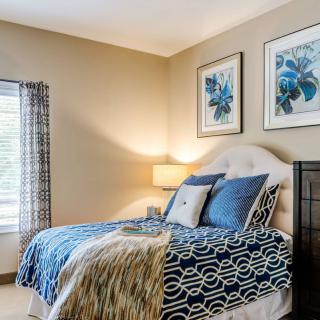
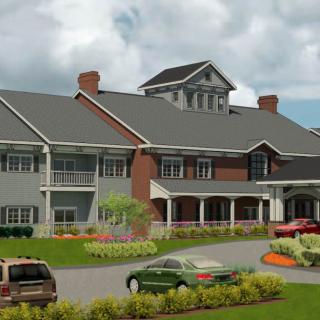
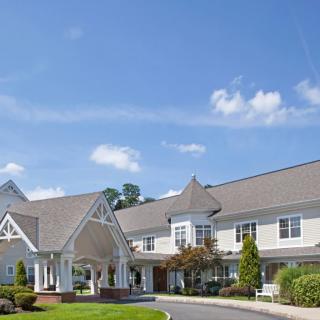
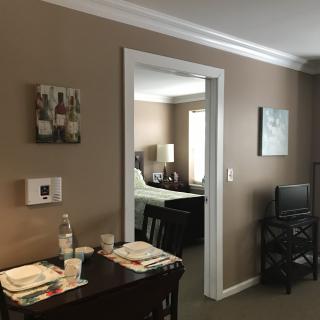
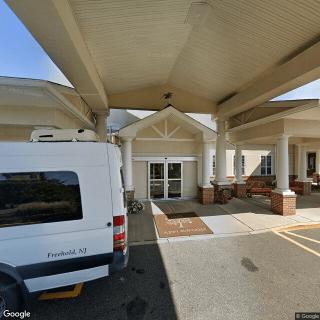
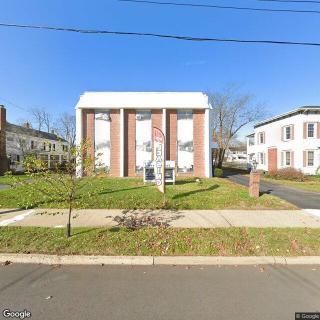
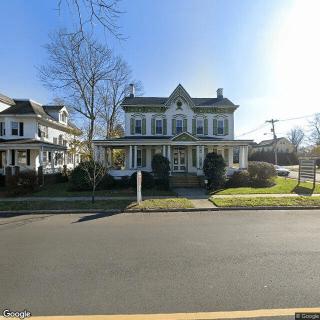
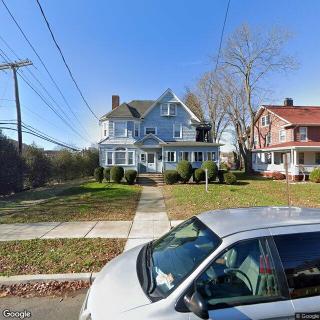
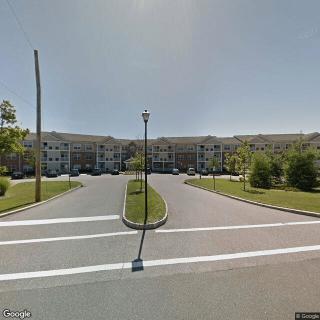
Monmouth Crossing on seniors.fyi includes 41 photos including images showing landscaping, garden, interior, decor, dining, trees, patio, bedroom, and more.
Nearby Communities
The Manor
Freehold, NJ
4 from 2 reviews
Compassionate, attentive nursing staff.
Applewood Estates
Freehold, NJ
4.1 from 81 reviews
Helpful staff and a resort-like atmosphere with engaging programs and well-maintained amenities.
Applewood Estates Assisted Living Residence
Freehold, NJ
4 from 61 reviews
$2,000 / month
Affordable studio pricing at $2,000/month compared with Ocean County and New Jersey averages
Millennium Memory Care at Freehold
Freehold, NJ
5 from 41 reviews
$8,500 / month
Caring, respectful staff in a clean, home-like setting with strong family communication.
We Care Home Care LLC
Freehold, NJ
Residential setting with inviting common spaces.
ACLA Health Care Services
Freehold, NJ
4 from 2 reviews
Tranquil assisted living with easy access to a nearby park, pharmacies, physicians, hospital, restaurants, and theater.
Mattison Crossing at Manalapan Avenue
Freehold, NJ
4.2 from 171 reviews
$3,294 to $6,496 / month
Attentive staff, clean and spacious accommodations, and a wide range of engaging activities and dining options.
Golden Age Rest Home
Freehold, NJ
5 from 2 reviews
Convenient access to healthcare, dining, and entertainment nearby.
Heritage Village at Manalapan
Manalapan, NJ
3.4 from 13 reviews
$3,050 / month
Affordable pricing with specialized diabetic care and pleasant on-site social spaces.
"Memory Care Pathways: A Holistic Guide to Dementia Support" outlines the complexities of dementia and its various types, emphasizing early detection, patient-centered care strategies, caregiver support, and long-term care options while addressing legal and financial considerations to enhance the quality of life for individuals with dementia and their families.
Sundown syndrome, or sundowning, is a phenomenon in dementia patients characterized by increased confusion and agitation during late afternoon and evening, influenced by factors like disrupted circadian rhythms and fatigue. Effective caregiver strategies include establishing routines and managing environmental light while addressing caregiver stress through support services.
Delirium is a rapidly onset, reversible cognitive disturbance often caused by acute medical issues, while dementia is a gradual and irreversible decline due to chronic neurodegenerative diseases. Accurate differentiation between the two is essential for appropriate treatment and management in older adults.
Get PricingAsk A QuestionSchedule A TourContact Senior Advisor
By clicking submit, you agree to our Partner's Terms of Use. You
also consent to receive calls and texts, which may be autodialed, from our Partner. Your consent is not a condition to
using our Partner's service. Please visit our Partner's Privacy Policy for information about their privacy practices.


 94 resident community capacity
 Assisted Living
 Memory Care
 Respite Care
 Cats allowed
 Dogs allowed
 Activities off-site
 Air-conditioning
 Beautician on-site
 Cable or satellite TV
 Computer center
 Devotional services off-site
 Dining room
 Fitness room
 Fully furnished
 Gaming room
 Garden
 Ground floor units
 Handicap accessible
 Housekeeping services
 Indoor common areas
 Kitchenette
 Move-in coordination
 Outdoor common areas
 Private bathrooms
 Restaurant-style dining
 Small library
 Telephone
 Wellness center
 Wheelchair accessible showers
 Wi-Fi/high-speed internet available
 Community operated transportation
 12-16 hour nursing
 24-hour call system
 Ambulatory care
 Assistance with bathing
 Assistance with dressing
 Assistance with transfers
 Diabetes diet
 Diabetic care
 High acuity care
 Incontinence care
 Medication management
 Mental wellness program
 Special dietary restrictions
 Art classes
 Concierge services
 Cooking classes
 Day trips and outings
 Educational speakers / life long learning
 Jewish services
 Karaoke
 Protestant services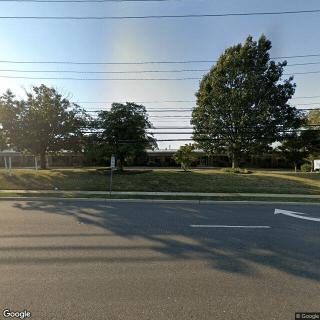
 Compassionate, attentive nursing staff.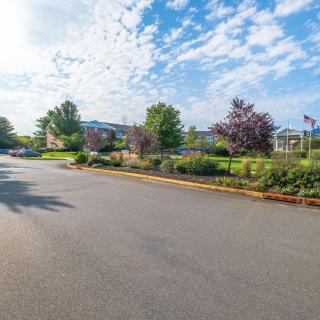
 Memory Care Pathways: A Holistic Guide to Dementia Support
 Comprehending Evening Confusion in Dementia: Causes, Manifestations, and Support
 Delirium and Dementia: Unraveling the Key Differences