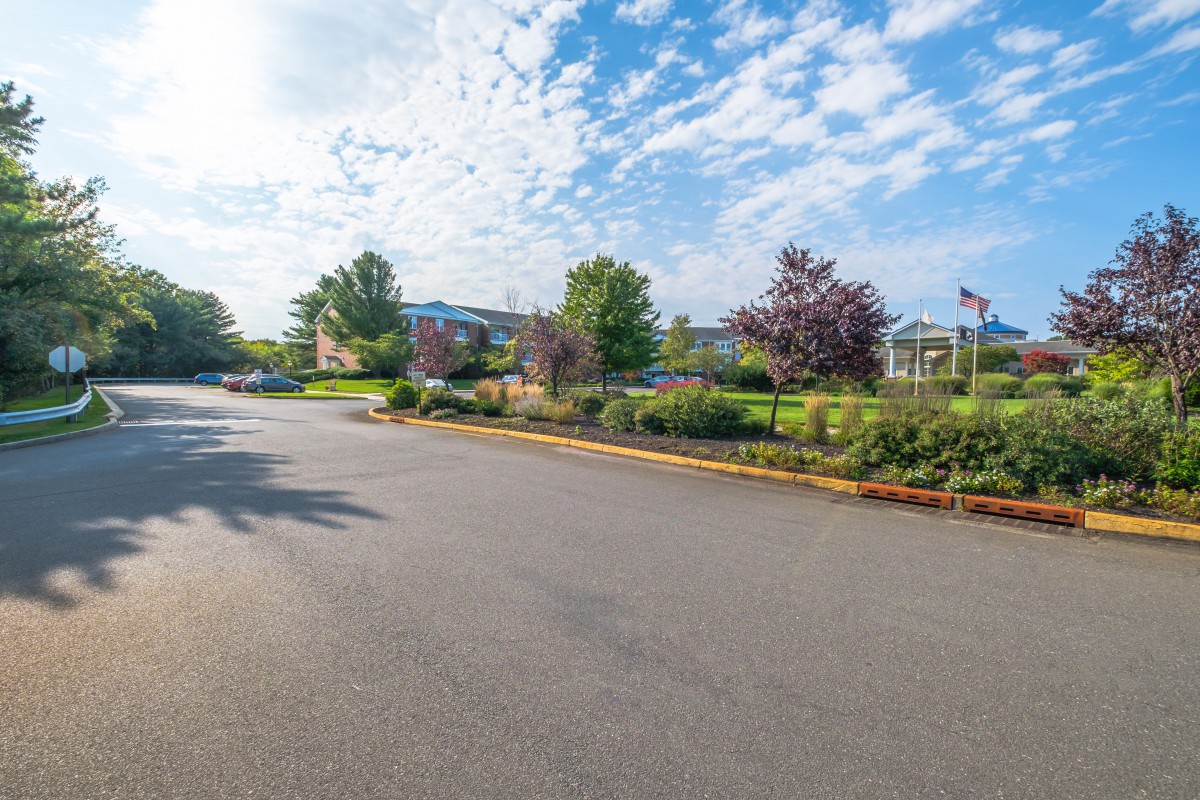
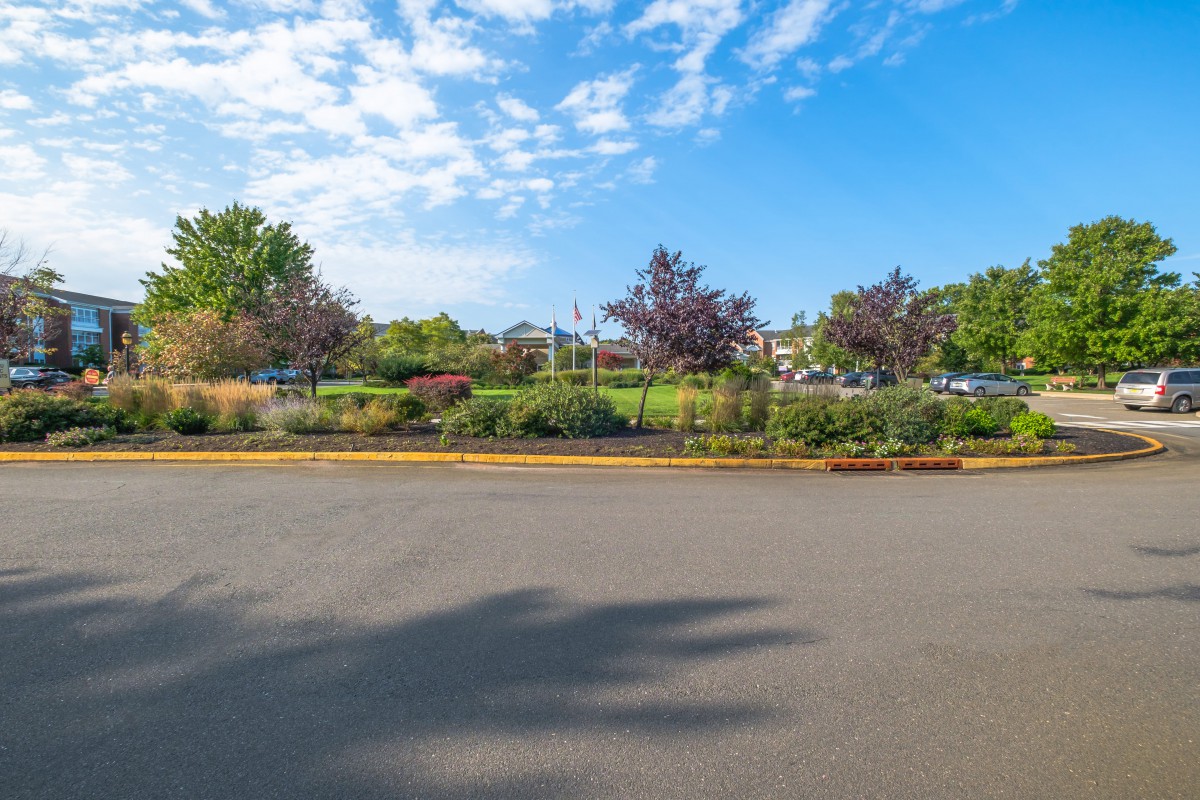
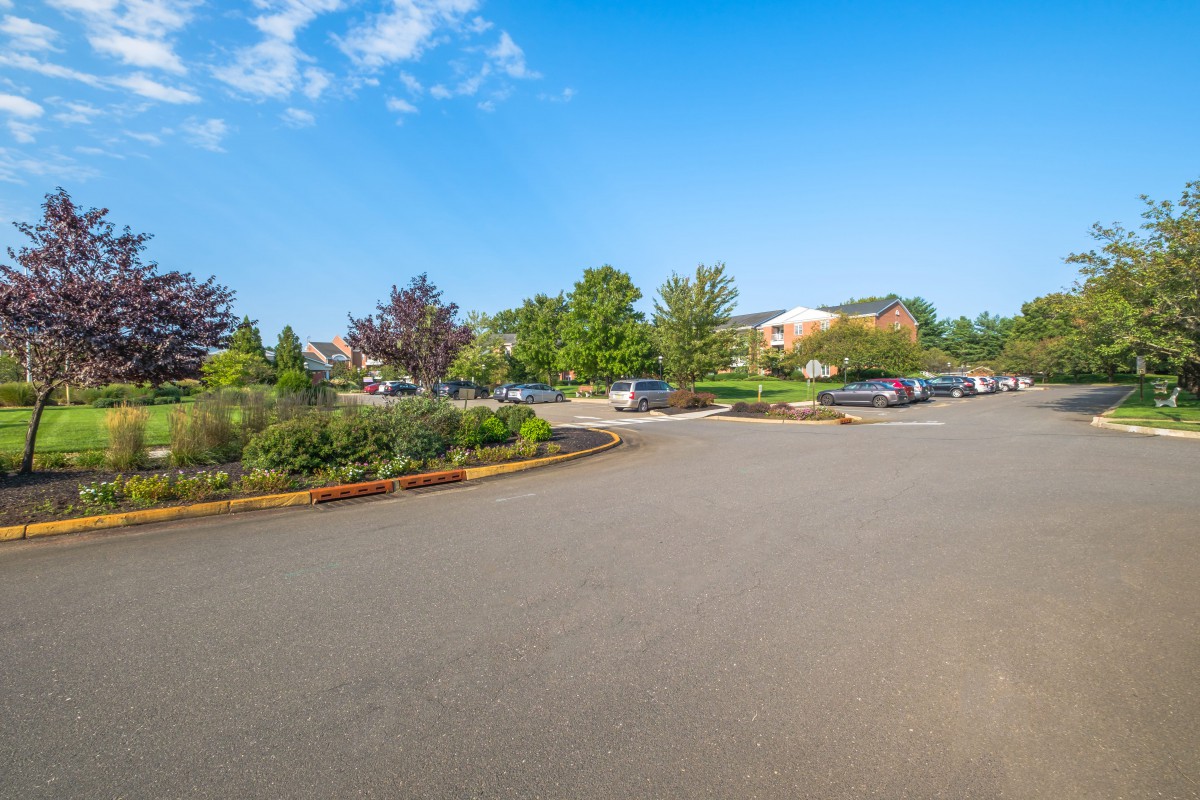
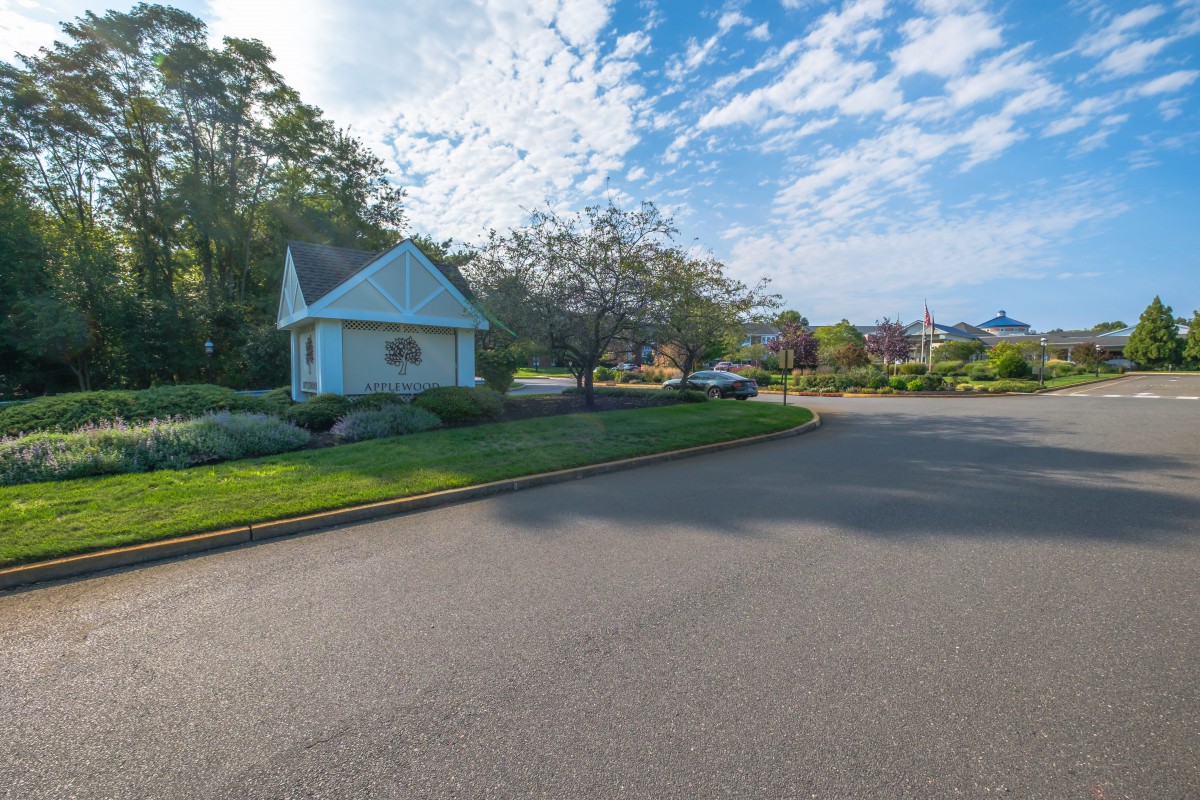
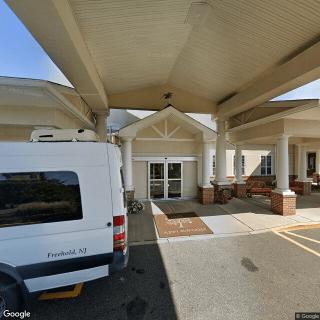
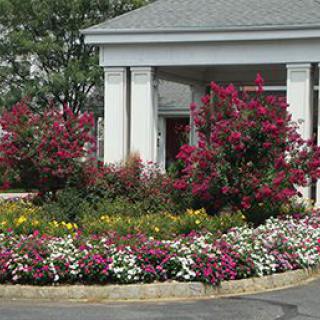
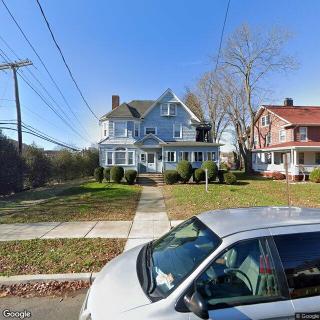
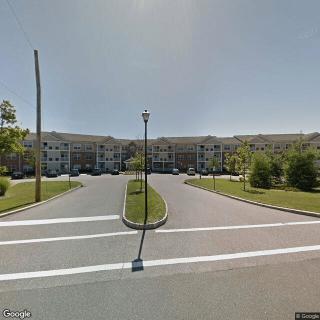
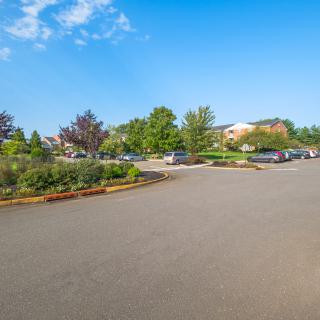
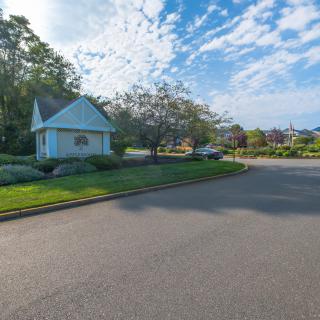
Applewood Estates in Freehold, NJ

Save
Applewood Estates Applewood Estates Applewood Estates Applewood Estates

Applewood Estates in Freehold, NJ

Information last verified:

1 Applewood Drive, Freehold, NJ 07728

For more information about senior living options: (844) 490-3973

4 from 73 reviews
5 stars
42
4 stars
13
3 stars
5
2 stars
1
1 stars
12

Overall Review of Applewood Estates

Pros

  • pro The staff are warm and welcoming and always available to help.
  • pro Residents are well taken care of and feel safe.
  • pro Applewood is a wonderful community.
  • pro Grandma has made new friends, goes on trips, and enjoys a weekly card game.
  • pro The staff show kindness and compassion to residents.
  • pro The facility is beautiful, and the staff are helpful.
  • pro The facilities and grounds are clean, up to date, and easily accessible.
  • pro The dining room is well decorated and spacious, and the staff accommodate those with disabilities.
  • pro The hospitality is above average, and the team is well organized, delivering great service.
  • pro The food is delicious.

Cons

  • pro The new ownership is blamed for service cuts and price hikes, described as a nightmare for families.
  • pro There is evidence of neglect and mistreatment of elderly residents, including a bruise on a resident and others being left in a wheelchair facing a wall.
  • pro The facility is viewed as exceedingly expensive, with huge upfront fees and questionable value.
  • pro Staff are described as unprofessional or inattentive, with an aide having a bad attitude and care being poorly handled.
  • pro Medication safety is questioned, with pills mismanaged and prescriptions mishandled.
  • pro Residents experience long delays in basic care, such as hours to be assisted to the bathroom.
  • pro Cleanliness is criticized, with reports of a persistent odor and unsanitary conditions.
  • pro Prospective families are warned to steer clear of the facility due to mistreatment and profit-driven priorities.
  • pro Some reviewers simply describe the place as disgusting and shameful.

Review

Applewood Estates in Freehold, NJ is best suited for families seeking a continuing-care community that feels like a campus of activity and social life, with on-site healthcare and rehab that can capture a resident’s days with purpose. It works well for seniors who want regular trips, classes, and a lively dining and entertainment schedule, all within a resort-like setting. The crowd that thrives here tends to prioritize engagement, companionship, and convenient access to both independent living and care services without having to relocate when needs change. That said, this community may not be the right fit for those who require transparent, predictable pricing or ultra-consistent caregiving across the board.

Those weighing alternatives should pay particular attention to price and ownership dynamics. The upfront buy-in and ongoing fees at Applewood Estates have been highlighted as a major hurdle for many families, sometimes cited as higher than nearby options and not always fully disclosed at the outset. Ownership changes have sparked concern among prospective residents’ families about service volatility, price increases, and shifts in how care is delivered or priced. For families prioritizing predictable billing, rigorous dementia care protocols, or a streamlined, no-surprises care model, alternatives with clearer cost structures and steadier governance may merit serious scrutiny.

On the upside, the strongest pro set centers on interpersonal warmth and reliable daily attentiveness in the healthcare unit. Reviews repeatedly praise the caring demeanor of staff, with residents and families expressing relief that their loved ones are well tended and safe. Front-office leadership, names like Keith and Susan, emerge as anchors who help cultivate a welcoming atmosphere. The dining experience, card games, trips, and a wide array of on-campus activities foster meaningful social connections, and the facility’s aesthetic, beautiful grounds, indoor amenities, and accessible transportation, supports an engaging daily routine. Rehab and therapy staff are frequently singled out for thoughtful, one-on-one attention, especially when a resident’s recovery or feeding plans require tailored support.

Despite the positives, major drawbacks weigh heavily in decision-making. The most persistent concerns revolve around cost and governance: escalating fees after ownership changes, opaque price increases for services and medications, and a perception that the marketing narrative outpaces the reality of care for some residents. Reports of neglect, bruising, or inadequate bedside manners ripple through a subset of reviews, painting a picture of inconsistent caregiving that contrasts starkly with the ideal of a uniformly compassionate staff. Operational hiccups, delays in bathroom assistance, medication mixups, and inconsistent communication with families, underline a tension between warm, individualized care and systemic reliability. Language barriers and uneven staff familiarity with residents’ histories further complicate the experience for some families.

These contrasting experiences do not cancel each other out; they simply establish a higher-stakes calculus. The strong social and care-support elements can offset many day-to-day concerns for families who place a premium on an active, social lifestyle and dependable in-house therapy. However, the risk highlighted by frequent pricing questions and episodic care gaps cannot be dismissed. For prospective residents, the question is less about whether Applewood Estates can provide a pleasant, engaging environment and more about whether the price, governance, and consistency of care align with the family’s tolerance for potentially fluctuating service levels and ongoing cost increases.

To navigate a decision, a practical approach is essential. Prospective residents should demand full transparency on the fee schedule, including the upfront entrance fee, monthly rates, and all add-on costs for services, medications, and care adjustments. Insist on a detailed, resident-specific care plan before any commitment, and request meetings with the wellness director, the therapy team, and the administrator to assess how changes in health status are managed. Collect firsthand accounts from current residents and families, ideally visiting multiple times at different times of day to observe staff interactions, wait times, and the quality of meals and activities. Clarify the referral and marketing practices to understand whether exclusivity rules are in place and how that may affect future access to services.

In the end, Applewood Estates offers a compelling blend of a lively campus atmosphere, strong social programming, and attentive care experiences in the healthcare setting. It is well suited for seniors who value a vibrant, resident-centered community and for families willing to engage actively with pricing transparency and governance concerns. For those who demand unwavering price clarity, consistently uniform caregiving, and fewer governance-fluctuation risks, alternatives in the Freehold area may provide greater peace of mind. The right fit hinges on weighing the allure of social vibrancy against the realities of cost structure and care consistency, and then choosing a path where both comfort and confidence align.

Features

Housing

  • 52 resident community capacity 52 resident community capacity

Types of Care

  • Assisted Living Assisted LivingAssisted living facilities provide crucial support and care for seniors who may need help with daily tasks such as medication management, bathing, and meal preparation. These communities offer a safe and comfortable environment where seniors can maintain their independence while receiving the assistance they need to thrive in their golden years.
  • Continuing Care Retirement Community (CCRC) Continuing Care Retirement Community (CCRC)Continuing Care Retirement Communities (CCRCs) are important for seniors because they provide a range of housing options and care services all in one location. This allows seniors to age in place and receive the level of care they need as their health changes, without having to move to a new facility. CCRCs provide a sense of security and peace of mind for seniors and their families, knowing that they will be taken care of no matter what the future holds.
  • Independent Living Independent LivingIndependent living communities are important for seniors because they offer a safe and supportive environment where older adults can live independently while still having access to amenities and services that enhance their quality of life. These communities provide social opportunities, recreational activities, and assistance with daily tasks, promoting overall well-being and allowing seniors to maintain their independence for as long as possible.
  • Memory Care Memory CareMemory care is crucial for seniors as it provides specialized support and services for individuals with dementia or Alzheimer's disease. These programs offer a safe and secure environment where residents receive personalized care, cognitive stimulation, and help with daily activities. Memory care helps seniors maintain their independence, quality of life, and dignity while also providing peace of mind for their families.
  • Skilled Nursing Facility Skilled Nursing FacilitySkilled Nursing Facilities are crucial for seniors as they provide round-the-clock medical care, rehabilitation services, and assistance with daily activities. These facilities ensure that seniors receive the specialized care they need to maintain their health and well-being as they age.

Amenities

  • Air-conditioning Air-conditioningAir conditioning is important for seniors as they are more vulnerable to heat-related illnesses and may have underlying health conditions that make it difficult for them to regulate their body temperature. It helps to keep them comfortable, safe, and healthy in hot weather.
  • Beauty salon Beauty salonBeauty salons are important for seniors because they provide a space for them to feel pampered, socialize, and maintain their personal grooming and hygiene. Regular visits to a beauty salon can help boost seniors' self-esteem and overall well-being.
  • Cable or satellite TV Cable or satellite TVCable or satellite TV is important for seniors because it provides entertainment, news, and companionship, helping to combat loneliness and boredom. It also offers a wide range of programming options tailored to different interests and preferences.
  • Computer center Computer centerA computer center is essential for seniors as it provides access to technology, communication tools, and resources that can enhance their daily lives. It allows them to stay connected with loved ones, engage in online activities, and learn new skills, ultimately promoting socialization and mental stimulation.
  • Fitness room Fitness roomHaving a fitness room in a senior living community is essential for seniors to stay active, maintain their physical health, and improve their overall well-being. Regular exercise can help prevent falls, reduce the risk of chronic diseases, and promote mental sharpness. It also provides social opportunities for residents to connect with others and enjoy a sense of community.
  • Fully furnished Fully furnishedFully furnished senior living communities are important for seniors because they provide convenience, comfort, and a hassle-free moving experience. Seniors can easily settle into their new living space without the stress of having to buy and move furniture. This allows them to focus on enjoying their new home and community.
  • Gaming room Gaming roomGaming rooms are important for seniors as they provide a fun and engaging environment for socializing, cognitive stimulation, and physical activity. Games can improve memory, problem-solving skills, and overall mental well-being while fostering friendships and reducing feelings of isolation.
  • Garden GardenGardens are important for seniors as they provide a peaceful and therapeutic environment for relaxation, physical activity, and socialization. Being in nature has been shown to reduce stress, improve mood, and promote overall well-being. Gardens also offer opportunities for seniors to engage in gardening activities, which can improve mobility, flexibility, and cognitive function. Additionally, gardens create a sense of community and connection with others who share a passion for plants and outdoor spaces.
  • Housekeeping services Housekeeping servicesHousekeeping services are important for seniors because they help maintain a clean and safe living environment, promote independence, and reduce the risk of accidents or illnesses. Additionally, having assistance with household chores can alleviate physical strain and allow seniors to focus on other aspects of their well-being.
  • Kitchenette KitchenetteKitchenettes are important for seniors living in senior living communities because they provide the convenience and independence of being able to prepare simple meals and snacks in the comfort of their own living space. This can help promote a sense of autonomy and well-being for seniors, allowing them to maintain some level of control over their dietary choices and daily routines.
  • Move-in coordination Move-in coordinationMove-in coordination is important for seniors because it helps ease the transition into their new living environment. It ensures that all logistics, such as packing, organizing movers, and setting up utilities are taken care of, allowing seniors to focus on settling in and adjusting to their new home. Having a smooth move-in process can alleviate stress and anxiety, making the transition smoother and more enjoyable for seniors.
  • Outdoor space Outdoor spaceOutdoor spaces are important for seniors as they provide opportunities for physical activity, social interaction, exposure to natural light and fresh air, and a sense of connection to nature. Having access to outdoor spaces can improve overall well-being and quality of life for older adults living in senior communities.
  • Private bathrooms Private bathroomsPrivate bathrooms are important for seniors in senior living communities because they provide independence, dignity, and comfort. Having a private bathroom allows seniors to maintain their personal hygiene routines without the need for assistance, promoting a sense of autonomy and privacy. Additionally, private bathrooms help prevent the spread of infections and provide a safe and clean environment for seniors to navigate safely.
  • Restaurant-style dining Restaurant-style diningRestaurant-style dining is important for seniors because it allows them to enjoy delicious, nutritious meals in a social and upscale setting. This enhances their dining experience, promotes healthy eating habits, and fosters socialization with fellow residents, ultimately contributing to their overall well-being and quality of life.
  • Small library Small librarySmall libraries are important for seniors as they provide access to a variety of reading materials, including books, newspapers, and magazines. This can help stimulate their minds, keep them engaged, and provide a sense of community through book clubs and other social activities. Additionally, reading has been shown to improve cognitive function and overall mental well-being in older adults.
  • Telephone TelephoneTelephones are important for seniors as they provide a lifeline for communication with loved ones, emergency services, and healthcare providers. They offer a sense of security and independence, enabling seniors to stay connected and access assistance when needed.
  • Wellness center Wellness centerWellness centers are important for seniors because they offer a variety of programs and services that promote physical, mental, and emotional well-being. These centers provide opportunities for exercise, socialization, education, and relaxation, helping seniors maintain their overall health and quality of life.
  • Wi-Fi/high-speed internet available Wi-Fi/high-speed internet availableWi-Fi/high-speed internet is important for seniors to stay connected with loved ones, access online resources, and participate in virtual activities to combat feelings of loneliness and isolation. It also allows them to easily manage healthcare needs, access entertainment, and engage in lifelong learning opportunities.

Transportation

  • Community operated transportation Community operated transportationCommunity operated transportation is crucial for seniors as it provides them with the means to access essential services, social activities, and medical appointments. It allows seniors to maintain their independence and quality of life by ensuring they can participate in activities outside of their homes. Additionally, community-operated transportation services offer a safe and reliable way for seniors to travel without having to rely on family or friends for assistance.
  • Transportation arrangement Transportation arrangementTransportation arrangements are crucial for seniors as they may face challenges with driving, mobility, or access to public transportation. Having reliable transportation services ensures that seniors can easily attend appointments, social activities, and maintain their independence and quality of life.
  • Transportation arrangement (non-medical) Transportation arrangement (non-medical)Transportation arrangements are essential for seniors as they provide access to essential services, activities, and social interactions outside the home. This service helps maintain independence, mobility, and overall well-being for seniors who may have limited transportation options.

Care Services

  • 24-hour call system 24-hour call system24-hour call systems are important for seniors because they provide peace of mind and immediate assistance in case of emergencies. This technology ensures that help is always available, promoting safety and security for elderly individuals living alone or in assisted living facilities.
  • 24-hour supervision 24-hour supervision24-hour supervision is important for seniors to ensure their safety, well-being, and access to immediate assistance in case of emergencies or health issues. This constant support provides peace of mind for both seniors and their loved ones, allowing them to age in place with dignity and security.
  • Activities of daily living assistance Activities of daily living assistanceActivities of daily living assistance are important for seniors because they provide essential support with tasks such as eating, bathing, dressing, and mobility. This assistance helps seniors maintain their independence, dignity, and overall quality of life as they age.
  • Assistance with bathing Assistance with bathingAssistance with bathing is crucial for seniors as it helps maintain personal hygiene, prevents infections, and ensures their overall well-being and comfort. It also provides a sense of dignity and independence for seniors who may struggle with this task on their own.
  • Assistance with dressing Assistance with dressingAssistance with dressing is important for seniors because it helps maintain their independence, promotes personal hygiene, prevents accidents and injuries, and improves overall quality of life. This service ensures that seniors can continue to dress comfortably and confidently, despite any physical limitations they may have.
  • Assistance with transfers Assistance with transfersAssistance with transfers is crucial for seniors as it helps prevent falls and injuries, maintains their independence, and ensures they can safely navigate their living environment. It also provides peace of mind for both seniors and their loved ones.
  • Diabetes diet Diabetes dietA diabetes diet is crucial for seniors as it helps manage blood sugar levels, reduce risks of complications, and improve overall health and well-being. By following a balanced and nutritious diet tailored to their specific needs, seniors can better control their diabetes and enhance their quality of life.
  • Meal preparation and service Meal preparation and serviceMeal preparation and service are crucial for seniors as they may have limited mobility or energy to cook nutritious meals. Having access to healthy and convenient food options can ensure they are getting the proper nutrition needed to maintain their overall health and well-being.
  • Medication management Medication managementMedication management is crucial for seniors to ensure they are taking the right medications at the correct dosages and times. This helps prevent adverse drug interactions, reduces the risk of medication errors, and promotes overall health and well-being. Proactive management also allows for adjustments as needed based on changing health conditions or new prescriptions.
  • Special dietary restrictions Special dietary restrictionsSpecial dietary restrictions are important for seniors because age-related changes in metabolism and health conditions can make it difficult for their bodies to process certain foods. By following a diet tailored to their specific needs, seniors can maintain their overall health and well-being, manage chronic conditions, and reduce the risk of complications such as malnutrition or food interactions with medications.

Dining

  • Diabetes diet Diabetes dietA diabetes diet is crucial for seniors as it helps manage blood sugar levels, reduce risks of complications, and improve overall health and well-being. By following a balanced and nutritious diet tailored to their specific needs, seniors can better control their diabetes and enhance their quality of life.
  • Special dietary restrictions Special dietary restrictionsSpecial dietary restrictions are important for seniors because age-related changes in metabolism and health conditions can make it difficult for their bodies to process certain foods. By following a diet tailored to their specific needs, seniors can maintain their overall health and well-being, manage chronic conditions, and reduce the risk of complications such as malnutrition or food interactions with medications.

Activities

  • Community-sponsored activities Community-sponsored activitiesCommunity-sponsored activities are important for seniors as they provide opportunities for social interaction, mental stimulation, and physical activity. These activities can help improve overall well-being, combat loneliness and isolation, and promote a sense of belonging and purpose among older adults.
  • Concierge services Concierge servicesConcierge services are essential for seniors as they provide assistance with daily tasks and errands, enhance their quality of life by offering convenience and personalized care, and promote a sense of safety and security.
  • Fitness programs Fitness programsFitness programs are crucial for seniors as they help improve strength, flexibility, balance, and overall well-being. Staying active can reduce the risk of chronic diseases, improve mental health, and enhance quality of life in older adults.
  • Planned day trips Planned day tripsPlanned day trips are important for seniors because they offer opportunities for socialization, mental stimulation, and physical activity. They provide a change of scenery and help seniors stay engaged and connected to their community, promoting overall well-being and quality of life.
  • Resident-run activities Resident-run activitiesResident-run activities are important for seniors as they encourage social interaction, creativity, and a sense of autonomy. These activities empower seniors to stay engaged and active in their community while fostering meaningful connections with their peers.
  • Scheduled daily activities Scheduled daily activitiesScheduled daily activities are important for seniors because they provide structure, socialization, mental stimulation, and physical activity. Engaging in regular activities can improve overall well-being and quality of life for seniors living in a community setting.

Description

Applewood Estates is a premier assisted living community located in Freehold, NJ. We offer a range of care options including Continuing Care Retirement Community (CCRC), Independent Living, Memory Care, and Skilled Nursing Facility. With our comprehensive care services and exceptional amenities, we strive to provide the utmost comfort and support for our residents.

Our community is equipped with numerous amenities to enhance the quality of life for our residents. They can enjoy beauty salon services, access cable or satellite TV, utilize our computer center for their technological needs, and stay active in our fitness room. The fully furnished accommodations ensure that residents feel at home while they relax or entertain in their private outdoor spaces. Additionally, we have a gaming room and a small library where residents can indulge in leisure activities.

At Applewood Estates, we prioritize the well-being of our residents by offering various care services. Our dedicated staff provides 24-hour supervision and assistance with activities of daily living such as bathing, dressing, and transfers. We also specialize in diabetes diet management and accommodate special dietary restrictions. Medication management is provided to ensure that all health needs are met effectively.

Dining at Applewood Estates is an exquisite experience with restaurant-style dining that caters to special dietary restrictions. Residents can enjoy delicious meals prepared by our professional chefs who prioritize nutrition and taste.

Engaging activities are an integral part of life at Applewood Estates. Our concierge services assist residents in planning day trips to nearby attractions or organizing resident-run activities within the community itself. There are also scheduled daily activities to keep residents active both physically and mentally.

The location of Applewood Estates offers easy access to parks, pharmacies, physicians, restaurants, theaters, and hospitals. This ensures that residents have convenient options for entertainment, shopping, and medical services.

Overall, Applewood Estates provides a nurturing environment where seniors can live comfortably while receiving the care they need. With exceptional amenities and tailored care services, we strive to enhance the quality of life for our residents and ensure their well-being.

Nearby Places of Interest

Hospitals

  • Bright Horizons At Centrastate Medical Center (0.8 miles)
  • Meridian Health System (8.1 miles)
  • Raritan Bay (9.3 miles)
  • NJ Spine and Wellness (12.2 miles)

Pharmacies

  • Walgreens (0.8 miles)
  • CVS Pharmacy (2.3 miles)
  • CVS Pharmacy (2.8 miles)
  • Wegmans (3 miles)
  • CVS Speciality (4.2 miles)
  • Walgreens (4.3 miles)
  • Walgreens (4.6 miles)

Restaurants

  • Escondido's Mexican Restaurant (0.9 miles)
  • The Cheesecake Factory (0.9 miles)
  • P.F. Chang's China Bistro (0.9 miles)
  • Jersey Freeze (1.5 miles)
  • McDonald's (1.8 miles)
  • Tommys Tavern + Tap (2.4 miles)
  • Tre Pizza, Pasta, Beer Garden (2.4 miles)

Physicians

  • Millennium Eye Care (0.9 miles)
  • Professional Orthopaedic Associates (1 miles)
  • 1001 Medical Plaza (1 miles)
  • University Radiology (1 miles)
  • Freehold Ophthalmology (1 miles)
  • Advanced Orthopedics and Sports Medicine Institute, PC (1.1 miles)
  • Pediatric Health PA (1.1 miles)

Theaters

  • AMC Freehold 14 (1.1 miles)

Parks

  • East Freehold Park & Showgrounds (3.9 miles)
  • Thompson Park (8.5 miles)
  • Half-Acre Park (9.7 miles)
  • Monroe Twp. Veteran's Park (9.8 miles)
  • Mundy Ave Park (10.4 miles)
  • Welsh Park (12.1 miles)
  • East Brunswick Dog Park (12.3 miles)

Transportation

  • Union Hill Rd Park & Ride (6.3 miles)
  • Bus Stop Twin Rivers Loop (9 miles)
  • Avis Rent A Car (12.2 miles)
  • NJT - Aberdeen-Matawan Station (12.8 miles)

Cafes

  • Starbucks (7.3 miles)
  • Starbucks (11.3 miles)
  • Panera Bread (11.8 miles)

Places of Worship

  • Monroe Township Jewish Center Congregation Etz Chaim (9.1 miles)

Frequently Asked Questions

Where is Applewood Estates?
Does Applewood Estates provide care for residents with dementia or Alzheimer's disease?
What photos are available for Applewood Estates in Freehold, New Jersey?

Nearby Communities

  • Applewood Estates Assisted Living Residence

    Applewood Estates Assisted Living Residence

    Freehold, NJ

    4 from 61 reviews
    $2,000 / month

    pro Affordable studio pricing at $2,000/month compared with Ocean County and New Jersey averages


  • The Manor

    The Manor

    Freehold, NJ

    4 from 2 reviews
     

    pro Compassionate, attentive nursing staff.

  • Village Grande at Battleground

    Village Grande at Battleground

    Manalapan, NJ

    4.7 from 6 reviews
     

    pro Comprehensive care with meals, medication management, and tailored dietary options.

  • Monmouth Crossing

    Monmouth Crossing

    Freehold, NJ

    4.5 from 36 reviews
    $5,992 to $9,703 / month

    pro Attentive staff, clean facilities, and a warm, activity-rich environment.

  • Mattison Crossing at Manalapan Avenue

    Mattison Crossing at Manalapan Avenue

    Freehold, NJ

    4.2 from 162 reviews
    $3,294 to $6,496 / month

    pro Attentive staff, clean and spacious accommodations, and a wide range of engaging activities and dining options.

  • The Jewish Home for Rehabilitation and Nursing

    The Jewish Home for Rehabilitation and Nursing

    Freehold, NJ

    4.8 from 111 reviews
     

    pro Independence-focused staff with respite options.

  • Millennium Memory Care at Freehold

    Millennium Memory Care at Freehold

    Freehold, NJ

    5 from 39 reviews
    $8,500 / month

    pro Caring, respectful staff in a clean, home-like setting with strong family communication.

  • Golden Age Rest Home

    Golden Age Rest Home

    Freehold, NJ

    5 from 2 reviews
     

    pro Convenient access to healthcare, dining, and entertainment nearby.

  • Heritage Village at Manalapan

    Heritage Village at Manalapan

    Manalapan, NJ

    3.5 from 11 reviews
    $3,050 / month

    pro Affordable pricing with specialized diabetic care and pleasant on-site social spaces.

Related Resources

  • dementia behaviorsDementia Behaviors: In-Depth Understanding and Effective Coping Strategies

    Dementia causes cognitive decline and challenging behaviors that caregivers must manage, necessitating an understanding of the neurological basis of these issues. Effective strategies and self-care for caregivers can enhance support for those with dementia and improve their daily lives.

  • does my mom have dementia quiz5 Early Indicators of Dementia and What You Can Do

    The content outlines five key early indicators of dementia, including significant memory loss and confusion about time and place, while emphasizing the need for professional evaluation and emotional support for both individuals showing symptoms and their caregivers. It encourages family members to monitor these signs closely and use online quizzes for initial awareness.

  • when should someone with dementia go into a care home8 Important Indicators That Memory Care May Be Necessary
    The article highlights eight indicators that a loved one with dementia may require specialized memory care, emphasizing the emotional and logistical challenges families encounter in this decision. It discusses signs such as difficulties with daily tasks, safety concerns, and caregiver burnout, suggesting that memory care facilities can provide the necessary support and structured environments for those experiencing cognitive decline.