Wedgwood Gardens Care Center Costs & Pricing
Wedgwood Gardens Care Center offers competitive pricing for its services, particularly when compared to the broader market in both Ocean County and the state of New Jersey. For a private room, residents at Wedgwood pay $4,000 per month, which is significantly lower than the Ocean County average of $6,422 and the state average of $5,799. Similarly, for studio accommodations priced at $4,500 per month, Wedgwood aligns with the Ocean County average but remains more affordable than the New Jersey statewide average of $5,286. These rates highlight Wedgwood's commitment to providing quality care while ensuring financial accessibility for its residents.
| Floor plans | Wedgwood Gardens Care Center | Ocean County | New Jersey |
|---|
| Private | $4,000 | $6,422 | $5,799 |
| Studio | $4,500 | $4,500 | $5,286 |
Skilled Nursing Facilities with a similar price nearby
-
from -$500 / mo
Gardens At Monroe Healthcare And Rehabilitation
$3,500 / month
11.3 miles away
-
from +$600 / mo
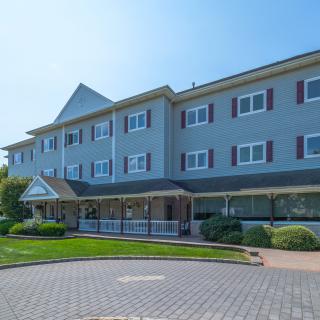
Bayside Manor
$4,600 to $5,200 / month
16.3 miles away
-
from +$530 / mo
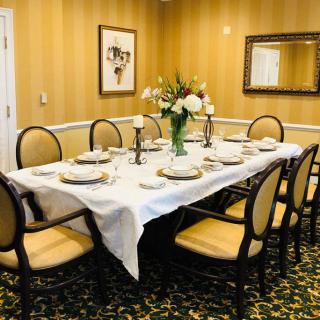
Brandywine Living At The Sycamore
$4,530 to $7,680 / month
12.3 miles away
-
from -$180 / mo
Complete Care at Green Acres
$3,820 to $4,200 / month
14.5 miles away
-
from +$300 / mo
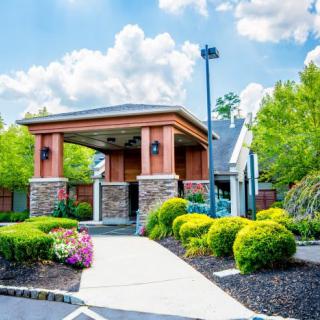
Arbor Terrace Middletown
$4,300 to $5,200 / month
14.4 miles away
Overall Review of Wedgwood Gardens Care Center
differentiator
13 reviews mention this
Rehab and therapy feel hands-on
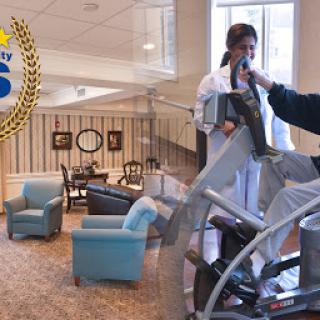
Residents and families repeatedly describe therapy that helps with recovery and mobility.
A recurring theme is that the rehab experience is active and goal-focused, especially physical therapy. Multiple reviews mention improvements like getting up, walking, and returning mobility after surgery, falls, or hospital stays. Several families also say the therapy team pushed or encouraged them in a way that supported progress, and they felt the staff followed through on treatment needs.
common
12 reviews mention this
Staff communication and responsiveness
Families often report clear updates and staff who respond when questions come up.
Many reviews describe staff as approachable and communicative, with regular updates about condition and changes. Several families mention being informed about options, medication-related needs, or what was happening day to day. Some residents also contrast this with moments when they felt care wasn’t delivered on time, especially around help requests or basic needs, which shows responsiveness can vary.
common
18 reviews mention this
Kindness and compassion are frequent
Kind, caring staff is one of the most repeated reasons people recommend this facility.
Across many reviews, residents and families highlight compassion, patience, and professional demeanor from nursing, aides, therapists, and social/activities staff. Multiple people mention staff treating them with respect and making difficult situations feel easier for the family. At the same time, a smaller set of negative reviews describe dismissive or unprofessional interactions, suggesting the experience isn’t consistent for everyone.
caveat
6 reviews mention this
Food quality is mixed
Food reviews are mixed, with some residents saying it needs improvement.
Some families praise meals as good and mention satisfaction with food as part of the overall stay. Other reviews complain that food was terrible, didn’t match dietary restrictions, or arrived without drinks or with wrong sides. A few also describe problems during meals, including residents being left messy after eating, which ties food quality and delivery together.
caveat
9 reviews mention this
Staffing and basic care concerns
Several reviews raise concerns about missed help and inconsistent basic care.
A number of negative reviews describe delays in responding to call buttons or requests for help, including help with hydration, bathing, or getting to mobility needs. Some also mention being left in soiled garments, not receiving prescribed medications, or receiving care only after family advocates pushed for it. A couple of reviews specifically frame the issues as understaffing, while others feel the facility can provide strong care—so the concern appears tied to day-to-day consistency.
common
2 reviews mention this
Pricing comes in below averages
Pricing shown for private and studio units runs below county and state averages.
Pricing provided for private and studio options indicates amounts that are below both county and state reference figures. This can matter for families comparing total monthly cost before committing to rehab or longer stays. Reviews still vary widely on day-to-day care quality, so cost comparisons don’t fully resolve the questions some families raised about staffing and basic services.
How we summarize
Counts show how many written reviews mention each theme; a review can touch several themes, and only frequently mentioned themes are displayed.

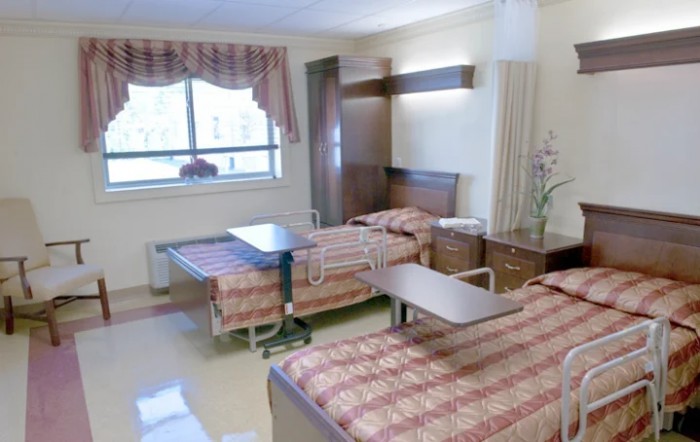
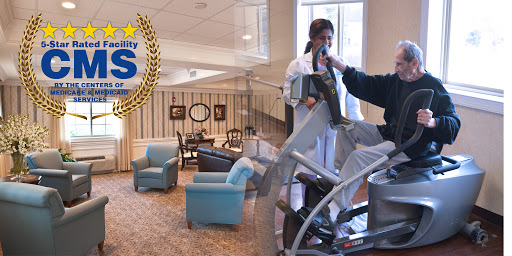
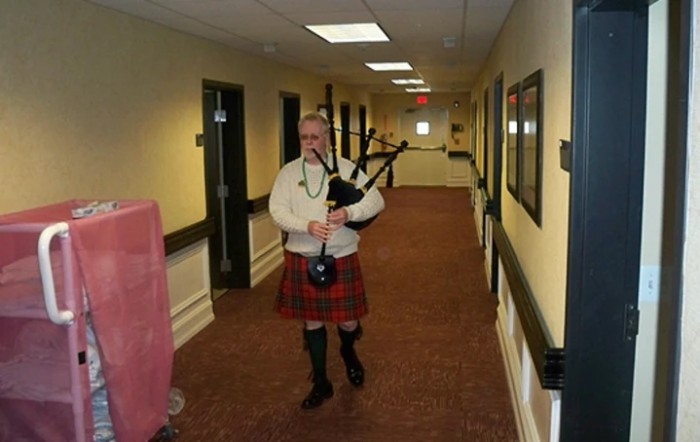
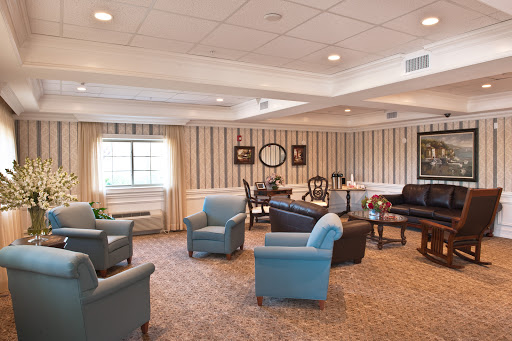
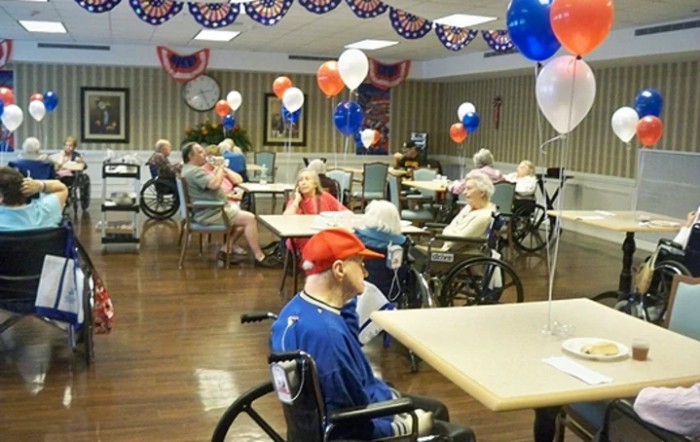
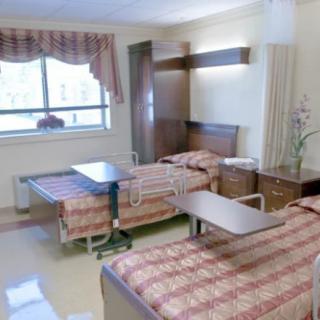
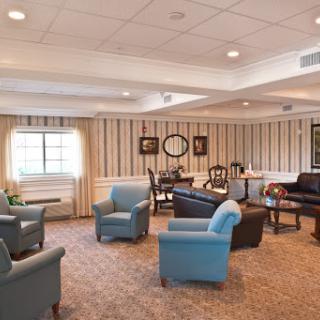



 151 resident community capacity
 Skilled Nursing Facility
 Air-conditioning
 Beauty salon
 Cable or satellite TV
 Computer center
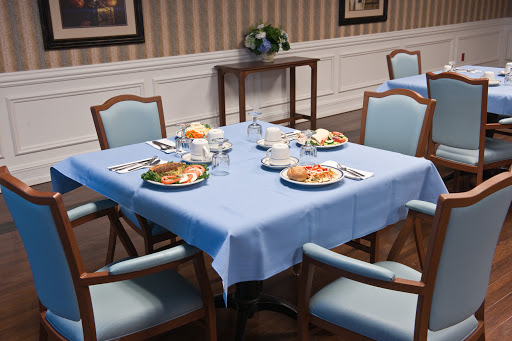
 Dining room
 Fitness room
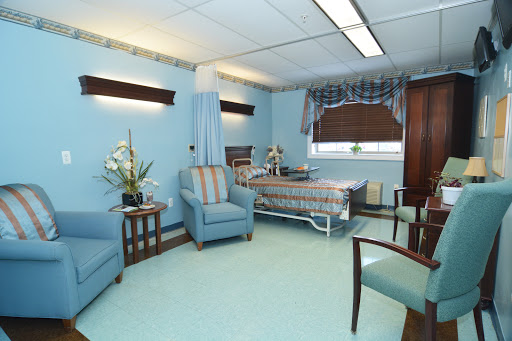
 Fully furnished
 Gaming room
 Garden
 Housekeeping services
 Kitchenette
 Move-in coordination
 Outdoor space
 Private bathrooms
 Restaurant-style dining
 Small library
 Telephone
 Wellness center
 Wi-Fi/high-speed internet available
 Community operated transportation
 12-16 hour nursing
 24-hour call system
 Activities of daily living assistance
 Assistance with bathing
 Assistance with dressing
 Assistance with transfers
 Diabetes diet
 Medication management
 Mental wellness program
 Special dietary restrictions
 Concierge services
 Planned day trips
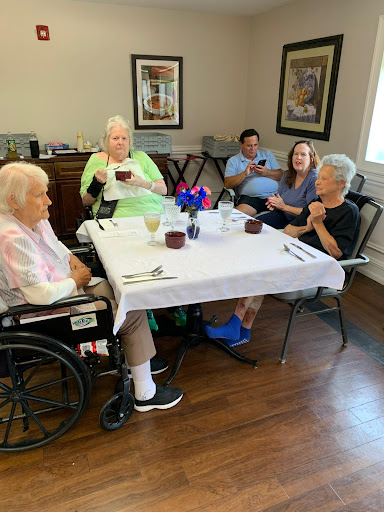
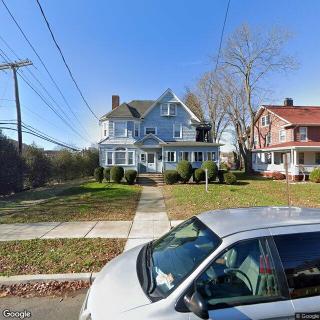
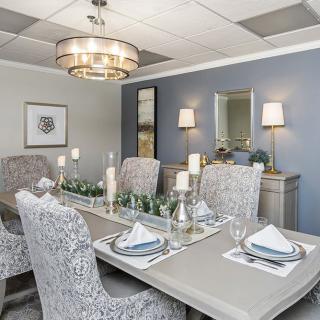
 Compassionate staff delivering attentive rehab and engaging activities.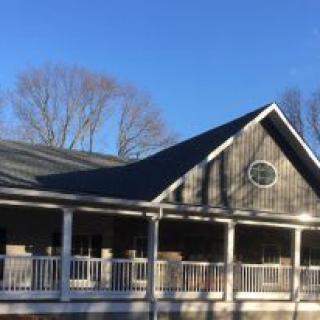

 Managing Nursing Home Expenses After Medicare Coverage Ends
 Is a Geriatric Care Manager the Right Choice for Your Family?
 Compassionate Conversations: How to Comfort Someone Who Is Grieving