
11725 Arbor Street Suite 210, Omaha, NE 68144
To contact a resident: (402) 445-4474
For more information about senior living options: (866) 208-4318
Eastridge Home Costs & Pricing
Eastridge Home offers a private room at a monthly cost of $4,500, positioning it slightly above the Douglas County average of $4,184 and just below the state average for Nebraska, which stands at $4,615. This competitive pricing reflects Eastridge's commitment to providing quality care and amenities tailored to the needs of its residents. While it is essential to consider individual preferences and budgetary constraints, Eastridge Home maintains a value proposition that balances cost with the level of service and community engagement offered, ensuring that residents receive a supportive environment alongside their care needs.
| Floor plans | Eastridge Home | Douglas County | Nebraska |
|---|---|---|---|
| Private | $4,500 | $4,184 | $4,615 |
Memory care communities with a similar price nearby
-
from -$765 / mo
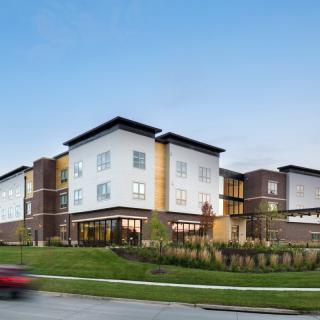
Aksarben Village Senior Living Community
$3,735 to $4,915 / month4.0 miles away -
from -$500 / mo
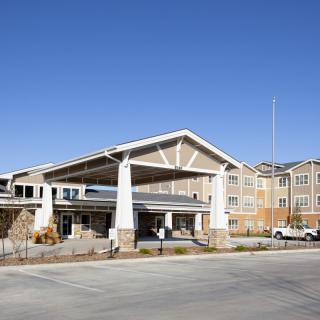
Cedarhurst of La Vista
$4,000 to $6,200 / month5.0 miles away -
from +$200 / mo
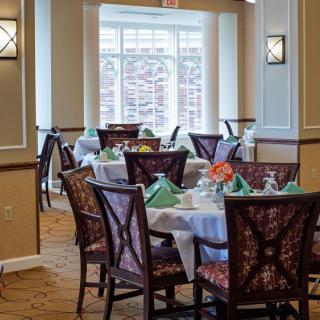
Lakeside Village
$4,700 / month4.8 miles away -
from +$721 / mo
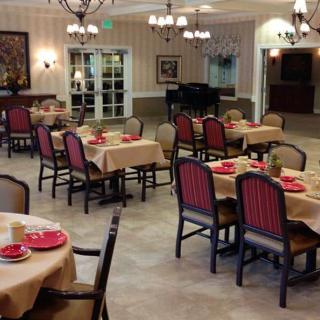
Prairie Meadows Alzheimers Special Care Center
$5,221 to $5,789 / month4.6 miles away -
from -$698 / mo
Bickford of Omaha - Blondo
$3,802 to $4,106 / month3.0 miles away
Overall Review of Eastridge Home
Pros
 They make the home-buying process seamless and stress-free.
 - Anne and Brent are incredibly professional, responsive, and efficient.
- The team handles everything with care and keeps things moving smoothly and on time.
- Spyglass is personable as well as time-efficient, with strong communication.
- The process is described as simple and straightforward by clients.
- Anne and the team have earned high recommendations from agents and clients alike.
- Spyglass has successfully closed 50+ transactions, consistently delivering excellent results.
- Shawnda is described as exceptionally kind and stress-relieving, going above and beyond.
- Spyglass is regarded as the best title company ever and a standard in the industry.
- The staff are respectful, quick, and considerate, ensuring smooth closings.
Review
This community is best suited for families that prize a well-organized, communication-forward approach to assisted living. In Omaha, a setting that can coordinate admissions, ongoing care, and daily routines with minimal friction is exactly what many families want when navigating a transition into long-term housing. The strongest signal from the available material is not a direct appraisal of Eastridge Home, but a pattern of professionalism, responsiveness, and problem-solving in service environments. When those qualities show up in daily operations, families experience fewer surprises, clearer updates, and a smoother path from move-in to ongoing care. That is the baseline expectation to apply to Eastridge: a place where reliable systems and steady staffing translate into predictable, calmer days for residents and their loved ones.
Who should consider alternatives? If high medical acuity, specialized memory care, or 24/7 skilled nursing oversight are non-negotiable, families may want to widen the search. Facilities that emphasize advanced clinical programs or larger on-site medical teams often better serve residents with complex needs. Cost sensitivity also matters; if a community’s pricing structure is opaque or tends to fluctuate with add-ons, it can undermine the sense of security that a structured, well-run operation should provide. Families pursuing a truly tailored care plan, where staffing ratios, care scheduling, and activity options are customized on a week-to-week basis, may find it worthwhile to compare several options side by side to identify the best fit.
The strongest pros to anchor decision-making are dependable administration, clear lines of communication, and an ability to move processes along with minimal friction. When a community demonstrates responsiveness, accuracy in documentation, and courteous, professional staff, families feel heard and trust that the care plan will stay aligned with evolving needs. These attributes reduce the chaos that often accompanies admission, care plan updates, and family inquiries. In practical terms, reliable management means fewer missed calls, faster issue resolution, and a more predictable schedule for medications, meals, and activities, benefits that dramatically improve day-to-day quality of life for residents and peace of mind for families.
On the flip side, common drawbacks that deserve scrutiny include lack of visibility into day-to-day care quality across all shifts, potential turnover in key positions, and variability in programming or social opportunities. Some communities struggle with balancing cost against comprehensive services, resulting in sticker shock or hidden fees that complicate long-range planning. Space constraints, parking, and accessibility can also matter, particularly for residents with mobility challenges or those who rely on frequent family visits. These are legitimate realities to verify through tours, references, and a frank discussion about what a typical day looks like for residents with different needs.
The key to making the pros work against those potential cons is rigorous transparency and flexible, resident-centered care planning. If Eastridge Home upholds transparent pricing, offers predictable care timelines, maintains consistent staffing with robust shift handoffs, and provides a well-structured activity calendar that genuinely engages residents, many of the common downsides lose their bite. Families should look for proactive care updates, detailed incident reporting, and a clear path for adjusting services as health or cognitive needs change. When management demonstrates a track record of solving problems without escalating friction, the value of reliable communication and predictable routines becomes obvious, offsetting concerns about cost or programming limits.
The practical next steps are concrete and non-negotiable. Schedule a multi-hour visit with direct time in resident spaces, common areas, dining rooms, and a sample configuration of private rooms, to observe interaction patterns, cleanliness, and safety features. Request copies of care plans, staffing schedules, and recent family feedback. Speak with current residents and their families about how transitions are managed, how often care plans are updated, and how responsive the administrative team is to concerns. Verify licensing, inspection reports, and any specialist services offered on-site, such as physical therapy or memory care programming. With a high rating and a clear emphasis on reliable operations, Eastridge Home deserves serious consideration for families prioritizing steadiness, clear communication, and a well-coordinated care experience in Omaha.
 Board and Care Home
 Memory Care
 Private
 Eppley Airfield (11 miles away)



 Exploring the Power of Reminiscence Therapy for Individuals With Dementia
 An In-Depth Look at Reminiscence Therapy in Dementia Care
 Dementia-Related Hallucinations: Causes, Experiences, and Practical Approaches