
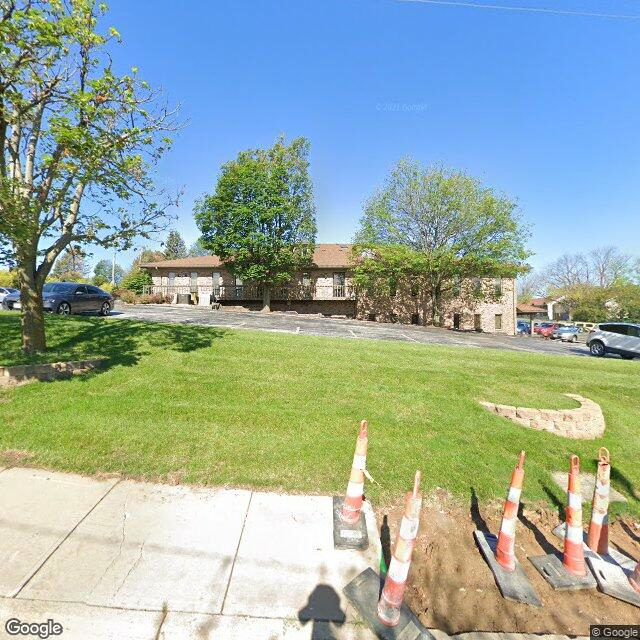
11711 Arbor Street, Omaha, NE 68144
To contact a resident: (402) 502-4301
For more information about senior living options: (866) 208-4318
Overall Review of Alzheimer's Association of Omaha
Pros
 The staff are very helpful and offer options that people weren't aware existed.
- The 24-hour help line provides reliable crisis support.
- The staff are compassionate and speak with callers like a friend.
- There is a wealth of information available.
- The organization provides much-needed resources and support for people living with Alzheimer's or related dementia.
- The organization is wonderful and staffed by dedicated professionals who help those affected by dementia.
Review
The Alzheimer's Association of Omaha is best suited for families and caregivers navigating dementia care who want a reliable information hub, practical planning support, and steady crisis guidance. It shines as a center for education, resource conexión, and emotional backing rather than a living or hands-on caregiving facility. For someone newly facing a diagnosis or a caregiver overwhelmed by questions, this organization provides a calm, knowledgeable touchpoint that helps families map out options, understand disease progression, and organize a thoughtful care plan with experienced professionals who respond with empathy and clarity.
Those seeking actual housing or hands-on daily care should consider alternatives. The organization does not operate a residence, nor does it provide in-home care services. For families requiring memory-care living arrangements, assisted living with dementia programming, or ongoing in-home support, the path leads to dedicated care providers, memory-care communities, social workers, and geriatric care managers in the Omaha area. The 24/7 crisis helpline remains a critical asset, but it functions to support decision-making and crisis navigation, not to deliver care. Recognizing this distinction is essential for aligning expectations with what the organization can and cannot offer.
The strongest advantages lie in staff quality and the breadth of information available. Reviewers repeatedly note helpful, compassionate staff who present options that may not be immediately evident, turning questions into concrete next steps. The 24-hour helpline functions as a safety net in crises, alleviating anxiety and preventing rushed, ill-considered choices after hours. The organization aggregates extensive resources and connects families with professionals dedicated to dementia, producing actionable education, planning tools, and community connections. In practical terms, these assets translate into a more organized caregiver journey, reducing confusion at pivotal moments and accelerating access to appropriate services, an offset to the absence of direct care.
There are clear trade-offs, but they do not undermine the value offered. The primary drawback is in scope: the organization cannot fulfill the caregiving or housing needs it helps families identify. For families that require hands-on care, in-person support, or a living environment tailored to dementia, a parallel search for memory-care facilities or home-health options remains necessary. Some individuals may miss the in-person cadence of face-to-face meetings if such contact is preferred, yet the robust helpline and local resource network effectively mitigate this gap by delivering timely guidance and referrals across the metro area.
This organization excels as a strategic starting point for planning and coping. It is especially strong for newcomers to dementia care, for those reassessing existing plans, or for caregivers seeking structure, education, and peer-facing resources. It makes sense to integrate its offerings with direct care pathways, memory-care communities, in-home agencies, and hospital or social-work support, so that transitions unfold with clarity and minimal friction. By combining professional insight with practical navigation, families gain confidence, reduce second-guessing, and position themselves to act decisively when needs evolve.
In the end, the Alzheimer's Association of Omaha stands out as a practical, trusted ally in the dementia care landscape. It delivers accessibility, expertise, and a sense of community that empowers families to make informed decisions and pursue appropriate services without feeling adrift. It is not a substitute for care delivery, but a force multiplier, guiding planning, providing crisis support, and connecting families to the right resources at the right time. For Omaha-area families seeking direction, reassurance, and a roadmap through the maze of dementia care, this organization is the prudent first stop.
 Eppley Airfield (11 miles away)


 Weight Training for Seniors: Building Strength and Vitality
 Understanding the Sandwich Generation: Stress and Responsibilities for Multigenerational Caregivers
 8 Essential Assistive Devices for Older Adults