


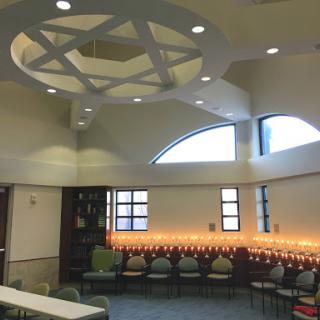
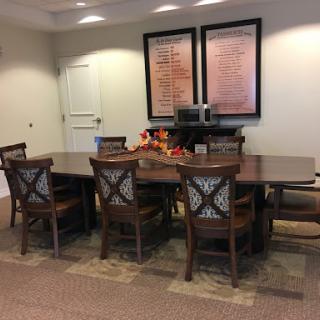
323 South 132Nd Street, Omaha, NE 68154
For more information about senior living options: (866) 208-4318
Rose Blumkin Jewish Home Costs & Pricing
Rose Blumkin Jewish Home offers competitive pricing for its residents, particularly when compared to local and state averages in Douglas County and Nebraska. For a one-bedroom unit, the monthly cost is $3,350, which is slightly higher than the average in Douglas County at $2,803 but remains close to the state average of $3,167. This positions Rose Blumkin as a viable option for those seeking quality care without significantly exceeding regional costs. In terms of studio accommodations, the monthly rate is set at $3,500. Although this exceeds both the Douglas County average of $3,611 and the state average of $3,728, it reflects the unique services and community offerings that enhance resident experience. Overall, Rose Blumkin provides valuable options for residents while remaining mindful of cost factors within its competitive landscape.
| Floor plans | Rose Blumkin Jewish Home | Douglas County | Nebraska |
|---|---|---|---|
| 1 Bedroom | $3,350 | $2,803 | $3,167 |
| Studio | $3,500 | $3,611 | $3,728 |
Skilled Nursing Facilities with a similar price nearby
-
from -$462 / mo
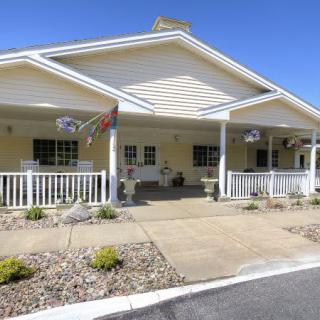
Carter Place
$2,888 to $4,986 / month20.7 miles away -
from +$452 / mo
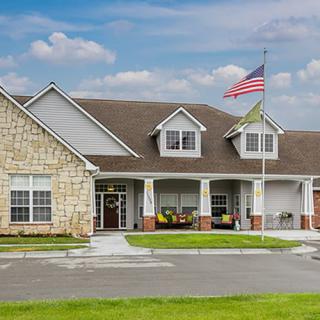
Bickford of Omaha - Blondo
$3,802 to $4,106 / month2.1 miles away -
from +$645 / mo
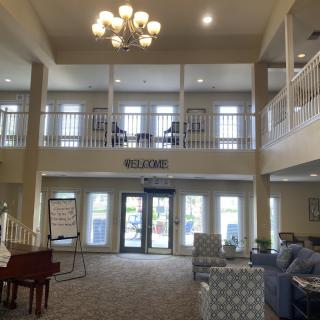
Bailey Pointe at Miracle Hills
$3,995 to $5,160 / month1.1 miles away -
About the same

Hickory Villa
$3,290 / month4.8 miles away -
from +$452 / mo

Bickford of Omaha - Hickory
$3,802 to $4,106 / month4.7 miles away
Overall Review of Rose Blumkin Jewish Home
Pros
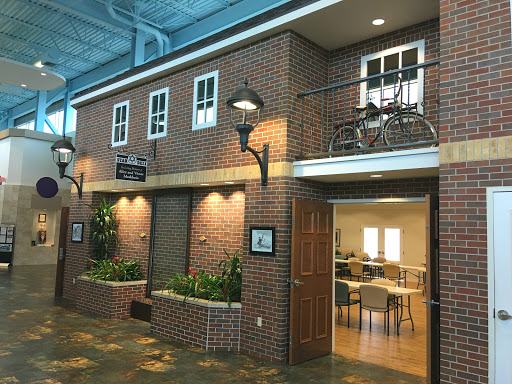
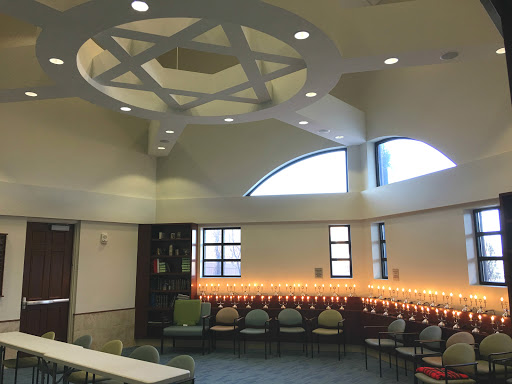
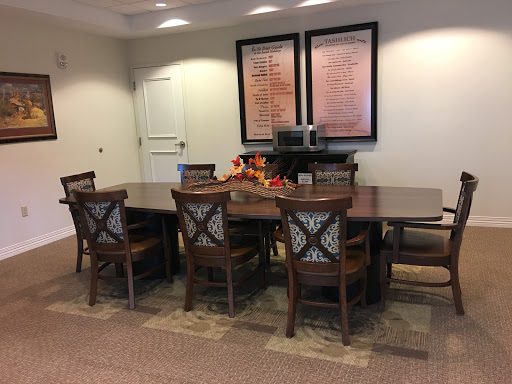
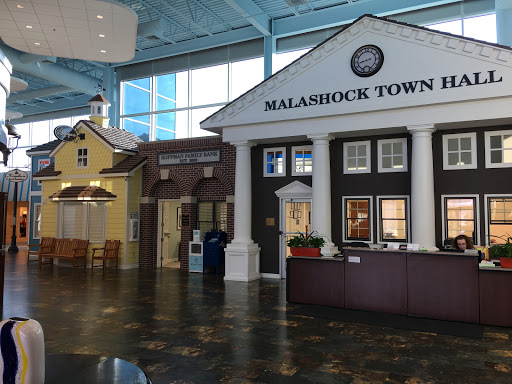
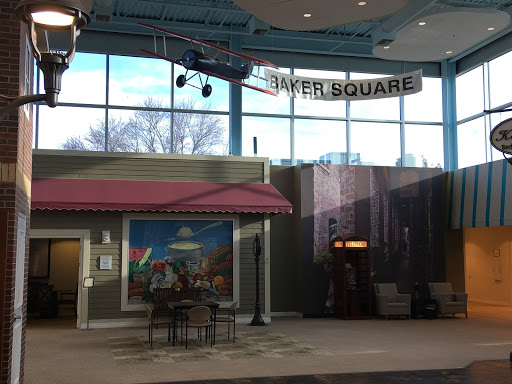
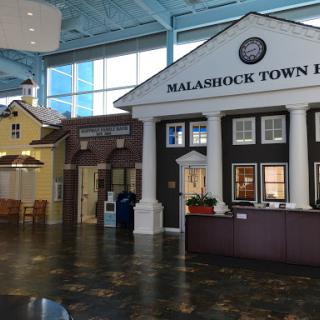
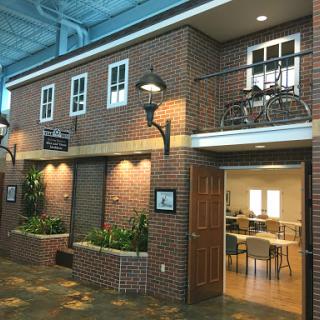
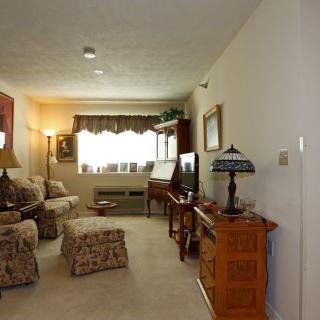
 The Rose Blumkin Jewish Home was clean, well laid out, and beautiful, with nice rooms and furniture.
- The rehab stay featured caring, dedicated, accommodating, and hard-working staff with smiles.
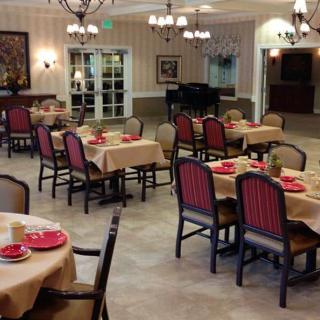
- The meals and activities were great, and residents felt like they became part of a second family.
- The staff were kind, compassionate, and patient, making newcomers feel comforted and welcomed.
- The facility provided a genuine sense of community and made residents feel valued as individuals.
- The care teams, including nurses, aides, and administration, were described as amazing and attentive.
- The rooms were clean, well lit, nicely furnished, and offered pleasant furnishings.
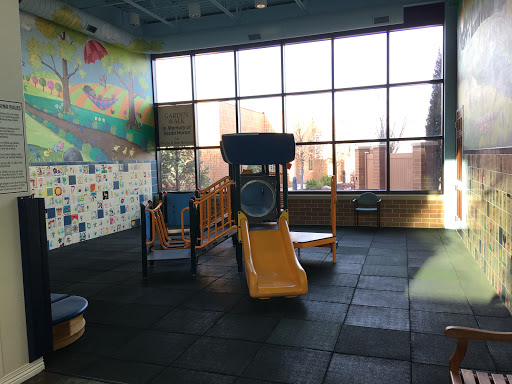
- Daily activities, exercise areas, and outdoor spaces helped residents stay engaged.
- Families expressed strong appreciation and would recommend the facility.
Cons
 The facility leaves patients soaked in urine and fecal matter.
- The level of care has diminished as of the beginning of 2025.
- Much younger aides have taken over the building and don’t care.
- Family members must walk in to a neglected loved one soaked in urine near their pants.
- For the price of this facility, better care is expected; there are cheaper places with quality care.
- The place is going downhill faster than anyone could have imagined.
- The updated rooms are misleading and should not fool anyone.
- Abuse has been reported, but nothing has been done about it.
- There is perceived unfairness toward minorities, and scheduling favoritism is reported.
Review
Rose Blumkin Jewish Home is best suited for families seeking a facility with a clearly strong rehab orientation, a visible sense of community, and an environment that can feel warm and intimate when the care team is functioning at full strength. The facility can deliver excellent skilled nursing experiences during short-term or rehab stays, supported by attentive therapists, nurses, and aides who genuinely engage residents and their families. When staffing is stable and the culture remains person-centered, residents commonly report meaningful connections, good meals, and purposeful activities that create a home-like atmosphere. This is not a one-size-fits-all option, however; it works best for those who can actively oversee daily care and advocate for consistent practices.
Those who should consider alternatives are precisely families prioritizing unwavering daily safety, predictable care routines, and zero tolerance for management-related inconsistencies. If long-term residency hinges on uniformly calm, professional supervision, or if prior experiences or perceptions of staff turnover and supervisory issues raise red flags, it is prudent to look elsewhere. The community’s appeal appears most compelling when short bursts of skilled care are the goal and families can remain closely involved to assure consistency across shifts. For residents with complex needs requiring continuous, carefully coordinated oversight, other options may deliver greater peace of mind.
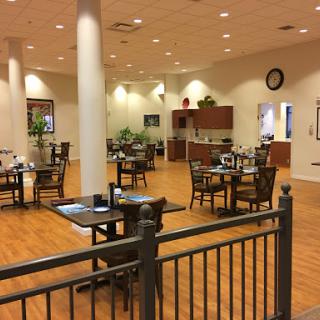
The strongest positives center on effective rehabilitation experiences, compassionate staff during many shifts, and a facility that encourages social engagement. Several reviewers praise therapeutic teams, responsive nurses, and a culture that treats residents with dignity. The dining program and daily activities also stand out, contributing to a sense of belonging and routine at a time when structure matters. Cleanliness and a well-laid-out campus contribute to comfort, and the atmosphere can feel genuinely supportive for residents who respond well to a nurturing, activity-rich environment. These advantages demonstrate the community’s potential when operations run smoothly.
Yet, the most serious concerns rise from reported lapses in daily care and supervisory conduct. Some accounts describe residents left in soiled clothing or in distress, with critiques pointing to staffing gaps, inconsistent attentiveness, and delays in basic care tasks. There are also claims of alleged abuse and unaddressed issues raised with supervisors, alongside scheduling problems and perceptions of unfair treatment by management. While other families recount entirely positive experiences, the frequency and variety of negative anecdotes cannot be dismissed. On balance, these risks demand a plan for vigilant oversight and explicit performance guarantees from leadership.
When weighing pros against cons, the rehab-focused strengths can offset some short-term risk, but they do not erase the larger concern about ongoing daily care quality and administrative responsiveness. For families prioritizing a visible, ongoing commitment to resident well-being, the positives, effective therapy, personalized attention when available, and an active social calendar, are meaningful. However, the clarity and consistency of daily care, staff accountability, and reliable abuse reporting and response are equally decisive. In practice, Rose Blumkin Jewish Home may deliver outstanding moments, but those moments must be the rule, not the exception, for long-term confidence.
Practical next steps drive the best long-term decision. Schedule multiple in-person visits at different times of day to observe caregiver interactions, answer questions about staffing ratios, and request a sample care plan and daily schedule. Probe leadership about how abuse concerns or scheduling irregularities are handled, and request recent metrics on resident satisfaction, incident reports, and staffing stability. Talk with current residents and families about day-to-day experience, especially with toileting, dressing, and mobility assistance. And finally, compare costs against credible alternatives that emphasize consistent staffing and transparent governance. If safety, steadiness, and dependable daily care are non-negotiable, consider other options; if rehab success, community warmth, and the ability to actively oversee care align with needs, Rose Blumkin Jewish Home remains a viable choice, provided a thorough, ongoing evaluation is built into the plan.
 105 resident community capacity
 Skilled Nursing Facility
 Air-conditioning
 Beauty salon
 Cable or satellite TV
 Computer center
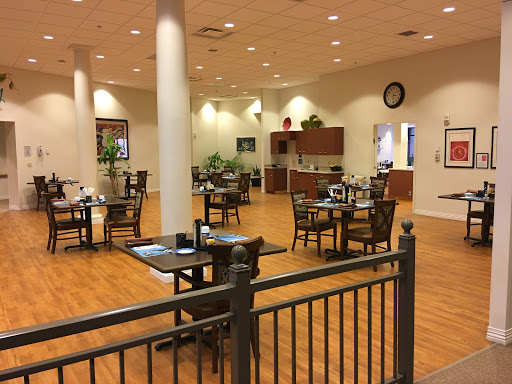
 Dining room
 Fitness room
 Fully furnished
 Gaming room
 Garden
 Housekeeping services
 Kitchenette
 Move-in coordination
 Outdoor space
 Private bathrooms
 Restaurant-style dining
 Small library
 Telephone
 Wellness center
 Wi-Fi/high-speed internet available
 Eppley Airfield (12 miles away)
 Community operated transportation
 12-16 hour nursing
 24-hour call system
 Activities of daily living assistance
 Assistance with bathing
 Assistance with dressing
 Assistance with transfers
 Diabetes diet
 Medication management
 Mental wellness program
 Special dietary restrictions
 Concierge services
 Planned day trips



 Recognizing the Journey: Understanding and Navigating Anticipatory Grief
 Encouraging Participation in Adult Day Care: A Guide to Supporting a Hesitant Parent
 Comprehensive Exploration of Living Wills and Other Advance Directives