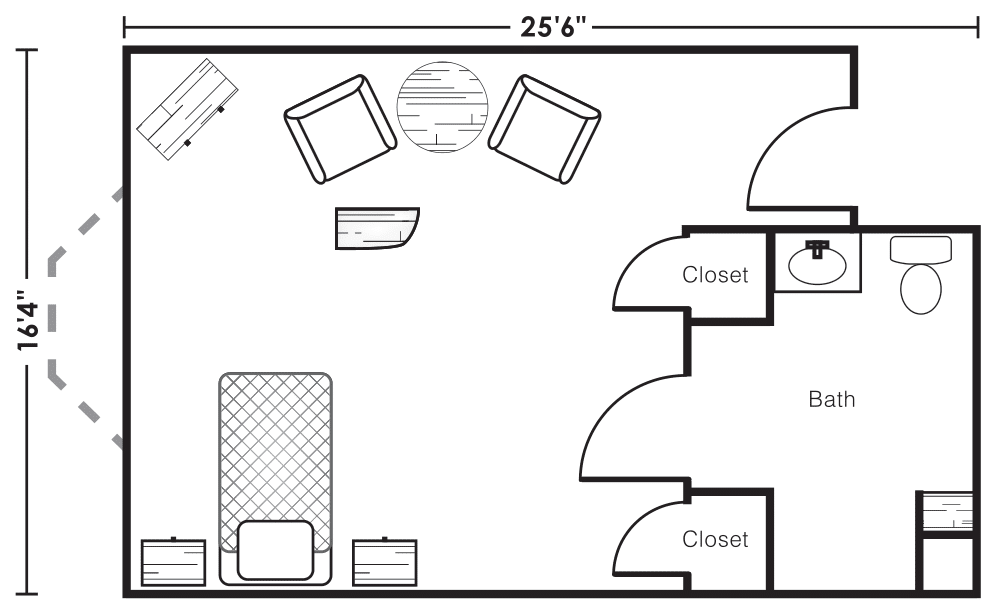
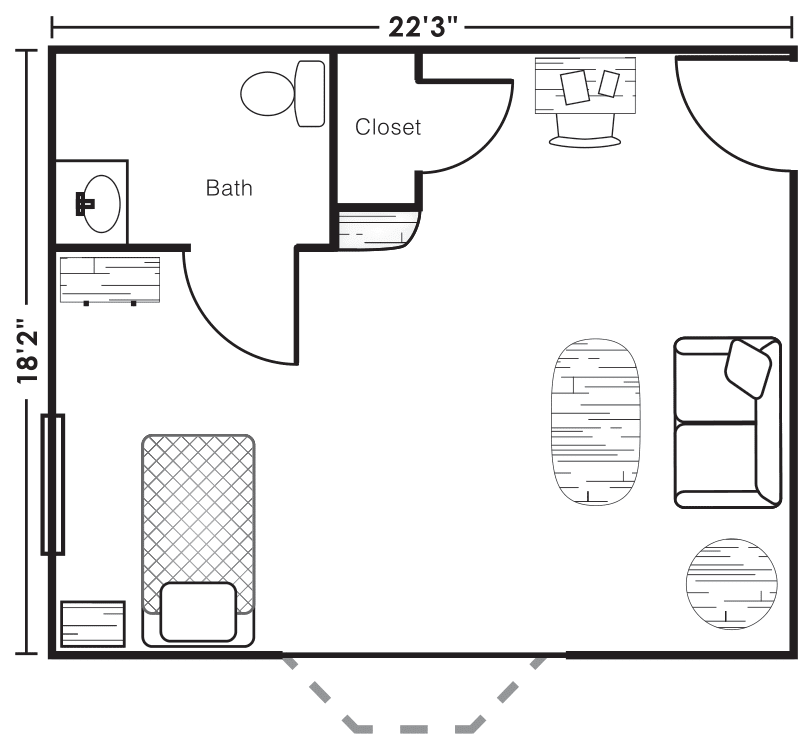
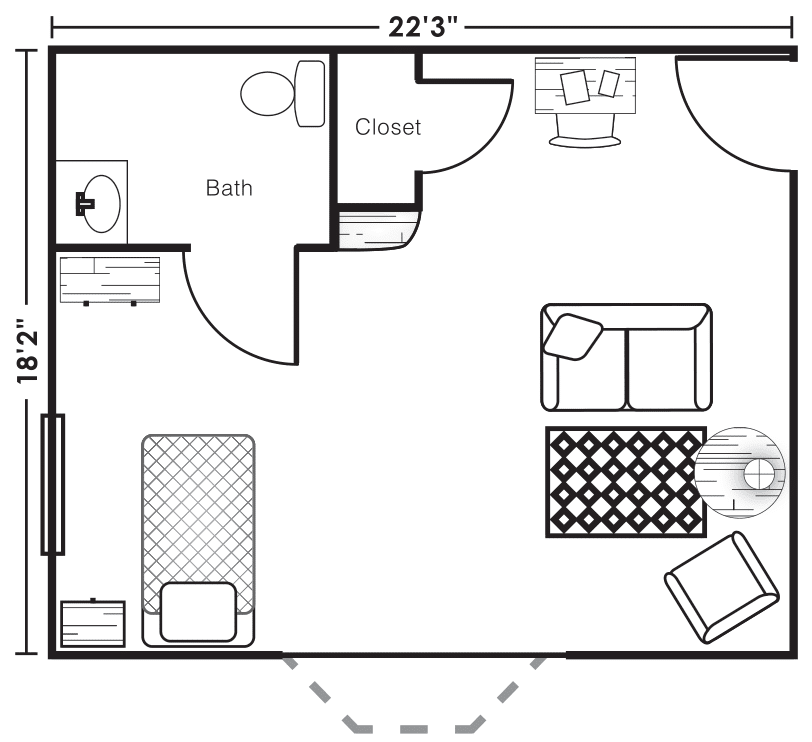
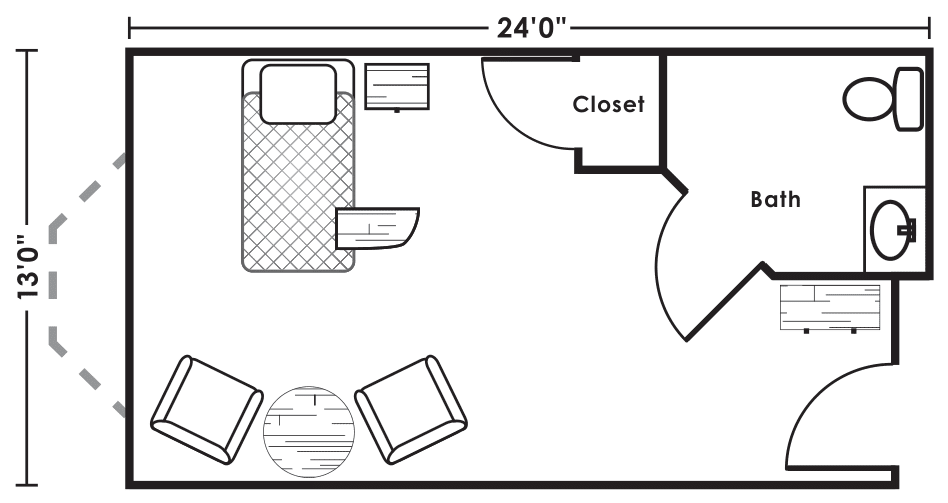
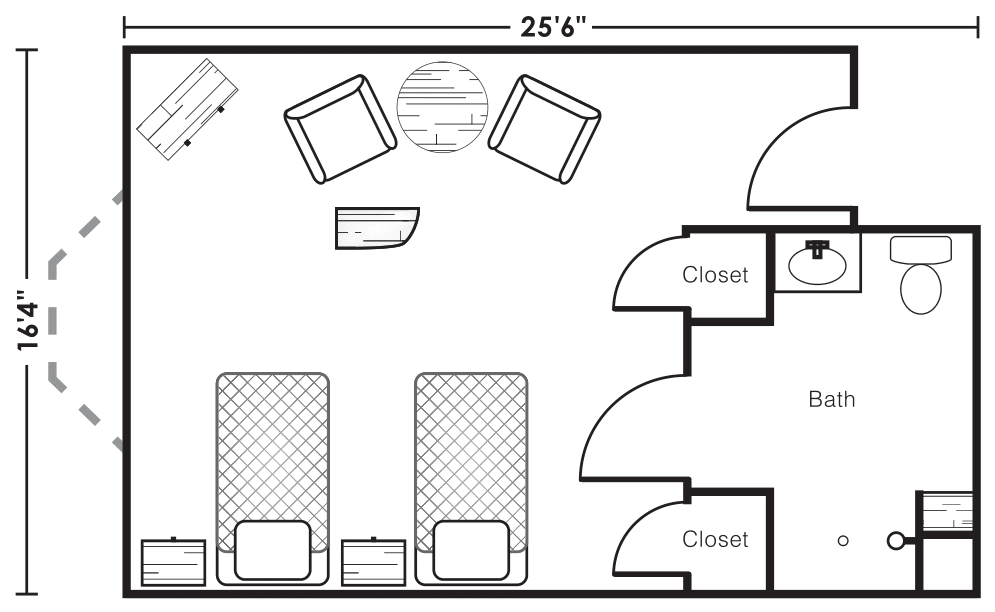
CountryHouse Omaha offers a range of room types at prices that reflect the quality of care and services provided. For those looking at semi-private rooms, the cost is $5,695 per month, which is notably higher than the averages in Douglas County ($4,520) and across Nebraska as a whole ($4,123). Studio apartments come with a monthly fee of $7,095, significantly surpassing both the county ($3,611) and state average ($3,728). Similarly, the one-bedroom option is priced at $7,495, well above Douglas County's average of $2,803 and Nebraska's average of $3,167. While these costs are on the higher end compared to local and state levels, they reflect CountryHouse Omaha's commitment to providing exceptional care tailored to meet the needs of its residents.
Floor plans
CountryHouse Omaha
Douglas County
Nebraska
Semi-Private
$5,695
$4,520
$4,123
Studio
$7,095
$3,611
$3,728
1 Bedroom
$7,495
$2,803
$3,167
Memory care communities with a similar price nearby
Residents and families repeatedly describe the community as a strong fit for dementia and Alzheimer’s care.
Many reviewers reference Alzheimer’s or dementia when describing their loved one’s experience here, including a mother and father who were living with memory conditions. Several families say they chose the community specifically for memory care and felt their loved one was treated with dignity, compassion, and day-to-day support. One reviewer also notes the staff and leadership worked to address individual needs on a daily basis, which matches the memory-care focus for this community.
common29 reviews mention this
Care feels personal and responsive
Reviews commonly describe caregivers as kind, knowledgeable, and attentive to daily needs.
A large share of reviews praise staff for being friendly, patient, and genuinely caring, including direct care staff and nursing. Multiple reviewers describe feeling reassured through clear communication, and some mention the staff took time to learn personal preferences. A smaller number of reviews raise concerns about responsiveness or monitoring, including times when family felt they had to wait to get help and concerns about observation during the day.
common7 reviews mention this
Dining is a frequent bright spot
Dining is repeatedly called out as a highlight, with residents enjoying the food.
Several reviewers specifically mention food quality and positive dining experiences, including a resident who loved the cuisine and another who said the food was very good. One reviewer describes dining as the favorite part of the day, and another pairs good care with top-notch meals. The community also offers meals provided and supports dietary preferences like vegetarian and gluten-free options.
common9 reviews mention this
Activities keep residents engaged
Many reviews highlight active daily programming and engaging outings.
Reviewers describe a steady rhythm of activities, including time for residents to socialize and participate in things they enjoy. Several mention programs shared online, on-site events, and outings such as bus trips, plus specific events like a Valentine concert. The community also offers both on-site and off-site activities, along with day trips and devotional activities.
caveat3 reviews mention this
Cleanliness and odor concerns appear
While many praise cleanliness, a few reviews describe serious cleanliness and odor issues.
Some reviewers explicitly describe the facility as clean, comfortable, and well cared for. At the same time, a couple of negative reviews include reports of dirty seating and an overpowering odor upon entry. One reviewer also describes a day-time visit where areas looked messy, which stands apart from the otherwise frequent cleanliness praise.
caveat1 reviews mention this
Pricing runs high for all units
Pricing is a concern in reviews, and the listed rates are above broader benchmarks.
At least one reviewer calls the community “pretty costly” relative to the care received. The available pricing ranges also sit well above county and state reference points across studio, semi-private, and one-bedroom options. If you’re comparing alternatives, it may be worth confirming how care expectations align with the level of service provided day to day.
How we summarize
Counts show how many written reviews mention each theme; a review can touch several themes, and only frequently mentioned themes are displayed.
Features
Types of Care
Memory Care
Pets
Cats allowed
Dogs allowed
Amenities
Activities off-site
Activities on-site
Air-conditioning
Bath tubs
Beautician on-site
Cable or satellite TV
Devotional services on-site
Fireplaces
Garden view
Ground floor units
Handicap accessible
Indoor common areas
Outdoor common areas
Respite or short term stays offered
Wi-Fi/high-speed internet available
Transportation
Eppley Airfield (15 miles away)
Care Services
Ambulatory care
Diabetic care
Incontinence care
Medication management
Dining
Gluten-free
Guest meals
Kosher
Meals provided
Vegetarian
Activities
Activities off-site
Activities on-site
Day trips and outings
Devotional activities on-site
Live musical performances
Stretching classes
Virtual Tour
Videos
Nearby Places of Interest
This area of Omaha, Nebraska offers a variety of amenities and services that cater to the needs of seniors. With several pharmacies located within close proximity, access to medication and healthcare is convenient. In addition, there are reputable physicians and hospitals nearby for any medical needs. The neighborhood also boasts a selection of restaurants, cafes, and parks for leisure activities and socializing opportunities. Places of worship are available for spiritual fulfillment, while theaters provide entertainment options. Overall, this area provides a well-rounded community with everything seniors may need for comfortable living.
Pharmacies
Walgreens (0.1 miles)
Central Park Pharmacy (0.9 miles)
CVS Pharmacy (1.1 miles)
Stonybrook Pharmacy (1.3 miles)
Walgreens (1.9 miles)
Hy-Vee Pharmacy (1.9 miles)
Walgreens (2.1 miles)
Restaurants
Sonic Drive-In (0.1 miles)
Culver's (0.3 miles)
Runza (1.7 miles)
Local Beer, Patio, and Kitchen - Millard (1.7 miles)
Chili's Grill & Bar (1.8 miles)
McDonald's (1.9 miles)
Genji Japanese Steakhouse (1.9 miles)
Physicians
CHI Health Clinic Family Medicine/Priority Care (0.2 miles)
Nebraska Medicine (1.8 miles)
Methodist Physicians Clinic (1.8 miles)
Amard ""AJ"" Abcejo, DO (2.1 miles)
Nebraska Cancer Specialists: Midwest Cancer Center - Legacy (2.1 miles)
CountryHouse Omaha offers a range of room types at prices that reflect the quality of care and services provided. For those looking at semi-private rooms, the cost is $5,695 per month, which is notably higher than the averages in Douglas County ($4,520) and across Nebraska as a whole ($4,123). Studio apartments come with a monthly fee of $7,095, significantly surpassing both the county ($3,611) and state average ($3,728). Similarly, the one-bedroom option is priced at $7,495, well above Douglas County's average of $2,803 and Nebraska's average of $3,167. While these costs are on the higher end compared to local and state levels, they reflect CountryHouse Omaha's commitment to providing exceptional care tailored to meet the needs of its residents.
Medication management at CountryHouse Omaha is designed to ensure that residents receive their prescribed medications safely and consistently, which is crucial for maintaining their overall health and well-being. This structured approach helps reduce the risk of missed doses or medication errors, which can exacerbate cognitive decline. Incontinence care addresses a common challenge faced by individuals with dementia and Alzheimer's disease, allowing for respectful and compassionate assistance that promotes dignity while minimizing discomfort and anxiety. By providing tailored support in these areas, CountryHouse Omaha fosters a sense of security and stability, enabling residents to focus on their quality of life amid the complexities of their conditions.
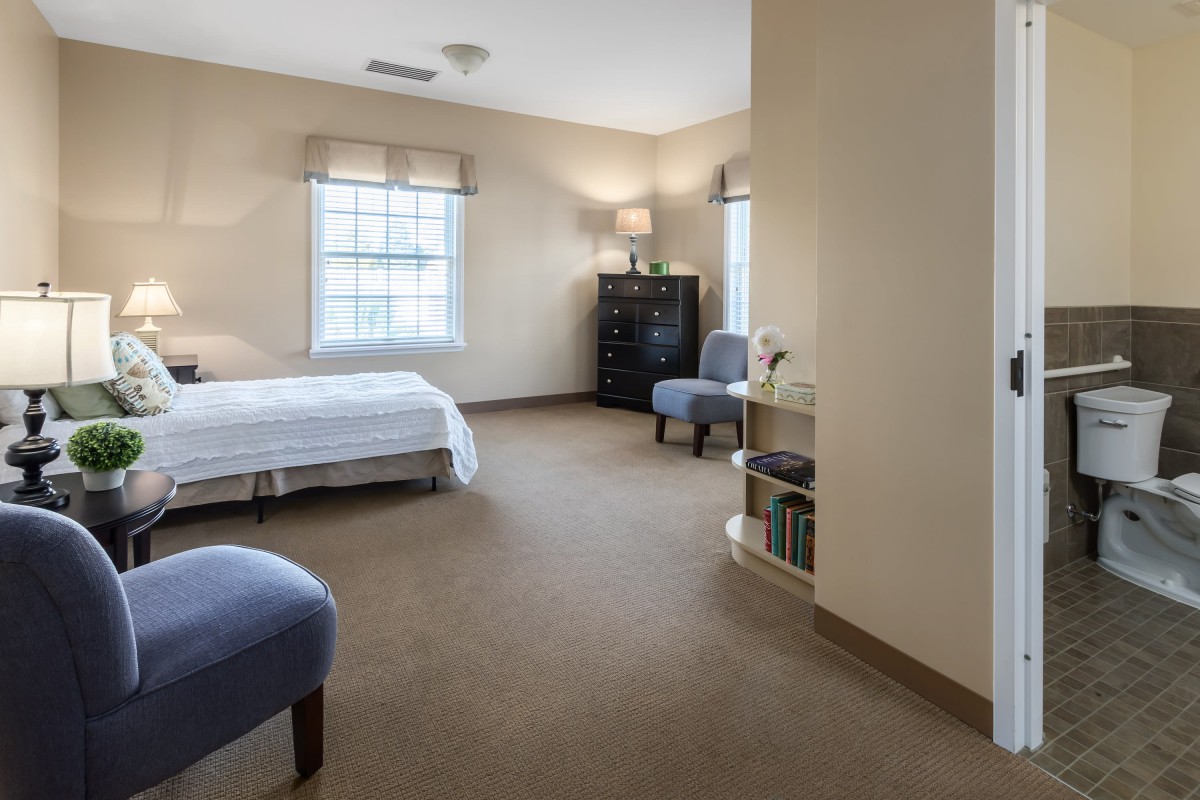
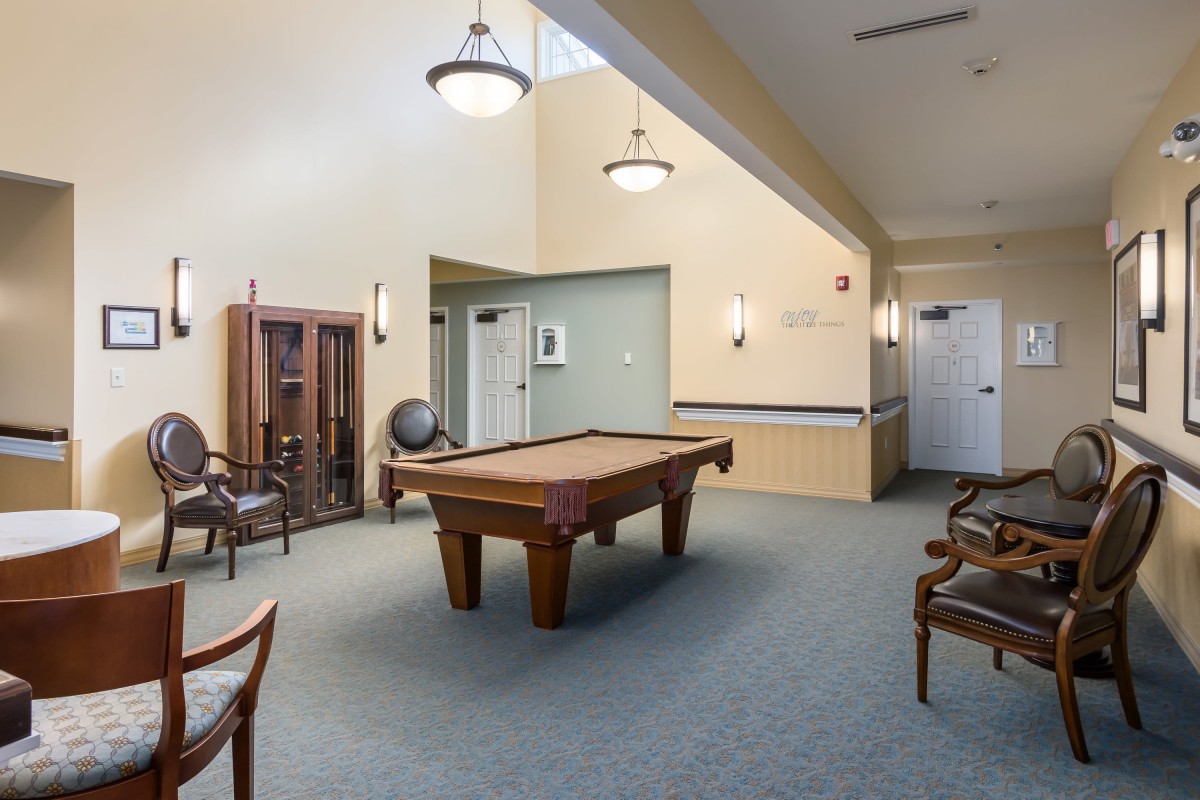
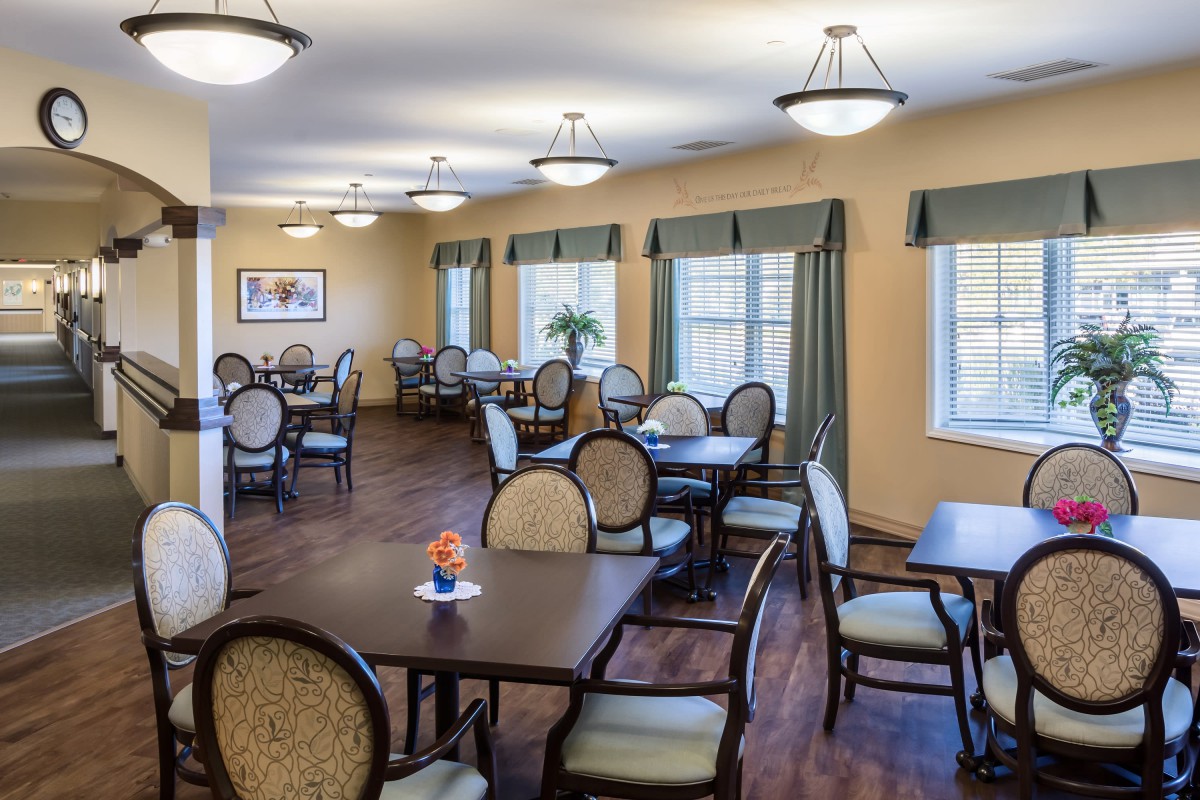
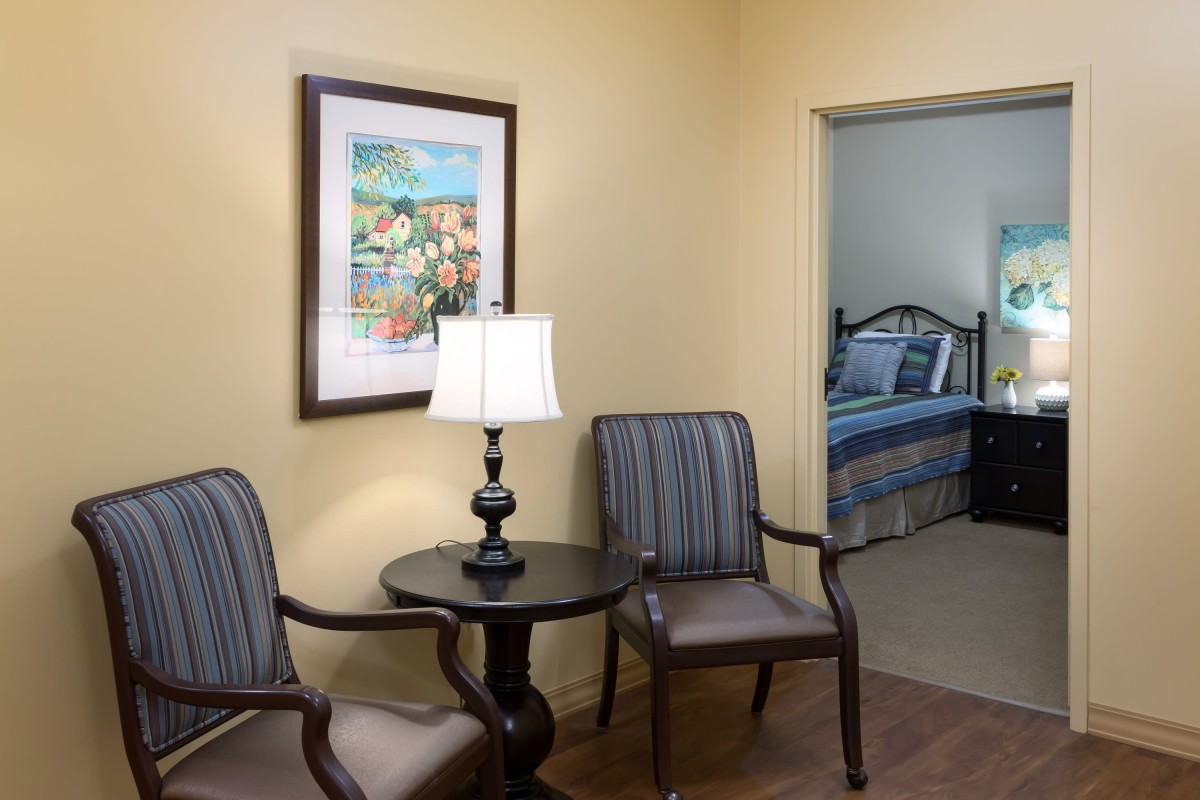
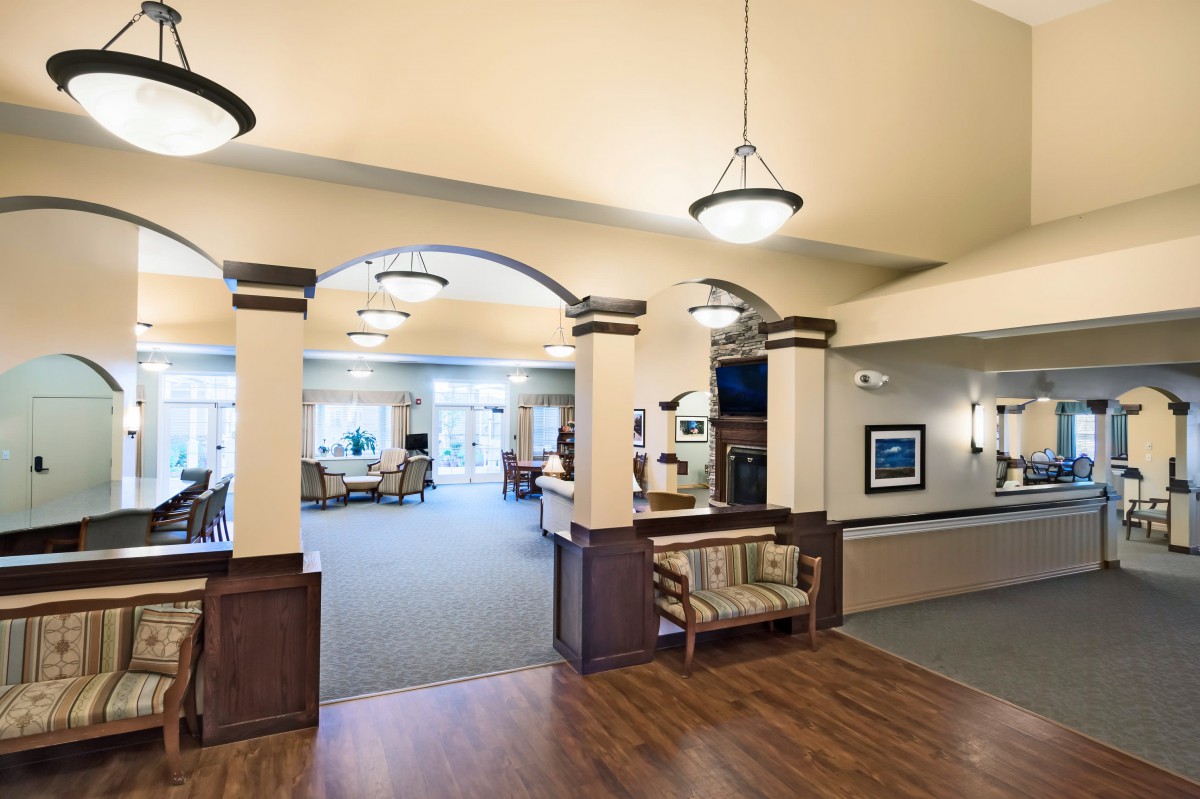
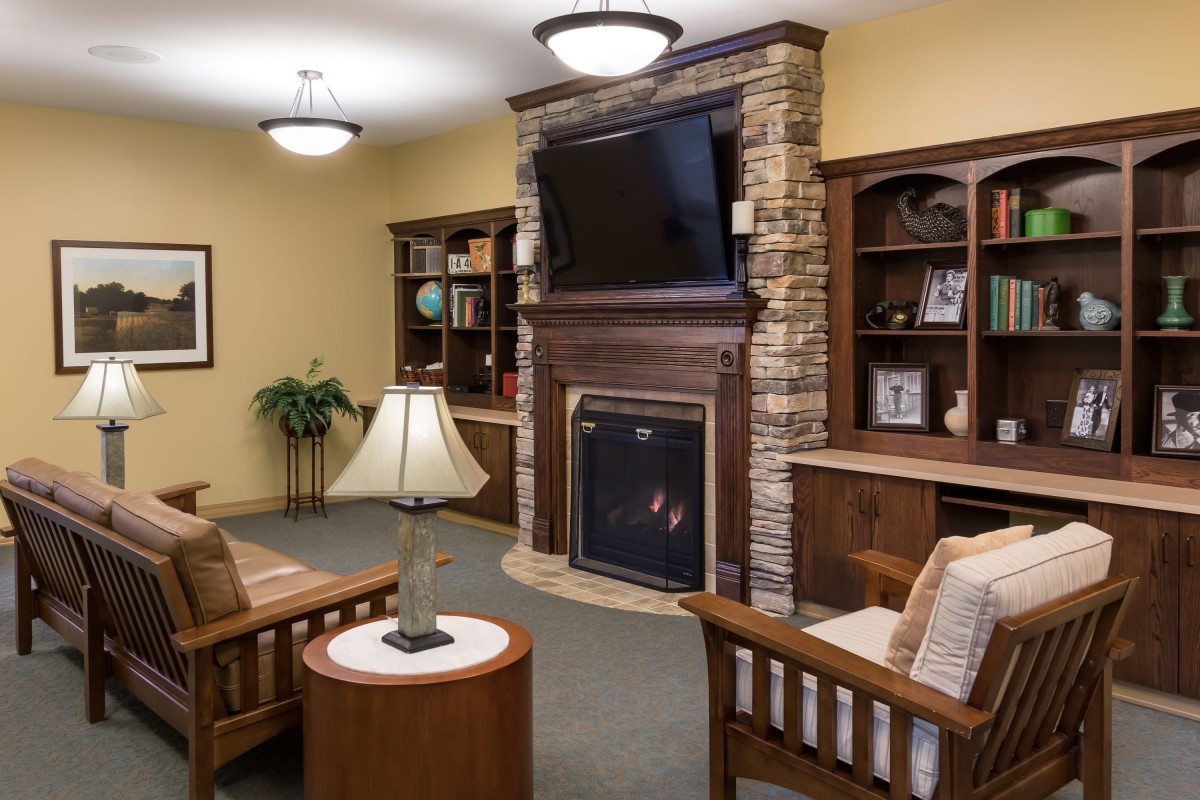
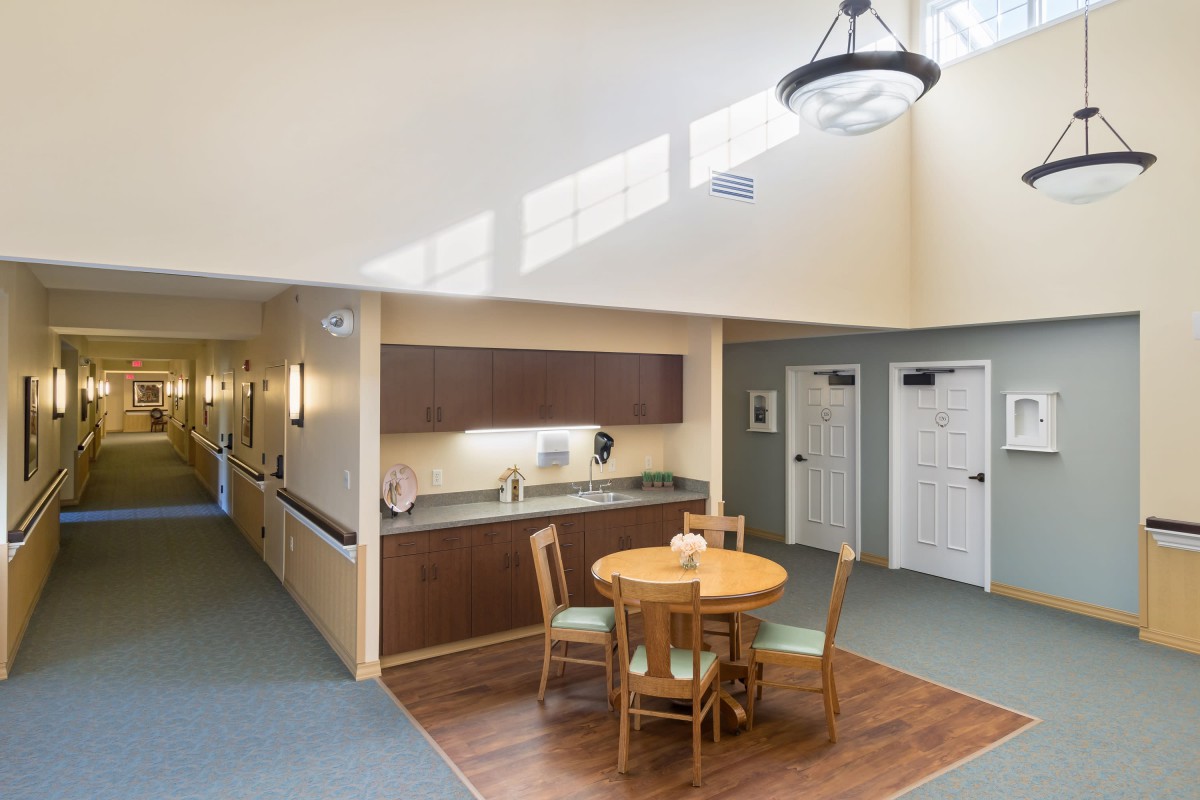
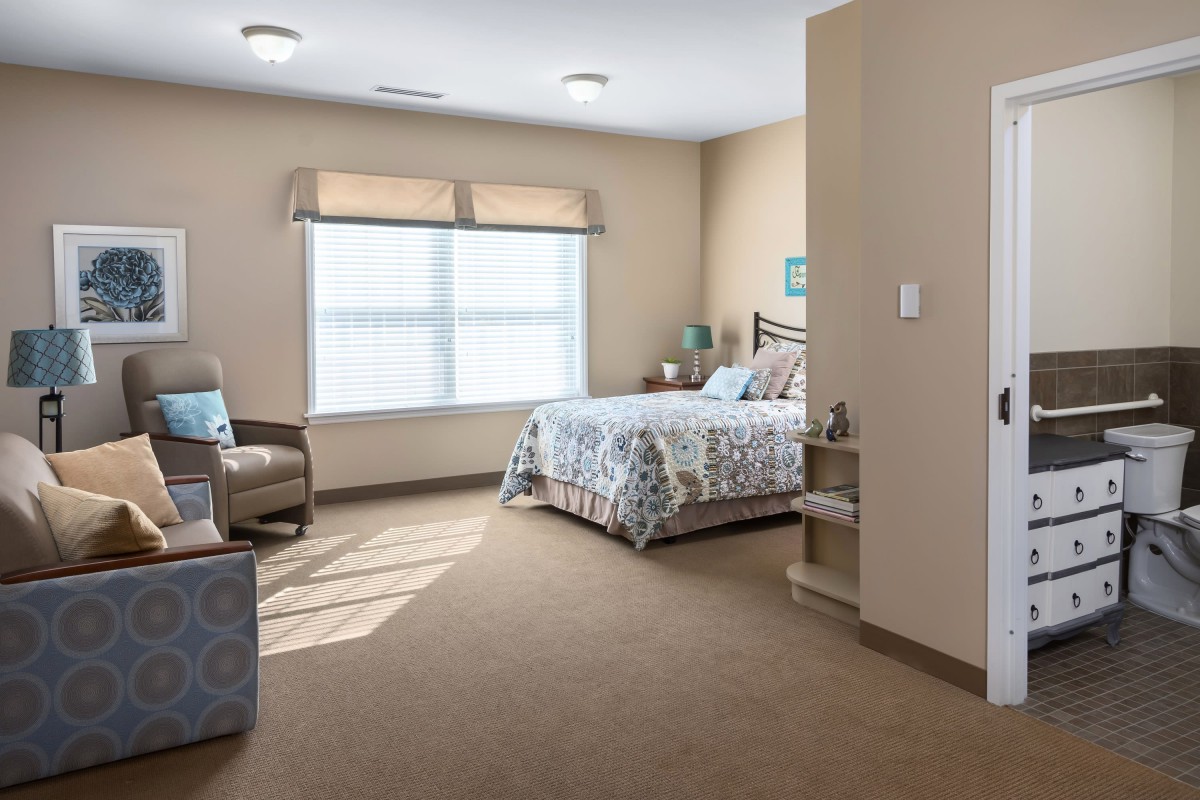
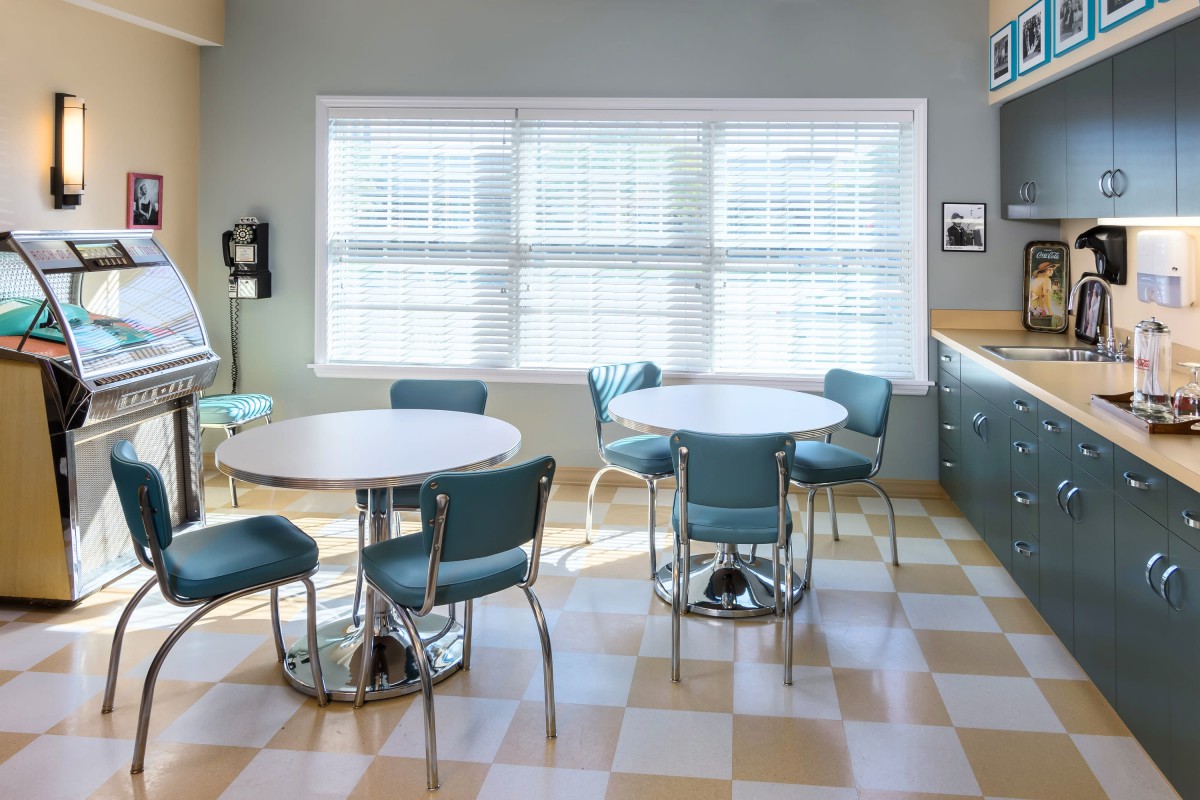
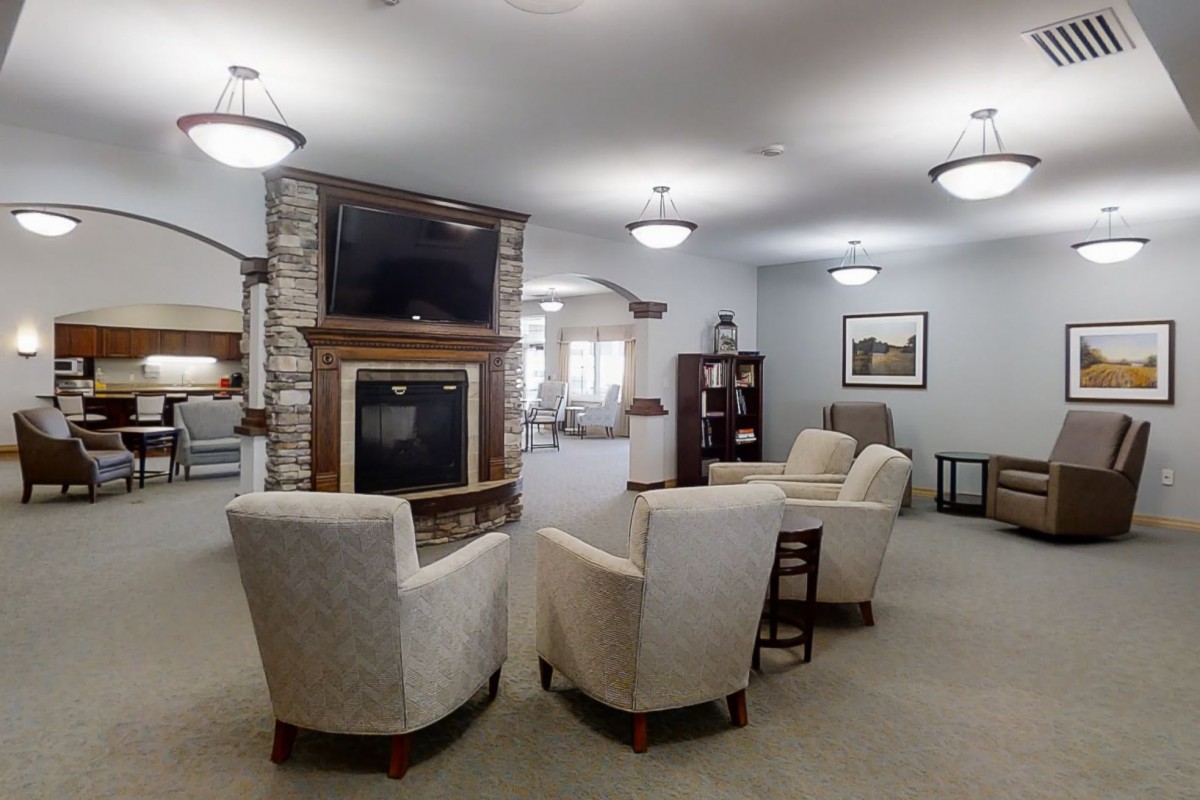
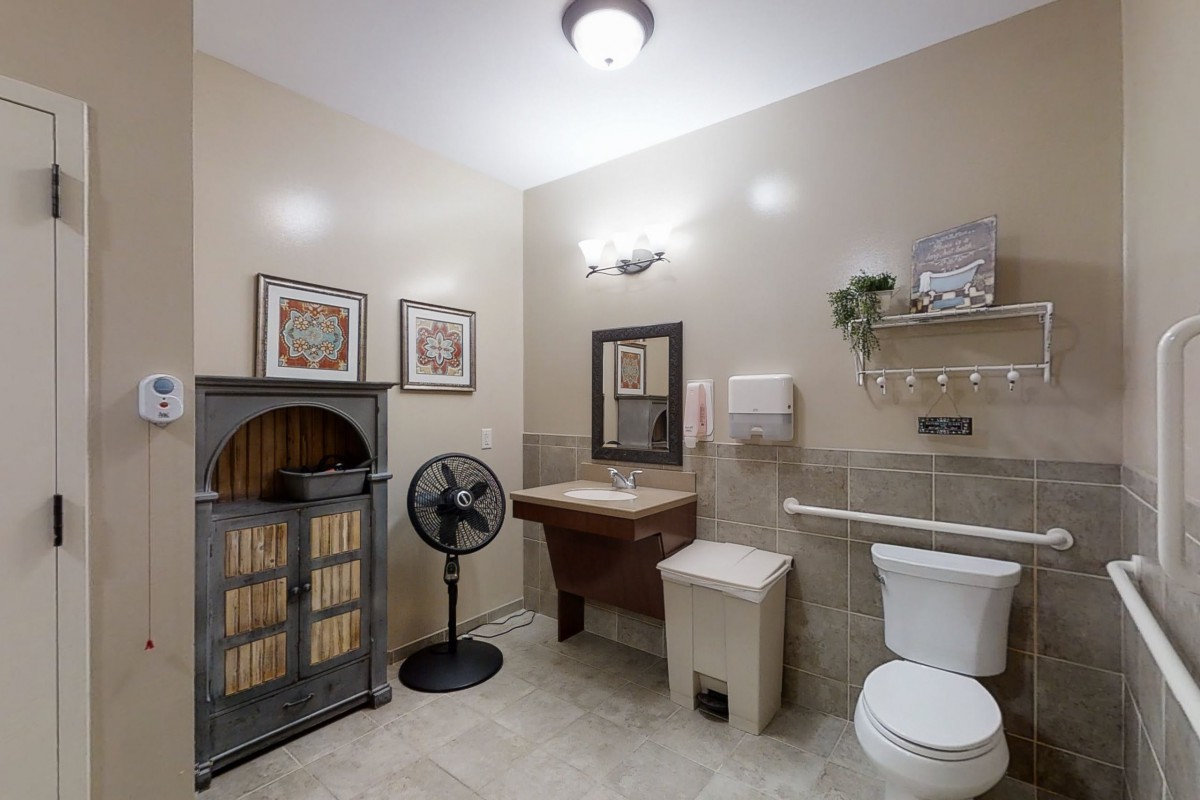
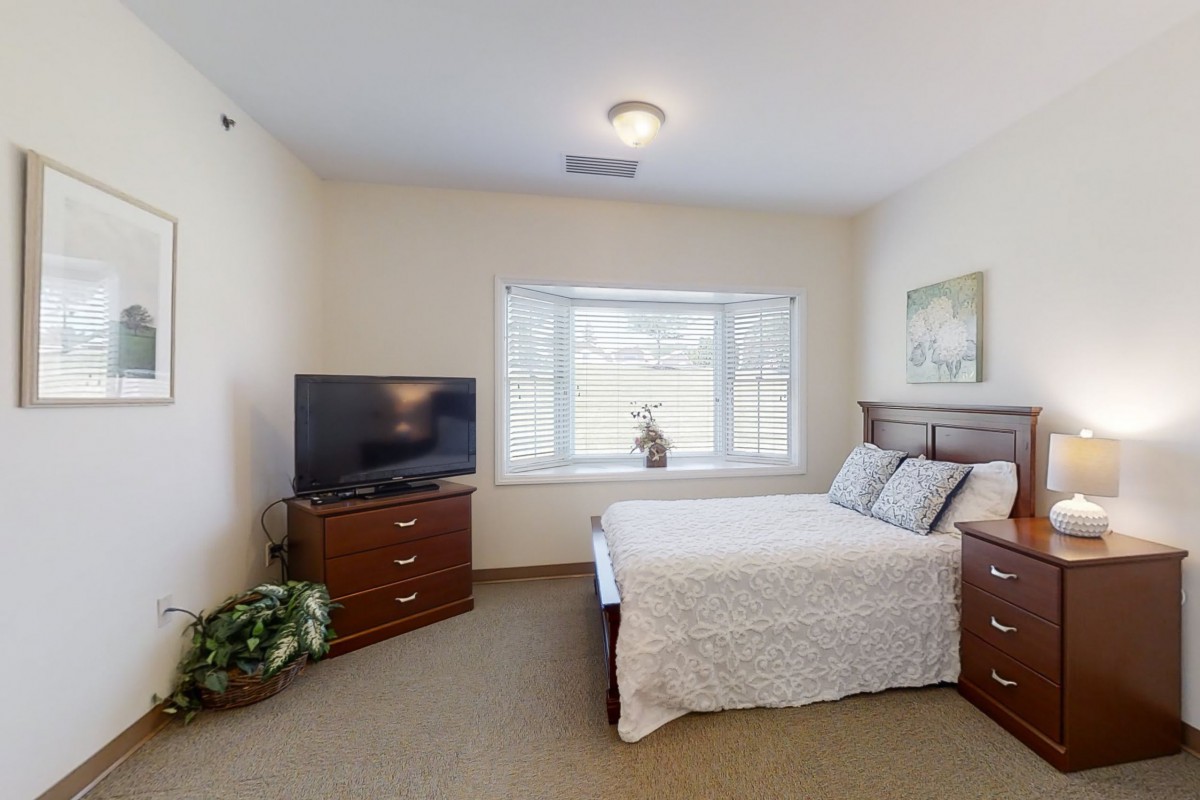
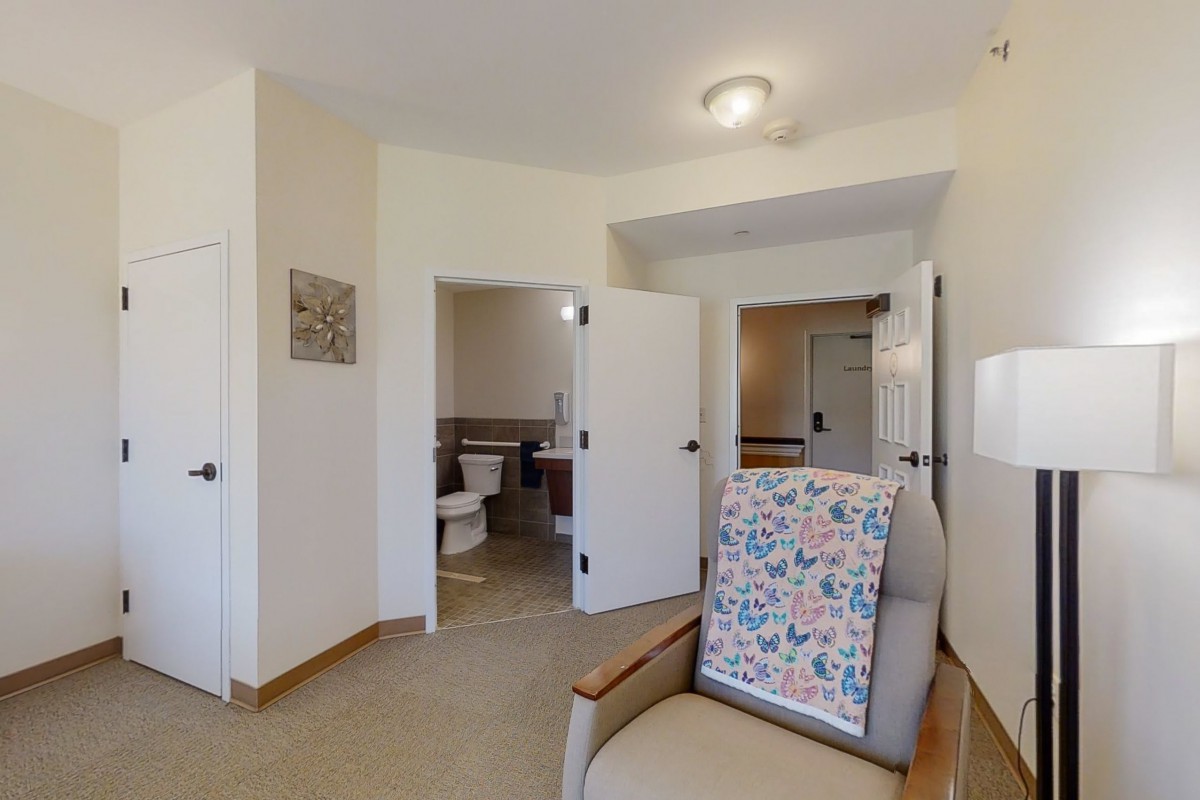
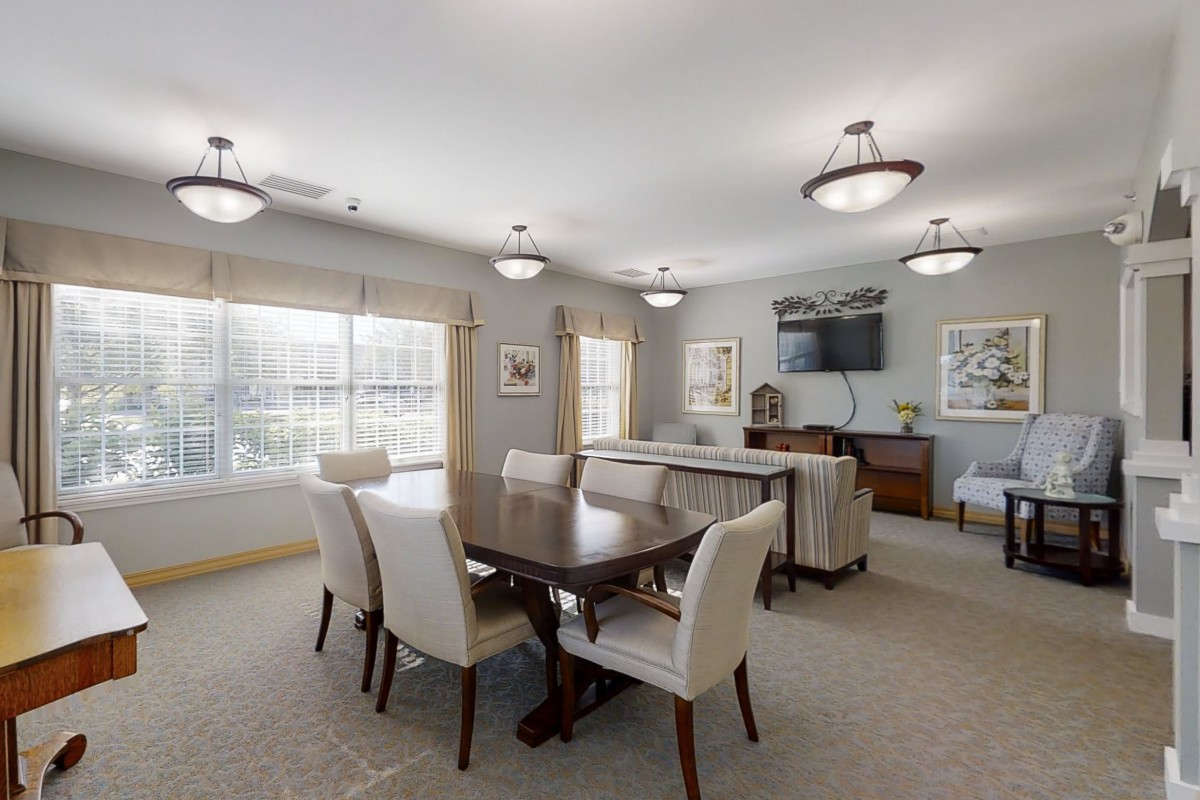
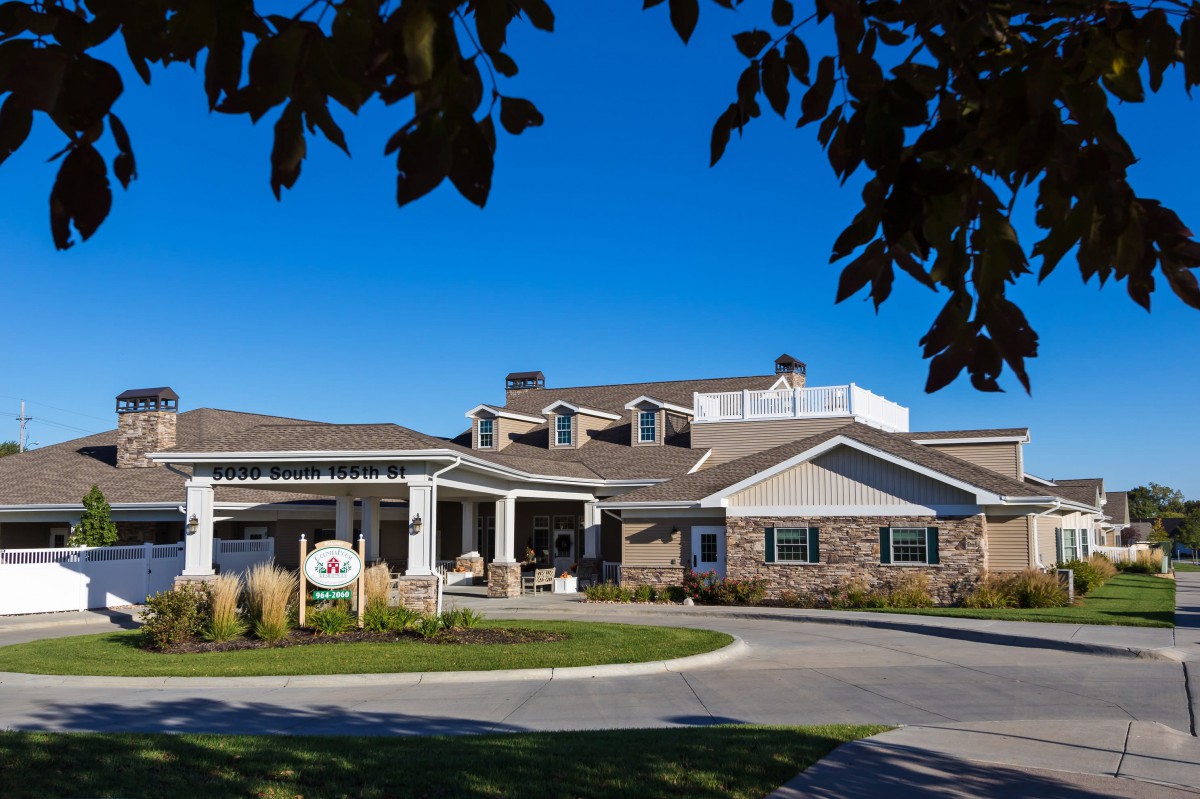
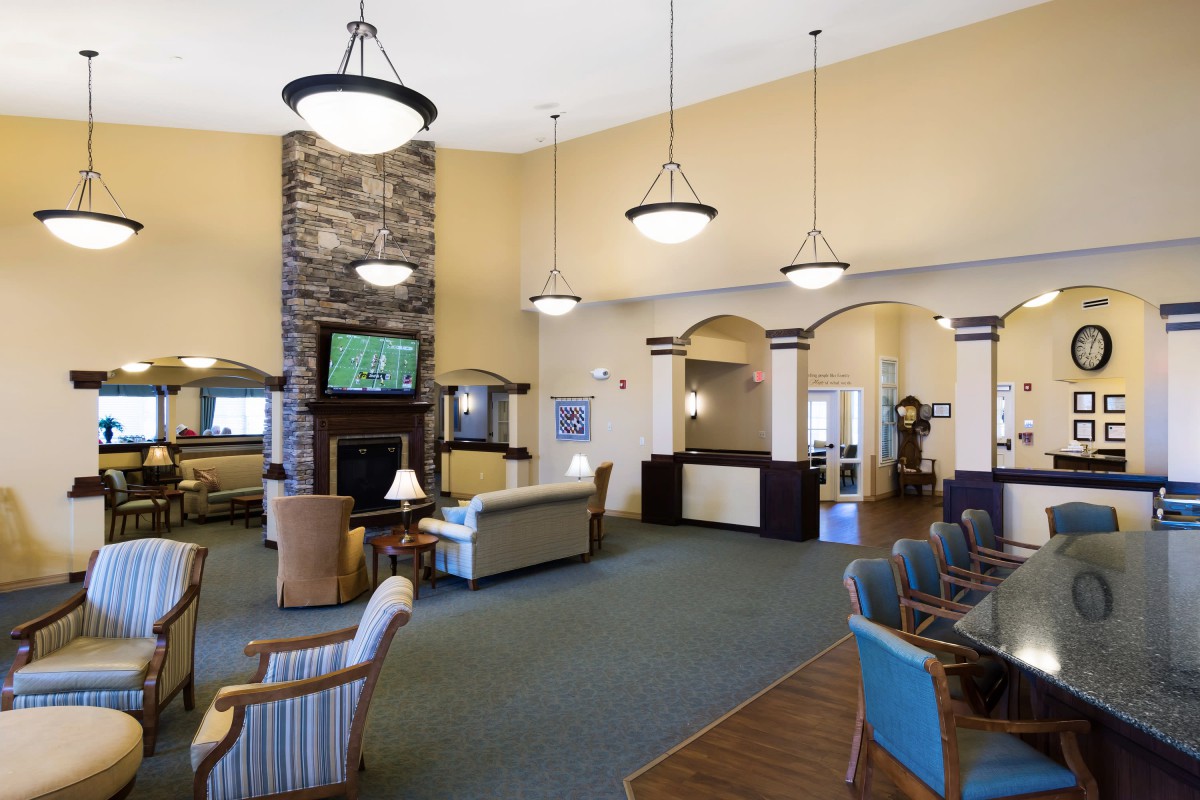
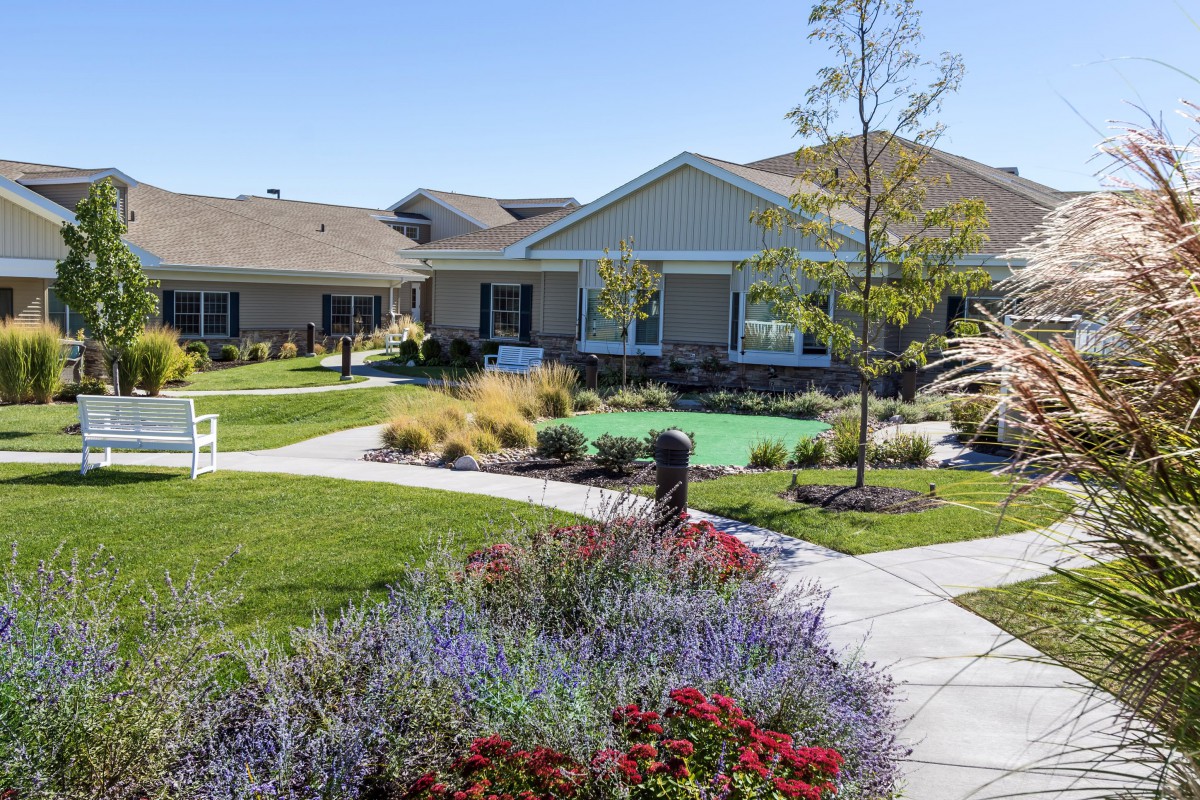
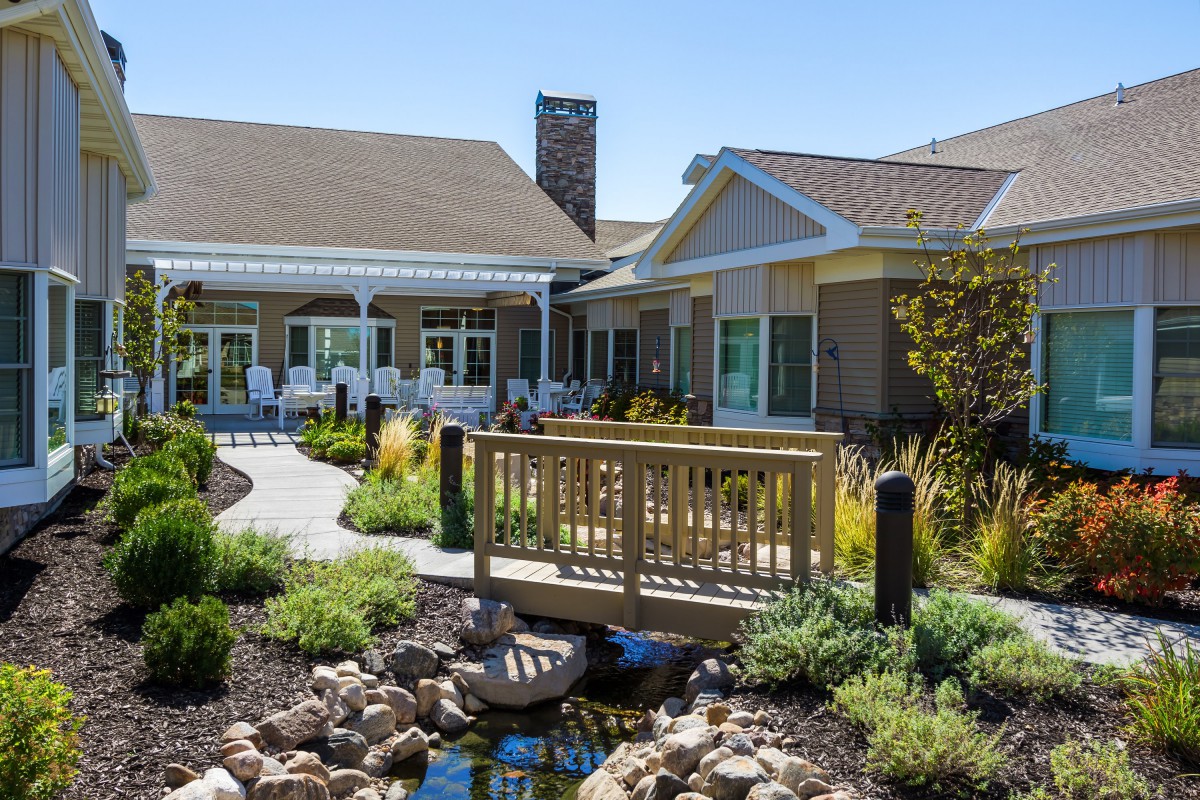
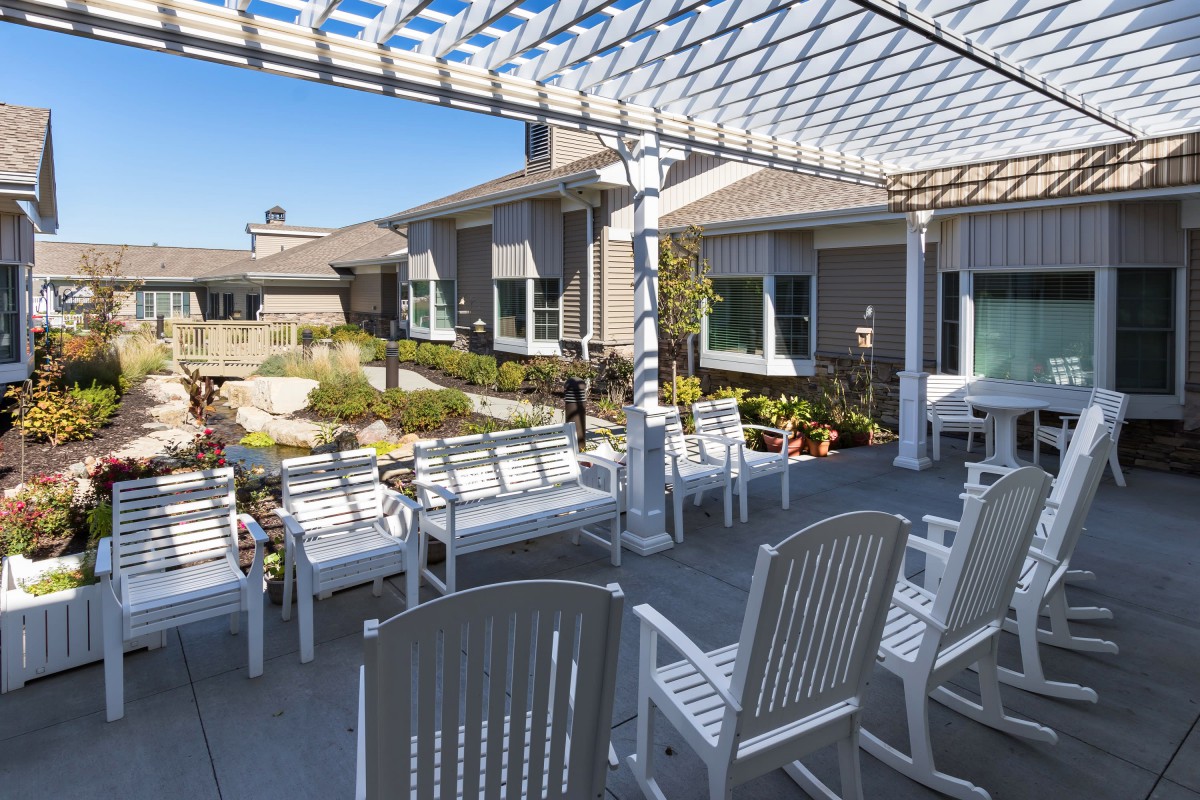
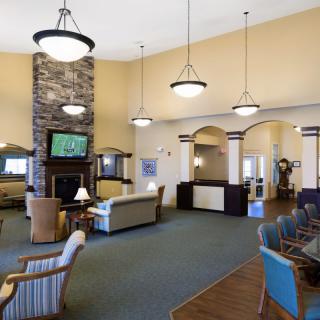
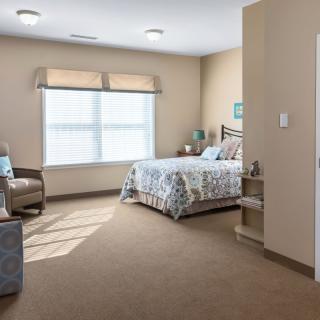
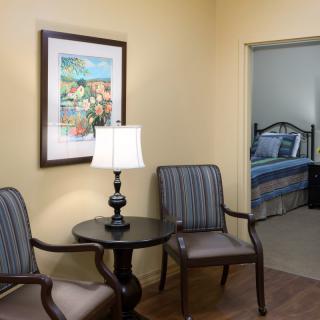
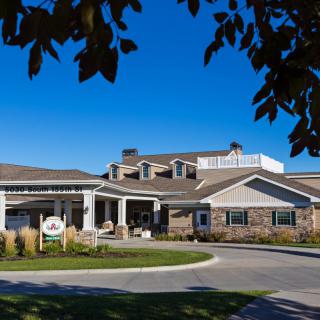
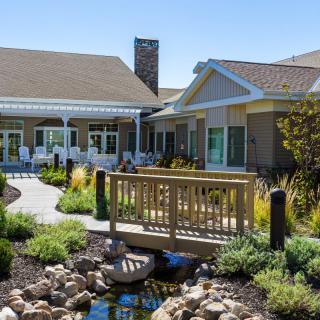
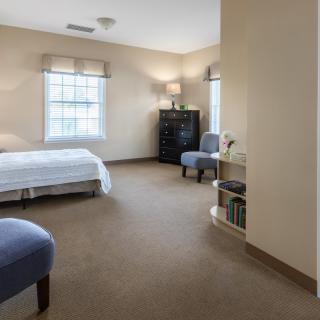
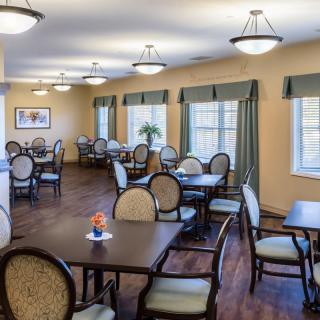
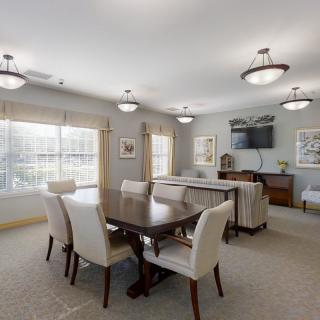
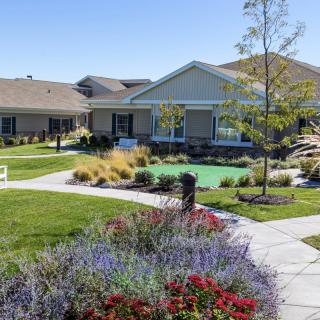
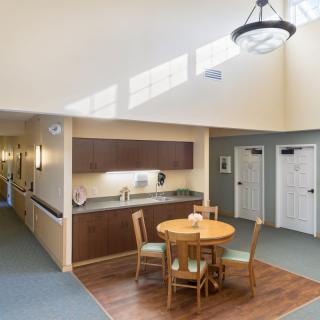
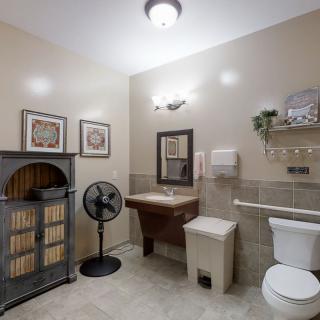
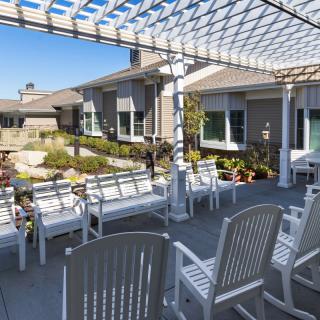
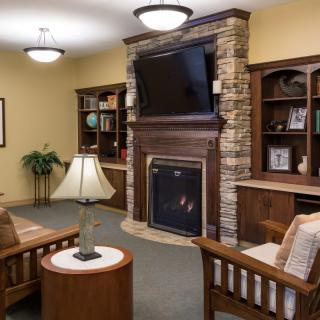
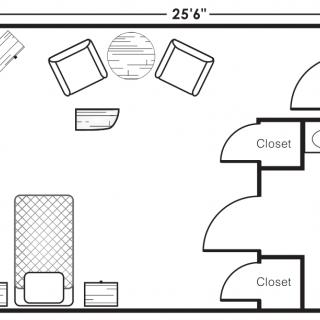
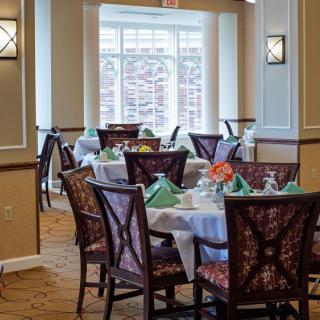
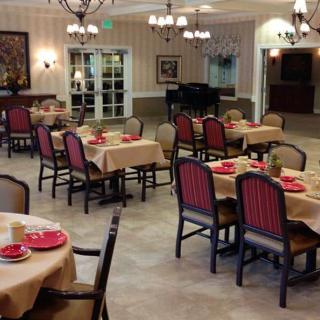
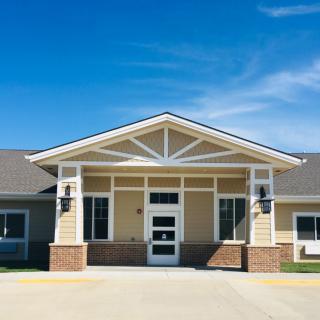
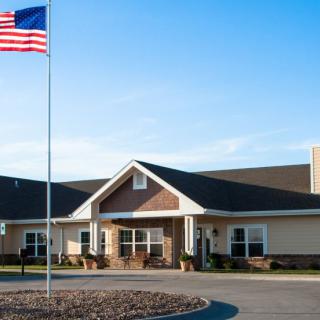
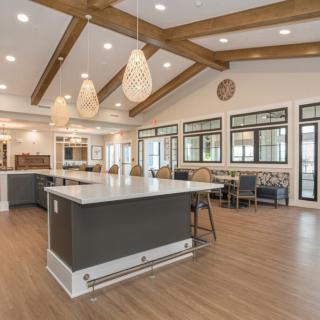
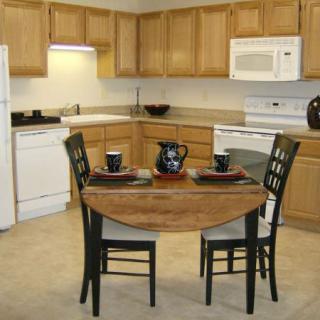
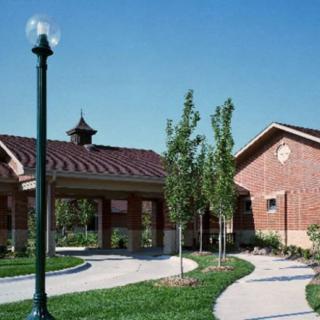
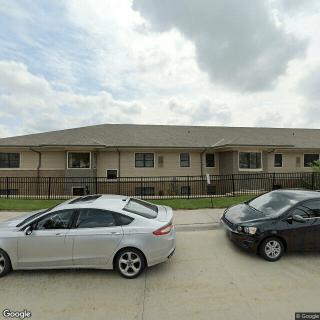
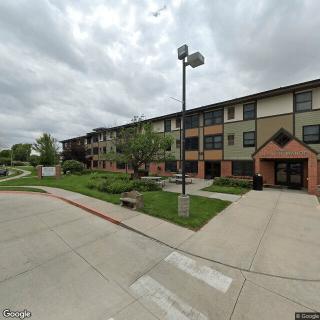
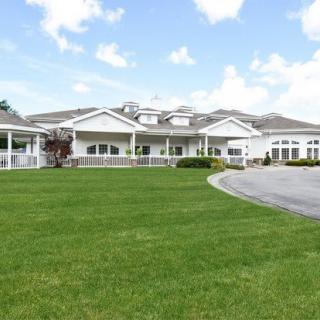
CountryHouse Omaha on seniors.fyi includes 25 photos including images showing interior, bedroom, floor plan, windows, landscaping, living room, television, bathroom, and more.
Nearby Communities
CountryHouse at Omaha
Omaha, NE
3.9 from 37 reviews
24/7 supervision with comprehensive memory care and specialized programming.
Orchard Village Townhomes
Omaha, NE
4.6 from 17 reviews
Close to dining, parks, healthcare, and entertainment for independent seniors.
Walnut Grove Retirement Community
Omaha, NE
4.6 from 43 reviews
$2,885 to $3,729 / month
Friendly community with engaging activities and on-site amenities.
Brookestone Village
Omaha, NE
4.6 from 68 reviews
Clean, welcoming environment with caring staff and active rehabilitation programs.
The Heritage At Legacy
Omaha, NE
4.4 from 45 reviews
Wide range of care options (independent, assisted, memory) with specialized diabetic care.
Good Samaritan Society-Millard Manor
Omaha, NE
Supports independence with specialized diabetic care and social activities.
Pacific Springs Village
Omaha, NE
4.4 from 36 reviews
Upscale, hotel-like senior living with attentive staff, excellent dining, and extensive amenities.
The Heritage at Sterling Ridge
Omaha, NE
4.4 from 34 reviews
Impressive entrance, diverse amenities, and flexible dining options.
Bailey Pointe at Roxbury Park
Omaha, NE
4.2 from 69 reviews
$4,100 to $5,400 / month
Friendly staff, high-quality meals, and engaging activities in a clean, welcoming setting.
Dementia, influenced by aging and certain medications, may be exacerbated by drug classes such as anticholinergics, benzodiazepines, and antipsychotics, which are associated with cognitive impairment. Regular medication reviews by healthcare professionals are crucial for older adults to manage risks and optimize cognitive health.
Dementia often results in disrupted sleep patterns, leading to excessive daytime sleeping due to factors like brain damage affecting circadian rhythms, medication side effects, and lack of structure in daily activities. Caregivers must monitor these changes closely, as oversleeping can increase risks such as malnutrition or dehydration, and provide necessary support and routines to enhance patient engagement and well-being.
The transition from assisted living to skilled nursing care is often prompted by complex medical needs that assisted living cannot meet, with key indicators including frequent health declines, increased falls, severe memory issues, and caregiver burnout. Families should recognize these signs early to discuss options with healthcare providers and prepare for the emotional and logistical aspects of moving to a facility that offers comprehensive medical support.
Chandelier, Dining Table, Conference Room, and Modern Interior
Fireplace
Seating Area
Outdoor
Patio
Lobby
Pathway
Bookshelves
Hallway
Billiards, Game Room, and Lighting Fixtures
Plant
Waiting Area and Reception Area
Studio Apartment
Kitchenette
Minimalist
Lights
Closet
Living Space and Architectural Drawing
Room Layout
Get PricingAsk A QuestionSchedule A TourContact Senior Advisor
By clicking submit, you agree to our Partner's Terms of Use. You
also consent to receive calls and texts, which may be autodialed, from our Partner. Your consent is not a condition to
using our Partner's service. Please visit our Partner's Privacy Policy for information about their privacy practices.

 Memory Care
 Cats allowed
 Dogs allowed
 Activities off-site
 Air-conditioning
 Bath tubs
 Beautician on-site
 Cable or satellite TV
 Devotional services on-site
 Fireplaces
 Garden view
 Ground floor units
 Handicap accessible
 Indoor common areas
 Outdoor common areas
 Respite or short term stays offered
 Wi-Fi/high-speed internet available
 Eppley Airfield (15 miles away)
 Ambulatory care
 Diabetic care
 Incontinence care
 Medication management
 Gluten-free
 Day trips and outings
 Live musical performances
 Stretching classes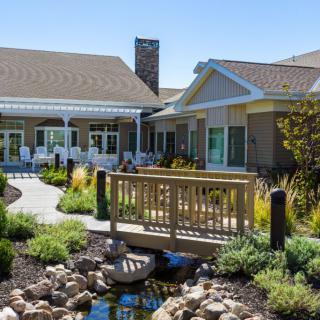
 24/7 supervision with comprehensive memory care and specialized programming.
 A Thorough Discussion of Medications Potentially Linked to Dementia Risk
 Why Do Dementia Patients Sleep So Much? Understanding Oversleeping, Stages, and Care Approaches
 8 Key Indicators That Suggest It May Be Time to Transition from Assisted Living to Skilled Nursing Care