Residents and families repeatedly describe attentive, compassionate care from the staff.
Many reviewers say the nursing, CNAs, therapy, and support staff treated them with respect and kindness, and that communication with families was strong. Several comments also highlight staff members anticipating needs and keeping residents safe and comfortable day to day. A few reviews are sharply critical, describing situations where residents were not handled in a way the family felt was respectful or medically appropriate.
common7 reviews mention this
Clean, well-run facility impressions
Residents and families frequently mention cleanliness and organization in the building.
Multiple reviews describe the facility as clean, well kept, and organized, with caregivers maintaining rooms and common areas. Some reviewers specifically mention bathrooms being kept clean and the building feeling comfortable. A couple of negative reviews do not focus on cleanliness, instead concentrating on medical handling and communication.
common7 reviews mention this
Rehab therapy supports progress
Therapy is a recurring theme, especially after hospital stays.
Several reviewers credit physical therapy and occupational therapy with helping restore mobility and strength, including during short-term rehab after an illness or injury. Families also mention residents being active and engaged while receiving therapy. One reviewer in the negative set describes medication and care-management problems that affected the outcome after a stroke.
common9 reviews mention this
Food is often praised
Dining quality and variety come up often in reviews.
Many families say the food was delicious or high quality, with enough variety to keep residents satisfied. Some reviewers mention meals and dining experiences as part of what made the stay feel positive. Others report mixed experiences, including that meals did not seem as good in one case or that meal service felt unorganized during a transition.
common4 reviews mention this
Activities and social life matter
Reviews frequently mention activities and time with others.
Several reviewers describe activities such as bingo, arts, and other resident events, and they say residents were out of their rooms and socializing. Families also mention that activities were publicized and helped residents feel engaged. One reviewer notes that activities existed but were not something their loved one was participating in at the time.
caveat4 reviews mention this
Safety and communication concerns
A few reviews raise serious concerns about safety and communication.
Some negative reviews describe breakdowns in infection control practices, medication handling, or escalation when families felt medical needs were urgent. There are also complaints about communication around major changes in a resident’s health and decisions affecting end-of-life care. Even with overall positive themes in many reviews, these accounts are detailed enough to stand out as recurring caveats.
How we summarize
Counts show how many written reviews mention each theme; a review can touch several themes, and only frequently mentioned themes are displayed.
Features
Housing
140 resident community capacity
Types of Care
Skilled Nursing Facility
Amenities
Air-conditioning
Beauty salon
Cable or satellite TV
Computer center
Dining room
Fitness room
Fully furnished
Gaming room
Garden
Housekeeping services
Kitchenette
Move-in coordination
Outdoor space
Private bathrooms
Restaurant-style dining
Small library
Telephone
Wellness center
Wi-Fi/high-speed internet available
Transportation
Eppley Airfield (14 miles away)
Community operated transportation
Transportation arrangement
Transportation arrangement (non-medical)
Transportation to doctors appointments
Care Services
12-16 hour nursing
24-hour call system
24-hour supervision
Activities of daily living assistance
Assistance with bathing
Assistance with dressing
Assistance with transfers
Diabetes diet
Meal preparation and service
Medication management
Mental wellness program
Special dietary restrictions
Dining
Diabetes diet
Special dietary restrictions
Activities
Community-sponsored activities
Concierge services
Fitness programs
Planned day trips
Resident-run activities
Scheduled daily activities
Videos
Nearby Places of Interest
Restaurants
Chili's Grill & Bar (0.9 miles)
Local Beer, Patio, and Kitchen - Millard (1 miles)
Culver's (1 miles)
Genji Japanese Steakhouse (1.1 miles)
McDonald's (1.1 miles)
Sonic Drive-In (1.2 miles)
Romeo's Mexican Food & Pizza (1.3 miles)
Physicians
CHI Health Clinic Family Medicine/Priority Care (1 miles)
Nebraska Medicine (1 miles)
Amard ""AJ"" Abcejo, DO (1.1 miles)
Primary Care Physicians (1.7 miles)
Nicole Ascanio, MD: aspireMD (2.3 miles)
Boystown Medical Building - Melissaaacquazzino MD (2.3 miles)
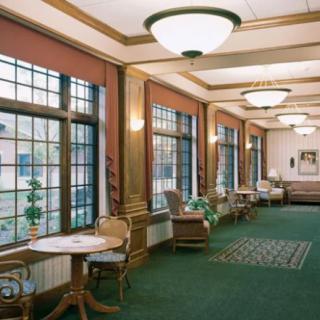
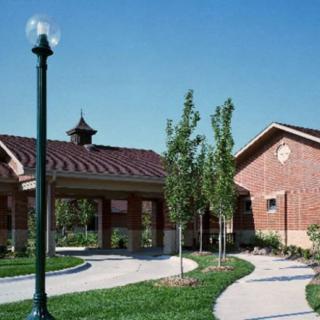
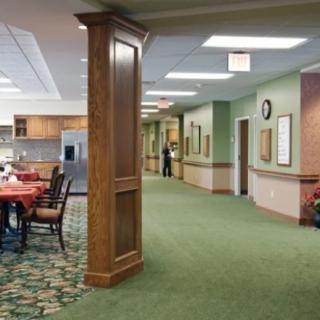
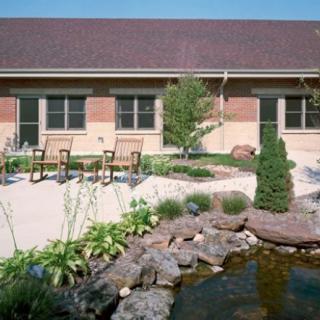
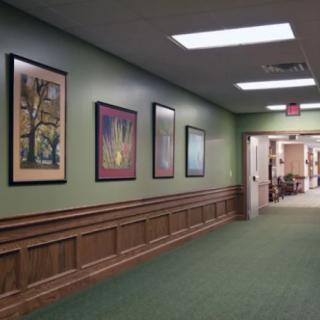
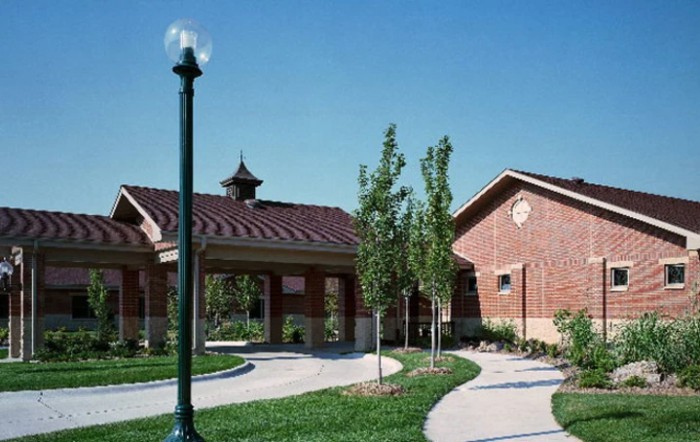
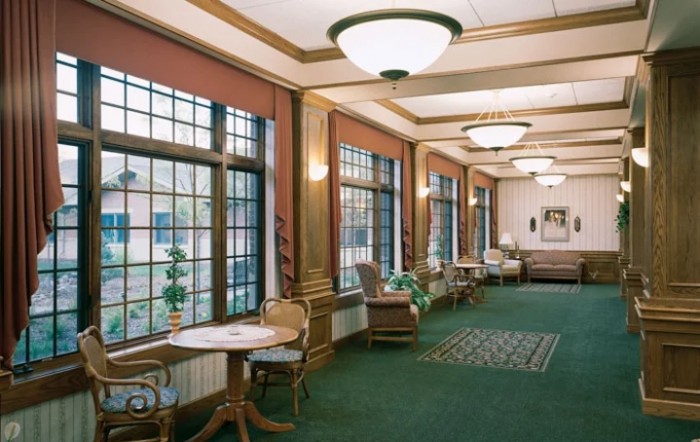
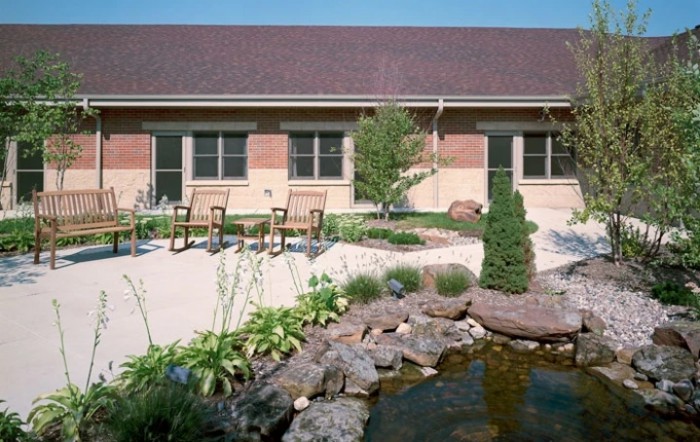
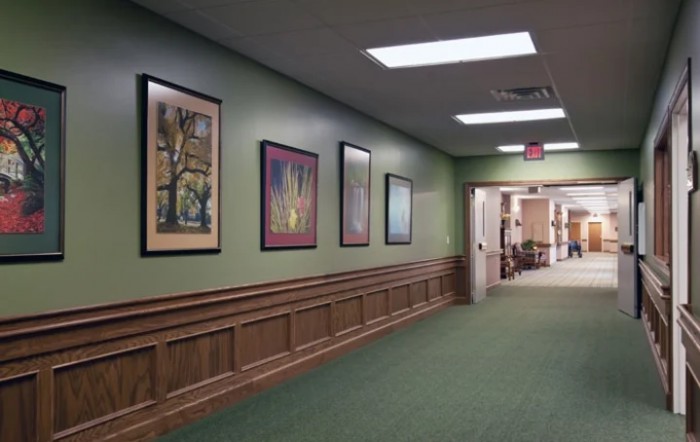
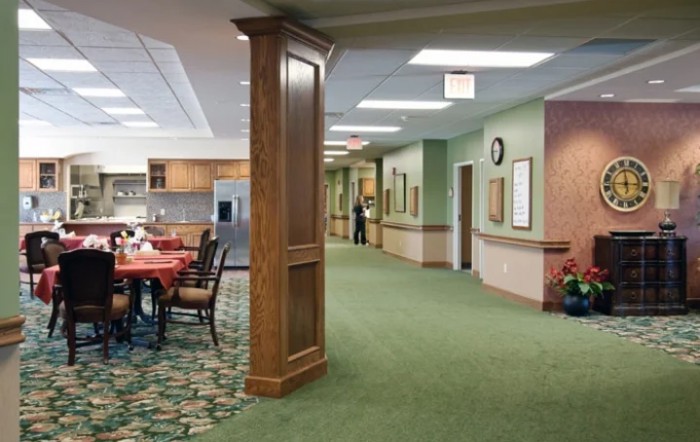
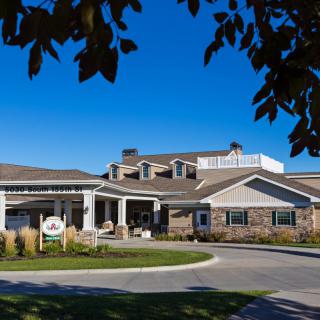
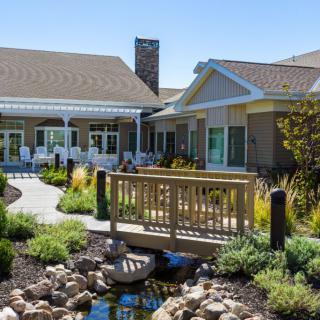
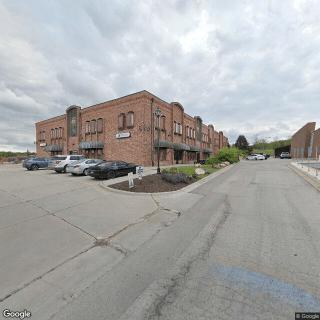
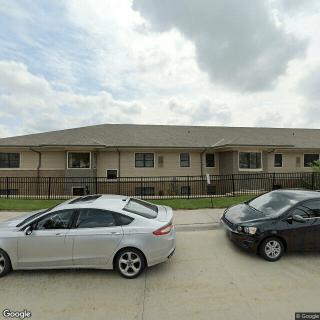
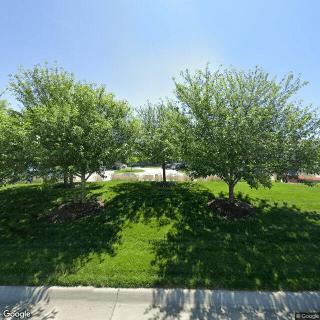
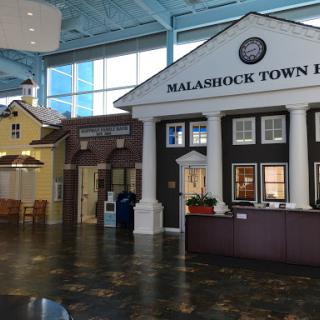
Brookestone Village on seniors.fyi includes 5 photos including images showing hallway, interior, windows, seating area, lights, garden, pond, patio, and more.
Nearby Communities
Walnut Grove Retirement Community
Omaha, NE
4.6 from 43 reviews
$2,885 to $3,729 / month
Friendly community with engaging activities and on-site amenities.
Orchard Village Townhomes
Omaha, NE
4.6 from 17 reviews
Close to dining, parks, healthcare, and entertainment for independent seniors.
CountryHouse Omaha
Omaha, NE
4.3 from 76 reviews
$5,695 to $7,495 / month
Warm, attentive staff in a home-like atmosphere with engaging activities for residents and families.
CountryHouse at Omaha
Omaha, NE
3.9 from 37 reviews
24/7 supervision with comprehensive memory care and specialized programming.
Hillcrest Millard
Omaha, NE
2.5 from 106 reviews
Extensive amenities and comprehensive care services (transport, dining, fitness, and wellness).
Right at Home of Omaha
Omaha, NE
Personalized, around-the-clock care with easy access to nearby medical services and amenities.
The Heritage At Legacy
Omaha, NE
4.4 from 45 reviews
Wide range of care options (independent, assisted, memory) with specialized diabetic care.
The Heritage at Sterling Ridge
Omaha, NE
4.4 from 34 reviews
Impressive entrance, diverse amenities, and flexible dining options.
Rose Blumkin Jewish Home
Omaha, NE
3.6 from 28 reviews
$3,350 to $3,500 / month
Clean, well-laid-out facility with friendly staff and engaging activities.
Medicare covers in-home health care services, which are medical and provided by licensed professionals under a physician's supervision, whereas non-medical personal assistance is generally not covered unless part of a broader skilled care plan. Eligibility for benefits depends on being homebound and needing intermittent skilled services from a Medicare-certified agency, with specific coverage limitations and additional resources available for navigating options.
In-home care is increasingly sought after by older adults for maintaining independence, with average private home care rates in 2025 varying by state and service type, reflecting geographical and local labor market influences. As demand rises, families are considering funding options like Medicaid waivers and long-term care insurance to manage costs effectively while ensuring quality care.
Home health care has become essential for supporting independence among the aging population, offering diverse services such as skilled nursing and rehabilitation in familiar environments, while also incorporating technology for personalized care. Despite its benefits, including improved recovery rates and emotional well-being, challenges like safety, staff availability, and insurance navigation must be managed for effective implementation.
Landscaping, Garden, Patio, Outdoor Furniture, Pond, and House Exterior
Windows, Seating Area, and Lights
Building, Architecture, Trees, Pathway, and Brick
Artwork
Get PricingAsk A QuestionSchedule A TourContact Senior Advisor
By clicking submit, you agree to our Partner's Terms of Use. You
also consent to receive calls and texts, which may be autodialed, from our Partner. Your consent is not a condition to
using our Partner's service. Please visit our Partner's Privacy Policy for information about their privacy practices.

 140 resident community capacity
 Skilled Nursing Facility
 Air-conditioning
 Beauty salon
 Cable or satellite TV
 Computer center
 Dining room
 Fitness room
 Fully furnished
 Gaming room
 Garden
 Housekeeping services
 Kitchenette
 Move-in coordination
 Outdoor space
 Private bathrooms
 Restaurant-style dining
 Small library
 Telephone
 Wellness center
 Wi-Fi/high-speed internet available
 Eppley Airfield (14 miles away)
 Community operated transportation
 12-16 hour nursing
 24-hour call system
 Activities of daily living assistance
 Assistance with bathing
 Assistance with dressing
 Assistance with transfers
 Diabetes diet
 Medication management
 Mental wellness program
 Special dietary restrictions
 Concierge services
 Planned day trips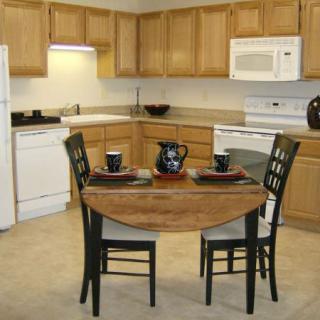
 Friendly community with engaging activities and on-site amenities.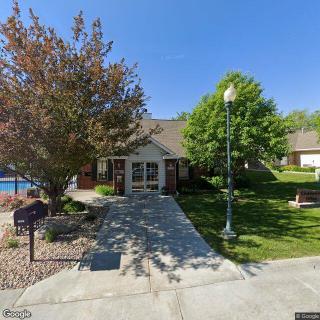

 Navigating Medicare Coverage for In-Home Care Services
 In-Home Care Costs in 2025: A Detailed State-by-State Exploration
 Understanding Home Health Care: A Comprehensive Guide