Silverado Lee’s Summit in Lee's Summit, MO

Save

  • Interior

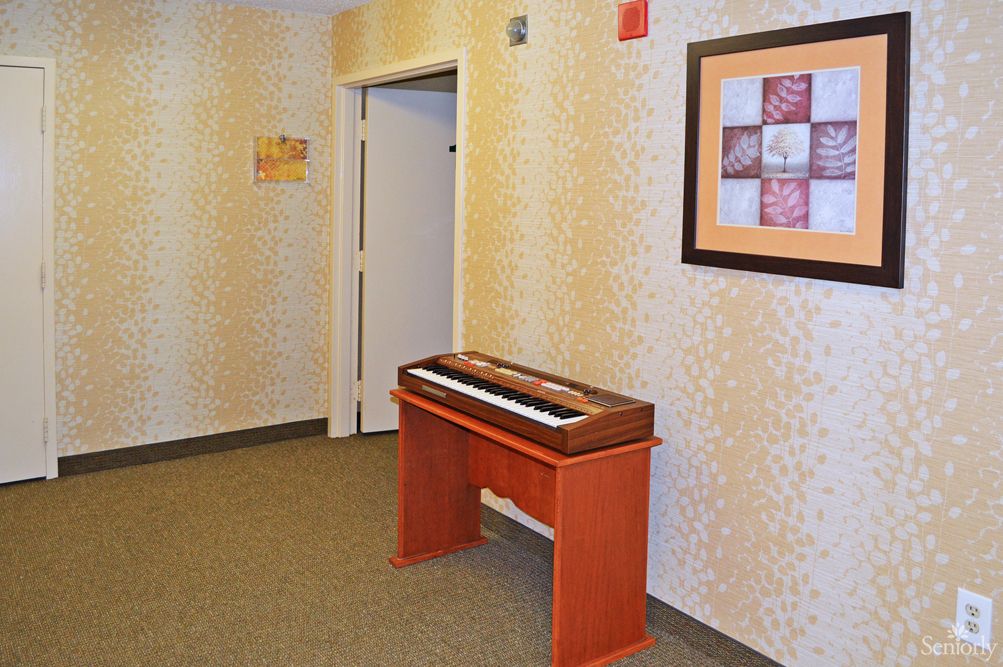
    A hallway featuring an organ on a wooden stand with artwork on the wall.
  • Outdoors

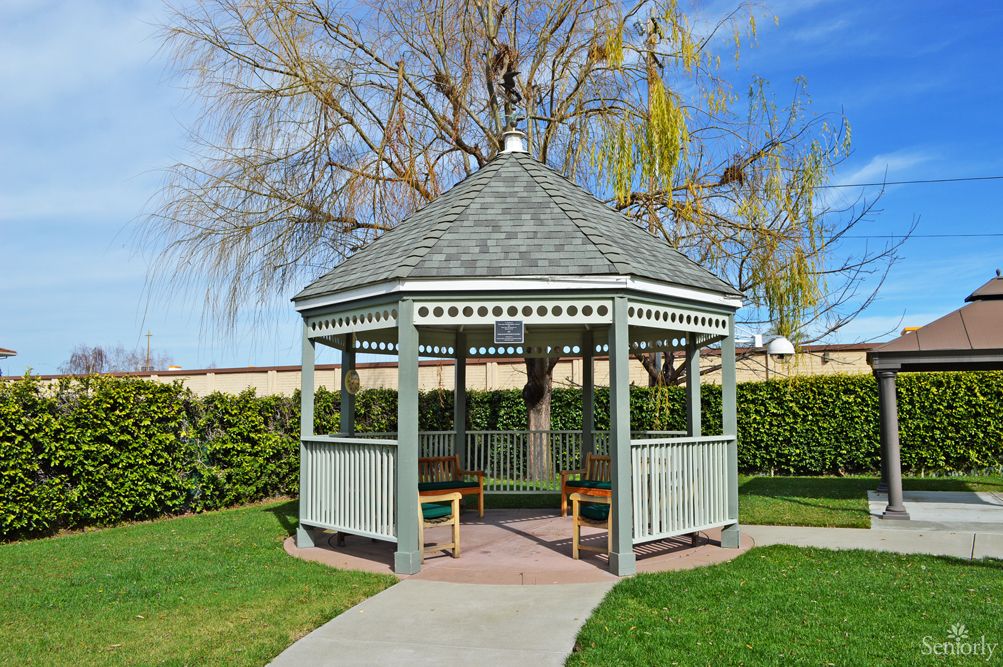
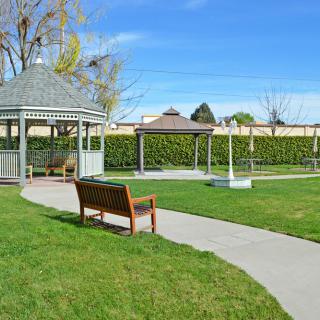
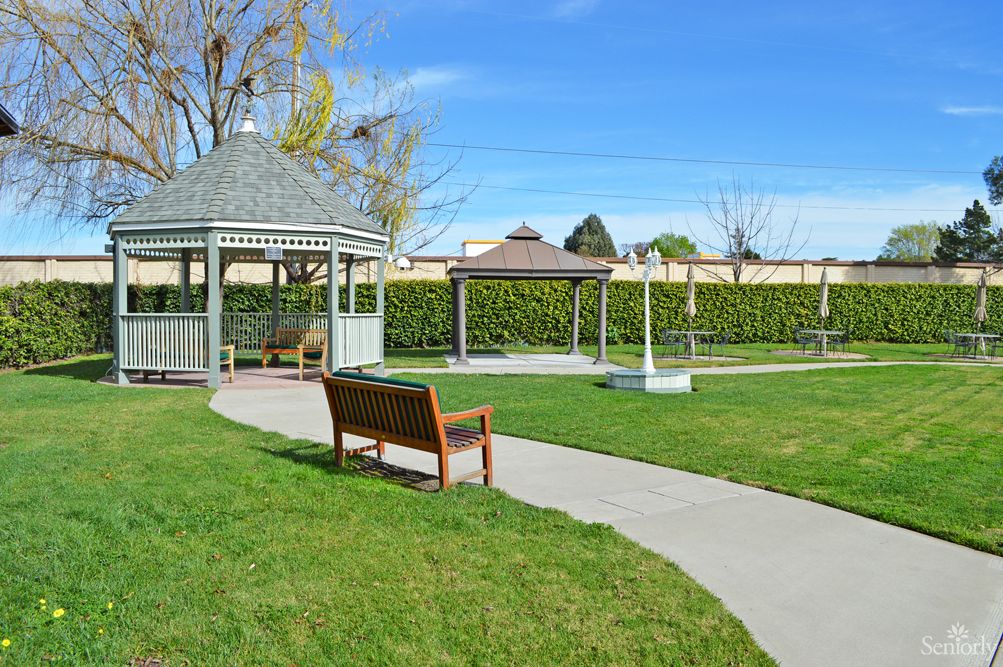
    A peaceful park scene with gazebos, lush green lawn, and a clear blue sky.
  • Decor

    A decorative aquarium with colorful fish and water plants.
  • Bedroom

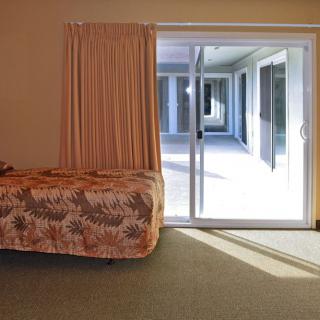
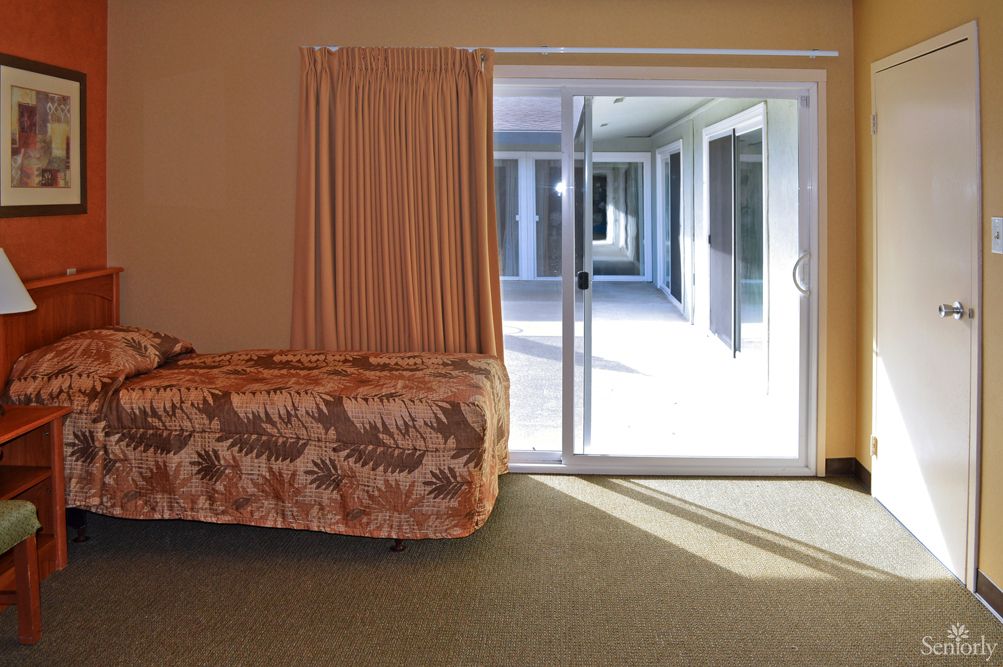
    A cozy bedroom featuring a bed with a floral bedspread, adjacent to a sliding glass door leading to a sunlit patio.
  • Trees

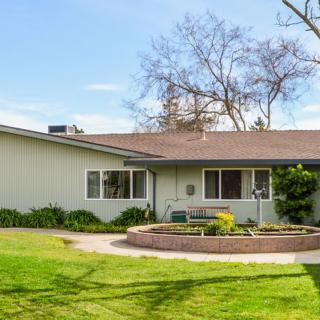
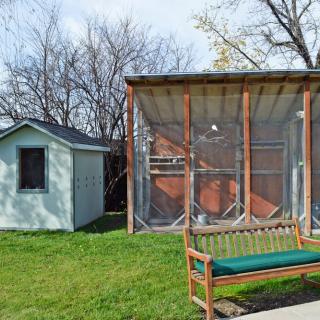
    An outdoor scene with a bench in front of a small shed and an enclosed structure on a grassy area.
  • Landscaping

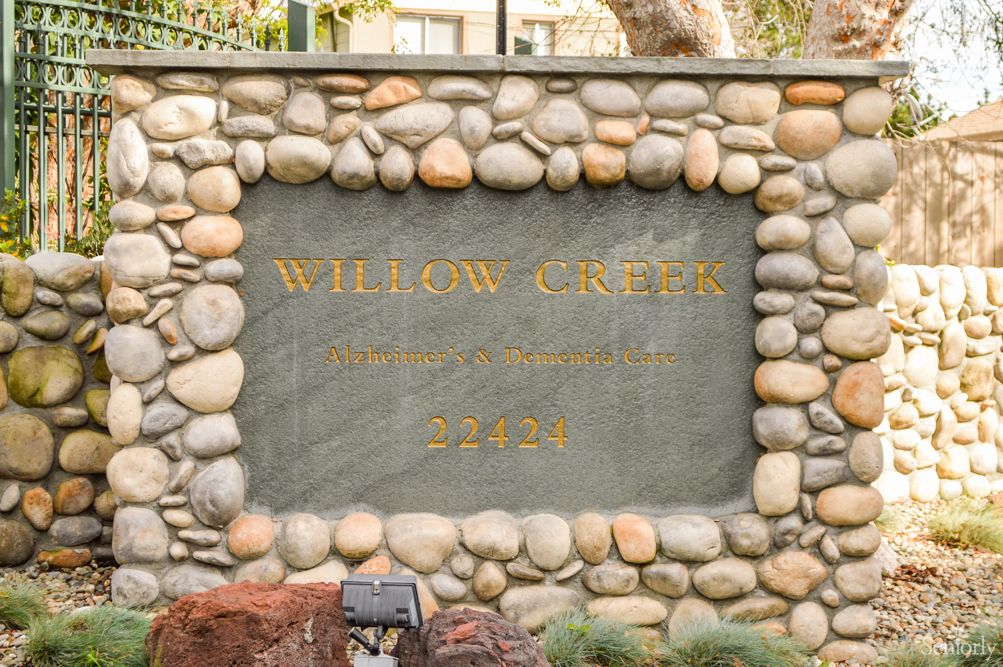
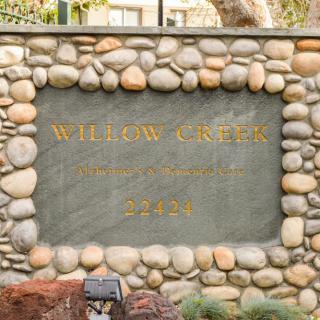
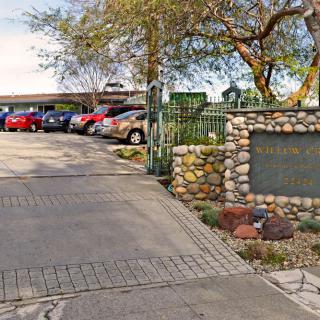
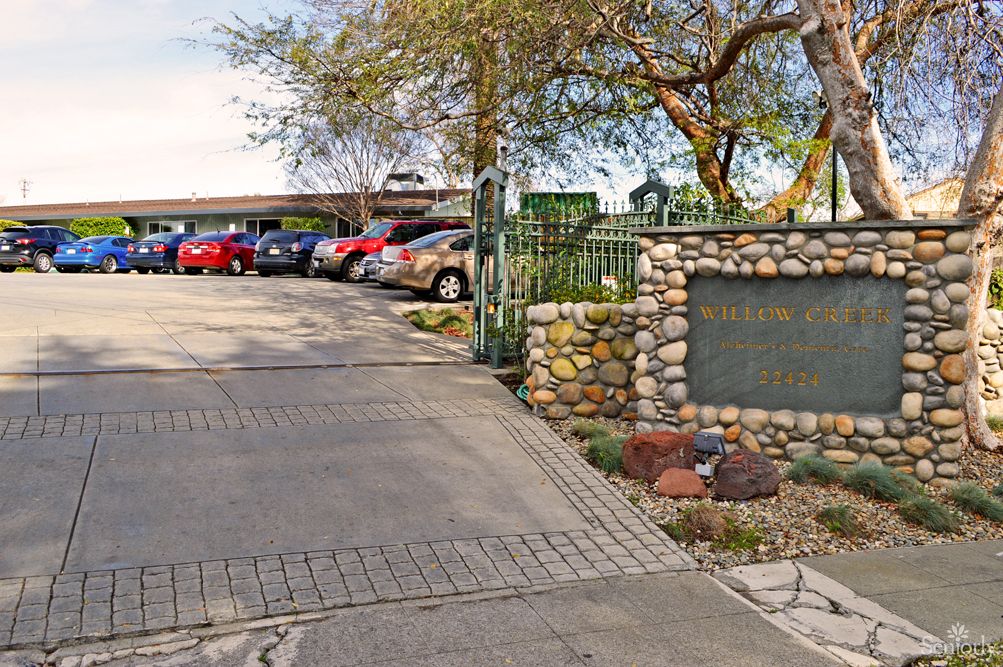
    A stone entrance sign for Willow Creek, displaying the community's name and address.
  • Garden

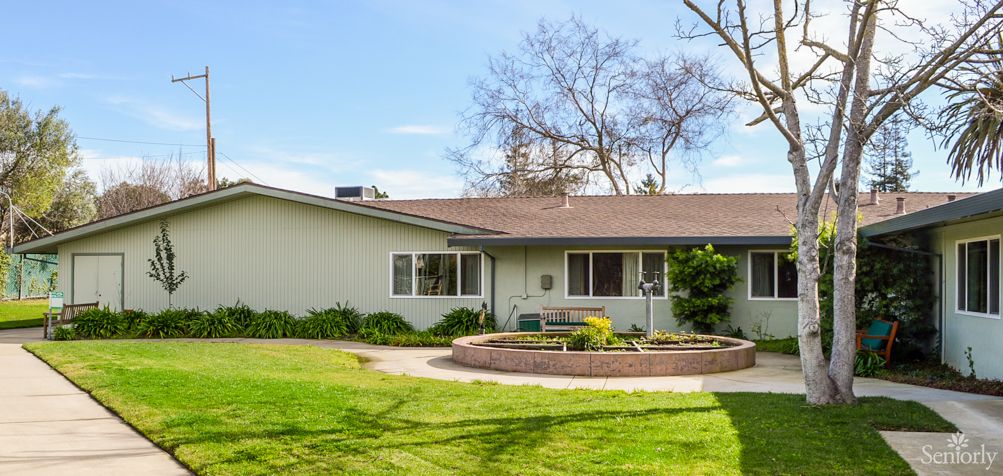
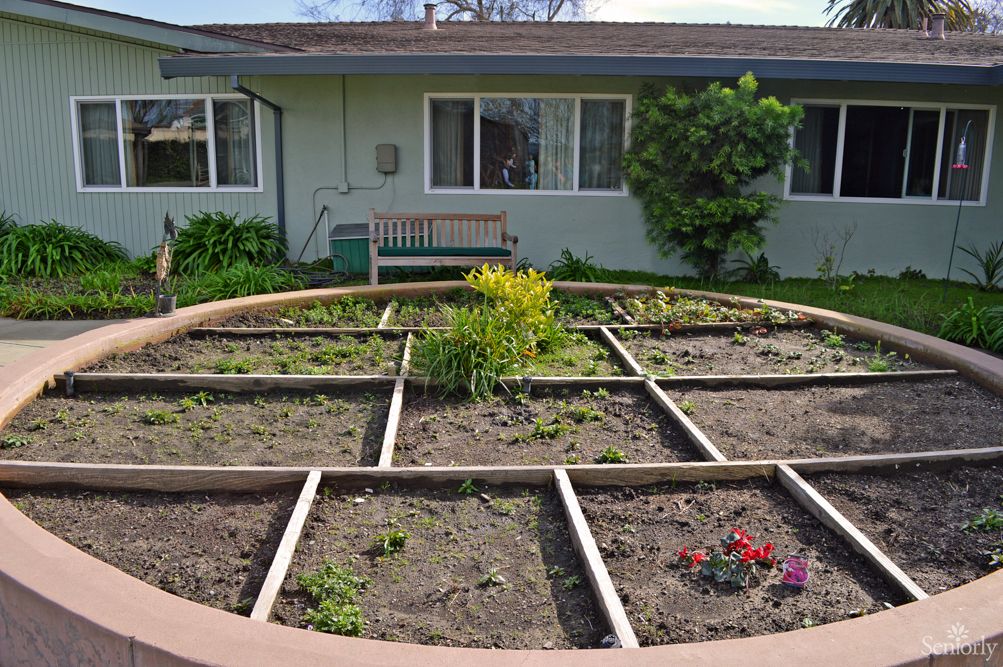
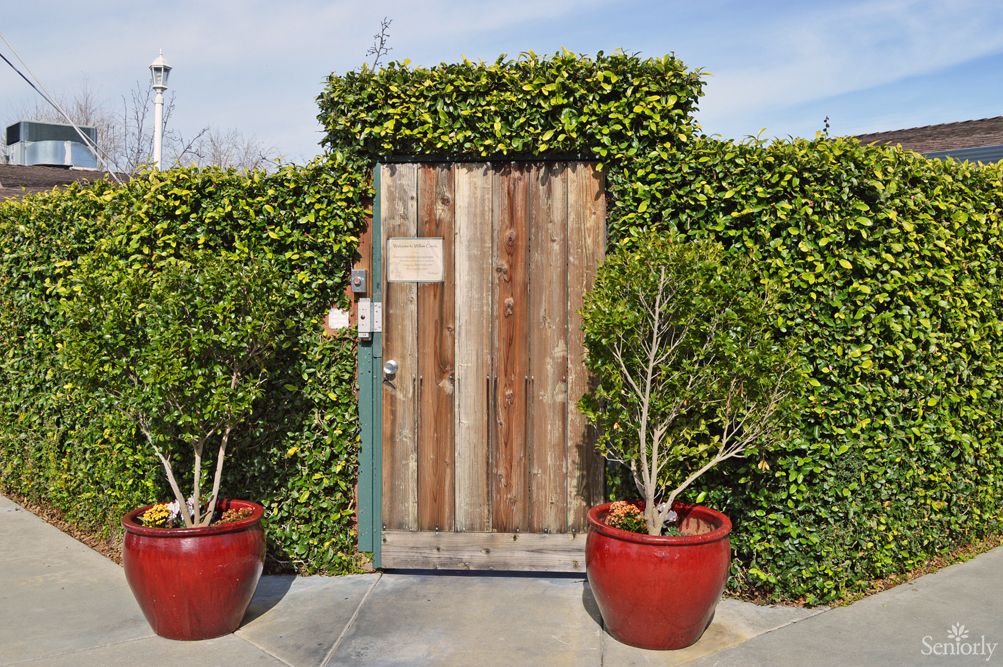
    A peaceful garden patio with a wooden bench and lush greenery along the fence.
  • Entrance

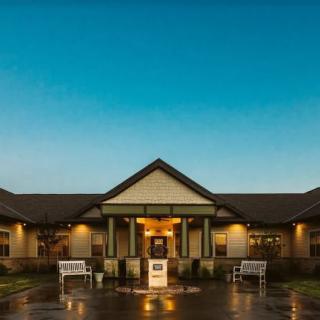
    Entrance to a parking lot with a stone sign and surrounding trees.
  • Seating Area

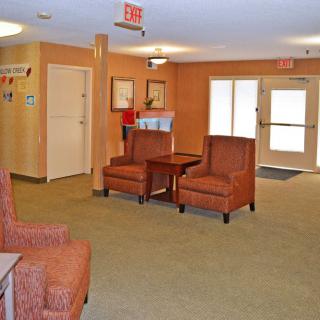
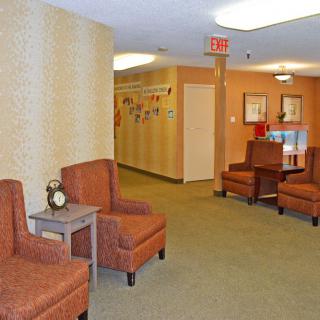
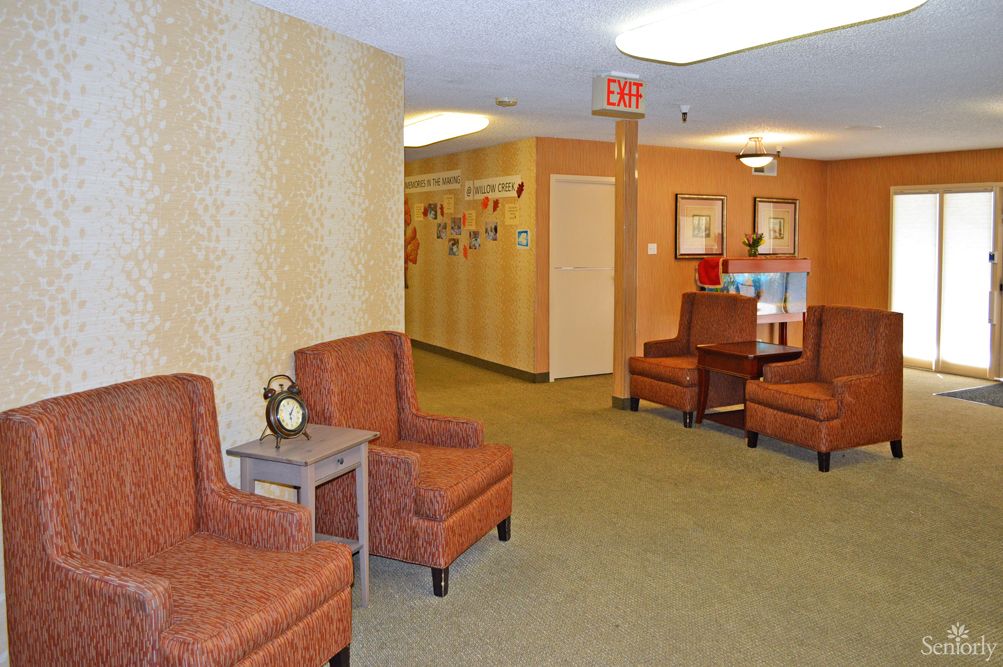
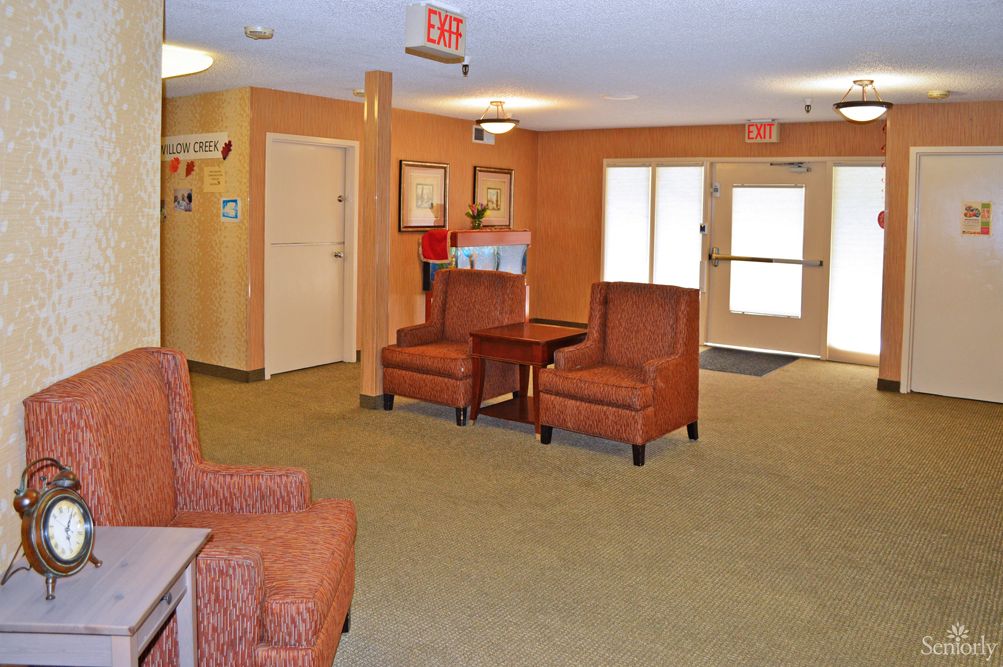
    A cozy lobby with comfortable seating and warm lighting.
  • Outdoor

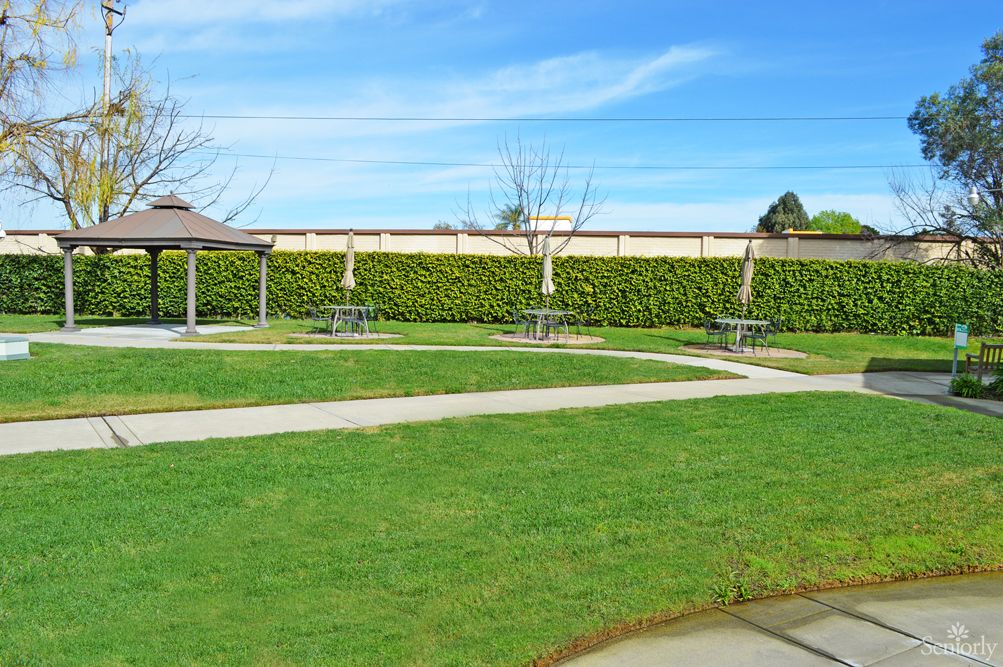
    A peaceful park setting with green grass, benches, and a clear blue sky.
  • Patio

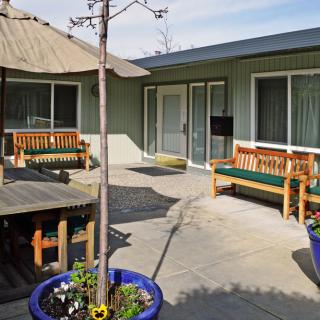
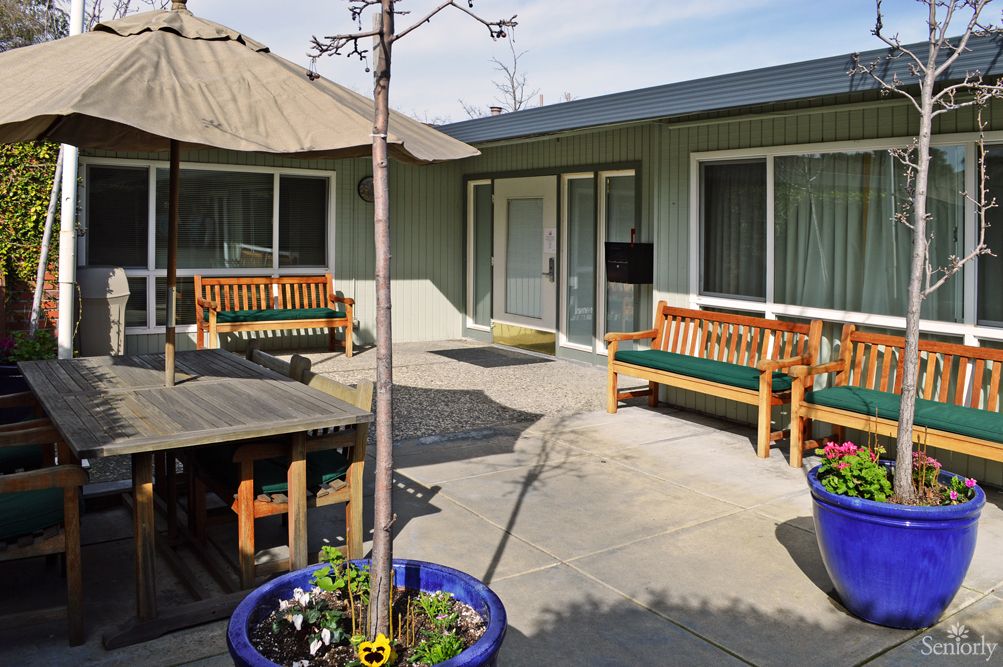
    A cozy outdoor patio area with wooden benches, an umbrella, and potted plants.
  • Lobby

    A cozy waiting area with comfortable chairs and a hallway leading further inside.
  • Pathway

    A peaceful park scene with a gazebo, bench, and paved pathway on a sunny day.
  • Grass

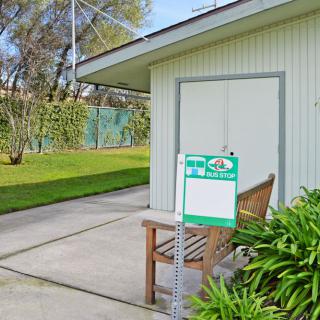
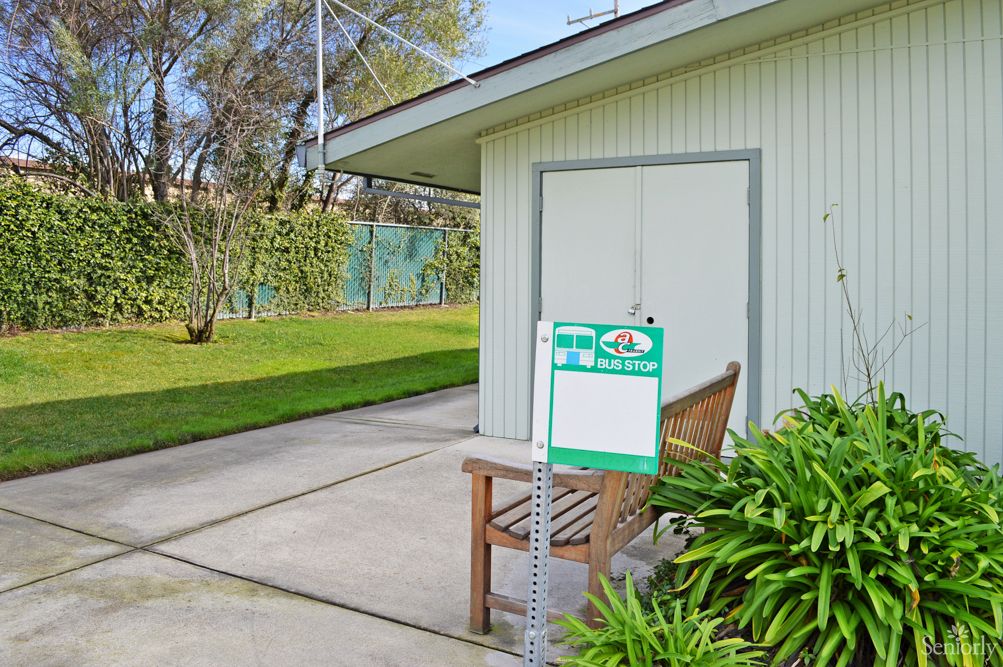
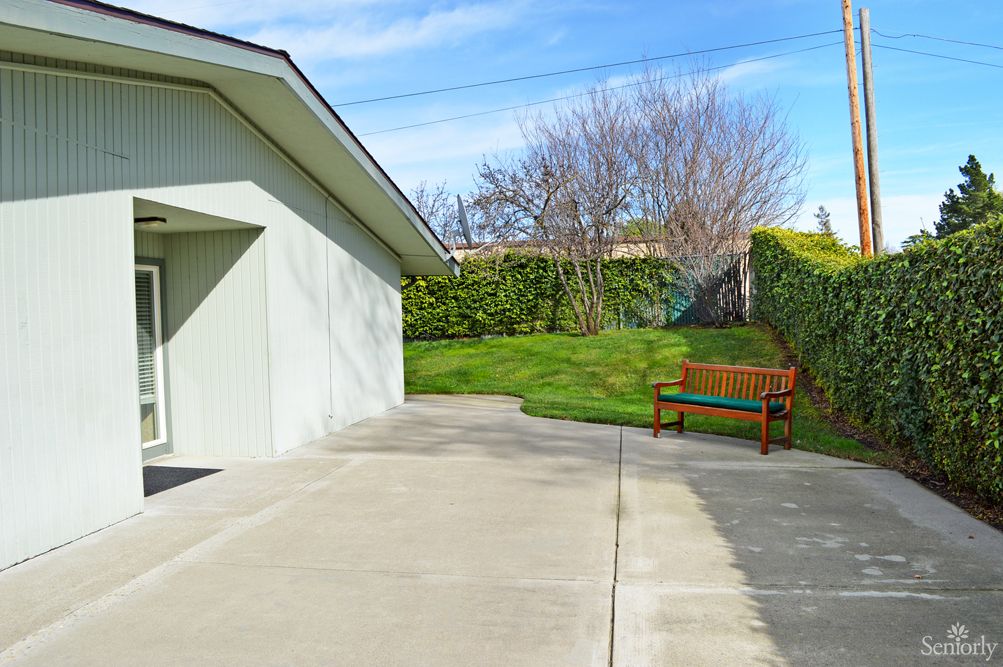
    A driveway leading to a garage with a wooden bench beside a grassy area and trees.

Silverado Lee’s Summit in Lee's Summit, MO

Information last verified:

3101 SW 3rd St., Lee's Summit, MO 64081

For more information about senior living options: (844) 490-3973

4.7 from 108 reviews
5 stars
100
4 stars
0
3 stars
0
2 stars
0
1 stars
8

Seniors.FYI Elite Community Awards

Top 5% Senior Living Community in 2026

Add this award to your website

Overall Review of Silverado Lee’s Summit

Pros

  • pro The Silverado staff are truly amazing and kind, making residents and families feel welcomed.
  • pro Silverado Memory Care is outstanding in compassion and care, consistently going above and beyond.
  • pro The team offers many meaningful activities and keeps families informed and involved.
  • pro Care is personalized; staff know residents by name and understand their personalities and humor.
  • pro The facility feels like a home—warm, welcoming, and clean.
  • pro Leadership and staff are passionate about doing what is right for residents.
  • pro Families report peace of mind knowing the staff engage residents and communicate proactively.
  • pro Silverado’s nursing care is top notch, with attentive, dignified treatment of residents.
  • pro Silverado is widely recommended by families and professional partners for memory care.
  • pro Silverado regularly hosts engaging activities and events, including music, outings, and family gatherings.

Cons

  • pro They would not recommend Silverado.
  • pro They claim more money is spent on the building than on care, calling the experience terrible and the management unresponsive.
  • pro They describe Silverado as unsafe, with neglect and residents left unsupervised.
  • pro They report residents being medicated without authorization and a resident eating glass.
  • pro They note lapses in basic services, such as extended hot-water outages, no housekeeping, and laundry backlogs.
  • pro They mention malpractice complaints and neglect reports tied to the facility.
  • pro They allege that some five-star reviews are solicited and marketing-driven rather than reflective of reality.
  • pro They recount a incident where a resident lay on the floor, screaming for help for 15 minutes and no staff responding promptly.
  • pro They claim the place is "smoke and mirrors" and not the compassionate environment promised.

Review

Silverado Lee’s Summit Memory Care is best suited for families seeking a memory-care community that feels like a warm, lived-in home, where memory-specific programming and daily social engagement are prioritized and staff consistently treat residents with dignity and personal warmth. This community shines for residents with dementia who respond well to routine, meaningful activities, and a staff who makes an effort to know each person’s history, preferences, and humor. It is especially fitting for families who want an active role in care planning and feel reassured by visible leadership, long-tenured caregivers, and a philosophy that centers on person-centered care. For families prioritizing clinical rigidity, minimal variability in staffing, or aggressive oversight of every medication decision, tighter controls and different models may be worth evaluating elsewhere. Silverado’s strengths align with a caregiving culture that values connection, engagement, and a home-like atmosphere.

Turnover comes through most clearly in the consistent praise for compassion, communication, and a robust activity calendar. Residents are reportedly engaged multiple times daily with a blend of outings, crafts, music, and interactive experiences that feel tailored to individual interests. The leadership team, particularly figures like Jordan, Nichelle, and Whitney, receives frequent accolades for being present, responsive, and deeply invested in resident welfare. Family members consistently note proactive communication, detailed care planning, and transparent updates, including regular family events and support groups that help families process transitions and stay involved. The culinary program, live music, and the presence of pets add to a sense of belonging and normalcy that many families associate with “home.” Cleanliness, warmth of the environment, and a visible staff culture of kindness further reinforce Silverado as a place that truly cares.

However, not all reviews align with the brighter portrait. A minority of families report serious concerns about staffing stability, safety, and governance. Some accounts describe chronic understaffing, gaps in supervision, and communication breakdowns between departments. A few families allege medication-related issues, including undocumented changes or inconsistent oversight, and there is at least one firsthand report of a resident experiencing a hazardous incident. Other reviewers describe practical gaps, hot water issues, housekeeping backlogs, and periods when upkeep or response times did not meet expectations. These voices are not the majority, but they are persistent enough to warrant careful consideration by any family that places a loved one in Silverado. The pattern matters: repeated concerns about oversight or safety would significantly shift the risk profile.

Counterbalancing those concerns are Silverado’s strongest advantages: a disciplined focus on preserving memory and cognition through diet, exercise, and cognitively stimulating activities; a staff culture that many families describe as personally invested and genuinely affectionate. The community’s approach to “aging in place” and maintaining resident dignity is repeatedly highlighted as a differentiator, with frontline staff known by name and caregiving teams that work to keep residents connected to familiar routines and people. The waitstaff, culinary team, activity coordinators, and nursing personnel are frequently cited as top-tier, delivering not only care but relational continuity that helps families feel confident in daily life and decision-making. When concerns arise, leadership responsiveness and a willingness to listen appear to mitigate many emotional and logistical strains for families.

From a decision-making perspective, Silverado is a strong choice for families who want a memory-care environment that emphasizes personalization, persistent engagement, and a sense of community. Pros offset cons most meaningfully where leadership is consistent, communication with families is robust, and activities are thoughtfully aligned with residents’ cognitive journeys. The best-fit candidates are those who value transparency and want to be actively involved in care planning, as the facility’s family networks and resident-centered programs can amplify the positive impact of care. Those who must have ironclad safety guarantees with minimal risk of any negative incident should scrutinize the facility’s safety records, request unannounced visits, and seek up-to-date references before deciding. Silverado’s model rewards involvement and curiosity about daily life as much as it rewards skilled caregiving.

In practical terms, families considering Silverado should plan a thorough on-site evaluation that probes staffing levels and turnover, front-line supervision, and the processes used to administer and document medications. Ask for specifics about nurse-to-resident ratios during different shifts, how care plans adapt as health needs evolve, and how safety incidents are tracked and resolved. Observe how staff greet residents by name, how they facilitate activities that appeal to the individual, and whether family members are invited to participate in events or care conferences. Inquire about housekeeping responsiveness, hot-water reliability, and the facility’s approach to quality assurance outside of marketing materials. The recurring thread from the strongest reviews, consistency, engagement, and caring leadership, should be verified in real-time by unplanned visits and conversations with both front-line caregivers and family ambassadors.

Overall, Silverado Lee’s Summit Memory Care stands out as a top-tier option within its niche, particularly for families who prioritize a home-like setting, meaningful social engagement, and a proven, compassionate care ethos. The community’s ability to maintain a vibrant, resident-centered culture, supported by dedicated leadership and a robust family-network framework, makes it a compelling choice for many memory-care journeys. Yet the decision cannot ignore the serious, though less frequent, concerns about staffing pressure, safety vigilance, and governance raised in some reviews. Those considerations do not negate Silverado’s strengths, but they do define a boundary: this community is best for families who will actively partner with the team, rigorously assess safety and staffing realities, and value a living, breathing program of memory-support that can be tailored to each loved one’s personality and history. For families with different priorities, especially a desire for unwavering safety control or stricter medical governance, alternatives deserve careful comparison before a commitment.

Features

Housing

  • 54 resident community capacity 54 resident community capacity

Types of Care

  • Memory Care Memory CareMemory care is crucial for seniors as it provides specialized support and services for individuals with dementia or Alzheimer's disease. These programs offer a safe and secure environment where residents receive personalized care, cognitive stimulation, and help with daily activities. Memory care helps seniors maintain their independence, quality of life, and dignity while also providing peace of mind for their families.

Amenities

  • Air-conditioning Air-conditioningAir conditioning is important for seniors as they are more vulnerable to heat-related illnesses and may have underlying health conditions that make it difficult for them to regulate their body temperature. It helps to keep them comfortable, safe, and healthy in hot weather.
  • Beauty salon Beauty salonBeauty salons are important for seniors because they provide a space for them to feel pampered, socialize, and maintain their personal grooming and hygiene. Regular visits to a beauty salon can help boost seniors' self-esteem and overall well-being.
  • Cable or satellite TV Cable or satellite TVCable or satellite TV is important for seniors because it provides entertainment, news, and companionship, helping to combat loneliness and boredom. It also offers a wide range of programming options tailored to different interests and preferences.
  • Computer center Computer centerA computer center is essential for seniors as it provides access to technology, communication tools, and resources that can enhance their daily lives. It allows them to stay connected with loved ones, engage in online activities, and learn new skills, ultimately promoting socialization and mental stimulation.
  • Dining room Dining roomDining rooms are important for seniors as they provide a space for socialization, connection, and nutritious meals. They offer opportunities for residents to bond over shared meals, foster a sense of community, and promote healthy eating habits. Dining rooms also ensure that seniors have access to well-balanced meals tailored to their dietary needs and preferences.
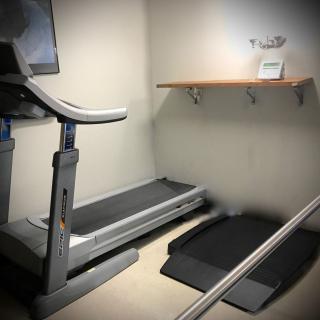
  • Fitness room Fitness roomHaving a fitness room in a senior living community is essential for seniors to stay active, maintain their physical health, and improve their overall well-being. Regular exercise can help prevent falls, reduce the risk of chronic diseases, and promote mental sharpness. It also provides social opportunities for residents to connect with others and enjoy a sense of community.
  • Fully furnished Fully furnishedFully furnished senior living communities are important for seniors because they provide convenience, comfort, and a hassle-free moving experience. Seniors can easily settle into their new living space without the stress of having to buy and move furniture. This allows them to focus on enjoying their new home and community.
  • Gaming room Gaming roomGaming rooms are important for seniors as they provide a fun and engaging environment for socializing, cognitive stimulation, and physical activity. Games can improve memory, problem-solving skills, and overall mental well-being while fostering friendships and reducing feelings of isolation.
  • Garden GardenGardens are important for seniors as they provide a peaceful and therapeutic environment for relaxation, physical activity, and socialization. Being in nature has been shown to reduce stress, improve mood, and promote overall well-being. Gardens also offer opportunities for seniors to engage in gardening activities, which can improve mobility, flexibility, and cognitive function. Additionally, gardens create a sense of community and connection with others who share a passion for plants and outdoor spaces.
  • Housekeeping services Housekeeping servicesHousekeeping services are important for seniors because they help maintain a clean and safe living environment, promote independence, and reduce the risk of accidents or illnesses. Additionally, having assistance with household chores can alleviate physical strain and allow seniors to focus on other aspects of their well-being.
  • Kitchenette KitchenetteKitchenettes are important for seniors living in senior living communities because they provide the convenience and independence of being able to prepare simple meals and snacks in the comfort of their own living space. This can help promote a sense of autonomy and well-being for seniors, allowing them to maintain some level of control over their dietary choices and daily routines.
  • Move-in coordination Move-in coordinationMove-in coordination is important for seniors because it helps ease the transition into their new living environment. It ensures that all logistics, such as packing, organizing movers, and setting up utilities are taken care of, allowing seniors to focus on settling in and adjusting to their new home. Having a smooth move-in process can alleviate stress and anxiety, making the transition smoother and more enjoyable for seniors.
  • Outdoor space Outdoor spaceOutdoor spaces are important for seniors as they provide opportunities for physical activity, social interaction, exposure to natural light and fresh air, and a sense of connection to nature. Having access to outdoor spaces can improve overall well-being and quality of life for older adults living in senior communities.
  • Private bathrooms Private bathroomsPrivate bathrooms are important for seniors in senior living communities because they provide independence, dignity, and comfort. Having a private bathroom allows seniors to maintain their personal hygiene routines without the need for assistance, promoting a sense of autonomy and privacy. Additionally, private bathrooms help prevent the spread of infections and provide a safe and clean environment for seniors to navigate safely.
  • Restaurant-style dining Restaurant-style diningRestaurant-style dining is important for seniors because it allows them to enjoy delicious, nutritious meals in a social and upscale setting. This enhances their dining experience, promotes healthy eating habits, and fosters socialization with fellow residents, ultimately contributing to their overall well-being and quality of life.
  • Small library Small librarySmall libraries are important for seniors as they provide access to a variety of reading materials, including books, newspapers, and magazines. This can help stimulate their minds, keep them engaged, and provide a sense of community through book clubs and other social activities. Additionally, reading has been shown to improve cognitive function and overall mental well-being in older adults.
  • Telephone TelephoneTelephones are important for seniors as they provide a lifeline for communication with loved ones, emergency services, and healthcare providers. They offer a sense of security and independence, enabling seniors to stay connected and access assistance when needed.
  • Wellness center Wellness centerWellness centers are important for seniors because they offer a variety of programs and services that promote physical, mental, and emotional well-being. These centers provide opportunities for exercise, socialization, education, and relaxation, helping seniors maintain their overall health and quality of life.
  • Wi-Fi/high-speed internet available Wi-Fi/high-speed internet availableWi-Fi/high-speed internet is important for seniors to stay connected with loved ones, access online resources, and participate in virtual activities to combat feelings of loneliness and isolation. It also allows them to easily manage healthcare needs, access entertainment, and engage in lifelong learning opportunities.

Transportation

  • Community operated transportation Community operated transportationCommunity operated transportation is crucial for seniors as it provides them with the means to access essential services, social activities, and medical appointments. It allows seniors to maintain their independence and quality of life by ensuring they can participate in activities outside of their homes. Additionally, community-operated transportation services offer a safe and reliable way for seniors to travel without having to rely on family or friends for assistance.
  • Transportation arrangement Transportation arrangementTransportation arrangements are crucial for seniors as they may face challenges with driving, mobility, or access to public transportation. Having reliable transportation services ensures that seniors can easily attend appointments, social activities, and maintain their independence and quality of life.
  • Transportation arrangement (non-medical) Transportation arrangement (non-medical)Transportation arrangements are essential for seniors as they provide access to essential services, activities, and social interactions outside the home. This service helps maintain independence, mobility, and overall well-being for seniors who may have limited transportation options.

Care Services

  • 12-16 hour nursing 12-16 hour nursing12-16 hour nursing care is crucial for seniors in order to ensure around-the-clock monitoring, timely medication administration, and prompt response to any health concerns or emergencies. This level of care helps to promote the overall well-being and safety of seniors living in senior living communities.
  • 24-hour call system 24-hour call system24-hour call systems are important for seniors because they provide peace of mind and immediate assistance in case of emergencies. This technology ensures that help is always available, promoting safety and security for elderly individuals living alone or in assisted living facilities.
  • 24-hour supervision 24-hour supervision24-hour supervision is important for seniors to ensure their safety, well-being, and access to immediate assistance in case of emergencies or health issues. This constant support provides peace of mind for both seniors and their loved ones, allowing them to age in place with dignity and security.
  • Activities of daily living assistance Activities of daily living assistanceActivities of daily living assistance are important for seniors because they provide essential support with tasks such as eating, bathing, dressing, and mobility. This assistance helps seniors maintain their independence, dignity, and overall quality of life as they age.
  • Assistance with bathing Assistance with bathingAssistance with bathing is crucial for seniors as it helps maintain personal hygiene, prevents infections, and ensures their overall well-being and comfort. It also provides a sense of dignity and independence for seniors who may struggle with this task on their own.
  • Assistance with dressing Assistance with dressingAssistance with dressing is important for seniors because it helps maintain their independence, promotes personal hygiene, prevents accidents and injuries, and improves overall quality of life. This service ensures that seniors can continue to dress comfortably and confidently, despite any physical limitations they may have.
  • Assistance with transfers Assistance with transfersAssistance with transfers is crucial for seniors as it helps prevent falls and injuries, maintains their independence, and ensures they can safely navigate their living environment. It also provides peace of mind for both seniors and their loved ones.
  • Coordination with health care providers Coordination with health care providersCoordination with health care providers is crucial for seniors to ensure proper medical care, medication management, and overall well-being. This collaboration helps prevent overlapping treatments, track progress more effectively, and provide comprehensive support tailored to individual needs.
  • Dementia waiver Dementia waiverDementia waivers are essential for seniors as they provide critical protections and accommodations for those experiencing cognitive decline. These waivers ensure individuals with dementia receive appropriate care, support, and resources to maintain their quality of life and dignity as they navigate the challenges of this progressive condition.
  • Diabetes diet Diabetes dietA diabetes diet is crucial for seniors as it helps manage blood sugar levels, reduce risks of complications, and improve overall health and well-being. By following a balanced and nutritious diet tailored to their specific needs, seniors can better control their diabetes and enhance their quality of life.
  • Hospice waiver Hospice waiverHospice waivers are important for seniors because they allow individuals to receive specialized end-of-life care and support at home or in a hospice facility. This waiver ensures that seniors can access the necessary resources and services to maintain comfort and dignity during their final days.
  • Meal preparation and service Meal preparation and serviceMeal preparation and service are crucial for seniors as they may have limited mobility or energy to cook nutritious meals. Having access to healthy and convenient food options can ensure they are getting the proper nutrition needed to maintain their overall health and well-being.
  • Medication management Medication managementMedication management is crucial for seniors to ensure they are taking the right medications at the correct dosages and times. This helps prevent adverse drug interactions, reduces the risk of medication errors, and promotes overall health and well-being. Proactive management also allows for adjustments as needed based on changing health conditions or new prescriptions.
  • Mental wellness program Mental wellness programMental wellness programs are essential for seniors as they promote cognitive stimulation, emotional support, and social engagement. These programs help prevent isolation, depression, and cognitive decline, ultimately enhancing the overall quality of life for older adults.
  • Mild cognitive impairment Mild cognitive impairment"Mild cognitive impairment" is important for seniors because it is an early stage of cognitive decline that can potentially progress to more severe conditions such as dementia. Recognizing and addressing mild cognitive impairment can help seniors receive appropriate care and support to maintain their quality of life and independence for as long as possible.
  • Special dietary restrictions Special dietary restrictionsSpecial dietary restrictions are important for seniors because age-related changes in metabolism and health conditions can make it difficult for their bodies to process certain foods. By following a diet tailored to their specific needs, seniors can maintain their overall health and well-being, manage chronic conditions, and reduce the risk of complications such as malnutrition or food interactions with medications.
  • Specialized memory care programming Specialized memory care programmingSpecialized memory care programming is crucial for seniors with cognitive impairments such as dementia or Alzheimer's disease. These programs provide a safe and supportive environment tailored to the unique needs of individuals with memory loss, helping them maintain their independence, dignity, and quality of life.
  • Transportation arrangement (medical) Transportation arrangement (medical)Transportation arrangements for medical purposes are essential for seniors as they may have difficulty driving themselves to appointments or accessing public transportation. Having reliable and safe transportation options ensures that seniors can receive timely medical care and maintain their health and well-being.
  • Transportation to doctors appointments Transportation to doctors appointmentsTransportation to doctors' appointments is crucial for seniors as it ensures they have access to necessary medical care and support for their health needs. Without reliable transportation, seniors may struggle to attend important appointments, leading to potential delays in treatment and health complications. Providing transportation services helps seniors maintain their overall well-being and quality of life.

Dining

  • Diabetes diet Diabetes dietA diabetes diet is crucial for seniors as it helps manage blood sugar levels, reduce risks of complications, and improve overall health and well-being. By following a balanced and nutritious diet tailored to their specific needs, seniors can better control their diabetes and enhance their quality of life.
  • Special dietary restrictions Special dietary restrictionsSpecial dietary restrictions are important for seniors because age-related changes in metabolism and health conditions can make it difficult for their bodies to process certain foods. By following a diet tailored to their specific needs, seniors can maintain their overall health and well-being, manage chronic conditions, and reduce the risk of complications such as malnutrition or food interactions with medications.

Activities

  • Community-sponsored activities Community-sponsored activitiesCommunity-sponsored activities are important for seniors as they provide opportunities for social interaction, mental stimulation, and physical activity. These activities can help improve overall well-being, combat loneliness and isolation, and promote a sense of belonging and purpose among older adults.
  • Concierge services Concierge servicesConcierge services are essential for seniors as they provide assistance with daily tasks and errands, enhance their quality of life by offering convenience and personalized care, and promote a sense of safety and security.
  • Fitness programs Fitness programsFitness programs are crucial for seniors as they help improve strength, flexibility, balance, and overall well-being. Staying active can reduce the risk of chronic diseases, improve mental health, and enhance quality of life in older adults.
  • Planned day trips Planned day tripsPlanned day trips are important for seniors because they offer opportunities for socialization, mental stimulation, and physical activity. They provide a change of scenery and help seniors stay engaged and connected to their community, promoting overall well-being and quality of life.
  • Resident-run activities Resident-run activitiesResident-run activities are important for seniors as they encourage social interaction, creativity, and a sense of autonomy. These activities empower seniors to stay engaged and active in their community while fostering meaningful connections with their peers.
  • Scheduled daily activities Scheduled daily activitiesScheduled daily activities are important for seniors because they provide structure, socialization, mental stimulation, and physical activity. Engaging in regular activities can improve overall well-being and quality of life for seniors living in a community setting.

Description

Silverado Lee’s Summit: A Vibrant Assisted Living Community in Lee's Summit, MO

Welcome to Silverado Lee’s Summit, where comfort meets community in a nurturing environment designed for residents’ well-being and happiness. Located in the heart of Lee's Summit, MO, our assisted living community offers a comprehensive range of amenities and care services aimed at promoting independence while providing the necessary support for daily activities.

Amenities that Enhance Daily Living

At Silverado Lee’s Summit, residents experience a lifestyle enriched with thoughtful amenities. Enjoy pampering sessions at the on-site beauty salon, stay connected with high-speed Wi-Fi throughout the community, or unwind in our beautifully landscaped gardens. Our fully furnished accommodations come complete with private bathrooms and kitchenettes for added convenience. Engage in friendly competition in our gaming room or immerse yourself in a good book from our small library. Our fitness room and wellness center provide opportunities for physical activity and mental wellness programs designed to keep you active and engaged.

Dining is a delightful experience here, with restaurant-style meals prepared to cater to special dietary needs, ensuring that every resident enjoys delicious and nutritious options. Transportation arrangements (both non-medical and medical) are readily available to facilitate easy access to appointments or outings.

Comprehensive Care Services

Our dedicated team provides round-the-clock care with a 24-hour call system and supervision for enhanced safety and peace of mind. We assist residents with activities of daily living such as bathing, dressing, transfers, meal preparation, and medication management. Our specialized memory care programming is tailored for those living with dementia or cognitive impairments. With coordination from healthcare providers and transportation options available for medical appointments, we ensure that each resident receives personalized attention catered to their unique needs.

Engaging Activities & Local Attractions

Life at Silverado Lee’s Summit is vibrant and engaging. Residents can actively participate in scheduled daily activities ranging from fitness programs to planned day trips, each designed to foster social connections and enhance quality of life. Our concierge services are available to assist with organizing resident-run activities or exploring nearby attractions like parks, restaurants, cafes, places of worship, theaters, pharmacies, physicians’ offices, and hospitals, all just moments away.

At Silverado Lee’s Summit in Lee's Summit, MO, we pride ourselves on creating a warm community atmosphere where every individual feels valued and engaged while receiving the support they need. Join us today, experience the perfect blend of care-free living tailored just for you!

Nearby Places of Interest

Restaurants

  • Taco Bell (0.1 miles)
  • McDonald's (0.1 miles)
  • Jack Stack Barbecue (2.3 miles)
  • Freddy's Frozen Custard & Steakburgers (2.4 miles)
  • Chick-Fil-A (2.6 miles)
  • Noodles & Company (2.6 miles)
  • Jumpin' Catfish Restaurant (3 miles)

Pharmacies

  • CVS Pharmacy (0.2 miles)
  • CVS Pharmacy (2.9 miles)
  • Walgreens (4.7 miles)
  • Walgreens (4.9 miles)
  • Cerner Healthe Clinic (5.1 miles)
  • Walmart Pharmacy (5.3 miles)
  • Walgreens (5.7 miles)

Physicians

  • Crittenton Children's Center (2.1 miles)
  • Kansas City Internal Medicine (2.2 miles)
  • Cornerstone Dermatology & Surgery Group (2.6 miles)
  • Lee's Summit Physicians Group (2.9 miles)
  • Dr Sharen Kauzlarich D.C. (3.1 miles)
  • Midwest Psychiatric Consultants (4.3 miles)
  • Diagnostic Imaging Centers (4.4 miles)

Places of Worship

  • First Assembly Of God (3.4 miles)
  • Abundant Life Baptist Church (3.6 miles)
  • Word Of Grace Fellowship (4.2 miles)
  • Raymore Christian Church (7.1 miles)

Parks

  • Lea McKeighan Park (3.7 miles)
  • Harris Park (3.8 miles)
  • Arbor Walk Park (4.4 miles)
  • Banner Park (4.9 miles)
  • Miller J Fields Park (5.2 miles)
  • Happy Tails Park (5.8 miles)
  • Freedom Park (6.4 miles)

Cafes

  • Post Coffee Company (3.9 miles)
  • Panera Bread (4 miles)
  • Starbucks (4.5 miles)
  • BIng Coffee (7.1 miles)

Hospitals

  • Saint Luke's East Hospital (4 miles)
  • The Birds (5.1 miles)
  • Truman Medical Center Lakewood (5.1 miles)

Theaters

  • B&B Theatres Lee's Summit 16 (4.1 miles)

Frequently Asked Questions

Where is Silverado Lee’s Summit?
Does Silverado Lee’s Summit provide care for residents with dementia or Alzheimer's disease?
What photos are available for Silverado Lee’s Summit in Lee's Summit, Missouri?

Nearby Communities

  • Silverado Lee's Summit Memory Care Community

    Silverado Lee's Summit Memory Care Community

    Lee's Summit, MO

    4.5 from 152 reviews
    $6,975 to $8,215 / month

    pro Compassionate, family-style staff with personalized care, engaging activities, and a clean, welcoming environment.


  • John Knox Village Care Center

    John Knox Village Care Center

    Lees Summit, MO

    2.6 from 34 reviews
     

    pro Comprehensive amenities and 24/7 care services

  • Village Assisted Living

    Village Assisted Living

    Lees Summit, MO


    pro Broad amenities and 24/7 care with transportation and activities.

  • Village Residential Care

    Village Residential Care

    Lees Summit, MO

    3.7 from 3 reviews
     

    pro Comprehensive care and amenities (24/7 supervision, ADL support, medication management, restaurant-style dining, activities).

  • John Calvin Manor

    John Calvin Manor

    Lee's Summit, MO

    3.8 from 19 reviews
    $1,000 / month

    pro Affordable HUD-based independent living with an engaged staff and active community.

  • John Knox Village

    John Knox Village

    Lee's Summit, MO

    4.1 from 111 reviews
    $1,300 to $6,750 / month

    pro Strong community with friendly staff and extensive on-site amenities and dining options.

  • Jeanne Jugan Center

    Jeanne Jugan Center

    Kansas City, MO

    5 from 4 reviews
     

    pro Continuum of care (CCRC, assisted, independent, skilled nursing) with furnished private rooms, meals, and 24/7 supervision.

  • Village At Carroll Park

    Village At Carroll Park

    Grandview, MO

    4.6 from 57 reviews
     

    pro Attentive, caring staff in a clean, homestyle environment.

  • Dogwood Springs Retirement Villa

    Dogwood Springs Retirement Villa

    Lee's Summit, MO

    3.7 from 6 reviews
    $630 to $768 / month

    pro Beautiful courtyard with a tranquil fountain and attentive staff.

Related Resources

  • delirium vs dementiaDelirium and Dementia: Unraveling the Key Differences

    Delirium is a rapidly onset, reversible cognitive disturbance often caused by acute medical issues, while dementia is a gradual and irreversible decline due to chronic neurodegenerative diseases. Accurate differentiation between the two is essential for appropriate treatment and management in older adults.

  • can you die from dementiaAre Dementia and Alzheimer's Disease Lethal? A Comprehensive Exploration

    Dementia, including Alzheimer’s disease, is often mischaracterized in terms of lethality as it leads to complications that can be fatal rather than being a direct cause of death; it causes a progressive decline in cognitive and physical health, making patients vulnerable to infections and other health crises. Effective management of nutrition, hydration, and communication is crucial in patient care, with palliative care becoming vital in advanced stages to enhance comfort and quality of life while caregivers play a key role amidst the challenges posed by the disease.

  • reminiscence therapyExploring the Power of Reminiscence Therapy for Individuals With Dementia
    Reminiscence therapy helps individuals with dementia recall past memories through structured discussions and meaningful objects, enhancing mood, relationships, and sense of identity while celebrating their lives. It can be practiced in formal settings or at home, requiring sensitivity to personal histories and cultural backgrounds.