1001 North West Chipman Road, Lee's Summit, MO 64081
For more information about senior living options: (866) 208-4318
4.1 from 112 reviews
5 stars
66
4 stars
21
3 stars
8
2 stars
3
1 stars
14
John Knox Village Costs & Pricing
John Knox Village offers competitive pricing for its living accommodations when compared to the broader market in Jackson County and Missouri as a whole. For instance, a studio apartment at John Knox Village is priced at $1,300 per month, significantly lower than the county average of $3,320 and the state average of $3,418. Similarly, one-bedroom units are available for $1,750 - again offering substantial savings against the county's average of $2,857 and the state's $3,349. Two-bedroom options are also attractively priced at $2,400 compared to Jackson County's $3,010 and Missouri's $3,675 averages. However, it's worth noting that the semi-private room rate of $6,750 stands out as markedly higher than both county and state rates of approximately $3,832 and $3,772 respectively. Overall, John Knox Village presents an appealing alternative for those seeking quality living arrangements while enjoying significant cost benefits in most categories.
Floor plans
John Knox Village
Jackson County
Missouri
Studio
$1,300
$3,320
$3,418
1 Bedroom
$1,750
$2,857
$3,349
2 Bedrooms
$2,400
$3,010
$3,675
Semi-Private
$6,750
$3,832
$3,772
Assisted Living communities with a similar price nearby
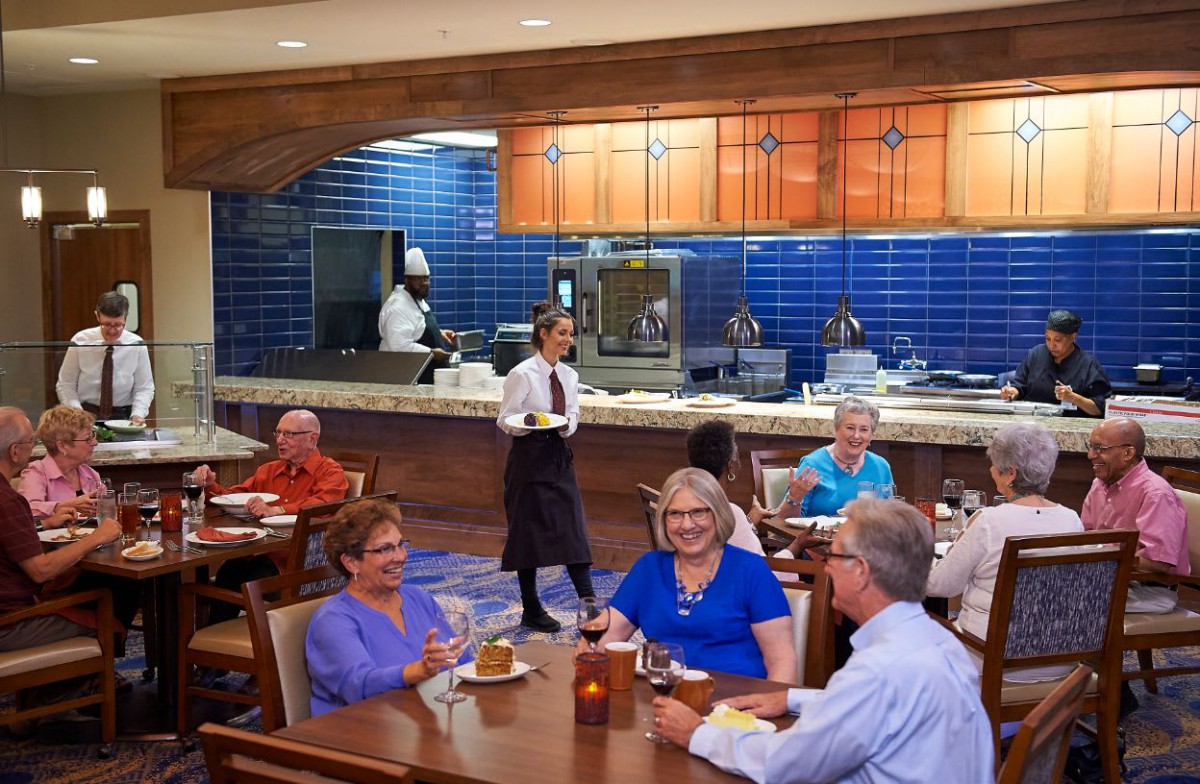
Residents point to on-campus dining and meal options as a key perk.
Many residents and families describe good food and a strong dining experience, often mentioning varied menus, multiple places to eat, and the ability to get meals delivered or choose among options. Several reviews also tie the dining setup to practical value, such as monthly meal credits/allowances and using them at restaurants on campus. A few reviews mention less favorable food quality or dining changes, but the overall theme that dining is a major focus comes through repeatedly.
common
Activities and a walkable campus
The community’s on-campus activities make it easier to stay engaged.
Across reviews, families describe scheduled activities and a steady calendar of programs, from group events and classes to outings. Residents also mention having plenty to do without leaving the campus, including access to shared spaces and frequent opportunities to participate. Some residents want more variety or mention that not every activity appeals, but the general picture is that activities are a regular part of daily life.
common
Staff support is a frequent highlight
Residents and families frequently praise how staff interact and communicate.
A large share of reviews emphasize kind, caring staff and responsive communication, including staff who answer questions and keep families informed. Several reviewers describe smooth transitions during move-in or care level changes, with follow-ups and easy access to the right people. A smaller number of reviews raise concerns about staffing levels, management responsiveness, or inconsistent care, which is why experiences can vary.
caveat
Pricing and value feel mixed
Some residents feel pricing is high relative to what they experience.
Many reviews explicitly call out the cost as expensive or overpriced, including concerns about value for services and meal-credit arrangements. At the same time, other reviews describe the community as offering good value for the amenities and care levels available. This creates a clear split in how residents interpret affordability and what they believe they are getting for the price.
caveat
Cleanliness and upkeep are inconsistent
Some reviewers describe serious cleanliness or maintenance problems.
While many residents praise cleanliness and upkeep, a recurring set of negative reviews points to problems like pests, unclean rooms, unpleasant odors, or maintenance breakdowns. There are also complaints about delays in addressing tickets and issues that affect daily routines. Because the reviews include both strongly positive and strongly negative cleanliness experiences, it appears to vary by location or timeframe.
How we summarize
We summarize when many written reviews mention each theme; a review can touch several themes, and only frequently mentioned themes are displayed.
Features
Housing
22 resident community capacity
Types of Care
Assisted Living
Continuing Care Retirement Community (CCRC)
Independent Living
Memory Care
Respite Care
Skilled Nursing Facility
Pets
Cats allowed
Dogs allowed
Amenities
Activities off-site
Activities on-site
Air-conditioning
Bath tubs
Beautician on-site
Beauty salon
Cable or satellite TV
Devotional services off-site
Devotional services on-site
Fireplaces
Full kitchen
Fully furnished
Garden
Ground floor units
Handicap accessible
Housekeeping services
Indoor common areas
Kitchenette
Move-in coordination
Outdoor common areas
Outdoor space
Private bathrooms
Respite or short term stays offered
Swimming pool / hot tub
Wheelchair accessible showers
Transportation
Transportation arrangement
Care Services
24-hour call system
24-hour supervision
Activities of daily living assistance
Ambulatory care
Assistance with bathing
Assistance with dressing
Assistance with transfers
Diabetes diet
Diabetic care
Incontinence care
Meal preparation and service
Medication management
Special dietary restrictions
Dining
Anytime dining
Diabetes diet
Guest meals
International cuisine
Meals provided
Professional chef
Restaurant style dining
Special dietary restrictions
Activities
Art classes
Community-sponsored activities
Day trips and outings
Devotional activities offsite
Devotional activities on-site
Educational speakers / life long learning
Happy hour
Live dance or theater performances
Live musical performances
Live well programs
Scheduled daily activities
Visiting chaplain or priest
Nearby Places of Interest
This part of Lee's Summit, Missouri, offers a range of amenities and services that cater to the needs of seniors. The area is home to several medical facilities such as Kansas City Internal Medicine, where you can easily access healthcare services. There are also pharmacies like CVS and Walgreens nearby for convenient medication management. In terms of dining options, you can enjoy a variety of restaurants including Chick-Fil-A and Jack Stack Barbecue. For recreational activities, there are parks like Lea McKeighan Park and Harris Park within close proximity for relaxation and outdoor exercise. Additionally, there are places of worship like First Assembly Of God and Word Of Grace Fellowship for spiritual fulfillment. Overall, this area provides a comfortable and convenient lifestyle for seniors looking to settle in Lee's Summit.
Physicians
Kansas City Internal Medicine (0.3 miles)
Cornerstone Dermatology & Surgery Group (0.7 miles)
John Knox Village offers competitive pricing for its living accommodations when compared to the broader market in Jackson County and Missouri as a whole. For instance, a studio apartment at John Knox Village is priced at $1,300 per month, significantly lower than the county average of $3,320 and the state average of $3,418. Similarly, one-bedroom units are available for $1,750 - again offering substantial savings against the county's average of $2,857 and the state's $3,349. Two-bedroom options are also attractively priced at $2,400 compared to Jackson County's $3,010 and Missouri's $3,675 averages. However, it's worth noting that the semi-private room rate of $6,750 stands out as markedly higher than both county and state rates of approximately $3,832 and $3,772 respectively. Overall, John Knox Village presents an appealing alternative for those seeking quality living arrangements while enjoying significant cost benefits in most categories.
The comprehensive support offered by John Knox Village through its 24-hour supervision ensures residents are consistently monitored for safety and well-being, which is crucial for individuals with cognitive impairments. Assistance with activities of daily living, such as bathing and dressing, promotes dignity while helping residents maintain a routine that fosters independence within a structured environment. Support during transfers minimizes the risk of falls, an essential consideration for those with diminished mobility or awareness. Incontinence care addresses personal hygiene needs delicately and respectfully, reducing potential discomfort or embarrassment. Meal preparation and service focus on providing nutritious meals tailored to individual dietary requirements, essential for maintaining overall health. Furthermore, medication management ensures that residents receive timely doses of their prescribed medications, contributing to their physical health and stability in cognitive function. Each of these features plays a vital role in creating a supportive atmosphere conducive to the well-being of those living with dementia or Alzheimer's disease.
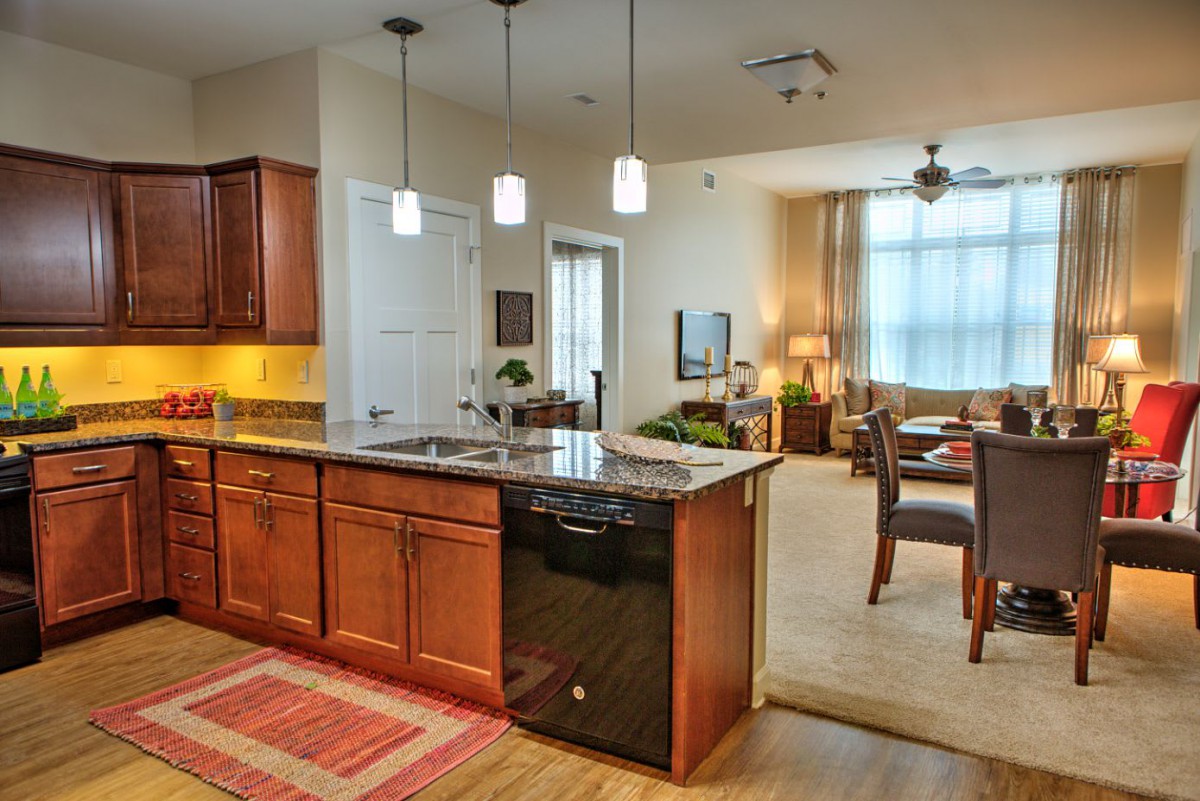
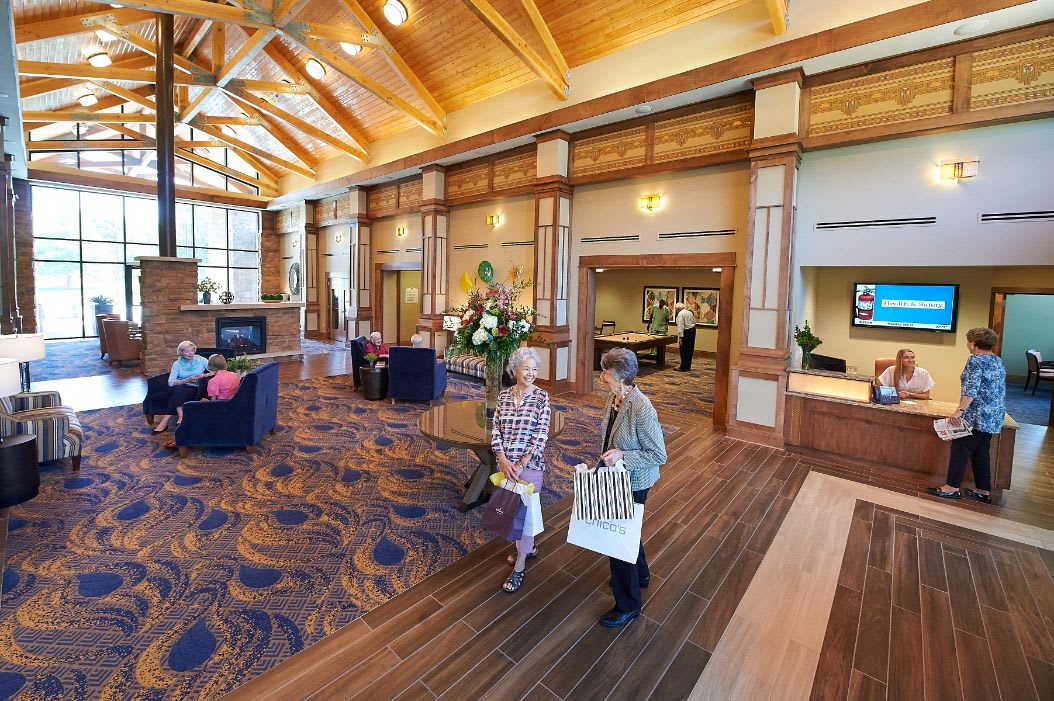
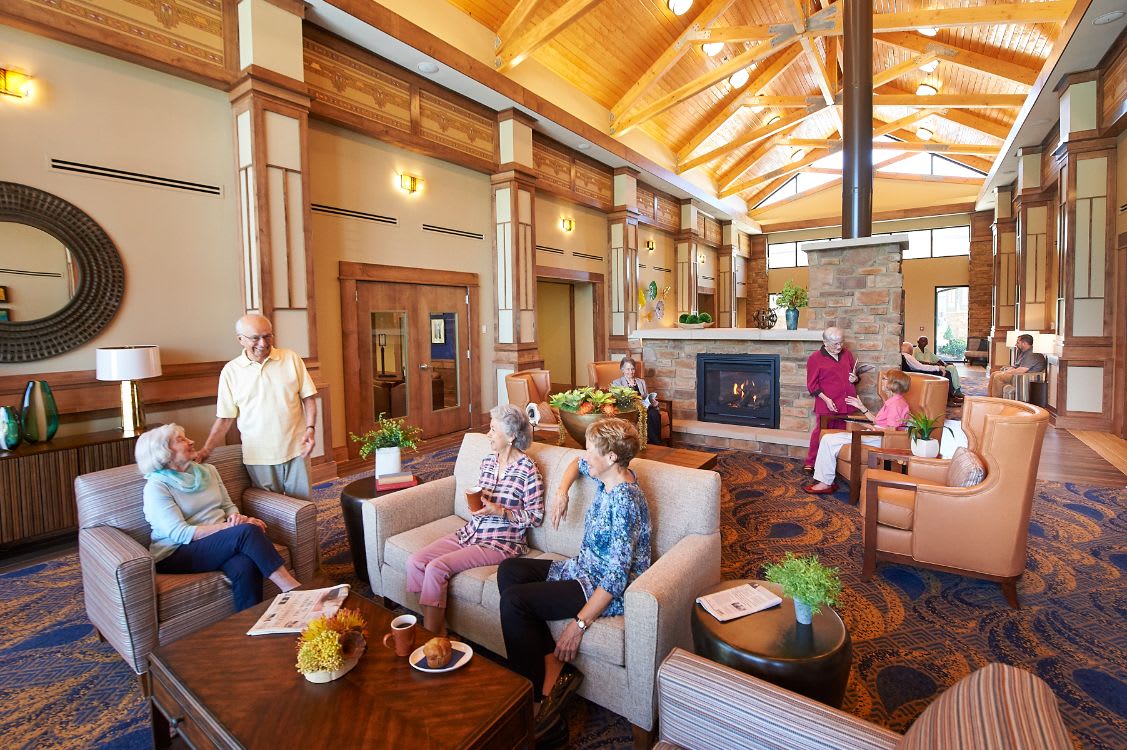
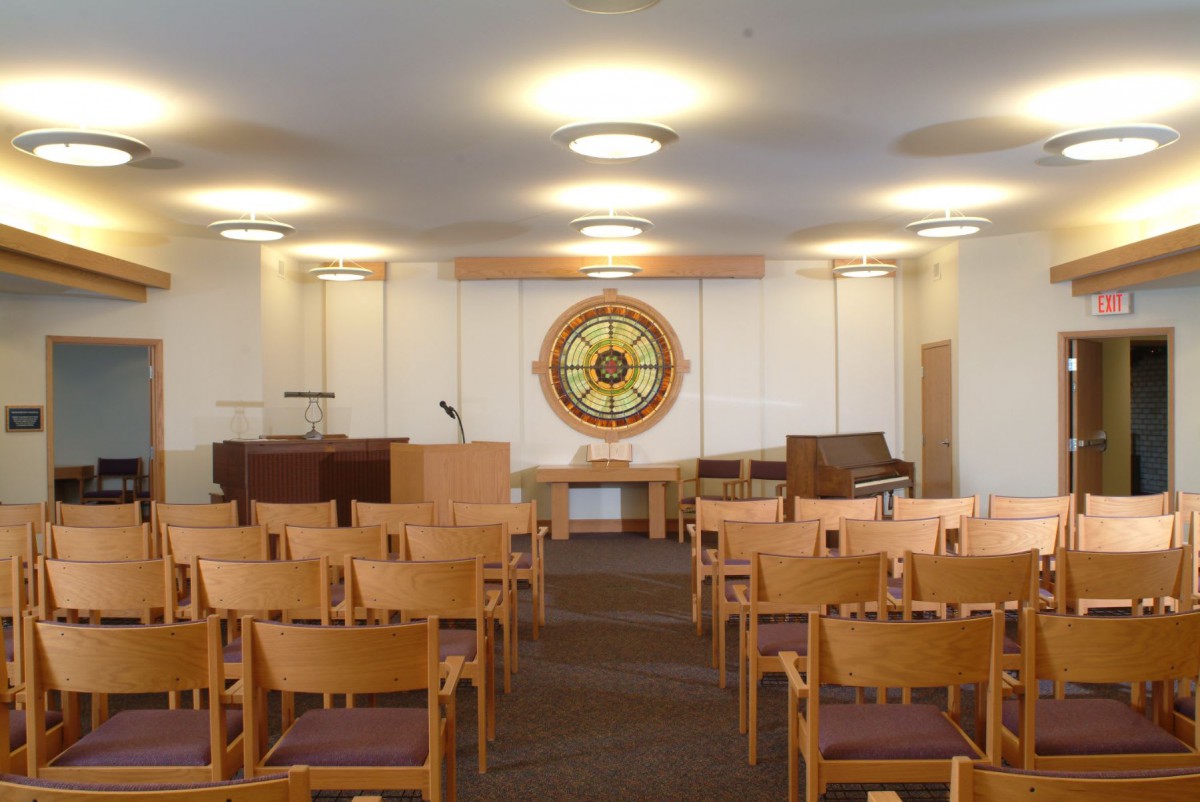
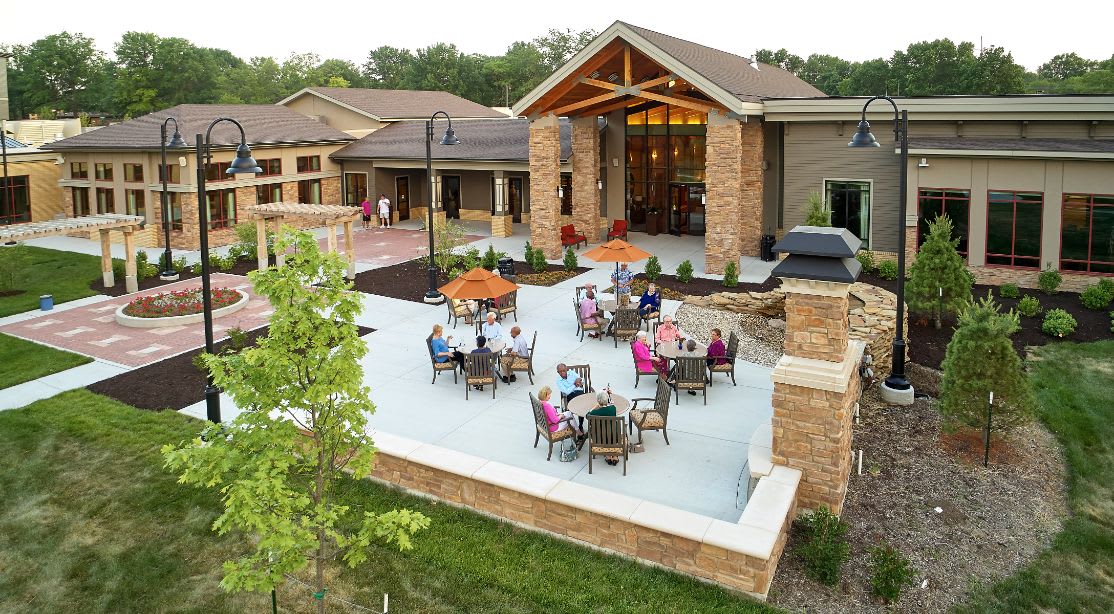
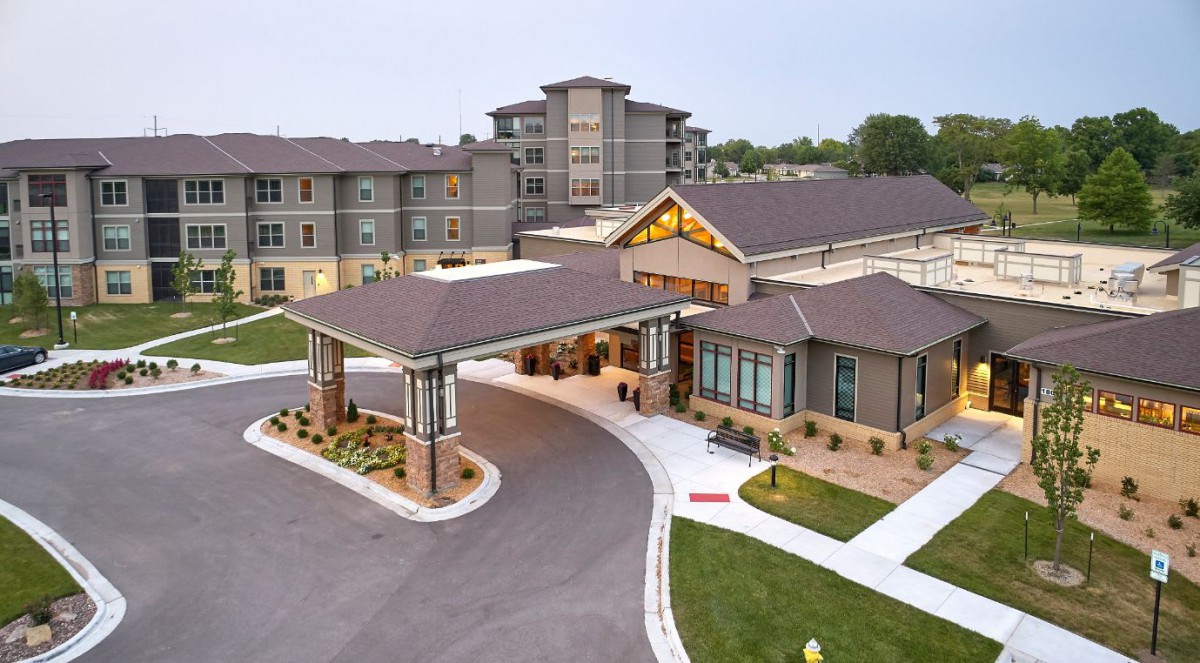
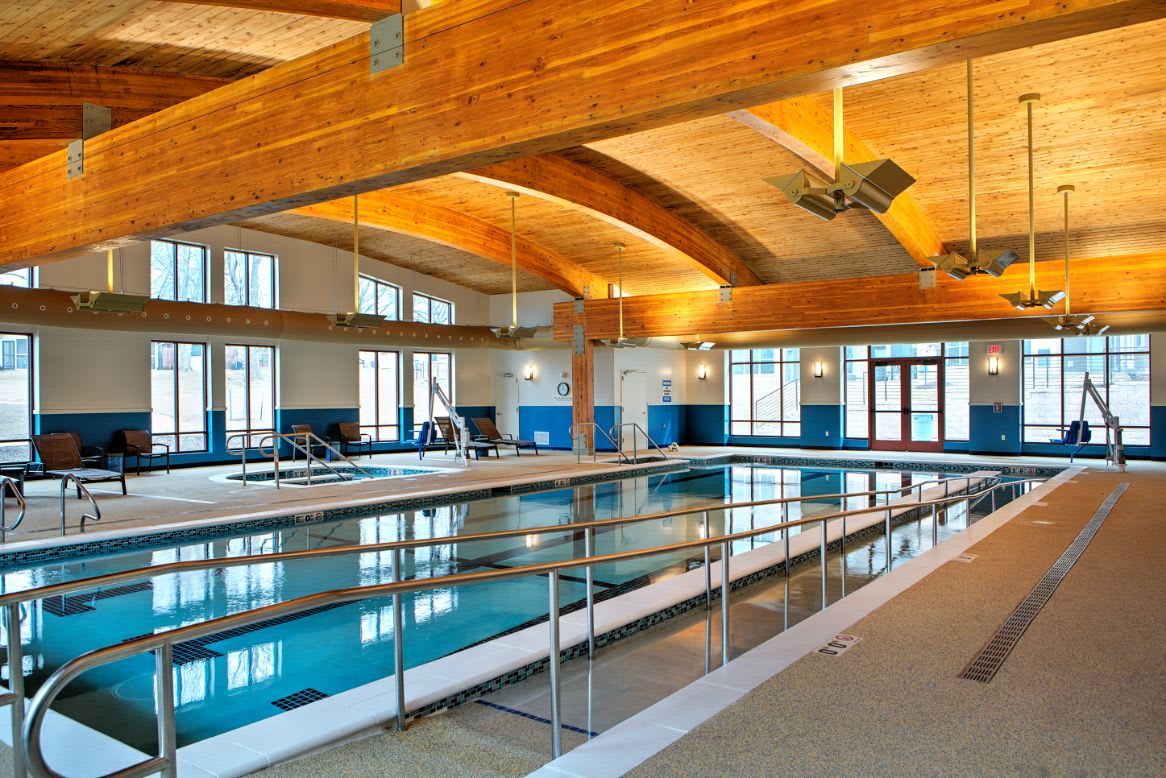
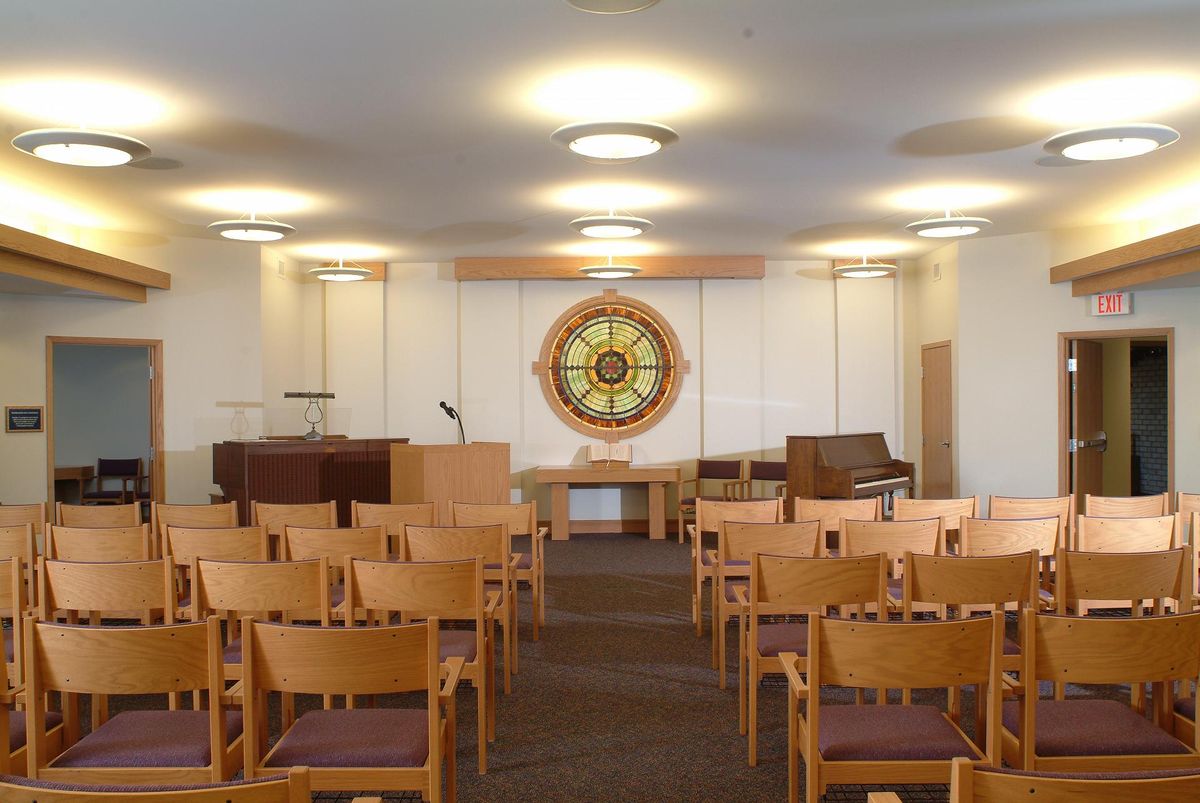
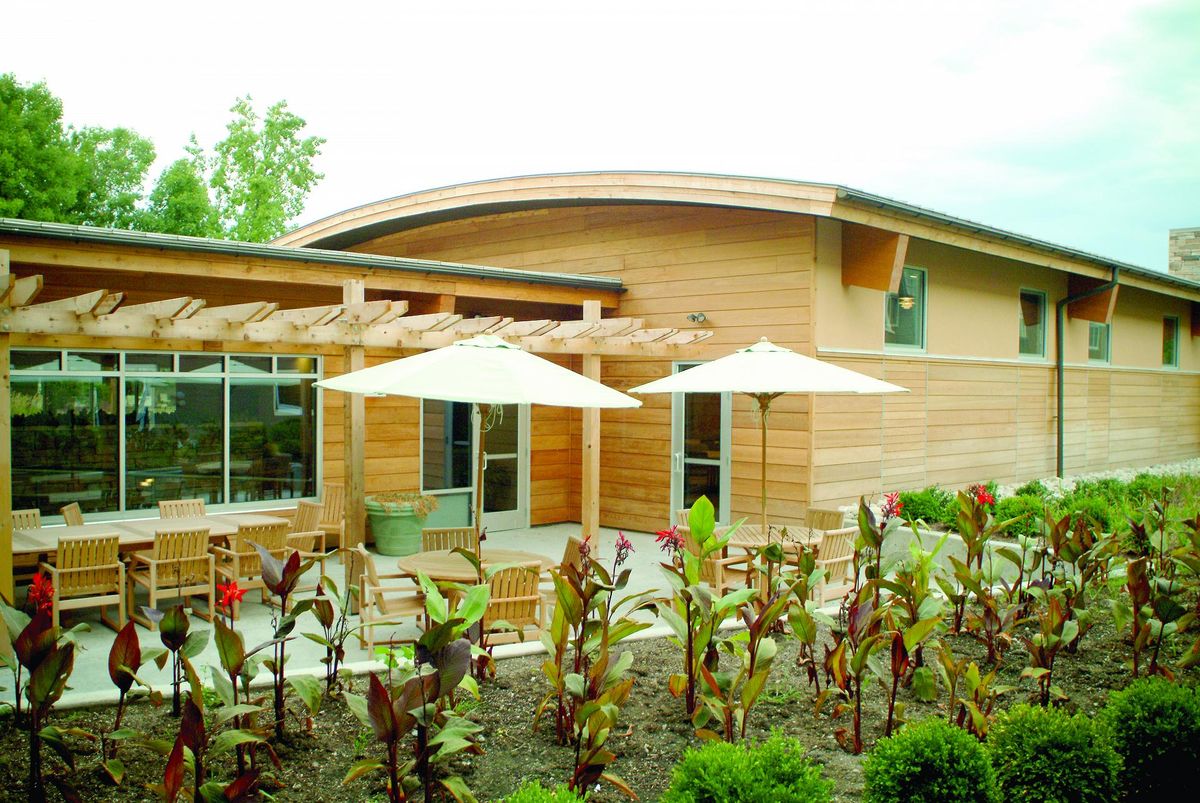
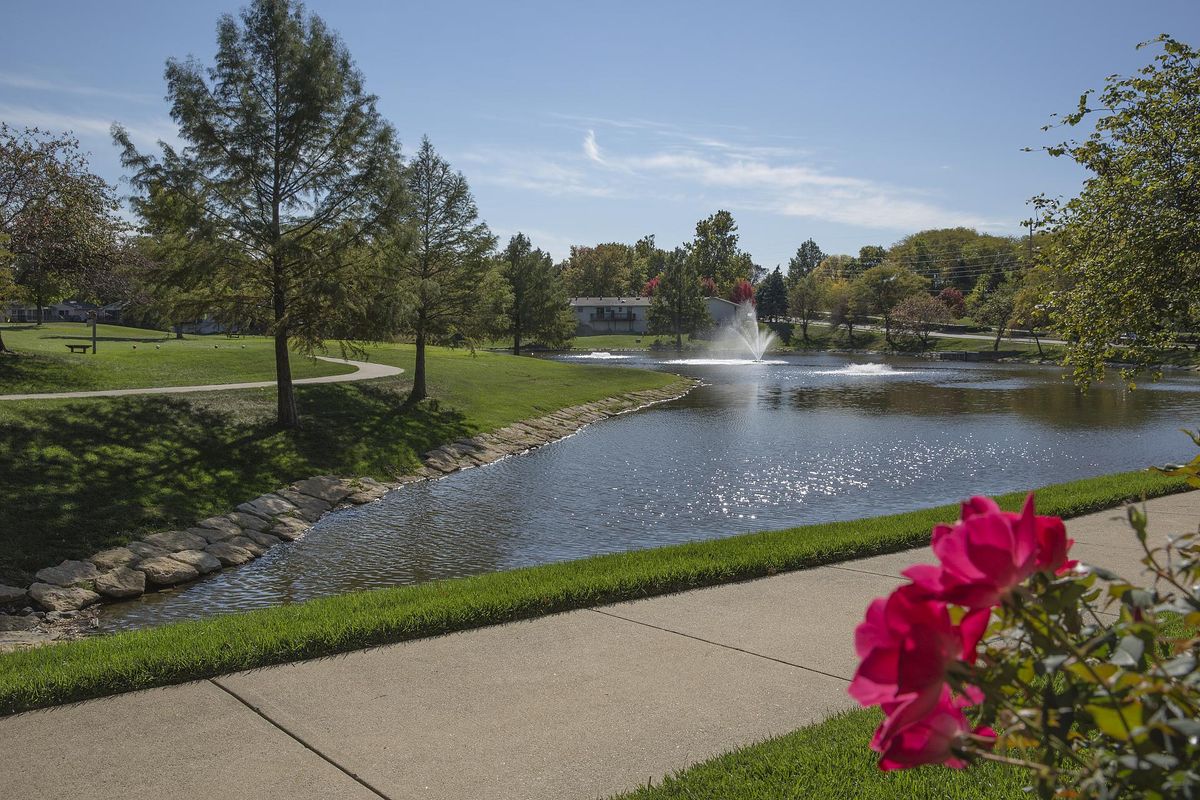
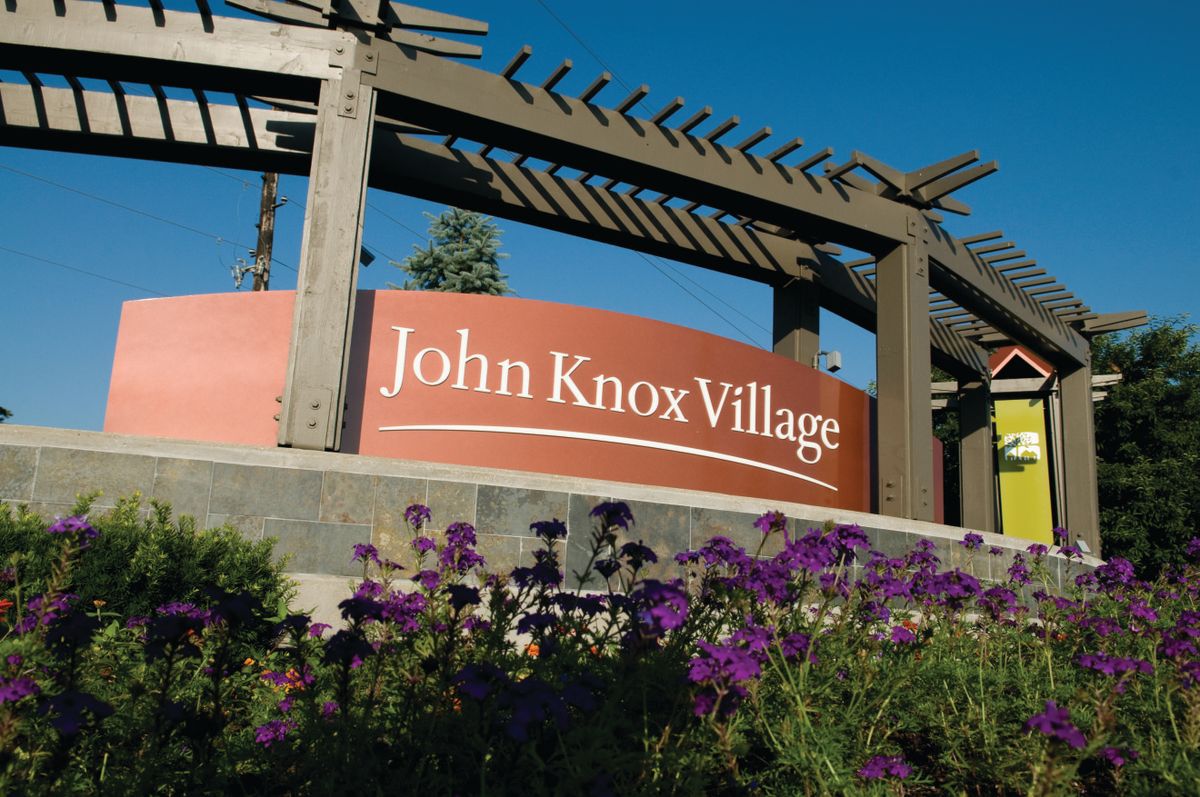
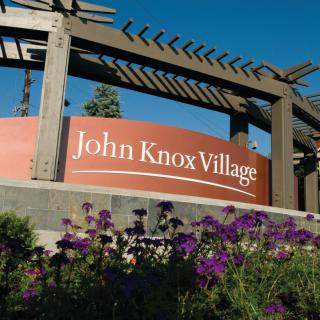
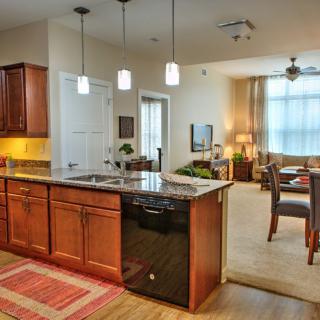
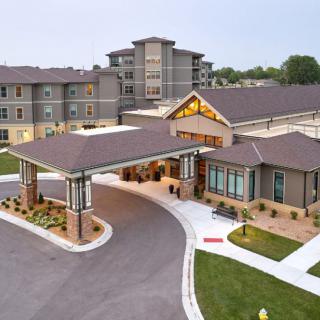
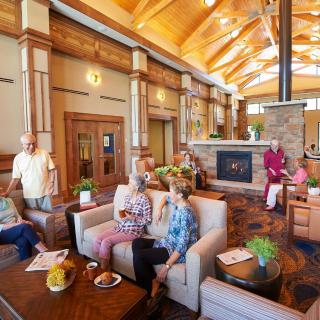
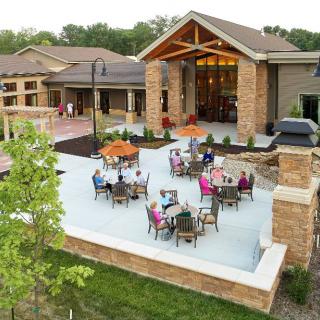
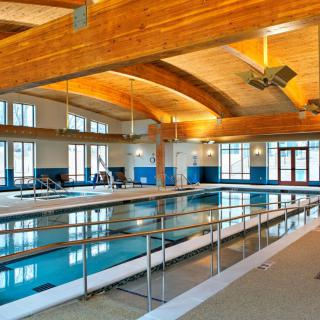
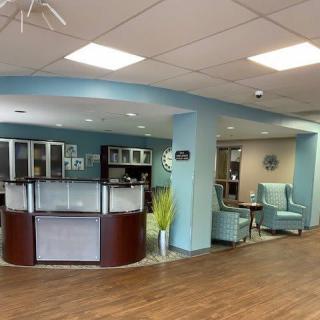
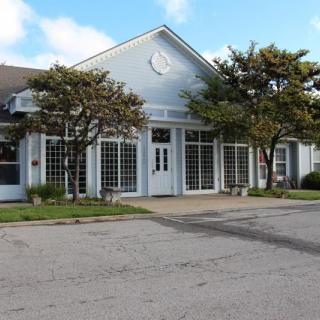
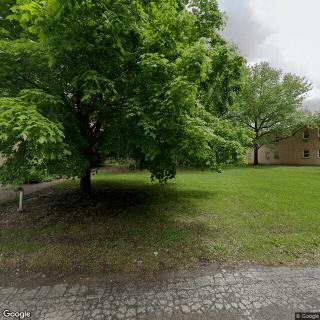
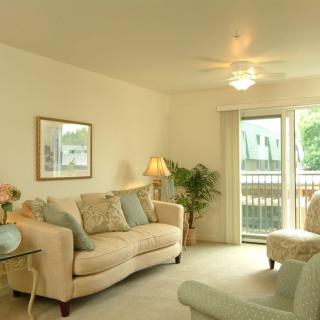
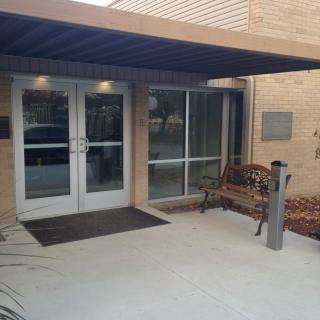
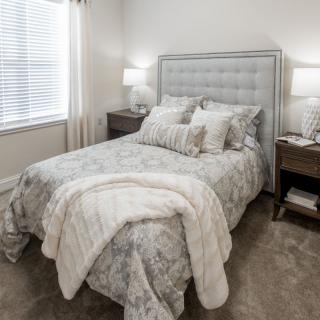
John Knox Village on seniors.fyi includes 15 photos including images showing interior, dining, landscaping, building, architecture, patio, outdoor seating, bedroom, and more.
Nearby Communities
TruCare Health Solutions LLC
Lee's Summit, MO
3.5 from 106 reviews
Strong local amenities with parks, dining, and healthcare nearby.
Village Assisted Living
Lees Summit, MO
Broad amenities and 24/7 care with transportation and activities.
Village Residential Care
Lees Summit, MO
3.7 from 3 reviews
Comprehensive care and amenities (24/7 supervision, ADL support, medication management, restaurant-style dining, activities).
John Knox Village Care Center
Lees Summit, MO
2.7 from 35 reviews
Comprehensive amenities and 24/7 care services
John Calvin Manor
Lee's Summit, MO
3.8 from 19 reviews
$1,000 / month
Affordable HUD-based independent living with an engaged staff and active community.
Lee's Summit Pointe Health & Rehabilitation
Lees Summit, MO
3.6 from 82 reviews
Comprehensive on-site care and amenities (24/7 supervision, dining, private rooms, wellness/fitness, outdoor space).
Dogwood Springs Retirement Villa
Lee's Summit, MO
3.7 from 6 reviews
$630 to $768 / month
Beautiful courtyard with a tranquil fountain and attentive staff.
Cross Creek at Lee's Summit
Lee’s Summit, MO
4.5 from 31 reviews
$5,845 to $7,195 / month
Modern, clean, home-like setting with caring staff and engaging activities; strong memory care focus.
The Princeton Senior Living
Lee's Summit, MO
4.5 from 121 reviews
$2,500 to $3,970 / month
Beautiful facility with friendly, attentive staff; spacious, well-maintained apartments; good dining and engaging activities.
Caregiver support groups are crucial for providing emotional and practical assistance to those caring for loved ones, offering resources, coping strategies, and a sense of community through various organizations and platforms. These groups help alleviate isolation and burnout while addressing the unique challenges faced by caregivers of individuals with specific conditions.
The guide outlines the complexities of Medicaid coverage for assisted living, highlighting significant state-to-state variations, limited coverage often restricted to personal care services, and the existence of specialized waivers for certain needs like memory care. It advises families to consult local Medicaid offices for options while emphasizing the importance of understanding state-specific regulations and facility policies.
Medicaid coverage for assisted living varies by state and is primarily available to low-income individuals, with eligibility dependent on strict income and asset limits. Some states offer HCBS waivers for specific services in assisted living, but families must generally cover room and board costs, and should verify facility acceptance of Medicaid while considering potential waiting lists.
Get PricingAsk A QuestionSchedule A TourContact Senior Advisor
By clicking submit, you agree to our Partner's Terms of Use. You
also consent to receive calls and texts, which may be autodialed, from our Partner. Your consent is not a condition to
using our Partner's service. Please visit our Partner's Privacy Policy for information about their privacy practices.











 22 resident community capacity
 Assisted Living
 Continuing Care Retirement Community (CCRC)
 Independent Living
 Memory Care
 Respite Care
 Skilled Nursing Facility
 Cats allowed
 Dogs allowed
 Activities off-site
 Air-conditioning
 Bath tubs
 Beautician on-site
 Cable or satellite TV
 Devotional services off-site
 Fireplaces
 Full kitchen
 Fully furnished
 Garden
 Ground floor units
 Handicap accessible
 Housekeeping services
 Indoor common areas
 Move-in coordination
 Outdoor common areas
 Private bathrooms
 Swimming pool / hot tub
 Wheelchair accessible showers
 Transportation arrangement
 24-hour call system
 Ambulatory care
 Assistance with bathing
 Assistance with dressing
 Assistance with transfers
 Diabetes diet
 Diabetic care
 Incontinence care
 Meal preparation and service
 Medication management
 Special dietary restrictions
 Art classes
 Day trips and outings
 Educational speakers / life long learning
 Happy hour
 Live dance or theater performances
 Live musical performances
 Live well programs
 Visiting chaplain or priest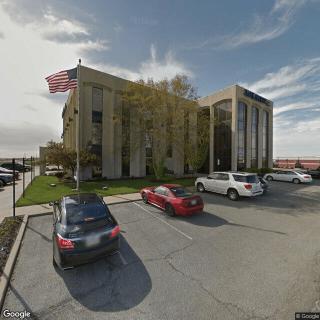
 Strong local amenities with parks, dining, and healthcare nearby.


 22 Remarkable Caregiver Support Groups Available Online and In-Person
 Understanding Medicaid Coverage for Assisted Living: A Comprehensive Guide
 How and When Medicaid May Cover Assisted Living Costs