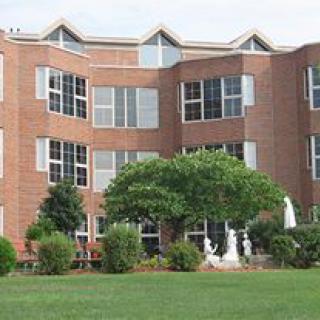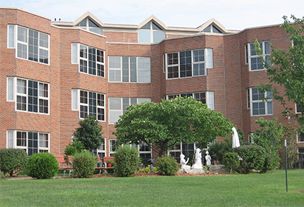
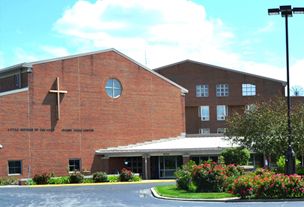

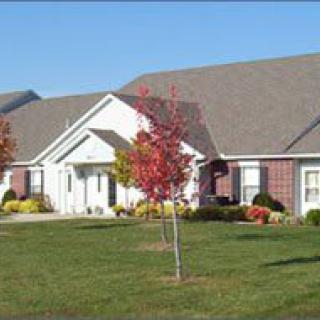
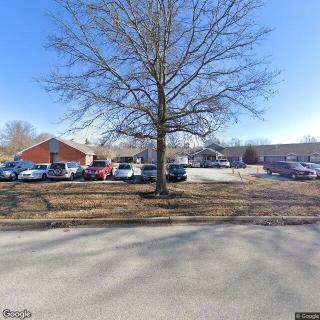
8745 James A Reed Road, Kansas City, MO 64138
For more information about senior living options: (866) 208-4318
Overall Review of Jeanne Jugan Center
Pros
 The reviewer, not Catholic, was impressed by the organization's mission and its work.
- The reviewer has decided to include the organization in their charitable giving and will continue to do so.
- The reviewer highly recommends them to everyone.
Review
Jeanne Jugan Center in Kansas City, MO is best suited for seniors and families who prize a faith-informed culture anchored in service and charitable work. The center’s identity is rooted in mission, generosity, and dignity for residents who want daily life infused with purpose beyond basic care. Even for families who are not Catholic, the impression left by its mission-driven approach is compelling, and the testimonials suggest a community where residents and visitors alike sense a meaningful, values-driven atmosphere. For those seeking a place where generosity and social impact are woven into routine life, this center stands out as a clear choice.
Conversely, this community may be a less ideal fit for households prioritizing secular surroundings or transparent, clinical detail about care services. If a loved one requires specialized medical programming, aggressive rehabilitation, or a fully secular environment, alternatives with more explicit clinical track records and non-faith-based cultures may be preferable. Pricing transparency, cost predictability, and a straightforward description of care tiers are important factors to confirm elsewhere if these criteria matter. Families should consider whether the center’s religious emphasis aligns with their expectations and daily routines.
The strongest positives, the center’s mission-driven ethos and the visible satisfaction reflected in the four five-star reviews, offer real compensating force against the lack of granular operational data in the reviews. A facility that emphasizes mission and charitable work often translates into a warm, engaged community where staff and residents share a sense of purpose. That intangible is meaningful: it can drive better social programming, more meaningful volunteer opportunities, and stronger resident engagement. Those benefits can offset some concerns about not having a detailed menu of services in the narrative, provided the care philosophy aligns with what matters most to the family.
To turn that promise into a confident decision, focus on practical due diligence during site visits. Prospective residents and families should request specifics on care levels available (assisted living, memory care, respite options), staff qualifications and ratios, and the cadence of daily activities. Inquire about dining options, transportation, and assistance with daily living tasks, as well as the degree of resident input into programming. Religious services, chapel access, and opportunities for community service or volunteering can be integral to the center’s appeal and should be clarified. Finally, demand a transparent breakdown of costs, what is included in rates, how fee increases are managed, and what financing or subsidy options exist.
Ultimately, the Jeanne Jugan Center will likely appeal most to families seeking a values-forward living environment where faith-inspired care and a spirit of charitable mission underpin daily life. The four-voice affirmation of quality through a unanimous five-star impression signals strong resident and family satisfaction, a powerful differentiator in a crowded market. However, the decision hinges on alignment of beliefs, expectations for care, and comfort with the level of operational detail that accompanies the experience. For those who prize purpose, community, and a spiritually guided culture, this center represents a persuasive, credible option worth pursuing aggressively.
In sum, Jeanne Jugan Center is a practical pick for families prioritizing meaning and mission in aging-in-place decisions. It is less ideal for those who require a secular environment, highly explicit clinical data, or aggressive care capabilities not described in the limited public feedback. The best next step is a targeted tour with questions tailored to care needs, costs, and daily routines, followed by conversations with residents and staff to gauge whether the center’s ethos translates into the concrete quality of life expected for a loved one. When alignment is present, the center’s strengths become unmistakable: a purpose-driven home where generosity and dignity are not just ideals but daily practice.
 25 resident community capacity
 Assisted Living
 Continuing Care Retirement Community (CCRC)
 Independent Living
 Skilled Nursing Facility
 Beauty salon
 Cable or satellite TV
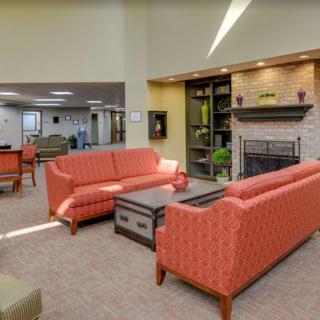
 Fully furnished
 Garden
 Housekeeping services
 Move-in coordination
 Outdoor space
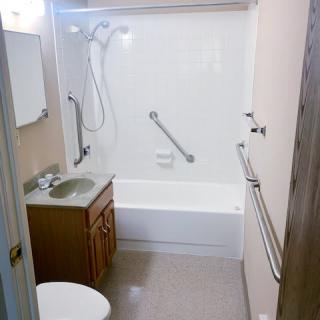
 Private bathrooms
 Transportation arrangement
 24-hour call system
 Activities of daily living assistance
 Assistance with bathing
 Assistance with dressing
 Assistance with transfers
 Diabetes diet
 Meal preparation and service
 Medication management
 Special dietary restrictions


 When to Transition from Assisted Living to Memory Care: Key Indicators, Steps, and Finding the Right Community
 Assisted Living and Memory Care: Understanding Their Core Differences
 Beyond the Bingo Hall: 50+ Enriching Activities for Seniors in Assisted Living