

11901 Jessica Ln, Raytown, MO 64138
To contact a resident: (816) 358-3535
For more information about senior living options: (866) 208-4318
Westridge Gardens Rehabilitation & Health Costs & Pricing
At Westridge Gardens Rehabilitation & Health, the cost for a private room is set at $5,250 per month. This figure reflects the facility's commitment to providing high-quality care and tailored services that may exceed average market pricing. In comparison, the average cost within Jackson County stands at $4,101, while the statewide average for Missouri is slightly higher at $4,483. Although Westridge Gardens' rates are above both local and state averages, this premium may be justified by specialized rehabilitation programs and personalized care plans that enhance residents' quality of life and recovery outcomes.
| Floor plans | Westridge Gardens Rehabilitation & Health | Jackson County | Missouri |
|---|---|---|---|
| Private | $5,250 | $4,101 | $4,483 |
Skilled Nursing Facilities with a similar price nearby
-
from +$350 / mo
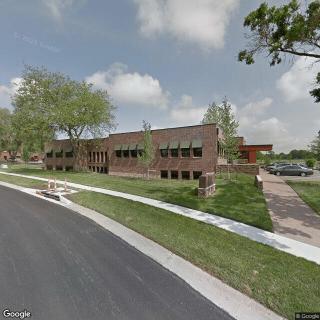
SeniorCare Homes
$5,600 / month11.0 miles away -
from -$925 / mo

Claridge Court a CCRC
$4,325 to $4,723 / month10.0 miles away -
from -$900 / mo
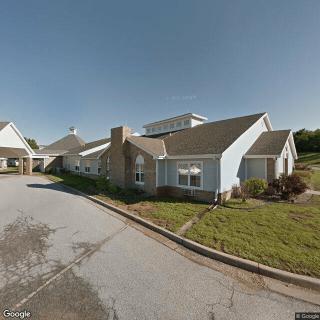
Redwood at Blue River
$4,350 to $4,800 / month6.7 miles away -
from -$1000 / mo
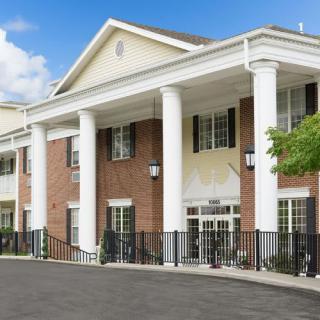
Trustwell Living of Overland Park
$4,250 to $5,250 / month12.2 miles away -
from +$645 / mo
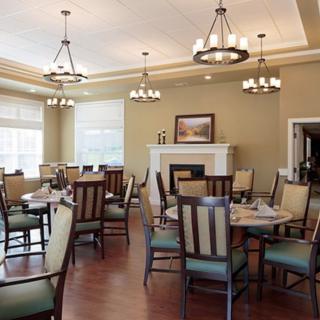
Linden Woods Village
$5,895 to $8,395 / month17.9 miles away
Overall Review of Westridge Gardens Rehabilitation & Health
Pros
 He was thrilled to be at a residential home that treated him like it was his home.
- Wendy was an angel and helped make the transition smooth.
- He loves having a bigger room and bathroom because he is wheelchair bound.
- Transportation to and from the VA has been a blessing.
- The physical therapy staff are extremely knowledgeable and compassionate, helping Jim take 100 steps with a walker.
- The activity schedule is full of options for residents.
- There is room for family to visit, attend church services, eat meals, and feel welcome.
- Jim is much happier there.
- The staff are polite, friendly, and respectful.
Cons
 Westridge Gardens is described as the worst place for care.
- The staff are incompetent in their work ethics and fail to provide proper nutrition.
- It takes a long time to answer call lights.
- Dressings on stage 4 wounds were not changed promptly, hindering healing.
- The facility is always short staffed.
- Management is described as the worst, with staff gossiping in the office while residents suffer.
- A CNA was rude and spoke harshly to patients.
- Meals were served cold or unappetizing, leaving residents hungry.
- There was no nurse call button available.
- The social worker is unprofessional and rude.
- They would not recommend this place.
Review
Westridge Gardens Rehabilitation & Health in Raytown is best suited for families seeking a rehabilitative environment that feels genuinely “home-like,” with strong potential for meaningful mobility gains when therapy is a priority. The story of a 92-year-old WWII veteran who moved in and quickly found stability illustrates the upside: admissions staff who smooth the transition, a care team with capable physical therapists, and a setting that supports regular visits and social engagement. He benefited from a larger, wheelchair-accessible room and transportation to VA appointments, while the therapy staff helped him master walking with a walker. For residents who respond well to structure, daily activity options, and a front-room atmosphere designed for family visits, this community can deliver tangible improvements and a sense of belonging.
At the same time, a clear caution applies: this is not a uniformly reliable care environment, and certain families will want to consider alternatives. Several reviews describe chronic understaffing and inconsistent attention to residents, with delays in answering call bells, uneven wound care, and in some cases actual deterioration of conditions that should have been managed promptly. Food quality and nutrition received persistent criticism, ranging from cold meals to poorly chosen or improperly prepared dishes. Instances of rude or inattentive communication by some aides, plus reports of limited oversight during nights and weekends, raise questions about daily reliability for residents with higher medical or daily living needs. For families facing complex medical trajectories or substantial monitoring requirements, these concerns deserve serious weight.
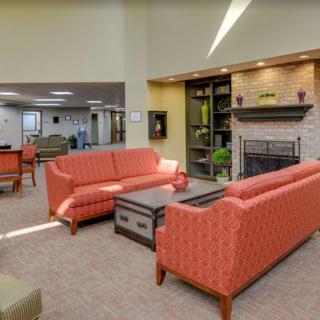
The strongest positives here, when they come through, can noticeably offset the downsides for the right resident. The rehab team’s expertise and compassionate approach, the smooth admission process, and transportation support for VA services provide a solid foundation for recovery-oriented goals. The home-like public space, complete with a living-room vibe and welcoming gathering areas, helps residents feel at ease and fosters family involvement. A robust activity calendar ensures social engagement and daily purpose, which matters for mood and cognitive health. When these elements align with a resident’s preferences, accountability for care gaps is more likely to be pursued, and the overall experience can feel more humane and hopeful than in more institutional settings. Still, the offset is not universal; the gaps in staffing and consistency can quickly erode progress if not actively managed.
Prospective families should press for clarity before admission. Insist on a transparent picture of staffing by shift, nurse-call responsiveness, and concrete wound-care protocols with accountable practitioners. Request a recent week’s worth of therapy schedules, meal-service standards, and a summary of typical incident and complaint resolutions. Consider unannounced visits during evenings and weekends to gauge real-time care dynamics, and speak directly with current residents about daily routines, nourishment, and how promptly help is provided. If wound care will be a major element of care, interview the wound-care team and verify nutrition oversight includes dietitian input and practical feeding assistance for those unable to feed themselves. These steps convert uncertainty into a practical plan.
In decision-making terms, alignment with care goals is decisive. If rehabilitation potential, a warm, home-like setting, and reliable transport to outside services are the top priorities, Westridge Gardens can deliver meaningful improvements with committed family oversight. If reliability, continuous high-level nursing care, and predictable daily safety are non-negotiable, it may be prudent to compare other communities with stronger staffing and documented safety records. The facility represents a deliberate trade-off: observable rehab progress and a comforting environment for families willing to stay actively involved, in exchange for attention to staffing variability and the everyday realities of care. When that trade-off fits the resident’s needs, it becomes a workable choice.
The bottom line is pragmatic and specific: Westridge Gardens can be a viable option for residents whose recovery goals are clear, and whose families are prepared to participate, supervise, and advocate for high standards. For those prioritizing consistently strong staffing, transparent leadership, and consistently reliable daily care, this community warrants cautious scrutiny and likely comparison against other options. The path forward should hinge on concrete rehab expectations, a plan for daily care and safety, and a robust commitment from family and care coordinators to monitor the quality of care on an ongoing basis. In the right circumstances, Westridge Gardens offers a meaningful combination of therapy-driven progress and a welcoming atmosphere. In others, it demands a vigilant, hands-on approach that not all families can sustain.
 120 resident community capacity
 Skilled Nursing Facility
 Activities off-site
 Air-conditioning
 Beautician on-site
 Cable or satellite TV
 Computer center
 Devotional services on-site
 Dining room
 Fitness room
 Fully furnished
 Gaming room
 Garden
 Housekeeping services
 Indoor common areas
 Kitchenette
 Move-in coordination
 Outdoor common areas
 Private
 Private bathrooms
 Restaurant-style dining
 Small library
 Telephone
 Wellness center
 Wheelchair accessible showers
 Wi-Fi/high-speed internet available
 Community operated transportation
 24-hour call system
 Assistance with bathing
 Assistance with dressing
 Assistance with transfers
 Diabetes diet
 High acuity care
 Incontinence care
 Medication management
 Special dietary restrictions
 Catholic services
 Concierge services
 Planned day trips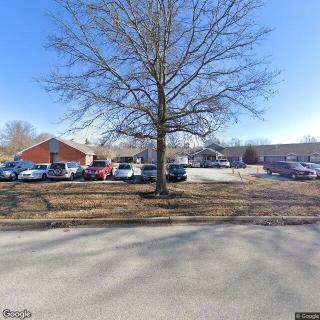

 Comprehensive Insights and Practical Strategies to Help Older Adults Avoid Falls
 6 Crucial Ways an Elder Law Attorney Assists Families
 Navigating the Tax Landscape of Caregiving: Credits, Deductions, and Beyond