
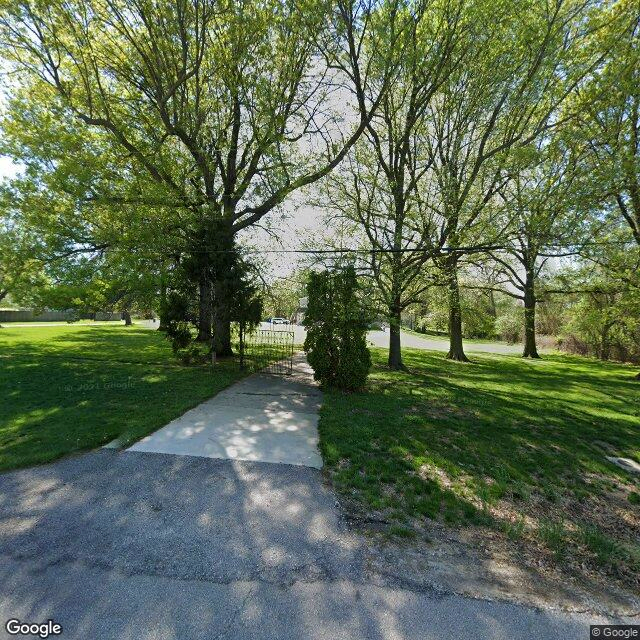
5550 Noland Road, Kansas City, MO 64133
To contact a resident: (816) 356-0200
For more information about senior living options: (866) 208-4318
Overall Review of The Oaks
Pros
 The Oaks' memory care is praised for kindness and respect, with residents never left aside.
- The activities director keeps residents engaged and the environment lively.
- The nurses are amazing, on top of things, and genuinely caring.
- Families feel blessed to have these wonderful caregivers in their loved ones' corner.
- The staff are very knowledgeable and caring.
- Some families stay there and find the environment comfortable and welcoming.
Cons
 The reviewer claims the hospitality there is condoned and singles out Gordon Goodman in a negative light.
- They assert residents are left unattended for days, sleeping on the streets without baths, food, or medications, and suggest caregivers should not be paid if they won’t provide care.
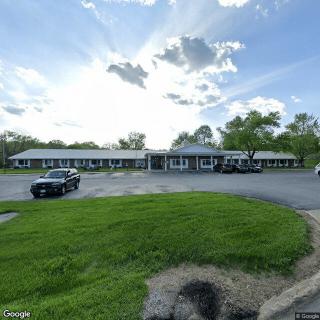
- The place is described as nasty, with bed bugs on the beds, only one staff member, no cameras, an old building, and dirty bathrooms.
- They say the health department shut the place down, and that staff yell and scream at patients in unsanitary living conditions.
- The staffing is criticized for lacking medication aides, poor shift coverage (unable to keep people on evenings or nights), and high turnover because one person can’t do it all.
- They note that some staff are rude and do not dispense medications correctly.
- They conclude with “It’s not right” and state they would not be going back there anytime soon.
Review
The Oaks in Kansas City is best suited for families seeking a memory-care oriented environment where compassionate, person-centered care and daily engagement are valued, and where regular family involvement can help sustain quality. The strongest upside is the human touch: caregivers who treat residents with warmth, nurses who appear attentive, and an activities program led by a director who keeps dementia care meaningful and lively. When these elements come together, families report residents feel supported, engaged, and known. For caregivers prioritizing dignity, respect, and ongoing interaction, this community can deliver a sense of safety and belonging that many facilities struggle to provide.
Yet this community is not a fit for everyone. The most consequential concerns center on staffing stability and basic operations. Reviews describe chronic understaffing across shifts, difficulty maintaining consistent evening and night coverage, and medication administration questions that point to real risk in day-to-day care. Sanitation and building conditions appear uneven, with reports of older infrastructure, unsanitary bathrooms, pest issues, and repairs described as ongoing. Some families question whether the environment can reliably support residents who need constant supervision or have complex medical needs. For families unable to sustain close oversight or who demand consistently pristine conditions, alternatives with stronger staffing models and cleaner environments should be pursued.
On the positive side, the care team’s attitude and competence stand out as a core strength. Families consistently praise nurses who are on top of care and who communicate with kindness, and they credit the memory-care unit for thoughtful, respectful programming. The activities director is repeatedly described as a driving force, engaging residents, encouraging participation, and avoiding condescension, so residents feel valued rather than treated like a burden. When families visit, they often leave with a sense that staff are genuinely invested in residents’ well-being, which can counterbalance some of the day-to-day tensions inherent in this setting.
Despite the bright spots, the downsides loom large enough to influence a decision. Staffing gaps clearly affect consistency of care, and medication mix-ups or miscommunications can arise when coverage is thin. The critique that “one person can’t do it all” captures a systemic challenge that no amount of goodwill from frontline staff can fully overcome without reliable staffing and robust procedures. Building and sanitary issues, along with pest problems and ongoing repairs, contribute to an impression of fragility in day-to-day operations. A few accounts also touch on moments of rude or hurried communication, which undermines trust in the care team. Taken together, these factors create a risk profile that must be weighed carefully.
For families weighing options, the calculus hinges on readiness to supervise and challenge the system when needed. The Oaks offers genuine warmth, patient care, and meaningful activity, elements that can deliver real comfort to residents and relief to relatives who can participate actively. Those positives can offset the negatives if a family commits to vigilant oversight, insists on transparent problem-solving, and monitors progress over time. However, the same gaps make this community a potentially high-maintenance choice; for some residents and households, the volatility in staffing and cleanliness will be decisive. In short, The Oaks can be a rewarding home for the right resident, but it demands a proactive, engaged approach from families prepared to demand consistency and measurable improvements.
Prospective movers should approach with a rigorous, fact-based plan. Demand current staffing rosters for all shifts and ask for clear nurse-to-resident ratios, then observe medication handling in real time. Tour the memory-care wing at different times of the day, and speak with direct care staff and supervisors about how errors and problems are addressed. Inspect rooms, common areas, and bathrooms for cleanliness and safety; note odors, pests, or maintenance concerns. Review the latest inspection history and ask for a concrete, written plan addressing any deficiencies. Finally, compare pricing and contract terms against peers with verifiable safety records, ensuring the choice aligns with the resident’s needs and the family’s capacity to stay engaged over time.
 Assisted Living
 Activities on-site
 Devotional services off-site
 Indoor common areas
 Kansas City International (25 miles away)
 Ambulatory care
 Diabetic care
 Meals provided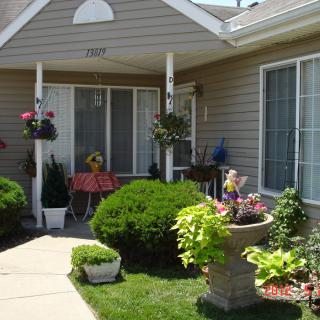


 Comprehensive Insights into Activities of Daily Living (ADLs) and Their Assessment
 Guiding Elderly Parents Who Refuse Assisted Living: 6 Practical Steps
 Your Comprehensive Guide to Luxury Assisted Living: Elevated Facilities, Amenities, and Costs