
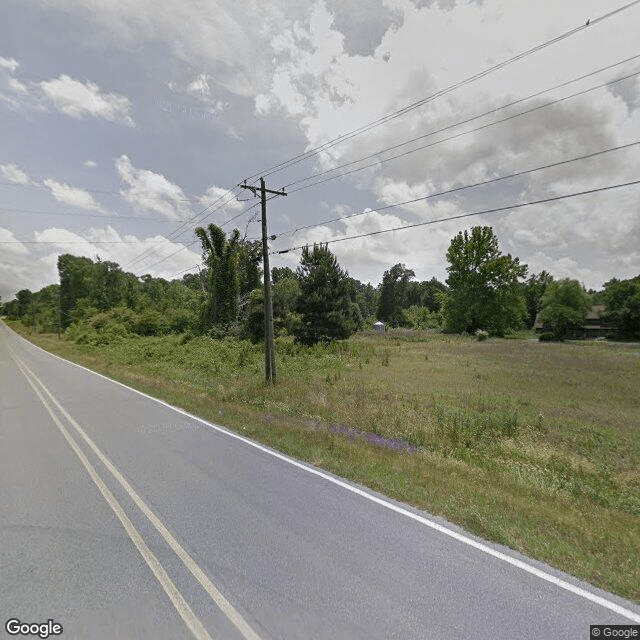
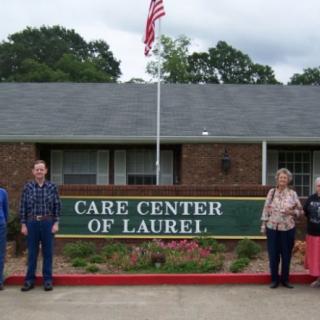
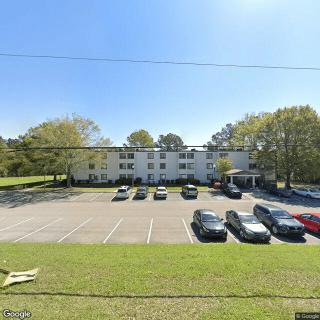
354 Trace Rd, Laurel, MS 39443
To contact a resident: (601) 425-5599
For more information about senior living options: (866) 208-4318

Extra Care Costs & Pricing
When evaluating the costs associated with Extra Care services, there are notable differences across counties and states. In Wayne County, Mississippi, the monthly expenses for a semi-private room are priced at $2,100, significantly lower than the Extra Care rate of $2,400. Meanwhile, private accommodations in Wayne County also provide a more affordable option at $2,367 compared to the Extra Care cost of $3,000. However, in contrast to these local rates, Mississippi's pricing for similar room types tends to be higher; for example, a semi-private room incurs a charge of $3,189 and a private room reaches $3,581. For those interested in one-bedroom options within the framework of Extra Care services, the cost is set at $3,400 - slightly higher than the state average of $3,416 but competitive when compared to Wayne County's rate of $3,065. Overall, while Extra Care presents various pricing structures depending on location and room type, it remains crucial for potential residents and their families to consider both quality and affordability when making decisions about care options.
| Floor plans | Extra Care | Wayne County | Mississippi |
|---|---|---|---|
| Semi-Private | $2,400 | $2,100 | $3,189 |
| Private | $3,000 | $2,367 | $3,581 |
| 1 Bedroom | $3,400 | $3,065 | $3,416 |
Overall Review of Extra Care
Pros
 The administrator and staff are very nice, knowledgeable, and helpful.
- They are very well educated and trained.
- The care home feels warm, homey, and cozy, with residents smiling and at ease.
- Residents can socialize and enjoy activities like checkers.
- Each room has its own fireplace, a personal bathroom, and is spacious and cozy.
- The care team goes above and beyond to provide excellent care.
- Residents are cared for with genuine love and attention.
Cons
 They felt Extra Care did not offer services as indicated and was inconsistent with what it offered.
- The manager was not friendly, while the other staff were.
- The staff consisted of aides, not CNAs, with only one exception.
- The RN was available only three days a week, not five.
- The house was old and not inviting.
- It could use a total interior makeover.
- The manager had no medical training and made the decisions about when to call the RN.
Review
Extra Care in Laurel, MS is best suited for families seeking a warm, home-like personal care setting for loved ones with memory impairment who value daily social engagement, genuine warmth, and highly attentive caregiving. The community consistently earns praise for a residence-like atmosphere where residents feel comfortable, engaged, and cared for. Reviewers repeatedly describe a setting that feels welcoming and familiar, with staff who know residents well, participate in simple activities, and create moments of normalcy, like shared games or friendly conversation, that can make the transition easier on dementia patients. For families prioritizing comfort, dignity, and personal attention, this is a compelling option.
Those who may want to consider alternatives are families needing more pointed clinical oversight or a facility with a clearly modernized interior. A notable concern in the feedback is the inconsistency some families perceive around the level of medical support and staffing. One reviewer flagged limited RN availability and reliance on aides, with the implication that more serious medical needs could require a different setting. Another note points to an older facility and questions about medical training at the management level. For residents who require daily, on-site nursing supervision or a consistently formal medical program, these gaps could be meaningful.
The strongest advantages here are the emotional and relational gains: a homey environment, spotless cleanliness, and an atmosphere where residents appear to be genuinely cared for and loved. Several accounts highlight the administrator’s warmth and the staff’s accessibility, with families recounting help navigating paperwork and even government funding options. The personal touches, private rooms that feel like living spaces, and a culture of resident interaction, offset some logistical limitations by delivering steady companionship, dignity in routine, and a sense of belonging that is often missing in more clinical settings.
Nonetheless, the cons carry weight in decision-making. The most persistent objections revolve around staffing structure and the degree of medical oversight. While many workers are described as knowledgeable and attentive, a portion of the feedback raises questions about CNA versus non-CNA staffing, and about how often a registered nurse is available on-site. The age of the building and the hands-on management style also factor into the impression of long-term viability for residents who may eventually require higher levels of medical intervention. For families prioritizing a consistently clinical, 24/7 medical footprint, these points argue for looking at other communities.
A practical decision framework helps families weigh options. First, verify the actual on-site nursing presence, how many days per week, and what levels of care are provided on evenings and weekends. Second, request a current care plan and a tour focused on dementia programming, safety features, and daily activity schedules to see how the home-like environment translates into meaningful routines. Third, probe the administrator’s experience with medical emergencies and the process for escalating care, while confirming eligibility and access to funding resources that were highlighted in testimonials. Finally, compare overall costs and the emotional fit, the extent to which a loved one will feel valued, respected, and engaged day in and day out.
In the end, Extra Care stands out as a strong choice for families seeking a compassionate, home-forward setting where a loved one with dementia can thrive on familiarity, warmth, and personal attention. The core message is clear: the environment and the people matter as much as the services offered. For those who prize a “home away from home” ethos and can work within the bounds of a facility with workable, but not exhaustive, clinical backup, the positives far outweigh the drawbacks. For families requiring unwavering 24/7 medical staffing or a completely modernized interior, it pays to review alternatives with a sharper clinical emphasis before deciding.
 Board and Care Home
 Day Program
 Memory Care
 Cats allowed
 Dogs allowed
 Bath tubs
 Devotional services off-site
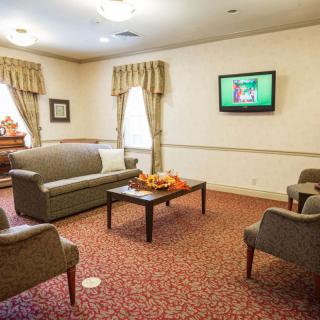
 Indoor common areas
 Outdoor common areas
 Private
 Private bathrooms
 Respite or short term stays offered
 Hattiesburg-Laurel Regional (23 miles away)
 Ambulatory care
 Diabetic care
 Incontinence care
 Kosher


 Comprehending Evening Confusion in Dementia: Causes, Manifestations, and Support
 Delirium and Dementia: Unraveling the Key Differences
 Are Dementia and Alzheimer's Disease Lethal? A Comprehensive Exploration