Stat Manor

Save
Stat Manor

Stat Manor

806 S 16th Ave, Laurel, MS 39440

For more information about senior living options: (844) 490-3973

4.4 from 14 reviews
5 stars
9
4 stars
3
3 stars
1
2 stars
0
1 stars
1

Assisted Living

What level of care are you interested in?

Assisted Living

Memory Care

Independent Living

Skilled Nursing Facility

Continuing Care Retirement Community (CCRC)CCRC

Other


Request a tour at Stat Manor

    Overall Review of Stat Manor

    Pros

    • pro Nurse Alexis Boney is great, the best nurse in the state for sure.
    • pro Nurse Alexis Boney provides A1 CARE to her patients.
    • pro The staff is loving.
    • pro The facility is a nice place.

    Cons

    • pro He had dried food all over his face.
    • pro He had been dumped out and left alone for a while.
    • pro He developed an infection that progressed to MRSA, pneumonia, and ketoacidosis with his blood sugar so high the monitor couldn't read it.
    • pro His sister, a retired nurse, begged for a week to check him out as he was sick.

    Review

    Two very different impressions come through from the same care setting, painting a complex picture of what can happen in a facility that houses and cares for loved ones. On one hand, there is a glowing tribute to a single caregiver who stood out in a sea of ordinary daily duties. On the other hand, there is a stark account of neglect and a frightening medical deterioration that left a family member vulnerable and distressed. Taken together, the notes reveal both warmth and worry, suggesting that experiences there can be deeply uneven, depending on who is involved and when.

    The praise centers on Nurse Alexis Boney, who is described as great - indeed, "the best nurse in the state for sure." The reviewer emphasizes that during their great aunt's time in her care, Boney provided what they call "A1 CARE." This level of attention and commitment stands out as a beacon of what good nursing can look like in a long-term care setting: vigilant, compassionate, and focused on the person in front of you rather than just the routine of care. The reviewer strains to acknowledge that kind of dedication, suggesting that Alexis Boney made a meaningful difference in the experience of a patient who needed regular, attentive nursing. The phrase "A1 CARE" is not just a casual compliment; it signals a standard of excellence that the reviewer associates with Boney's bedside manner, timing, and responsiveness. The sentiment is reinforced by a general note that the staff, in this context, were loving people, conveying warmth and kindness in their daily interactions.

    Alongside that praise, there is a sense of gratitude and satisfaction with the overall atmosphere of the facility. The reviewer uses words like "Great" and "Loving ppl there" and includes an emoji that conveys affection and approval. Taken at face value, these lines imply that, in this account, the environment was supportive and the staff appeared kind, approachable, and caring. It's the kind of sentiment that families want to feel when they entrust a loved one to a facility - an overall sense that the place is a community where people look out for one another and where care goes beyond medications and routines to include genuine human connection.

    But the other review introduces an entirely different, more troubling narrative. It starts with a vivid image: arriving ten minutes early and finding that the patient had been "dumped out and left alone for awhile," a scene that instantly raises concerns about supervision and the consistency of monitoring. The account emphasizes a lack of cleanliness, describing dried food on the patient's face, a detail so stark it caused the reviewer to burst into tears. This moment captures a fear all too common among families: that basic hygiene and attention to the person's dignity might be neglected during certain shifts or in certain circumstances. The emotional weight of this encounter underscores why families worry about not only medical outcomes but also the day-to-day humanness of care.

    What follows is a troubling chain of events that intensifies the concern. The reviewer notes that their sister, a retired nurse, begged for a week to check him out as he was sick, implying a sense of urgency and a perceived barrier to timely, adequate evaluation. The narrative then escalates into a medical crisis: an infection severe enough to progress to what the reviewer terms MRSI (a detail that could be a misprint for MRSA or another infection), followed by pneumonia and ketoacidosis - a dangerous combination that reflects multiple, potentially preventable complications. The blood sugar level is described as so high that the monitoring equipment could not read it, a detail that compounds the fear and the sense that critical symptoms were not identified or addressed promptly. The account ends on a note that, despite the severity of the situation, there is a brief, almost flippant line of sentiment - "nice place" - which juxtaposes starkly with the severity of the medical events described and hints at a conflicted overall impression.

    Taken together, these accounts reveal a facility where care can be exceptional under the right circumstances but can also fall short in ways that are deeply distressing to families. The praise for Alexis Boney suggests that there are individual caregivers who embody outstanding professional standards, warmth, and a genuine commitment to those in their care. This aligns with what many families hope to find: a nurse who can reliably notice when something is off, respond with timely attention, and provide reassurance to anxious relatives. It also hints at a broader culture where compassionate care is possible and valued, at least in certain moments and with certain staff members.

    Conversely, the negative experience underscores serious red flags that a family member must be mindful of when evaluating a care facility. The combination of prolonged neglect (left alone for an extended period), unaddressed hygiene concerns (a patient with dried food on the face), and a delayed or insufficient response to illness culminating in a severe infection and metabolic crisis speaks to issues of supervision, communication, and prompt medical intervention. The reviewer's insistence that their sister, with nursing experience, had to push for a proper check or removal indicates perceived barriers to timely care and advocacy. The contrast between the two accounts - exemplary advocacy from a single nurse and alarming lapses in routine care - suggests that outcomes may hinge on which staff member is on duty, the time of day, or the specific shift, rather than a uniformly high standard across the facility.

    What these reviews collectively illustrate is the complex reality many families face when navigating care facilities. There can be standout professionals who exemplify the best of nursing care and who leave a lasting, positive impression on patients and families. At the same time, systemic or situational problems - oversight gaps, cleanliness issues, and delays in recognizing and responding to evolving medical problems - can create dangerous situations that erode trust and safety. For families evaluating this facility, the takeaway is multifaceted: seek out and document interactions with caregivers like Alexis Boney, request consistency in staffing, and actively follow up on hygiene, supervision, and responsiveness to illness. It is also wise to engage administrative leadership, request clear escalation protocols for medical concerns, and seek second opinions promptly if there are signs that a patient's health status is deteriorating.

    Ultimately, these perspectives together emphasize a fundamental truth about long-term care: it thrives on the dedication and competence of individual caregivers as well as on robust, system-wide practices that ensure consistent, safe, and dignified care for every resident. The best care can coexist with serious lapses, and the challenge for families and facility leadership alike is to elevate the positive, replicate the conditions that allow compassionate nurses to shine, and rigorously address the shortcomings that put people at risk.

    Features

    Types of Care

    • Assisted Living Assisted LivingAssisted living facilities provide crucial support and care for seniors who may need help with daily tasks such as medication management, bathing, and meal preparation. These communities offer a safe and comfortable environment where seniors can maintain their independence while receiving the assistance they need to thrive in their golden years.

    Amenities

    • Activities on-site Activities on-siteActivities on-site are important for seniors because they provide opportunities for socialization, mental stimulation, physical activity, and overall well-being. Engaging in activities can help seniors stay active, maintain their independence, and improve their quality of life.
    • Devotional services off-site Devotional services off-siteDevotional services off-site are important for seniors as they provide spiritual nourishment, social engagement, and a sense of community outside of the senior living facility. This can enhance overall well-being and help combat feelings of isolation and loneliness often experienced by older adults.
    • Indoor common areas Indoor common areasIndoor common areas are crucial for seniors as they provide a space for socialization, recreation, and community engagement, promoting overall well-being and reducing feelings of isolation and loneliness.

    Transportation

    • Hattiesburg-Laurel Regional (18 miles away) Hattiesburg-Laurel Regional (18 miles away)

    Care Services

    • Ambulatory care Ambulatory care"Ambulatory care services provide essential medical support and treatment to seniors without requiring hospitalization, allowing them to maintain their independence and quality of life while managing chronic conditions or receiving routine medical care."
    • Diabetic care Diabetic careDiabetic care is crucial for seniors as they are more susceptible to developing diabetes due to aging and other health conditions. Proper management of diabetes can help prevent complications such as heart disease, vision loss, and nerve damage, improving the overall quality of life for seniors in senior living communities.

    Dining

    • Meals provided Meals provided"Meals provided" are crucial for seniors in assisted living communities as it ensures they have access to nutritious, balanced meals without the stress of meal planning and preparation. This can help promote overall health and well-being for seniors who may have limited mobility or cognitive abilities.

    Activities

    • Activities on-site Activities on-siteActivities on-site are important for seniors because they provide opportunities for socialization, mental stimulation, physical activity, and overall well-being. Engaging in activities can help seniors stay active, maintain their independence, and improve their quality of life.
    • Devotional activities offsite Devotional activities offsiteDevotional activities offsite are important for seniors because they provide social engagement, spiritual growth, and a sense of community outside of their living environment. This can improve overall well-being, mental health, and combat feelings of isolation or loneliness.

    Description

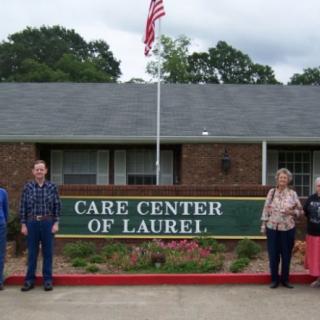
    Stat Manor is an assisted living community located in Laurel, MS. Our community offers a range of amenities to enhance the comfort and well-being of our residents.

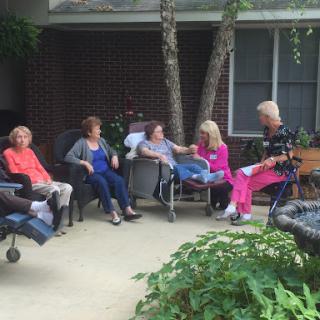
    For those seeking spiritual support, we provide devotional services off-site, allowing residents to connect with their faith in a peaceful and nurturing environment. Our indoor common areas are designed to promote social interaction and relaxation, providing a welcoming space for residents to gather and enjoy each other's company.

    At Stat Manor, we understand the importance of specialized care for individuals with diabetes. That's why we offer diabetic care services, ensuring that our residents receive the support they need to manage their condition effectively.

    We also believe in fostering an active and engaging lifestyle for our residents. Through devotional activities offsite, we provide opportunities for spiritual growth and engagement beyond our community's walls.

    In addition to these amenities, our location offers convenience and accessibility. With eleven physicians nearby, residents have easy access to medical care from trusted professionals. There are also fourteen restaurants in close proximity, offering a variety of dining options for residents and their families. For those seeking worship or spiritual connections within their community, there are also eleven places of worship nearby.

    At Stat Manor, we strive to provide a vibrant and supportive assisted living community that meets the unique needs of each resident. We invite you to experience the comfort and care that sets us apart.

    Nearby Places of Interest

    The area of Laurel, Mississippi, where these amenities are located appears to offer a mix of religious institutions, medical services, dining options, transportation resources, pharmacies, and cafes within a reasonable distance. The presence of various places of worship could provide seniors with opportunities for spiritual fulfillment and community involvement. Access to physicians and pharmacies indicates that there are medical services readily available in the area. The availability of different restaurants and cafes offers convenient dining options for seniors looking to enjoy a meal out. Transportation services such as U-Haul and B&B Rides may be beneficial for seniors who require assistance getting around. Overall, this part of Laurel seems to offer a range of essential services that could support a comfortable lifestyle for seniors considering living in the area.

    Places of Worship

    • I Am That I Am International Church (0.3 miles)
    • Solid Rock Missionary Baptist Church (0.6 miles)
    • Laurel Bresee Nazarene Church (0.9 miles)
    • Journey Church (1.3 miles)
    • Agaprechurch Agaprechurch (1.3 miles)
    • Southern Baptist Convention (1.7 miles)
    • General Conference Of Seventh-Day Adventists (1.9 miles)

    Physicians

    • Cosmetic & Plastic Surg Center (0.5 miles)
    • Laurel Bone & Joint Clinic PA (0.5 miles)
    • Laurel Family Clinic (0.5 miles)
    • D Ross Ward MD (0.5 miles)
    • Hattiesburg Clinic Dermatology (0.5 miles)
    • South Central Dermatology Clinic (0.5 miles)
    • Mea Medical Clinics (0.5 miles)

    Restaurants

    • Waffle House (0.5 miles)
    • Bosun Joe (1.1 miles)
    • McAlister's Deli (1.1 miles)
    • Fins Fresh Seafood and Poboys (1.2 miles)
    • The Alamo Bar & Grill (1.3 miles)
    • Blue Crab Grill (1.3 miles)
    • Chinatown Restaurant (1.3 miles)

    Transportation

    • U-Haul (5.3 miles)
    • B&B Rides and Delivery (15 miles)

    Pharmacies

    • Walgreens (5.8 miles)
    • Ellisville Drug (5.8 miles)
    • Jones County Professional Drug (5.8 miles)
    • Fred's Pharmacy (19.6 miles)
    • Standard Drug Store (22.7 miles)
    • Walmart Pharmacy (23.2 miles)
    • Park Place Pharmacy (23.3 miles)

    Cafes

    • Gotta Go Cafe (20.3 miles)

    Frequently Asked Questions

    Where is Stat Manor?

    Nearby Communities

    Assisted Living in Nearby Cities

    Related Resources

    • how to pay for assisted livingFunding and Affording Assisted Living: A Thorough Overview

      Assisted living facilities provide support for older adults needing help with daily activities without extensive medical care, but their costs can be high and vary by location and services offered. Families often seek various funding options and financial strategies to manage these expenses effectively while considering future needs and potential price increases.

    • assisted living insuranceAssisted Living Expenses and Long-Term Care Insurance: A Comprehensive Exploration

      The article discusses assisted living expenses, the importance of long-term care insurance in covering these costs, and various financing options, highlighting the need for careful policy review and early planning to address potential needs. It also clarifies common misconceptions about Medicare and private health insurance limitations regarding long-term care coverage.

    • how to pay for assisted livingSecuring Financial Support for Assisted Living: A Comprehensive Overview

      Assisted living facilities offer crucial support for older adults needing help with daily activities but come with varying and significant costs, which can be financed through personal savings, government assistance programs, long-term care insurance, and home equity options. Professional guidance from experts can aid families in navigating these financial complexities to establish a sustainable budgeting approach for assisted living services.


    Get Pricing Ask A Question Schedule A Tour Contact Senior Advisor