
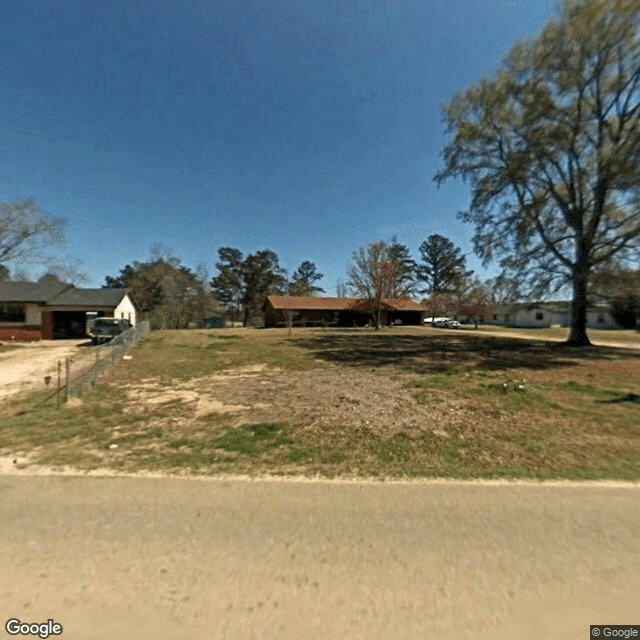
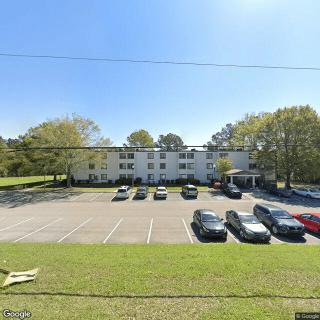
12 Victory Road, Laurel, MS 39443
To contact a resident: (601) 342-2502
For more information about senior living options: (866) 208-4318
Overall Review of Guardian Angels, LLC
Pros
 Guardian Angels is regarded by the reviewer as the best in its area.
- The staff at Guardian Angels have good relationships with residents and their families.
- Residents at Guardian Angels are cared for and loved by the staff.
- The staff at Guardian Angels are described as the most caring and loving group for the residents.
- Issues at Guardian Angels are addressed promptly and professionally by the owners.
- Guardian Angels provides families with peace of mind, thanks to ongoing updates and reassurance about their loved ones.
Cons
 The reviewer states that over two years the facility had issue after issue, including medications not being given and residents left sitting soaking wet.
- The reviewer alleges the owner avoids meetings and communicates problems only through long text messages, which they view as unprofessional.
- The reviewer claims the hospice services pushed by the facility led to resident harm, including hospitalizations and dehydration from the care provided.
- The reviewer reports occurrences of medications not being administered correctly or being combined improperly, with concerns reported to health authorities.
- The reviewer accuses the facility of prioritizing money over residents, describing them as dollars to the owner.
- The reviewer says a 30-day notice contract forced payment before moving a resident, despite ongoing problems.
- The reviewer notes that camera footage was reportedly not available when requested.
Review
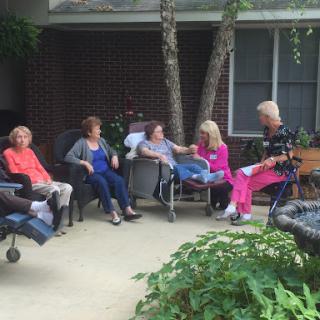
Guardian Angels in Laurel, MS is best suited for families seeking a small, intimate personal-care setting where caregivers build real relationships with residents and keep families closely informed. The environment rewards daily engagement, familiar routines, and a palpable sense of warmth from staff who know the residents’ likes, dislikes, and evolving needs. This is a fit for seniors who respond well to consistent attention, enjoy a homey atmosphere, and value ongoing accessibility to the caregiving team. Families comfortable with a locally owned operation, and willing to stay actively involved in care planning, will usually feel their loved ones are treated with genuine concern and personal attention.
Those who may want to consider alternatives are those with high medical complexity or strict requirements around medical governance. Several accounts describe lapses in medication administration and hydration that led to hospital visits, which is a nontrivial risk for residents with fragile health or complex regimens. The place operates with a 30-day notice contract, which can complicate moves and create financial and logistical hurdles during transitions. For families requiring formalized, policy-driven approaches to safety, documentation, and escalation, and a more predictable governance framework, exploring other options with stronger procedural clarity would be wise.
On the upside, the strongest pro is the relational core: staff who residents and families describe as loving, trustworthy, and deeply engaged. The day-to-day care feels personal, with caregivers who know residents’ routines and preferences, and with families receiving regular, reassuring updates about their loved ones. Hospice coordination appears to be a welcomed feature in practice, with communication from hospice professionals helping families stay in the loop about status and care plans. In short, the setting fosters a sense of security and belonging that many families value when selecting a long-term home.
The principal drawbacks center on safety and consistency of medical care. Reported medication misses, dosing errors, and hydration problems are significant red flags for anyone with ongoing health needs, and they counterbalance the otherwise strong relational advantages. Communication gaps with ownership, perceived as long, non-collaborative messages rather than open, proactive dialogue, can erode trust at critical moments. The contractual obligations and questions about the reliability of certain monitored systems also deserve careful scrutiny. These factors do not erase the positive, person-centered culture, but they do limit how universal the facility’s appeal can be.
Still, the positives can outweigh the negatives when the fit is right. For families prioritizing a warm, home-like atmosphere and truly attentive caregivers, Guardian Angels delivers a level of daily connection that larger campuses often struggle to maintain. If a resident thrives on routine, personal recognition, and easy access to the care team, the upside is substantial. The ongoing involvement of families, and the documented willingness of the owners to address issues professionally, can provide essential reassurance as long as care goals align with the facility’s strengths and risk factors are actively managed.
Decision-makers should proceed with a practical, no-surprises diligence plan. Request a candid tour focused on medication handling, administration workflows, and how changes in a resident’s condition are tracked and communicated. Ask to meet the caregiving team and to review any incident and corrective-action logs. Verify that monitoring systems are functioning as claimed and clarify access to camera footage if long-distance oversight is important. Review the resident agreement carefully, confirming what happens if needs intensify or if changes in care direction are required. Guardian Angels is a compelling option for families who prize warmth and hands-on, relationship-driven care; for those who require stringent medical governance and flexible exit terms, compare carefully with other nearby options before committing.
 Board and Care Home
 Hattiesburg-Laurel Regional (20 miles away)



 A Detailed Examination of Nursing Home Costs Across the U.S.
 Exploring Nonmedical Home Care: Understanding Services, Costs, and Financial Approaches
 Engaging Brain Games and Innovative Apps to Keep Senior Minds Active