



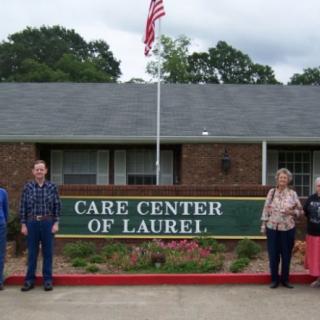
1100 West Drive, Laurel, MS 39440
For more information about senior living options: (866) 208-4318
Overall Review of Comfort Care Nursing Center
Pros
 The home and most of their staff are phenomenal.
- They are wonderful down there.
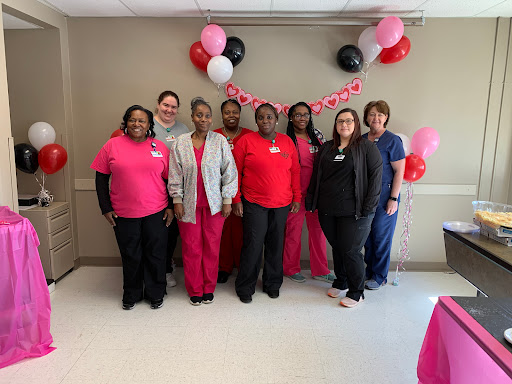
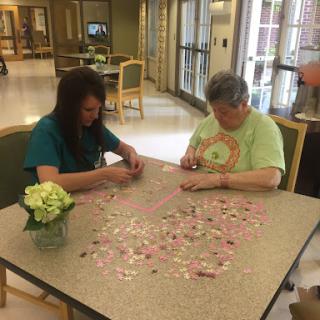
- The staff are kind to residents and go beyond their duties to help them.
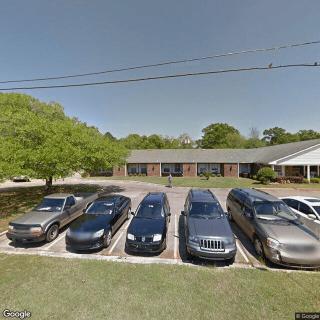
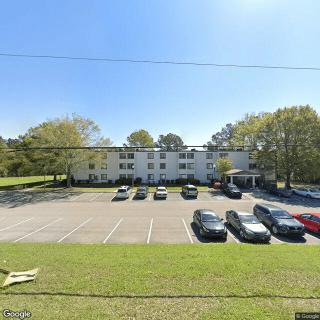
- The facility is very clean, with no odor, and neatly maintained.
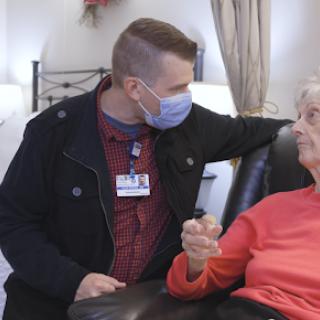
- The nurses are attentive, and the facility is clean and pleasant.
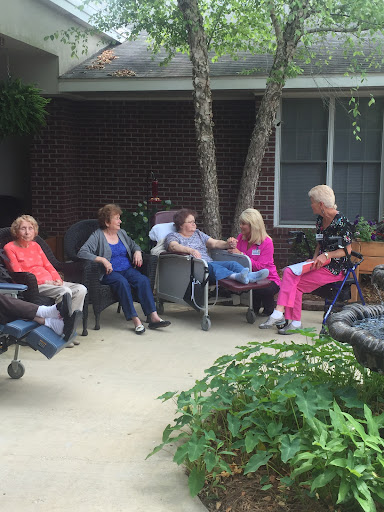
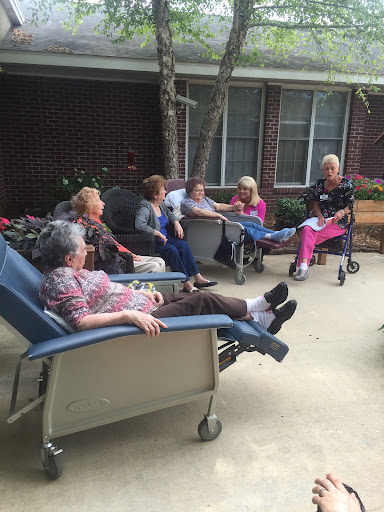
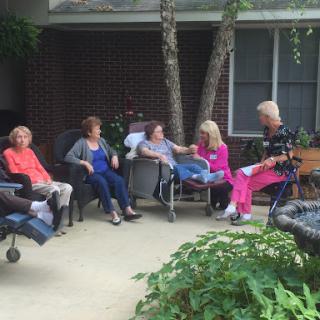
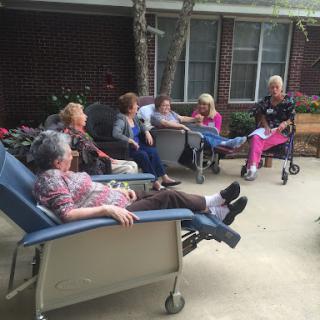
- The facility has a nice patio and yard area.
- It is a great place for loved ones who can no longer care for themselves, if they can afford private nursing.
Cons
 The facility is not equipped to care for an Alzheimer’s patient and lacks enough staff for that level of care.
- The management is loud and harsh toward nurses in front of others, signaling poor leadership.
- The management’s behavior has caused nurses to cry, indicating a toxic work environment.
- The staff neglect residents’ basic needs (e.g., bathing and turning) leading to bedsores.
- Residents become lethargic and depressed, possibly medicated to submission.
- Staff gossip about residents, which is unprofessional.
- Valuables kept in rooms often go missing, showing poor security.
Review
Comfort Care Nursing Center in Laurel, MS is best suited for seniors who need routine daily assistance, straightforward nursing oversight, and a clean, pleasant environment, but who do not require specialized memory-care or around-the-clock physician presence. It works reasonably well for families that can partner with outside help or private-duty staff to bridge care gaps, and for residents who value a neat, well-kept setting with attentive daytime interaction. In short, it serves well as a practical, entry-level option for those navigating mid-range needs rather than advanced dementia or highly complex medical conditions.
Care seekers should also be aware that this community may not fit those with significant Alzheimer’s or dementia care requirements. Several reviews flag the lack of sufficient staffing to manage memory-related behaviors, and the facility’s resources appear stretched when complex cognitive issues are present. Families should seriously weigh the mismatch between expectation and capability for memory care, as the available staff and systems at times struggle to deliver the level of attention that Alzheimer’s residents typically demand. Those evaluating options for a loved one with escalating cognitive needs should consider alternatives with dedicated memory-care units and higher staffing ratios focused on dementia care.
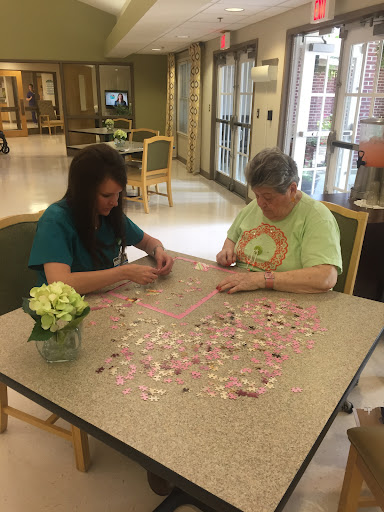
On the upside, there are meaningful, practical strengths. A number of reviewers highlight a consistently clean facility with a pleasant atmosphere and an engaging staff in daily interactions. The nursing team is described as attentive and responsive, and the environment includes thoughtful touches like outdoor spaces that contribute to resident comfort. When staff are present and engaged, residents receive considerate care and the facility functions smoothly on routine days, which can translate into a dependable daily rhythm for families seeking predictable support.
However, the main cons carry substantial weight in decision-making. Leadership concerns surface repeatedly, with reports of harsh, public-facing management style that unsettles frontline staff and raises questions about long-term morale and retention. These dynamics can translate into inconsistent care experiences, especially during busy shifts or when staffing is tight. Additional red flags include the absence of full-time physician coverage, mixed experiences with medical oversight, and allegations of missed or delayed symptom recognition that can have serious consequences. The perceived vulnerability around medication management, potential neglect in some episodes, and issues with valuables in resident rooms further compound risk considerations for families weighing options.
For families contemplating this center, several practical steps can clarify suitability. Schedule a comprehensive tour with leadership to discuss staffing patterns, memory-care capabilities, and physician on-site availability. Interview the director of nursing and observe how staff interact with residents during meals, activities, and routine care. Request specifics on staff-to-resident ratios by shift, how behavioral concerns are managed, and what happens when urgent medical attention is needed. Ask for recent activity programming details to gauge social engagement, and probe how family communications are handled, how concerns are escalated and how promptly updates are provided. Finally, compare pricing and consider whether supplementing care with private-duty assistance is financially viable, since many families report the strongest value when external care is part of the plan.
The bottom-line verdict is clear: Comfort Care Nursing Center represents a pragmatic option for families prioritizing a clean, friendly setting and reliable day-to-day care, provided expectations are aligned with what the facility can reliably deliver. For residents with moderate needs but no significant memory challenges, the pros, cleanliness, attentive staff on many shifts, and a pleasant environment, can offset some drawbacks. Yet for those requiring robust memory-care infrastructure, continuous physician oversight, and stable leadership, this center falls short. Alternatives with dedicated dementia care programs, stronger medical integration, and proven leadership stability will likely deliver greater peace of mind and fewer safety concerns.
In sum, this community earns its place as a practical choice for certain seniors and families who can compensate for gaps with external care and who prize a tidy, approachable setting. It is not the best fit for Alzheimer’s or high-acuity medical needs, where the risk profile and staffing realities suggest seeking a facility with specialized memory care, guaranteed physician presence, and a proven track record of steady leadership. The informed decision hinges on aligning resident needs with the facility’s demonstrated strengths while acknowledging the significant caveats that accompany care gaps and management concerns.
 126 resident community capacity
 Skilled Nursing Facility
 Air-conditioning
 Beauty salon
 Cable or satellite TV
 Computer center
 Dining room
 Fitness room
 Fully furnished
 Gaming room
 Garden
 Housekeeping services
 Kitchenette
 Move-in coordination
 Outdoor space
 Private bathrooms
 Restaurant-style dining
 Small library
 Telephone
 Wellness center
 Wi-Fi/high-speed internet available
 Hattiesburg-Laurel Regional (18 miles away)
 Community operated transportation
 12-16 hour nursing
 24-hour call system
 Activities of daily living assistance
 Assistance with bathing
 Assistance with dressing
 Assistance with transfers
 Diabetes diet
 Medication management
 Mental wellness program
 Special dietary restrictions
 Concierge services
 Planned day trips



 Understanding Hospice Care at Home: Comprehensive Services, Key Benefits, and Eligibility
 Understanding the Full Cost of 24/7 In-Home Care: A Detailed Overview
 Exploring the World of Home Health Nurses: Qualifications, Roles, and Hiring Tips