

935 West Drive, Laurel, MS 39440
For more information about senior living options: (866) 208-4318
Overall Review of Care Center Of Laurel
Pros
 They are friendly and welcoming, and they take great care of residents.
- The secure entrance reassures families that their loved ones are safe.
- The staff are attentive and explain the care plans clearly.
- They keep the rooms nice and comfortable, and residents feel well cared for.
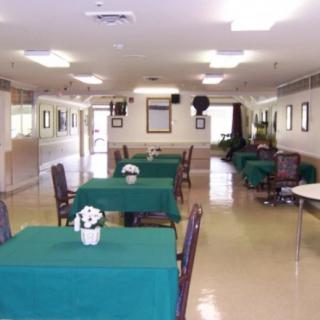
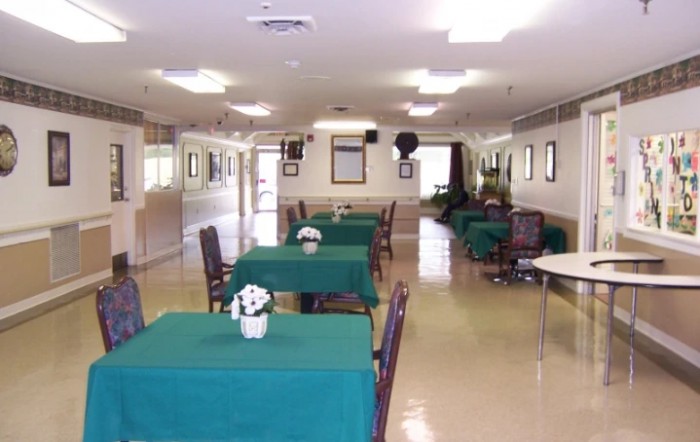
- The dining area is clean and well maintained.
- The facility is very clean, organized, and the staff are pleasant and helpful.
- Management and staff are professional, polite, and extremely helpful.
- The rehabilitation team is effective and compassionate.
Cons
 The staff talked to employees as if they were dogs, were rude and very disrespectful, and were only interested in money.
- The grandmother was transported without oxygen twice.
- A wire was found in her food.
- Most of the nurses could care less.
- She had to remind the staff to refill her oxygen tank at every visit.
- They want only money and they falsified records on patients' care and treatments.
- The reviewer would not recommend the facility.
- Some requests were not responded to in a timely manner.
- The environment was described as stinking 24/7.
Review
Care Center Of Laurel in Laurel, MS is best suited for seniors who place a premium on a welcoming atmosphere, safety, and a robust rehabilitation program. The community seems especially well aligned with residents who require regular PT/OT, appreciate clean, well-kept spaces, and value staff who are accessible and personable. Families drawn to a facility with strong social activity options and a daily cadence of attentive care will likely find this center a natural fit. It is a practical choice for those who want a bright, tissue-soft transition into skilled nursing care with visible emphasis on recovery milestones and daily comfort.
Those who may want alternatives will want to proceed cautiously if care oversight or consistency is a paramount concern. A subset of reviewers raised red flags about care diplomacy and potential safety lapses, including allegations of neglect and falsified documentation from critics who are not satisfied with what they experienced. Families who require ironclad assurances about oxygen management, incident reporting, and staff accountability might prefer to compare with other facilities, or at minimum demand transparent conversations with leadership, a clear care plan, and direct access to state survey results before making a decision. In short, those needing uncompromising control over every care detail should keep options open.
On balance, the strongest positives here are compelling: a secure entrance that reinforces a sense of safety, consistently friendly and welcoming staff, and a rehabilitation program that many families credit with meaningful improvement. Multiple accounts praise how therapists explain care plans, how staff members listen and respond, and how clean, orderly dining and living spaces contribute to a sense of normalcy and dignity. The rehabilitation department in particular is highlighted as a driver of recovery, with stories of residents regaining function and leaving with a new-found confidence. Cleanliness, professional management, and a broadly positive resident-and-family experience emerge as durable strengths.
Yet the main cons, where they occur, cannot be ignored in decision-making. The most serious concerns center on perceived gaps in care accountability and safety, voiced by a few families who felt routine oversight, responsiveness, or ethical conduct did not meet expectations. The intensity of some objections about documentation, oxygen management, and even food safety allegations means any family evaluating this center should demand direct assurances: request a specific point of contact for care coordination, review the latest state inspections, and verify how safety incidents are tracked and addressed. Communication gaps occasionally noted in reviews suggest the need for proactive, frequent updates to families, not just periodic reports.
How the positives offset the concerns depends on priorities. For families prioritizing high-quality rehab outcomes, engaged therapy staff, and a supportive, sociable environment, the upside can outweigh the caveats. The center’s demonstrated ability to foster a welcoming atmosphere, coupled with visible attention to cleanliness and daily routines, can translate into tangible comfort and streamlined transitions for residents and visitors. However, this offset only holds if due diligence is performed: tours, conversations with the rehab team, review of care plans, and a candid discussion about incident history should become nonnegotiables before commitment.
Practical steps to decide smartly: arrange a comprehensive tour during different times of day to observe staff-resident interactions; request to meet the director of rehab and the charge nurse; review the most recent state inspections and any corrective action plans; ask to see the current care plan for a typical resident and how progress is tracked; inquire about oxygen and vital-monitoring protocols, incident reporting, and how concerns are escalated. Speak with several residents and families currently connected with the facility to gauge consistency of care beyond the surface positives. If after this process the comfort level remains high for rehab-focused goals and a welcoming environment, the Care Center Of Laurel stands up as a solid choice. If not, there are prudent alternatives worth comparing to ensure the ultimate decision aligns with safety, transparency, and uncompromised care.
 120 resident community capacity
 Skilled Nursing Facility
 Air-conditioning
 Beauty salon
 Cable or satellite TV
 Computer center
 Dining room
 Fitness room
 Fully furnished
 Gaming room
 Garden
 Housekeeping services
 Kitchenette
 Move-in coordination
 Outdoor space
 Private bathrooms
 Restaurant-style dining
 Small library
 Telephone
 Wellness center
 Wi-Fi/high-speed internet available
 Hattiesburg-Laurel Regional (18 miles away)
 Community operated transportation
 12-16 hour nursing
 24-hour call system
 Activities of daily living assistance
 Assistance with bathing
 Assistance with dressing
 Assistance with transfers
 Diabetes diet
 Medication management
 Mental wellness program
 Special dietary restrictions
 Concierge services
 Planned day trips






 Understanding Hospice Care at Home: Comprehensive Services, Key Benefits, and Eligibility
 Understanding the Full Cost of 24/7 In-Home Care: A Detailed Overview
 Exploring the World of Home Health Nurses: Qualifications, Roles, and Hiring Tips