
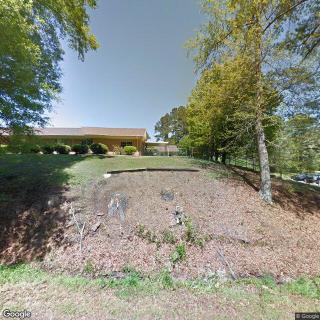
309 Magnolia Drive/Highway 35 South, Raleigh, MS 39153
For more information about senior living options: (866) 208-4318
Overall Review of Ms Care Center Of Raleigh
Pros
 The facility is top notch and worth the 45-minute drive due to the level of care and compassion shown to residents.
- Residents are patiently cared for and looked after.
- The memory care team is supportive of families during this adjustment to a new phase of life.
- The nurses are the best.
- The grandfather received exceptional care and was able to return home after his bypass surgery.
- The center is clean, easy to navigate, and the staff treat visitors with kindness and respect.
- The center has been highly recommended.
Cons
 They would give 0 stars if they could, stating the staff put on a good show and that they don't believe them.
- They still haven't figured out what the social worker there does.
Review
Ms Care Center Of Raleigh is best suited for families prioritizing high-caliber nursing care and genuine, attentive resident support in a memory-care setting, and for post-acute residents who may need to recover from surgery with a clear path back home. The center earns strong marks for its compassionate approach, clean surroundings, and navigable layout that reduces confusion for residents and visitors alike. It stands out as a reliable option for memory-care needs where families want experienced nursing staff and steady daily oversight, even if the journey through memory impairment remains challenging.
Those weighing alternatives should note that this community may not be ideal for families seeking a bustling activity calendar or a visibly transparent, highly defined social-work experience. While residents are cared for with kindness and professionalism, some reviewers have flagged a desire for more engagement opportunities and clearer articulation of the social worker’s role. For families whose priorities include constant stimulation, structured programming with frequent events, or a clearly demarcated, observable social-services function, exploring options with richer activity rosters or more explicit case management processes may be prudent.
The strongest positives here are concrete and compelling. Nursing staff are repeatedly praised as exceptional, and the overall clinical care is described as top-notch, with nurses and aides delivering patient, attentive supervision. The setting is clean and easy to navigate, which reduces stress during visits and transitions. Family members report that residents are consistently treated with kindness and respect, and that the center can accommodate both memory-care needs and short-term rehab goals, including getting residents safely back home after medical procedures. The combination of compassionate bedside care, clinical competency, and a facilitative environment creates a solid foundation for families facing tough decisions about memory care and post-acute recovery.
However, the main drawbacks merit serious consideration. Activity involvement is an area where expectations may not always align with reality, especially for residents at different stages of memory impairment. The memory-care season is described as tough, and while staff adapt to varying abilities, the cadence and variety of engagement opportunities may lag behind what some families hope to see. A notable caveat arises from commentary about the social-work function: one reviewer painted a stark picture of limited transparency and questioned the role itself, suggesting that appearances could mislead when it comes to planning and follow-through. This tension between perceived marketing and actual service delivery can color impression, even as day-to-day care remains solid.
In practical terms, the pros largely offset the cons for families prioritizing clinical excellence and consistent, compassionate care, especially for memory-care residents who value stability and a trustworthy care team. For those whose decision hinges on high activity levels or crystal-clear social-service accountability, the weight shifts: activities and case management quality become decisive factors. The center’s demonstrated strengths, nursing leadership, clean and navigable facilities, and dependable, respectful interactions, provide a compelling case for many, while the gaps in programming and social-work visibility counsel a cautious comparison with other options that foreground engagement and transparency.
A thoughtful decision plan centers on aligned thresholds for memory-care needs and rehab expectations. If memory-care stability, patient staff responsiveness, and reliable clinical oversight top the list, Ms Care Center Of Raleigh earns strong consideration. Prospective families should verify current activity programming and request a detailed calendar to gauge daily engagement opportunities. Direct conversations with nursing leadership and the social worker, and a tour that includes time with current residents’ families, will illuminate whether the social-services function matches expectations. Also advisable is a candid check of discharge planning processes for rehab scenarios to confirm a smooth, well-supported return home.
Ultimately, the choice should rest on whether the center’s core strengths fit the resident’s hardest needs. For memory-care residents who benefit from steady hands, patient routines, and respectful, compassionate care, the center stands out as a dependable option. For families prioritizing vibrant programming and transparent social-work coordination, alternatives with more robust activity schedules and clearer case-management pathways may offer a better fit. With careful vetting, visiting, meeting frontline staff, and reviewing program calendars, families can determine if Ms Care Center Of Raleigh will deliver the balance of care, consistency, and connection that best supports their loved one.
 121 resident community capacity
 Skilled Nursing Facility
 Air-conditioning
 Beauty salon
 Cable or satellite TV
 Computer center
 Dining room
 Fitness room
 Fully furnished
 Gaming room
 Garden
 Housekeeping services
 Kitchenette
 Move-in coordination
 Outdoor space
 Private bathrooms
 Restaurant-style dining
 Small library
 Telephone
 Wellness center
 Wi-Fi/high-speed internet available
 Community operated transportation
 12-16 hour nursing
 24-hour call system
 Activities of daily living assistance
 Assistance with bathing
 Assistance with dressing
 Assistance with transfers
 Diabetes diet
 Medication management
 Mental wellness program
 Special dietary restrictions
 Concierge services
 Planned day trips



 Understanding the Sandwich Generation: Stress and Responsibilities for Multigenerational Caregivers
 8 Essential Assistive Devices for Older Adults
 Navigating the Financial Road to Nursing Home Care: In-Depth Guidance and Resources