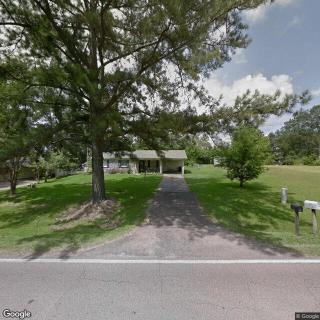
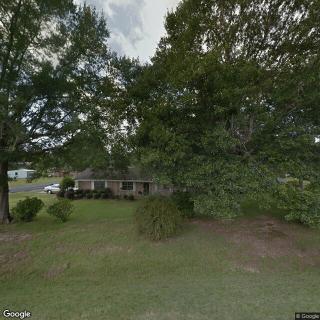
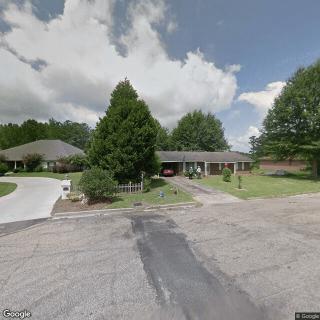
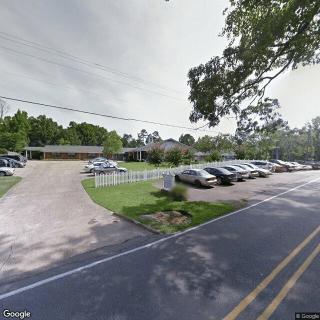
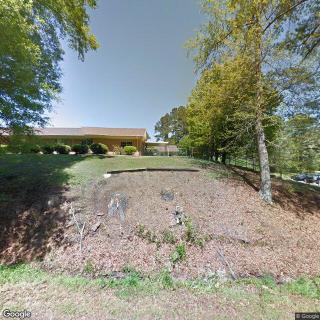
Hillcrest Nursing Center

1401 First Avenue Northeast, Magee, MS 39111

For more information about senior living options: (844) 490-3973

4.7 from 38 reviews
5 stars
32
4 stars
3
3 stars
1
2 stars
0
1 stars
2

Skilled Nursing Facility

Hillcrest Nursing Center Costs & Pricing

At Hillcrest Nursing Center, the cost of care reflects a competitive yet significant investment in quality services. For semi-private rooms, residents are charged $4,750 per month, which aligns with the rates observed across Smith County but considerably surpasses the average state rate of $3,189 in Mississippi. Similarly, for private accommodations, the monthly fee is set at $5,500 - again mirroring local county pricing while being notably higher than Mississippi's average of $3,581. These figures highlight Hillcrest's commitment to delivering specialized care and amenities that justify the elevated costs compared to broader state averages.

Floor plansHillcrest Nursing CenterSmith CountyMississippi
Semi-Private$4,750$4,750$3,189
Private$5,500$5,500$3,581

What level of care are you interested in?

Assisted Living

Memory Care

Independent Living

Skilled Nursing Facility

Continuing Care Retirement Community (CCRC)CCRC

Other


Request a tour at Hillcrest Nursing Center

    Overall Review of Hillcrest Nursing Center

    Pros

    • pro They had a wonderful experience; it was easy to use and very fast.
    • pro The environment is comforting, and the staff and residents are friendly.
    • pro The facility is very clean with no bad smells and there is plenty of help.
    • pro There was never a bad attitude, and the place smelled good.
    • pro The staff are amazing, very helpful, and there are always smiling faces.
    • pro A family member receives excellent care from the staff.
    • pro Their loved one is very happy and they love it; it's the best place.
    • pro The nurses and staff always have smiles on their faces.
    • pro The facility is nice, clean, and well staffed; the staff are friendly, observant, and knowledgeable.
    • pro Hillcrest is a great facility; workers seem kind and caring to residents and guests.

    Cons

    • pro Hillcrest is the nursing home from hell.
    • pro There was one nurse for twenty patients and the night nurse was the worst.
    • pro The staff would sit the resident in a wheelchair and park him at the nurses' desk by himself.
    • pro He fell out one night and bruised himself up.
    • pro He died at this nursing home, and it's really sad because no one cared about him.
    • pro They charged an arm and a leg while there weren't enough nurses to care for residents.

    Review

    Hillcrest Nursing Center draws a striking range of experiences from those who have visited or placed loved ones there. For many, the facility is described as clean, welcoming, and well organized, with comfortable decor, a steady flow of activities, and staff who appear friendly, helpful, and engaged. Several reviewers praise the environment: quiet but cheerful atmospheres, well-kept common areas, and a feeling that residents are cared for with attention and respect. Families recount warm interactions with aides, nurses, and therapists, and they appreciate services such as daily activities, church services, and a robust physical therapy program. The sense of community is highlighted by positive remarks about volunteers and visitors, and some reviewers note prompt communication from staff when care needs shift or family members want to be involved. One reviewer even mentions a specific church group that came to encourage the residents, underscoring a welcoming, encouraging atmosphere. In short, there is a consistent thread of praise for cleanliness, organized operations, and compassionate people who work at Hillcrest.

    Against those glowing impressions, however, stands a sobering counterpoint of serious concerns that some families attribute to chronic understaffing and gaps in daily care. A highly charged, strongly negative account opens with a determination that Hillcrest is "the nursing home from hell." The reviewer describes a grave mismatch between patient needs and available staff, claiming one nurse is responsible for up to twenty patients and detailing a night shift in which pain and distress were not promptly addressed. The narrative alleges systemic delays in giving medications, scenes of a resident in pain waiting for relief, and a request from a family member that the nurse proceed with treatment, only to be met with resistance. The account goes further to assert safety and dignity violations - placing a vulnerable person in a wheelchair by a nurse's desk and leaving him isolated, followed by a fall that resulted in injury. The reviewer asserts this culminated in the death of their father and paints a picture of an institution that did not treat him with the care and attention he deserved, all while charging high fees.

    Compounding the pain for some families are personal testimonies of neglect and harm that are stark and vivid. One long, heartbreaking account centers on a grandmother whose care deteriorated after changes in management. The reviewer claims widespread neglect, including soiled linens, feces, and urine in the room, problems with denture care, and misplacements involving the grandmother's dentures. They describe repeated, documented incidents of falls and medical mishaps, with photos and videos meant to prove a decline in mobility and overall well-being. The gravity of the experience is underscored by accusations that the patient never regained walking ability after a fall and that the care plan failed to prevent further deterioration. The emotional weight of these allegations is clear: the reviewer speaks of major neglect and documents a daily routine of lapses that they say were allowed to persist for a shocking period of time. The account ends with memories of daily visits and the stark contrast between what was promised and what was experienced.

    Other reviewers join in, echoing concerns about specific personnel and procedural gaps. A separate complaint targets pain management, with a patient recounting a nurse practitioner's decision-making authority as inadequate to acknowledge or respond to legitimate pain. The implication is that clinical judgment in those moments was overridden or dismissed, leaving the patient to endure unnecessary suffering. A different commenter recounts serious medical consequences - two legs amputated for a family member after what they describe as neglectful wound care - an allegation that underscores fears about the consequences of insufficient attention to wounds and post-operative needs. Taken together, these narratives emphasize that for some families Hillcrest represents a place where safety concerns, documentation gaps, and lapses in care can have devastating outcomes.

    Amid the more troubling memories, a few voices maintain a more balanced or cautiously positive stance. Some reviewers acknowledge excellent care in particular areas and commend staff for being attentive and kind, even if not all experiences were perfect. A recurring theme is the importance of good communication: being informed about a loved one's status, changes in care, and the logistics of admissions and therapy. The facility's decor and structured routines - holiday displays, organized check-ins, and welcoming entry experiences - are cited as elements that help residents feel comfortable. The presence of active programming, church services, and daily activities - together with praise for therapy and supportive staff - paints a picture of a place that, for many, actively fosters a sense of normalcy, community, and care.

    Overall, the landscape of reviews paints Hillcrest as a facility of stark contrasts. For some families, it is a place of cleanliness, warmth, and reliable day-to-day care, where staff are friendly, residents are engaged, and visiting feels welcome. For others, it is a site of serious neglect, inadequate staffing, and events that have led to lasting harm or tragedy for loved ones. The divergence in experiences underscores the complexity of long-term care within a single facility: what works well for one resident and family may fall woefully short for another. For anyone considering Hillcrest, the takeaways are clear enough to be careful and proactive: verify current staffing ratios and nurse availability, ask pointed questions about pain management and wound care, review recent care plans and documentation, and seek out current family testimonials to gauge how well the facility manages safety, comfort, and communication on a day-to-day basis.

    Features

    Housing

    • 120 resident community capacity 120 resident community capacity

    Types of Care

    • Skilled Nursing Facility Skilled Nursing FacilitySkilled Nursing Facilities are crucial for seniors as they provide round-the-clock medical care, rehabilitation services, and assistance with daily activities. These facilities ensure that seniors receive the specialized care they need to maintain their health and well-being as they age.

    Amenities

    • Air-conditioning Air-conditioningAir conditioning is important for seniors as they are more vulnerable to heat-related illnesses and may have underlying health conditions that make it difficult for them to regulate their body temperature. It helps to keep them comfortable, safe, and healthy in hot weather.
    • Beauty salon Beauty salonBeauty salons are important for seniors because they provide a space for them to feel pampered, socialize, and maintain their personal grooming and hygiene. Regular visits to a beauty salon can help boost seniors' self-esteem and overall well-being.
    • Cable or satellite TV Cable or satellite TVCable or satellite TV is important for seniors because it provides entertainment, news, and companionship, helping to combat loneliness and boredom. It also offers a wide range of programming options tailored to different interests and preferences.
    • Computer center Computer centerA computer center is essential for seniors as it provides access to technology, communication tools, and resources that can enhance their daily lives. It allows them to stay connected with loved ones, engage in online activities, and learn new skills, ultimately promoting socialization and mental stimulation.
    • Dining room Dining roomDining rooms are important for seniors as they provide a space for socialization, connection, and nutritious meals. They offer opportunities for residents to bond over shared meals, foster a sense of community, and promote healthy eating habits. Dining rooms also ensure that seniors have access to well-balanced meals tailored to their dietary needs and preferences.
    • Fitness room Fitness roomHaving a fitness room in a senior living community is essential for seniors to stay active, maintain their physical health, and improve their overall well-being. Regular exercise can help prevent falls, reduce the risk of chronic diseases, and promote mental sharpness. It also provides social opportunities for residents to connect with others and enjoy a sense of community.
    • Fully furnished Fully furnishedFully furnished senior living communities are important for seniors because they provide convenience, comfort, and a hassle-free moving experience. Seniors can easily settle into their new living space without the stress of having to buy and move furniture. This allows them to focus on enjoying their new home and community.
    • Gaming room Gaming roomGaming rooms are important for seniors as they provide a fun and engaging environment for socializing, cognitive stimulation, and physical activity. Games can improve memory, problem-solving skills, and overall mental well-being while fostering friendships and reducing feelings of isolation.
    • Garden GardenGardens are important for seniors as they provide a peaceful and therapeutic environment for relaxation, physical activity, and socialization. Being in nature has been shown to reduce stress, improve mood, and promote overall well-being. Gardens also offer opportunities for seniors to engage in gardening activities, which can improve mobility, flexibility, and cognitive function. Additionally, gardens create a sense of community and connection with others who share a passion for plants and outdoor spaces.
    • Housekeeping services Housekeeping servicesHousekeeping services are important for seniors because they help maintain a clean and safe living environment, promote independence, and reduce the risk of accidents or illnesses. Additionally, having assistance with household chores can alleviate physical strain and allow seniors to focus on other aspects of their well-being.
    • Kitchenette KitchenetteKitchenettes are important for seniors living in senior living communities because they provide the convenience and independence of being able to prepare simple meals and snacks in the comfort of their own living space. This can help promote a sense of autonomy and well-being for seniors, allowing them to maintain some level of control over their dietary choices and daily routines.
    • Move-in coordination Move-in coordinationMove-in coordination is important for seniors because it helps ease the transition into their new living environment. It ensures that all logistics, such as packing, organizing movers, and setting up utilities are taken care of, allowing seniors to focus on settling in and adjusting to their new home. Having a smooth move-in process can alleviate stress and anxiety, making the transition smoother and more enjoyable for seniors.
    • Outdoor space Outdoor spaceOutdoor spaces are important for seniors as they provide opportunities for physical activity, social interaction, exposure to natural light and fresh air, and a sense of connection to nature. Having access to outdoor spaces can improve overall well-being and quality of life for older adults living in senior communities.
    • Private bathrooms Private bathroomsPrivate bathrooms are important for seniors in senior living communities because they provide independence, dignity, and comfort. Having a private bathroom allows seniors to maintain their personal hygiene routines without the need for assistance, promoting a sense of autonomy and privacy. Additionally, private bathrooms help prevent the spread of infections and provide a safe and clean environment for seniors to navigate safely.
    • Restaurant-style dining Restaurant-style diningRestaurant-style dining is important for seniors because it allows them to enjoy delicious, nutritious meals in a social and upscale setting. This enhances their dining experience, promotes healthy eating habits, and fosters socialization with fellow residents, ultimately contributing to their overall well-being and quality of life.
    • Small library Small librarySmall libraries are important for seniors as they provide access to a variety of reading materials, including books, newspapers, and magazines. This can help stimulate their minds, keep them engaged, and provide a sense of community through book clubs and other social activities. Additionally, reading has been shown to improve cognitive function and overall mental well-being in older adults.
    • Telephone TelephoneTelephones are important for seniors as they provide a lifeline for communication with loved ones, emergency services, and healthcare providers. They offer a sense of security and independence, enabling seniors to stay connected and access assistance when needed.
    • Wellness center Wellness centerWellness centers are important for seniors because they offer a variety of programs and services that promote physical, mental, and emotional well-being. These centers provide opportunities for exercise, socialization, education, and relaxation, helping seniors maintain their overall health and quality of life.
    • Wi-Fi/high-speed internet available Wi-Fi/high-speed internet availableWi-Fi/high-speed internet is important for seniors to stay connected with loved ones, access online resources, and participate in virtual activities to combat feelings of loneliness and isolation. It also allows them to easily manage healthcare needs, access entertainment, and engage in lifelong learning opportunities.

    Transportation

    • Community operated transportation Community operated transportationCommunity operated transportation is crucial for seniors as it provides them with the means to access essential services, social activities, and medical appointments. It allows seniors to maintain their independence and quality of life by ensuring they can participate in activities outside of their homes. Additionally, community-operated transportation services offer a safe and reliable way for seniors to travel without having to rely on family or friends for assistance.
    • Transportation arrangement Transportation arrangementTransportation arrangements are crucial for seniors as they may face challenges with driving, mobility, or access to public transportation. Having reliable transportation services ensures that seniors can easily attend appointments, social activities, and maintain their independence and quality of life.
    • Transportation arrangement (non-medical) Transportation arrangement (non-medical)Transportation arrangements are essential for seniors as they provide access to essential services, activities, and social interactions outside the home. This service helps maintain independence, mobility, and overall well-being for seniors who may have limited transportation options.
    • Transportation to doctors appointments Transportation to doctors appointmentsTransportation to doctors appointments is crucial for seniors as it ensures they have access to necessary medical care and support, promoting their health and well-being. It allows them to receive timely treatment, monitor existing conditions, and address any new health concerns efficiently. Additionally, transportation services can help seniors maintain their independence and quality of life by enabling them to stay connected with their healthcare providers.

    Care Services

    • 12-16 hour nursing 12-16 hour nursing12-16 hour nursing care is crucial for seniors in order to ensure around-the-clock monitoring, timely medication administration, and prompt response to any health concerns or emergencies. This level of care helps to promote the overall well-being and safety of seniors living in senior living communities.
    • 24-hour call system 24-hour call system24-hour call systems are important for seniors because they provide peace of mind and immediate assistance in case of emergencies. This technology ensures that help is always available, promoting safety and security for elderly individuals living alone or in assisted living facilities.
    • 24-hour supervision 24-hour supervision24-hour supervision is important for seniors to ensure their safety, well-being, and access to immediate assistance in case of emergencies or health issues. This constant support provides peace of mind for both seniors and their loved ones, allowing them to age in place with dignity and security.
    • Activities of daily living assistance Activities of daily living assistanceActivities of daily living assistance are important for seniors because they provide essential support with tasks such as eating, bathing, dressing, and mobility. This assistance helps seniors maintain their independence, dignity, and overall quality of life as they age.
    • Assistance with bathing Assistance with bathingAssistance with bathing is crucial for seniors as it helps maintain personal hygiene, prevents infections, and ensures their overall well-being and comfort. It also provides a sense of dignity and independence for seniors who may struggle with this task on their own.
    • Assistance with dressing Assistance with dressingAssistance with dressing is important for seniors because it helps maintain their independence, promotes personal hygiene, prevents accidents and injuries, and improves overall quality of life. This service ensures that seniors can continue to dress comfortably and confidently, despite any physical limitations they may have.
    • Assistance with transfers Assistance with transfersAssistance with transfers is crucial for seniors as it helps prevent falls and injuries, maintains their independence, and ensures they can safely navigate their living environment. It also provides peace of mind for both seniors and their loved ones.
    • Diabetes diet Diabetes dietA diabetes diet is crucial for seniors as it helps manage blood sugar levels, reduce risks of complications, and improve overall health and well-being. By following a balanced and nutritious diet tailored to their specific needs, seniors can better control their diabetes and enhance their quality of life.
    • Meal preparation and service Meal preparation and serviceMeal preparation and service are crucial for seniors as they may have limited mobility or energy to cook nutritious meals. Having access to healthy and convenient food options can ensure they are getting the proper nutrition needed to maintain their overall health and well-being.
    • Medication management Medication managementMedication management is crucial for seniors to ensure they are taking the right medications at the correct dosages and times. This helps prevent adverse drug interactions, reduces the risk of medication errors, and promotes overall health and well-being. Proactive management also allows for adjustments as needed based on changing health conditions or new prescriptions.
    • Mental wellness program Mental wellness programMental wellness programs are essential for seniors as they promote cognitive stimulation, emotional support, and social engagement. These programs help prevent isolation, depression, and cognitive decline, ultimately enhancing the overall quality of life for older adults.
    • Special dietary restrictions Special dietary restrictionsSpecial dietary restrictions are important for seniors because age-related changes in metabolism and health conditions can make it difficult for their bodies to process certain foods. By following a diet tailored to their specific needs, seniors can maintain their overall health and well-being, manage chronic conditions, and reduce the risk of complications such as malnutrition or food interactions with medications.

    Dining

    • Diabetes diet Diabetes dietA diabetes diet is crucial for seniors as it helps manage blood sugar levels, reduce risks of complications, and improve overall health and well-being. By following a balanced and nutritious diet tailored to their specific needs, seniors can better control their diabetes and enhance their quality of life.
    • Special dietary restrictions Special dietary restrictionsSpecial dietary restrictions are important for seniors because age-related changes in metabolism and health conditions can make it difficult for their bodies to process certain foods. By following a diet tailored to their specific needs, seniors can maintain their overall health and well-being, manage chronic conditions, and reduce the risk of complications such as malnutrition or food interactions with medications.

    Activities

    • Community-sponsored activities Community-sponsored activitiesCommunity-sponsored activities are important for seniors as they provide opportunities for social interaction, mental stimulation, and physical activity. These activities can help improve overall well-being, combat loneliness and isolation, and promote a sense of belonging and purpose among older adults.
    • Concierge services Concierge servicesConcierge services are essential for seniors as they provide assistance with daily tasks and errands, enhance their quality of life by offering convenience and personalized care, and promote a sense of safety and security.
    • Fitness programs Fitness programsFitness programs are crucial for seniors as they help improve strength, flexibility, balance, and overall well-being. Staying active can reduce the risk of chronic diseases, improve mental health, and enhance quality of life in older adults.
    • Planned day trips Planned day tripsPlanned day trips are important for seniors because they offer opportunities for socialization, mental stimulation, and physical activity. They provide a change of scenery and help seniors stay engaged and connected to their community, promoting overall well-being and quality of life.
    • Resident-run activities Resident-run activitiesResident-run activities are important for seniors as they encourage social interaction, creativity, and a sense of autonomy. These activities empower seniors to stay engaged and active in their community while fostering meaningful connections with their peers.
    • Scheduled daily activities Scheduled daily activitiesScheduled daily activities are important for seniors because they provide structure, socialization, mental stimulation, and physical activity. Engaging in regular activities can improve overall well-being and quality of life for seniors living in a community setting.

    Description

    Hillcrest Nursing Center in Magee, MS is an exceptional assisted living community that offers a wide range of amenities and care services to its residents. The community believes in providing a comfortable and fulfilling lifestyle for seniors by offering various amenities and services to meet their individual needs.

    Residents can enjoy the convenience of having a beauty salon on-site, ensuring they always look and feel their best. Additionally, cable or satellite TV is available in each apartment, allowing residents to stay entertained and connected to the outside world. Community operated transportation is provided for shopping trips and social outings, while a computer center enables residents to stay connected online.

    The dining experience at Hillcrest Nursing Center is restaurant-style, with delicious meals prepared by professional chefs. Special dietary restrictions are catered to, ensuring that every resident's nutritional needs are met. For those who prefer to cook or entertain guests in their own space, fully furnished apartments with kitchenettes are available.

    The community offers a plethora of activities for residents to engage in. A fitness room and wellness center provide opportunities for staying active and maintaining physical health. A gaming room, small library, and scheduled daily activities ensure that there is always something fun and engaging happening at Hillcrest Nursing Center. Residents can also take part in concierge services, planned day trips, fitness programs, and resident-run activities.

    The care services at Hillcrest Nursing Center are comprehensive and personalized. With 24-hour supervision and a 24-hour call system, residents have peace of mind knowing that assistance is always available when needed. The highly trained staff provides assistance with activities of daily living such as bathing, dressing, and transfers. Medication management ensures that residents receive their prescribed medications timely and accurately.

    Hillcrest Nursing Center is conveniently located near several pharmacies, physicians' offices, restaurants, places of worship, and hospitals. This makes it easy for residents to access healthcare services as well as enjoy dining out or attending religious services within close proximity to the community.

    In summary, Hillcrest Nursing Center in Magee, MS is a vibrant and supportive assisted living community that offers an array of amenities and care services. With a focus on individualized care, residents can enjoy a fulfilling lifestyle while receiving the assistance they need.

    Nearby Places of Interest

    Places of Worship

    • Faith Tabernacle Church Of God In Christ (0.5 miles)
    • Eastern First Baptist Chr-Magee (0.8 miles)
    • Overflow Church (1.2 miles)
    • Christian Life Church (1.8 miles)
    • Southern Baptist Convention (3.9 miles)
    • Siloam Baptist Church (3.9 miles)
    • Dry Creek Baptist Church (4 miles)

    Restaurants

    • Mimi's (0.6 miles)
    • McDonald's (1.4 miles)
    • Burger King (1.4 miles)
    • Wendy's (1.4 miles)
    • Huddle House (1.4 miles)
    • Ward's Restaurant (1.5 miles)
    • Zips Place (1.5 miles)

    Physicians

    • Magee Medical & Surgical Clinic (0.8 miles)
    • Singh, Harpal Simpson General Hospital Medical Clinic (10.6 miles)
    • Puckett Medical Clinic (13.7 miles)
    • Medical Pavilion (15.6 miles)
    • Family Health Center (18.4 miles)

    Hospitals

    • Central Dialysis Center of Magee (1 miles)
    • Magee General Hospital (1.1 miles)
    • Jefferson County Hospital Partial Program (3 miles)
    • Simpson General Hospital (10.7 miles)

    Pharmacies

    • Gene Polk's Pharmacy (1.2 miles)
    • Medcenter Pharmacy (1.2 miles)
    • Walgreens (1.4 miles)
    • Fred's Pharmacy (1.4 miles)
    • Polks Gene Pharmacy (9.4 miles)
    • McGuffee Drug (9.6 miles)
    • Good Neighbor Pharmacy (9.6 miles)

    Transportation

    • Brown's Taxidermy (8.5 miles)

    Cafes

    • Gotta Go Cafe (17.5 miles)
    • Main Street Cafe (19.6 miles)

    Frequently Asked Questions

    How much does it cost to live at Hillcrest Nursing Center in Magee, MS?
    Where is Hillcrest Nursing Center?

    Nearby Communities

    Related Resources

    • does medicare cover home health careNavigating Medicare Coverage for In-Home Care Services

      Medicare covers in-home health care services, which are medical and provided by licensed professionals under a physician's supervision, whereas non-medical personal assistance is generally not covered unless part of a broader skilled care plan. Eligibility for benefits depends on being homebound and needing intermittent skilled services from a Medicare-certified agency, with specific coverage limitations and additional resources available for navigating options.

    • how much does private home care cost per hourIn-Home Care Costs in 2025: A Detailed State-by-State Exploration

      In-home care is increasingly sought after by older adults for maintaining independence, with average private home care rates in 2025 varying by state and service type, reflecting geographical and local labor market influences. As demand rises, families are considering funding options like Medicaid waivers and long-term care insurance to manage costs effectively while ensuring quality care.

    • what is home health careUnderstanding Home Health Care: A Comprehensive Guide

      Home health care has become essential for supporting independence among the aging population, offering diverse services such as skilled nursing and rehabilitation in familiar environments, while also incorporating technology for personalized care. Despite its benefits, including improved recovery rates and emotional well-being, challenges like safety, staff availability, and insurance navigation must be managed for effective implementation.


    Get Pricing Ask A Question Schedule A Tour Contact Senior Advisor