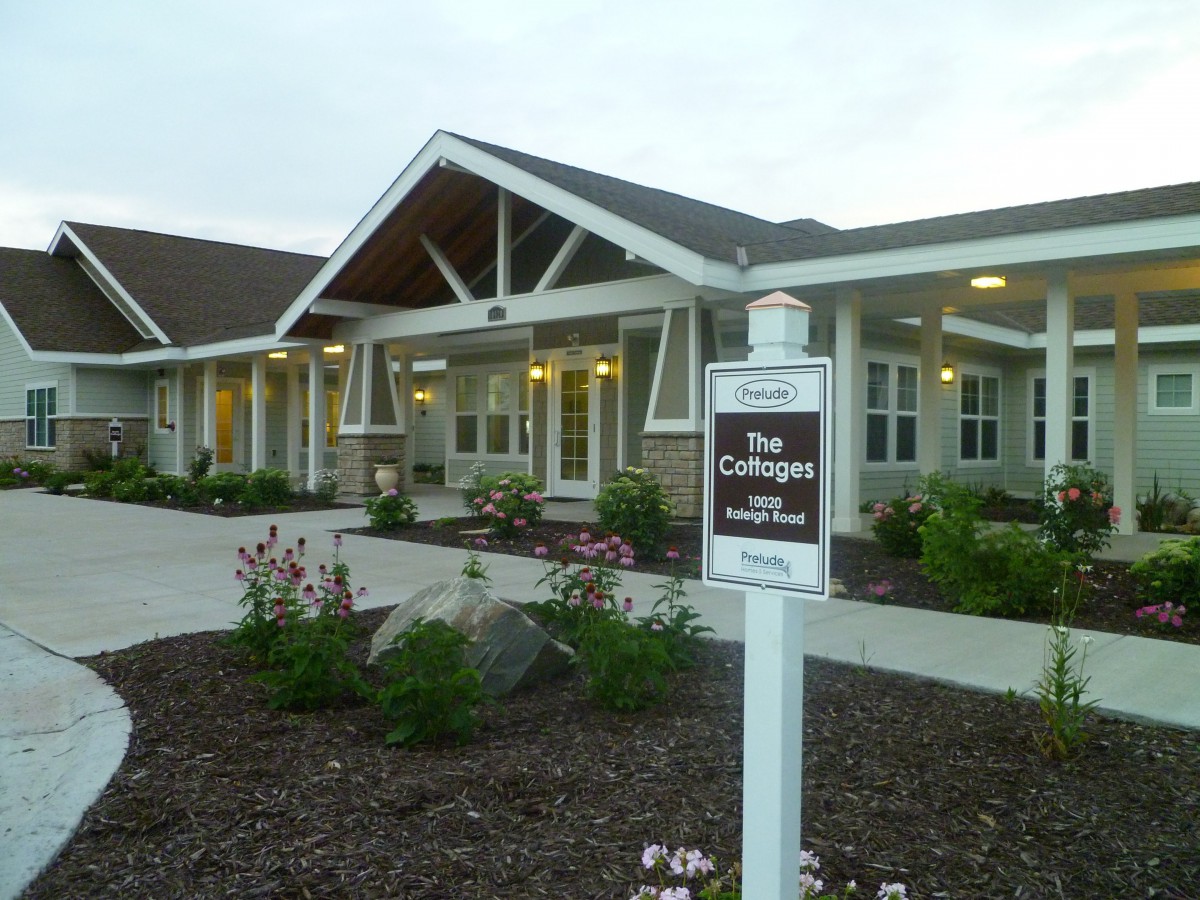
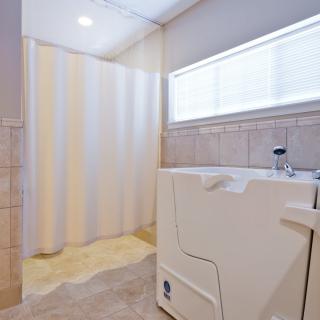

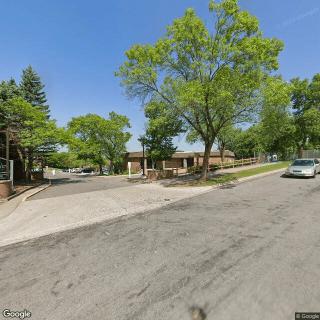
10020 Raleigh Road, Woodbury, MN 55129
To contact a resident: (651) 501-6513
For more information about senior living options: (866) 208-4318
Prelude Homes & Services Costs & Pricing
At Prelude Homes & Services, the monthly costs for living accommodations reflect a commitment to quality care and personalized support. For instance, the semi-private rooms are priced at $5,700, positioning them above the average rates in Washington County at $4,649 and significantly higher than the state average of $4,051. Similarly, studio apartments are offered at $5,900, which again exceeds both local and state benchmarks - Washington County's average being $4,066 and Minnesota's overall average standing at $3,617. While these rates may be higher than those of surrounding areas, they correspond to the elevated level of service and amenities provided by Prelude Homes & Services, ensuring residents receive exceptional care tailored to their needs.
| Floor plans | Prelude Homes & Services | Washington County | Minnesota |
|---|---|---|---|
| Semi-Private | $5,700 | $4,649 | $4,051 |
| Studio | $5,900 | $4,066 | $3,617 |
Memory care communities with a similar price nearby
-
from -$1100 / mo

Comforts of Home Memory Care - River Falls
$4,600 to $4,700 / month14.0 miles away -
from +$550 / mo
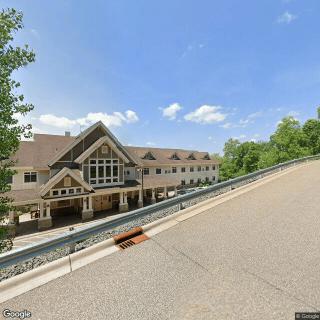
White Pine Senior Living - Cottage Grove II
$6,250 / month5.1 miles away -
from -$395 / mo

Cherrywood Pointe Of Roseville
$5,305 / month16.8 miles away -
from +$800 / mo
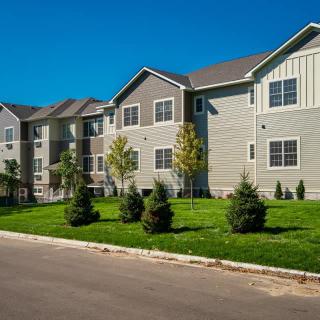
The Harbors Senior Living of Fridley
$6,500 to $8,500 / month21.1 miles away -
from +$585 / mo

Walker Methodist Highview Hill
$6,285 / month23.2 miles away
Overall Review of Prelude Homes & Services
Pros
 The staff pay close attention to residents' care, needs, and health.
- Residents thrive under Prelude's care.
- The administration is amazing to work with.
- Pastor Steve meets spiritual needs and assists with daily activities.
- Valerie plans engaging activities for residents.
- The care team listens to concerns and addresses issues promptly.
- Prelude offers a smaller, quiet, home-like setting that fits families well.
- Families feel welcome and well cared for at Prelude.
- Prelude is a wonderful place with caring staff and a strong sense of community.
Cons
 One reviewer would give zero stars and claims caregivers would block calls to a loved one, making contact impossible.
 - Another reviewer says the staff were miserable and that the caregivers, nurse, and coordinator did not do their jobs, advising readers to run from the place.
- A reviewer warns to stay far away, stating the facility does not care about residents and that a fall was not promptly reported to 911.
- A reviewer accuses management of caring about money over people, with untrained staff during COVID and no benefits.
- A reviewer states that PCAs do not take care of patients and leave floors and bathrooms dirty.
- A reviewer cites a shortage of staff leading to medications not being given as directed and poor communication.
Review
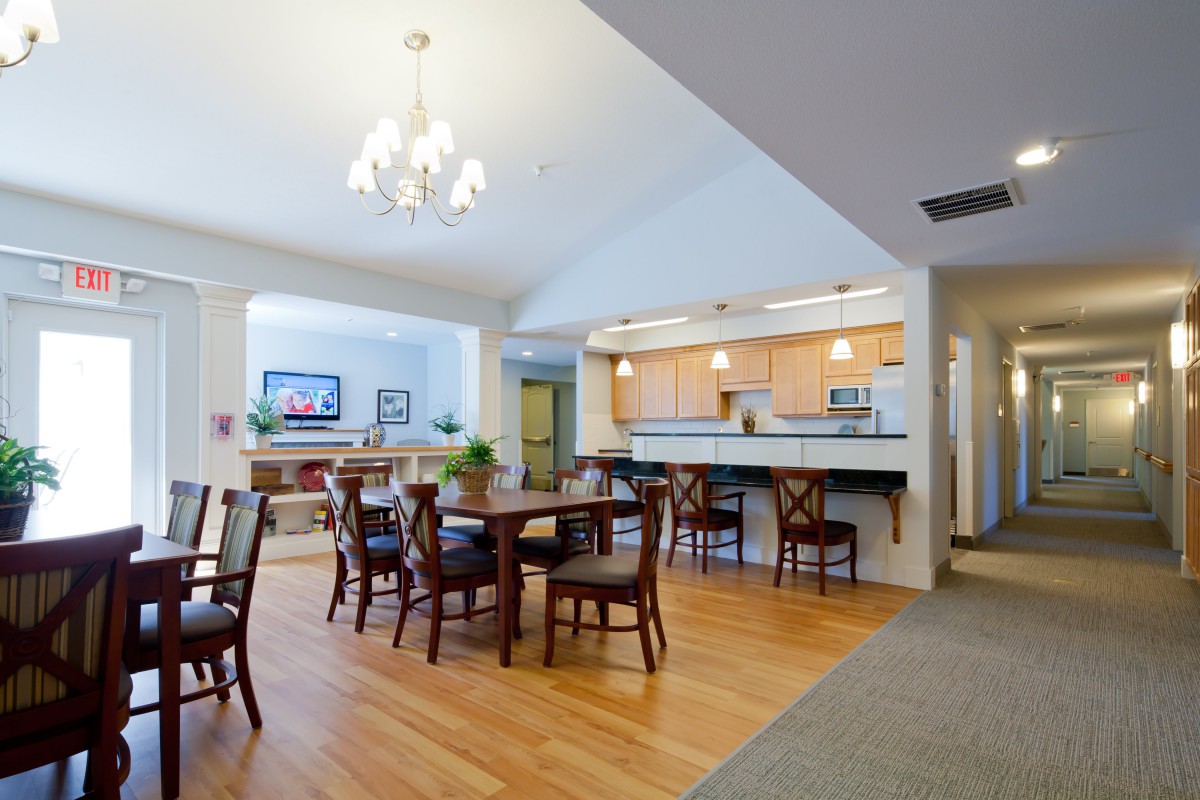
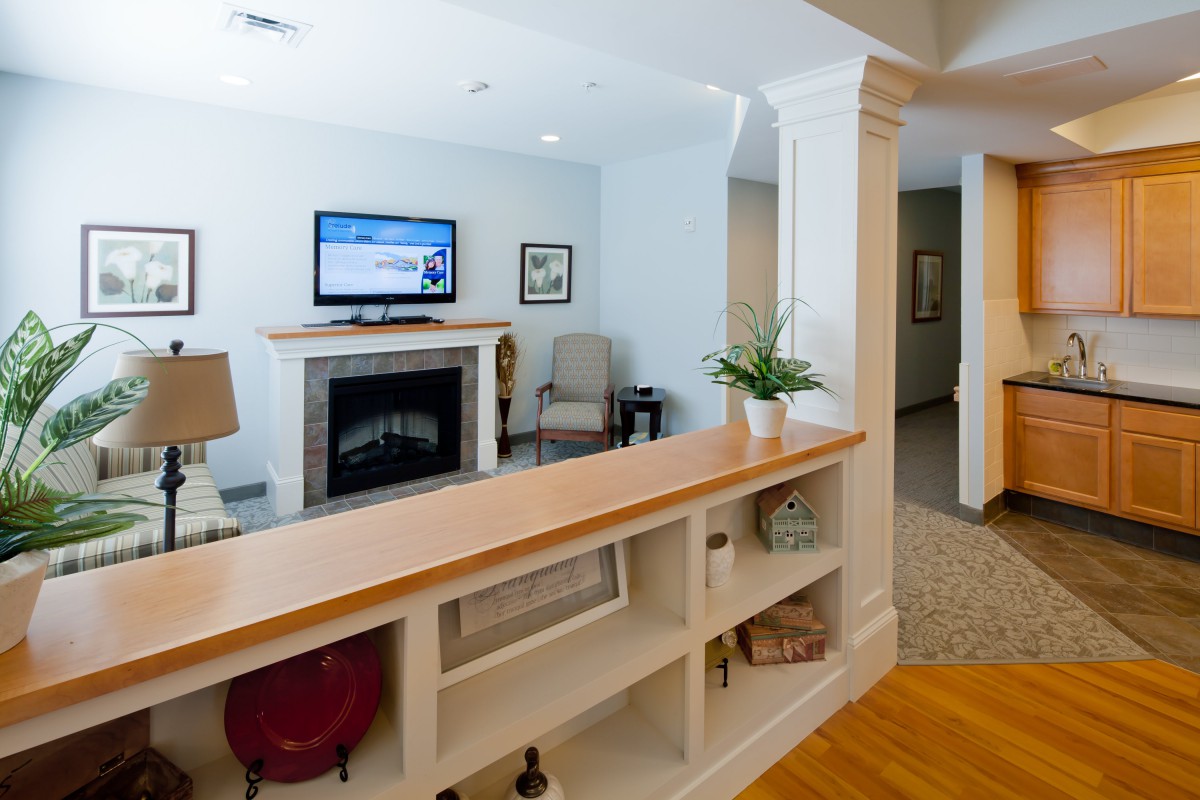
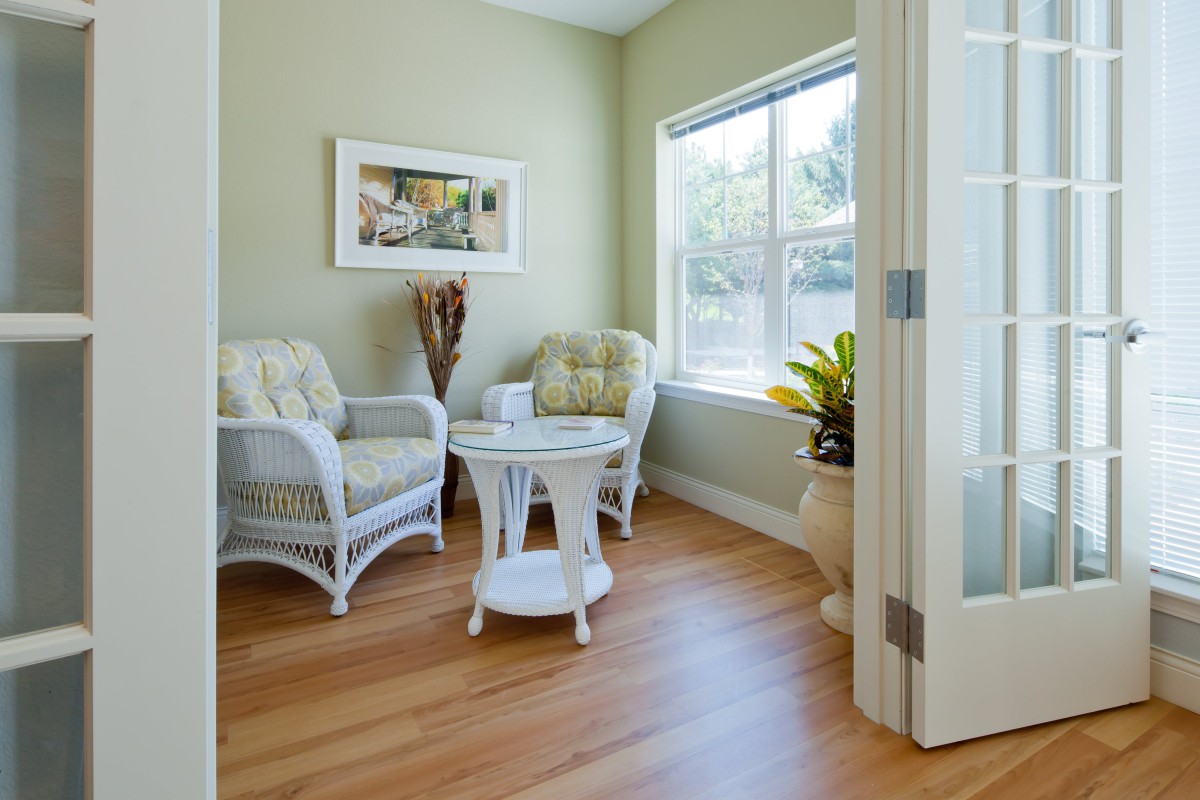
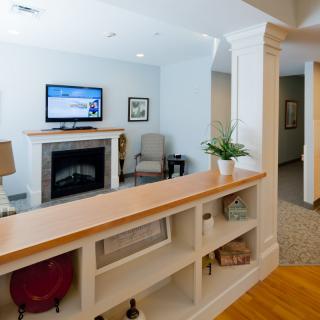
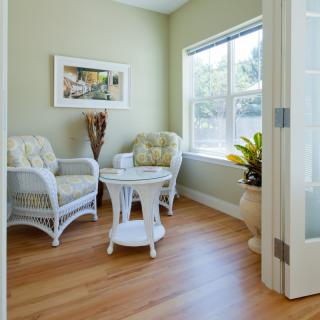
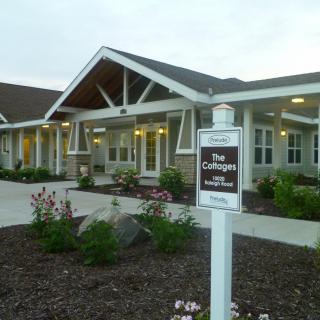
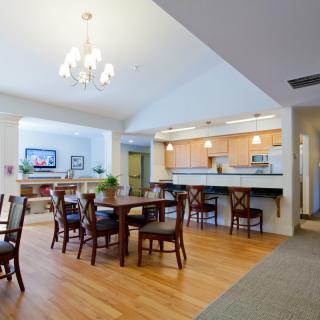
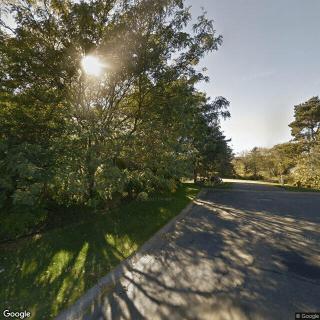
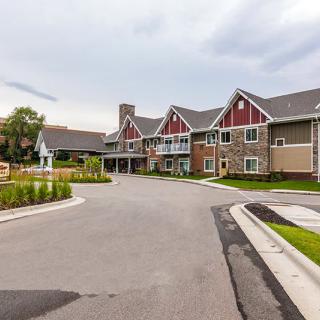
Prelude Homes & Services in Woodbury is best suited for families seeking a small, home-like, faith-centered memory-care environment where attentive staff, personal warmth, and a steady rhythm of activities matter most. The community shines for residents who thrive on intimate interaction, daily routines, and meaningful spiritual programming. A cottage-style, compact campus with outdoor spaces and a family-style feel makes it a strong fit for someone who prizes dignity, continuity of care, and a sense of belonging over a large, clinical setting.
That said, alternatives should be on the radar for families prioritizing different priorities. Prospective movers who require aggressive medical oversight, highly coordinated clinical management, or a robust staffing backbone may want to compare larger, more resource-rich campuses. Those who want a non-faith-based environment or a facility with more expansive medical amenities might also find other communities more aligned with their expectations. Additionally, families who demand consistently flawless communication and transparent leadership should scrutinize Preludeā€™s administrative responsiveness and incident history before deciding.
The strongest positives center on the day-to-day heart of the operation. Reviewers frequently point to staff who display genuine care, kindness, and a willingness to engage residents at a personal level. The pastoral and spiritual components, Served by Pastor Steve and organized faith activities, offer meaningful nourishment for residents and families alike. Small-town warmth comes through in the cottage living, outdoor spaces, and the sense that staff genuinely strives to meet needs, whether arranging activities, coordinating meals, or helping with mobility and daily routines. For memory-care residents, the combination of a calm, home-like setting and regular, wellness-focused programming can translate into tangible improvements in mood, engagement, and overall quality of life.
Yet the experience is uneven, and the negative threads are hard to ignore for families weighing safety and reliability. Several accounts cite serious concerns about staffing levels and dependability, with murmurs of delays in assistance during critical moments and inconsistencies in routine tasks like medications and personal care. Communication gaps and perceived gaps in accountability have surfaced in multiple reviews, and some families describe management issues that color their overall impression. In a few cases, concerns about safety, responsiveness, and staff training have been highlighted with enough gravity to prompt measured caution for new inquiries. This mix of praise and warning is not universal, but it is persistent enough to demand careful vetting.
In weighing pros against cons, the calculus depends on resident priorities and family risk tolerance. For families emphasizing companionship, spiritual support, and the comfort of a smaller, more intimate setting, Prelude often delivers a meaningful, enriching experience that can feel like a true home. The care philosophy and community culture can offset many daily disappointments when matched against a resident who thrives on personal attention and structured social engagement. However, for families where safety speed, medical oversight, consistent regulatory standards, or unequivocal transparency are non-negotiable, the negatives outlined in some reviews may make alternatives worth pursuing.
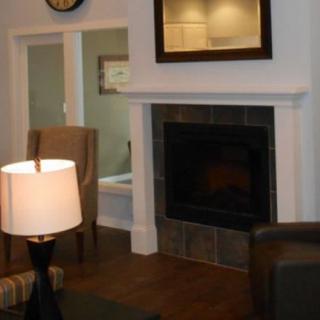
Practical next steps for decision-making are clear. Visit with the intention of observing staff interactions, asking pointed questions about nurse coverage, medication administration protocols, and emergency response times. Request to meet with the administrator and frontline team to hear how care plans are updated, how concerns are tracked, and how family communication works on a typical day. Inspect the living spaces, ask for a current activity calendar, and sample a meal to gauge consistency with expectations. Check references, review any recent incident logs, and discuss how memory-care programming is tailored to the individual. If alignment on care philosophy and safety standards is found, Prelude can be a strong, cherished home. If red flags persist, therapists, clinicians, and families should pursue alternatives that offer more robust oversight and clearer accountability.
 Memory Care
 Activities on-site
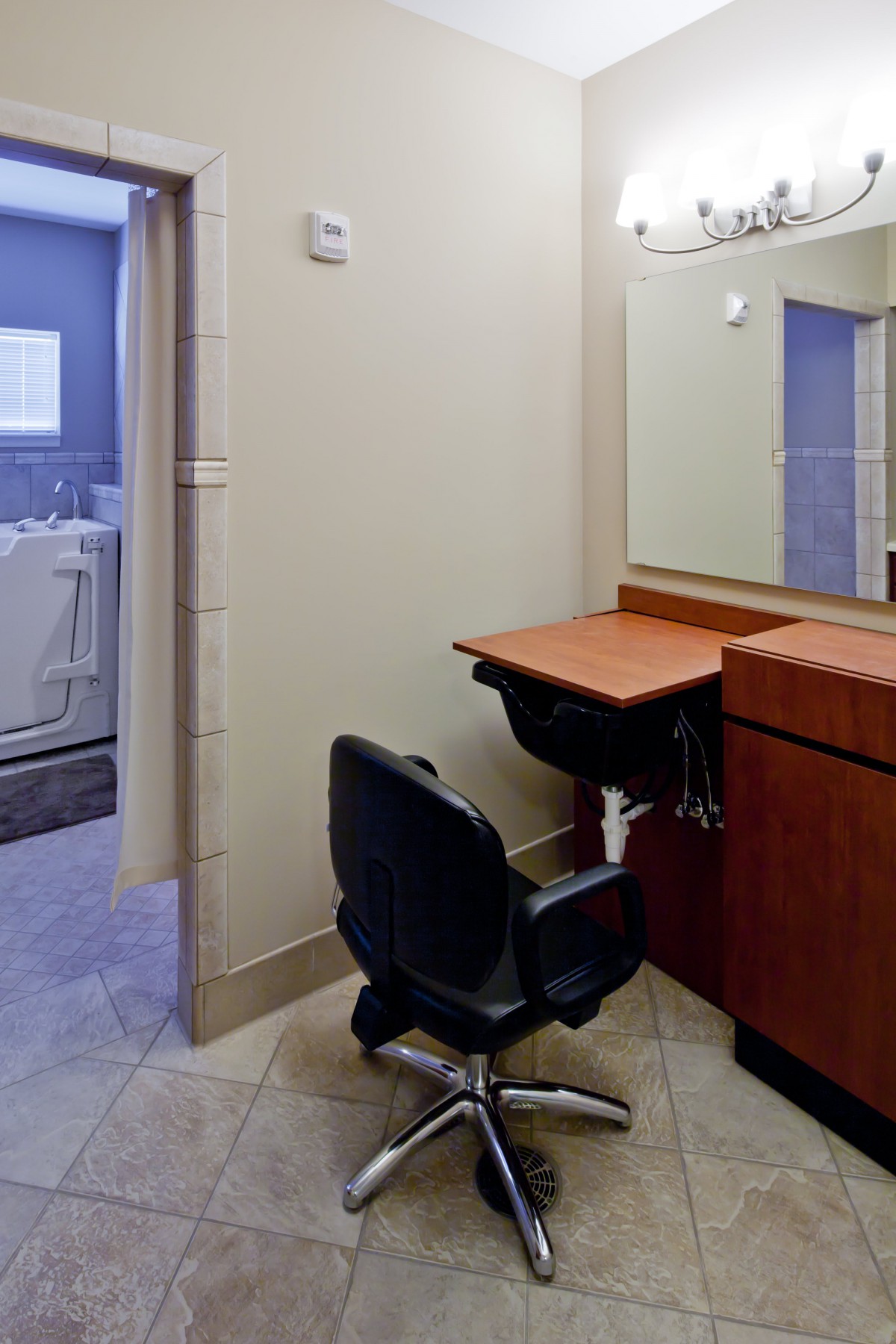
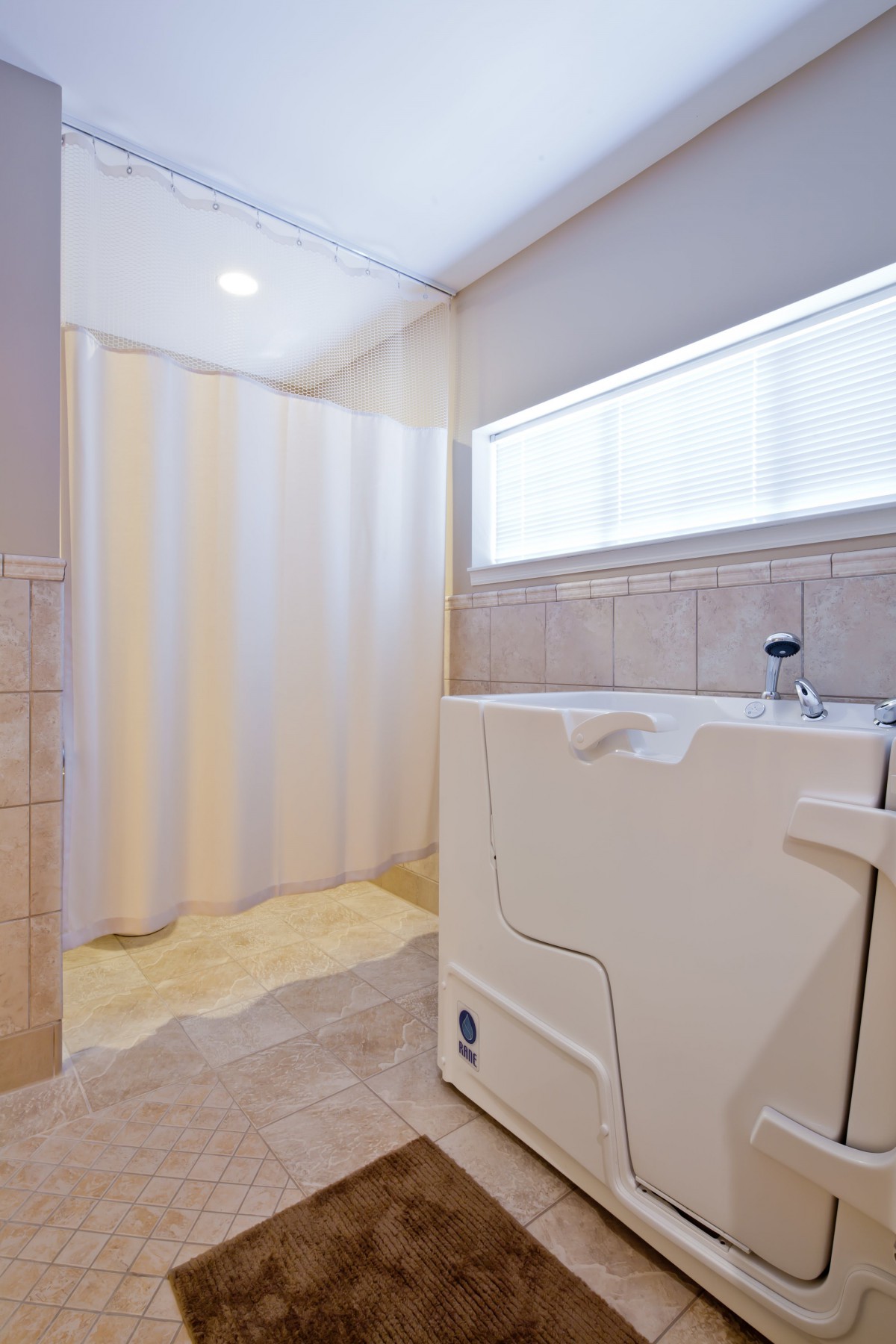
 Bath tubs
 Beautician on-site
 Devotional services on-site
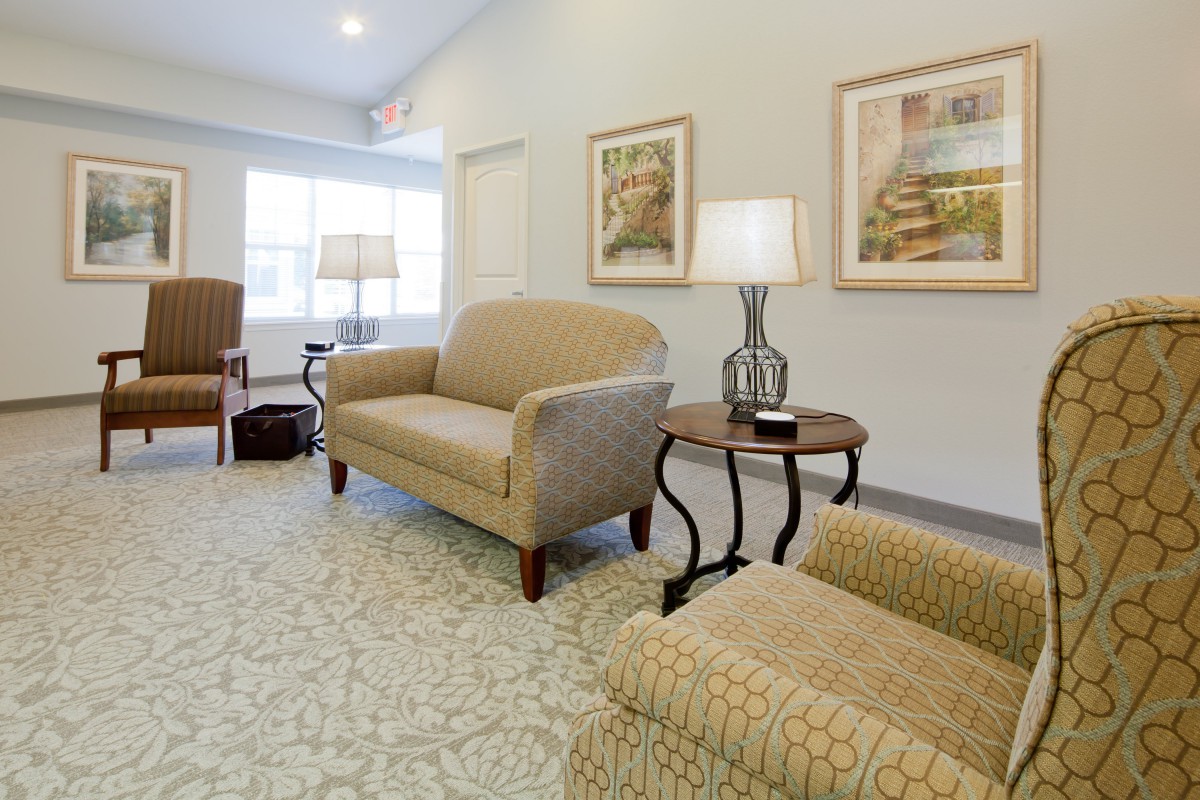
 Indoor common areas
 Outdoor common areas
 Respite or short term stays offered
 Swimming pool / hot tub
 Wheelchair accessible showers
 Minneapolis-St Paul International (15 miles away)
 Diabetic care
 High acuity care
 Incontinence care
 Medication management
 Kosher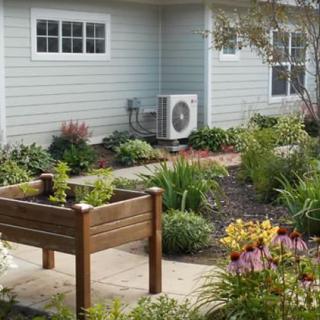


 How to Communicate with a Loved One Living with Dementia: 10 Supportive Strategies
 Comprehensive Guide to VA Nursing Homes: A Crucial Long-Term Care Resource for Veterans
 Estimating the Expenses of At-Home Dementia Care: A Detailed Exploration