

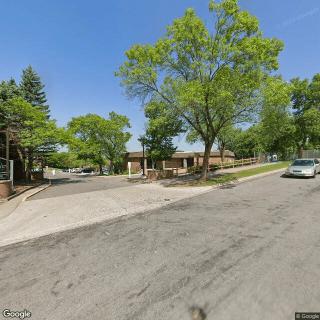
3610 Mt. Vernon Court, Woodbury, MN 55129
To contact a resident: (715) 781-0605
For more information about senior living options: (866) 208-4318
Hometown Senior Living Wedgewood Costs & Pricing
At Hometown Senior Living Wedgewood, the monthly cost for a private room is $8,250, which significantly exceeds both the average rates in Washington County and the broader state of Minnesota. In Washington County, the average monthly cost for similar accommodations is approximately $4,952, while the state average sits around $5,090. This pricing may reflect the premium services and amenities provided by Hometown Senior Living Wedgewood, appealing to those seeking a higher standard of care and environment for themselves or their loved ones. However, potential residents should carefully consider this investment in relation to local alternatives that offer more budget-friendly options without compromising on quality.
| Floor plans | Hometown Senior Living Wedgewood | Washington County | Minnesota |
|---|---|---|---|
| Private | $8,250 | $4,952 | $5,090 |
Senior living communities with a similar price nearby
-
from -$1250 / mo
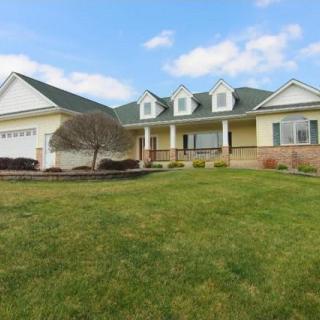
September Cottage Eldercare
$7,000 / month24.6 miles away -
from -$750 / mo
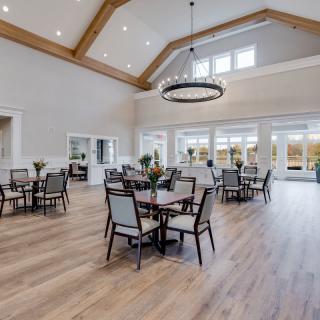
Rivers of Life Memory Care/Enhanced Assisted Living
$7,500 / month24.9 miles away -
from -$600 / mo
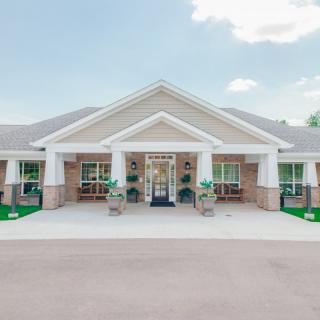
Artis Senior Living of Woodbury
$7,650 / month2.4 miles away -
from -$950 / mo

Beehive Homes of Lakeville
$7,300 / month23.7 miles away -
from -$1050 / mo

The Moments Of Lakeville
$7,200 / month22.6 miles away
Overall Review of Hometown Senior Living Wedgewood
Pros
 There were many excellent caregivers who became like family to the resident.
- The home is described as a beautiful place with great care.
- The staff is noted to have a lot of heart.
- The floor manager and staff take very good care of residents.
- The experience is described as great for a loved one.
Cons
 The facility is unethical and residents are abused, starved, and neglected.
- It is not managed by medically trained professionals.
- Management is unresponsive and fails to hold staff accountable for care plans.
- Medication administration is poorly monitored, leading to unreported errors and harm to residents.
- The premises are filthy, the facility is understaffed, and services charged for are not provided.
- The company is corrupt and should be avoided.
- Staff turnover is high, with frequent conflicts and instances of staff screaming at residents.
Review
Hometown Senior Living Wedgewood in Woodbury is not a top pick for families seeking dependable medical oversight and consistently high-care performance. It is best considered by budget-conscious families who are prepared to supervise care closely and tolerate variability in daily operations. Residents with very low, stable needs, where companionship and basic support take precedence over intensive nursing, are a more plausible fit. The setting may appeal to those who can tolerate uneven staffing and are ready to advocate aggressively for every aspect of daily care. In short, the strongest fit is price-driven, with a readiness to actively monitor and intervene.
Likely alternatives should be on the radar for any family with ongoing medical needs or cognitive challenges. The reviews flag medication errors, incomplete care plans, and limited nurse engagement, creating real risk for health setbacks. Management responsiveness appears inconsistent, and cleanliness and upkeep are described as uneven. For families prioritizing reliable clinical oversight, consistent communication, and a consistently respectful environment, other communities with stronger staffing models and clearer governance are prudent choices.
Among the few redeeming notes, some caregivers are described as genuinely compassionate and some residents experience a sense of “home” through ongoing relationships with staff. But these positive experiences are not universal, and they do not negate the broader pattern of turnover, infrequent engagement with medical issues, and complaints about care quality. The contrast between isolated acts of kindness and a broader reliability problem makes the value proposition uncertain. When stability and predictability are paramount, these variable staff experiences should not be counted on as a core strength.
The operational red flags are the most consequential. Several reviews allege that care plans are not followed, medical orders are overlooked for extended periods, and residents suffer or are harmed as a result. Understaffing and turnover disrupt routines, while housekeeping lapses and odors in some rooms undermine dignity and safety. Meal quality and limited activities further erode daily life quality. Taken together, these factors erode trust and raise serious questions about the consistency of basic needs being met on a regular basis.
To evaluate responsibly, families should conduct a rigorous due diligence process. Plan an unannounced tour, request current care plans, medication administration records, and recent incident logs. Speak with multiple frontline staff, several residents, and the administrator to gauge consistency of communication and accountability. Check state licensing and any complaint history for the location, and ask about staffing ratios and supervision of medication passes. If choosing this community, pairing internal oversight with external support, such as regular nursing checks or visiting caregivers, can mitigate gaps. This is essential when considering a longer-term placement.
The bottom line is clear: proceed only with strong safeguards in place. For families prioritizing safety, medical oversight, and a clean, respectful environment, more reliable options should be explored first. If cost constraints dominate and vigilant oversight can be sustained, this community may be contemplated, but only with a concrete plan for ongoing supervision and rapid escalation of issues. Begin with careful site visits, candid conversations with current residents, and verifiable licensing data, then compare against other Woodbury options that demonstrate steadier staffing, clearer accountability, and a track record of consistent care.
 Board and Care Home
 Activities on-site
 Bath tubs
 Indoor common areas
 Outdoor common areas
 Private
 Respite or short term stays offered
 Wheelchair accessible showers
 Minneapolis-St Paul International (15 miles away)
 Diabetic care
 High acuity care
 Incontinence care
 Meals provided




 A Comprehensive Exploration of Common Misunderstandings about Powers of Attorney
 Senior Move Management: Understanding the Role, Value, and Associated Costs
 Weight Training for Seniors: Building Strength and Vitality