
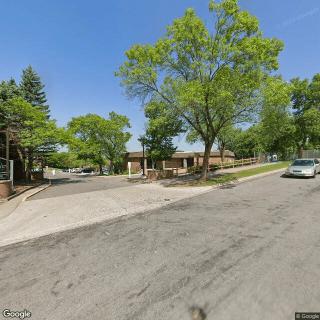
3610 Mount Vernon Court, Woodbury, MN 55129
For more information about senior living options: (866) 208-4318
Overall Review of Hometown Senior Living - Wedge
Pros
 The house is following the guidelines set by those caring for the individual at the home not trying to prevent a nice mom from seeing her son.
- My mother lived at Wedgewood South for over 6 years.
- In that time she had so many excellent caregivers.
- Many became like a part of her family.
Cons
 One reviewer labeled Mary Burger as an abusive mother and stated she was not allowed at the house, with police involvement.
 - A reviewer described the facility as unethical, claiming a father was abused by staff, starved, and neglected.
- Another reviewer said the houses are not managed or owned by medically trained professionals.
- A reviewer warned that if you want your family member to be left for dead, this place is for you.
- The reviews also noted that a mother was not allowed to visit her adult son with a stroke and heart condition, and police were called.
Review
Hometown Senior Living - Wedge in Woodbury, MN is a small, home-like option that appeals to families seeking intimate, person-centered care delivered in a tight-knit setting. The core draw is the belief that caregivers can establish meaningful, lasting relationships with residents, providing warmth and individualized attention that larger campuses often struggle to sustain. This environment suits families who trust a direct, personal connection with a limited number of caregivers and who are prepared to stay actively involved in day-to-day oversight to ensure routines and medical needs are met. It is not the best fit for those who require consistently formalized safety protocols and highly standardized, systematized oversight.
Yet the mix of experiences tied to this community warrants caution. Reviews present a troubling spectrum: serious allegations of abuse and neglect alongside stories of devoted, long-tenured caregiving. Police involvement is noted in at least one family dispute, underscoring potential safety and governance gaps. That volatility means prospective residents and families cannot rely on a predictable quality of care. For anyone with higher medical acuity, complex care needs, or a preference for strong, transparent governance, alternatives with clearer oversight should be the baseline comparison.
On the upside, the strongest argument for Hometown rests on the personal bonds caregivers can form with residents. A number of reviewers highlight caregivers who become like family, delivering attentive, long-term care and contributing to a sense of belonging that small homes can uniquely provide. When the right staff are present and turnover is manageable, residents may experience genuine comfort, smoother communication in emergencies, and a more relaxed daily rhythm. However, these positive dynamics are inherently fragile if staffing levels shift, if supervision falters, or if accountability mechanisms fail to catch problems early.
Families evaluating the facility should adopt a rigorous, disciplined assessment process. Request current staffing rosters and schedules, and speak with multiple frontline caregivers to gauge consistency and competence. Review recent licensure and inspection reports, and insist on meeting the administrator as well as current residents or their family members to understand how concerns are handled and documented. Clarify staffing ratios, medication management practices, emergency protocols, and after-hours responsiveness. Check visitation policies to confirm they align with the resident’s needs and family expectations, and verify how decisions about sensitive issues are made and communicated.
If choosing alternatives, the contrast is meaningful. Other local options, whether larger assisted living communities or dedicated memory-care facilities, often deliver more predictable quality through standardized procedures, steadier staffing, and clearer escalation processes. For families prioritizing reliability and transparent accountability, touring several facilities and reviewing state inspection histories becomes essential. That conservative approach helps ensure that care standards won’t hinge on the luck of a caregiver’s shift, and it minimizes exposure to the kinds of incidents that have appeared in reported experiences here.
Bottom line: Hometown Senior Living - Wedge represents a stark trade-off between intimate, caregiver-driven attention and the potential for serious, inconsistent safety concerns. The strongest appeal is the possibility of a home-like atmosphere where staff form meaningful relationships with residents. The most compelling caution is the documented risk of neglect, coercive visitation disputes, and governance gaps that can abruptly erode trust and safety. For families able to enforce rigorous oversight, demand timely reporting, and pivot quickly if standards slip, the option may work in the short term. For anyone seeking consistently reliable safety, medical oversight, and proven governance, exploring alternatives first is prudent. A thorough, structured site visit, a clear plan of care, and a demanding set of questions about staffing stability and incident handling are essential steps before committing to a long-term arrangement.
 30 resident community capacity
 Assisted Living
 Beauty salon
 Cable or satellite TV
 Dining room
 Fully furnished
 Garden
 Housekeeping services
 Kitchenette
 Move-in coordination
 Outdoor space
 Telephone
 Wi-Fi/high-speed internet available
 Minneapolis-St Paul International (15 miles away)
 24-hour call system
 Activities of daily living assistance
 Assistance with bathing
 Assistance with dressing
 Assistance with transfers
 Diabetes diet
 Meal preparation and service
 Medication management
 Mental wellness program
 Special dietary restrictions
 Transportation arrangement (medical)
 Transportation to doctors appointments






 Exploring the Contrasts Between Assisted Living and Skilled Nursing
 8 Key Indicators That Suggest It May Be Time to Transition from Assisted Living to Skilled Nursing Care
 Vibrant Senior Living: A Comprehensive Guide for Active Older Adults