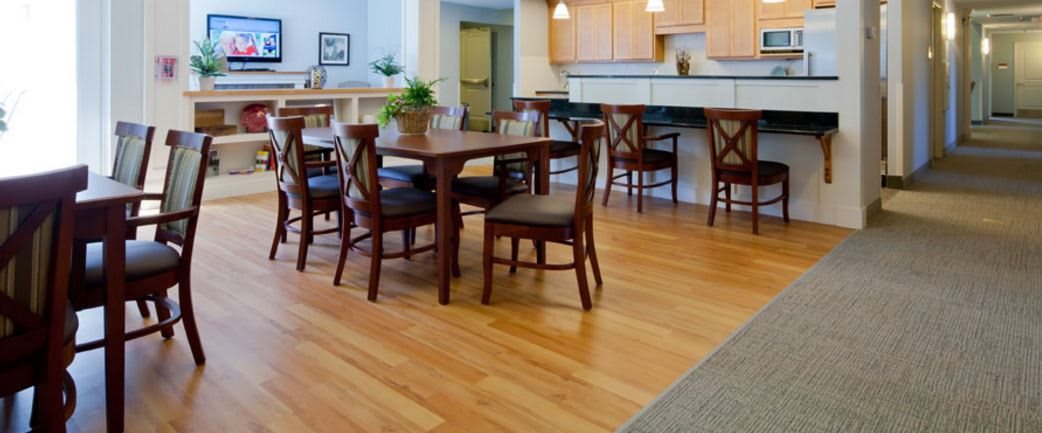
10020 Raleigh Road, Woodbury, MN 55129
To contact a resident: (651) 501-6513
For more information about senior living options: (866) 208-4318
Hometown Senior Lvg Wedgewood Costs & Pricing
Hometown Senior Living Wedgewood offers competitive pricing for its residents, particularly when compared to the broader market in Washington County and the state of Minnesota. The monthly cost for a semi-private room at Wedgewood is $6,050, significantly higher than the county average of $4,649 and the state average of $4,051. Similarly, the studio option is priced at $6,260, which also surpasses both the county rate of $4,066 and the state's average of $3,617. These figures suggest that while Hometown Senior Living Wedgewood may be positioned at a premium level within its local context, potential residents may find value in its unique offerings and services that accompany this elevated price point.
| Floor plans | Hometown Senior Lvg Wedgewood | Washington County | Minnesota |
|---|---|---|---|
| Semi-Private | $6,050 | $4,649 | $4,051 |
| Studio | $6,260 | $4,066 | $3,617 |
Memory care communities with a similar price nearby
-
from +$950 / mo
September Cottage Eldercare
$7,000 / month24.7 miles away -
from +$1150 / mo
The Moments Of Lakeville
$7,200 / month22.5 miles away -
from +$200 / mo
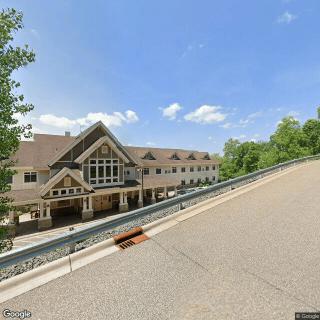
White Pine Senior Living - Cottage Grove II
$6,250 / month5.1 miles away -
from -$745 / mo

Cherrywood Pointe Of Roseville
$5,305 / month16.8 miles away -
from +$980 / mo

Personal Care Senior Living Columbia Heights
$7,030 / month19.9 miles away
Overall Review of Hometown Senior Lvg Wedgewood
Pros
 The memory-care-only, small setting helps residents stay in a familiar peer group.
- The staff are friendly and create personalized care plans for each resident.
- They have an on-call nurse and a dedicated 24-hour caregiver, ensuring steady support.
- The meals are home-cooked and tasty, with menus posted in advance.
- There is a busy weekday activity calendar with varied programs, and family visits are encouraged.
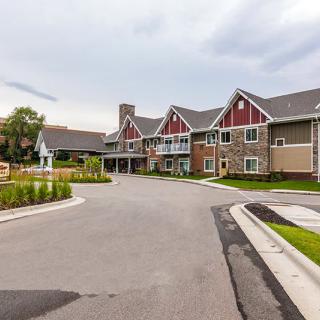
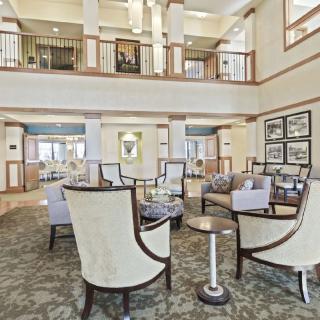
- The facility feels home-like, clean, and welcoming.
- Family involvement is welcomed at mealtimes, and volunteers and a pastor help create a strong sense of community.
- Prelude Cottages offer a convenient, intimate environment in a smaller setting near home.
Cons
 Prelude Memory Care Cottages was very far away.
- The facility doesn’t have enough staff on hand.
- It doesn’t seem to offer many programs.
- The facility was more expensive than the others.
- On weekends, the facility has less staff, which could impact care.
Review
This community is best suited for families seeking a small, memory-care–focused environment in Woodbury where residents share a similar situation and staff can deliver highly individualized attention. The model emphasizes a home-like setting, predictable routines, and meaningful engagement over a clinical, big-campus experience. It works well for families that want easy, frequent communication, visible daily activity planning, and a care plan that stays true to the individual. In short, it serves residents who benefit from close-knit supervision, steady social contact, and a calm, familia-driven atmosphere rather than rapid clinical escalation.
Alternatives should be on the radar for two reasons. First, families needing around-the-clock nursing on-site or more intensive medical programming may find a larger facility better aligned with those needs. Second, the weekend cadence can be lighter in smaller settings, with fewer programs and staff on the floor, which may frustrate families seeking constant, high-energy activity or always-available clinical support. Distance can complicate involvement for some families, and price varies across models; for households with limited budgets or long commutes, a bigger, more resource-rich campus could offer different value even if it sacrifices intimacy.
The strongest pros here compensate well for those potential gaps. A dedicated caregiver presence around the clock in cottage-style layouts ensures consistent, hands-on attention to daily needs. A fixed, visible care team helps sustain individualized plans, and the active calendar of weekday activities, games, music, crafts, and social events, keeps residents socially engaged and mentally stimulated. Food quality matters, and the home-cooked meals with posted menus provide reliability and transparency about daily nutrition. The willingness to welcome family into meals and the faith-forward, volunteer-supported culture adds warmth and continuity that can make daily life feel meaningful rather than transactional.
The facility’s home-like design and staff visibility are meaningful differentiators. Residents benefit from caregivers who know their idiosyncrasies, which reduces friction during transitions and supports smoother care coordination. Volunteers and a pastoral presence amplify the sense of community, offering spiritual and social touchpoints that many families value highly. Regular family involvement in activities reinforces a sense of belonging and helps sustain the resident’s identity within a smaller, tight-knit setting. When compared with larger operations, these elements translate into more predictable days, higher staff accountability, and a more human-scale experience.
On the downside, weekends can feel slower, with leaner staffing and fewer program options. The lack of full-time on-site nursing means medical needs are managed through established protocols and an on-call nurse rather than continuous, around-the-clock clinical presence. Prices can be reasonable, but the tight focus on memory care and a smaller footprint can push costs up relative to some larger facilities, depending on the exact care package chosen. Prospective families should press for a sample care plan, weekend activity schedules, and a clear understanding of what medical services are guaranteed on site to avoid surprises.
Bottom line: for families prioritizing a small, memory-care–focused environment with a homey ambience, clear routines, and strong family involvement, Hometown Senior Living Wedgewood is a compelling fit. It delivers practical advantages, the on-site pastoral support, weekday programming, home-cooked meals, flexible visitation, and a dedicated caregiver model, that offset the occasional weekend lull and the absence of full-time on-site nursing for many residents. If the aim is to preserve dignity and daily structure within a faith-oriented, intimate community, this is a strong option to pursue; if the priority leans heavily toward constant clinical coverage or expansive weekend programming, broader, more medically resourced alternatives should be explored.
 Memory Care
 Activities on-site
 Bath tubs
 Devotional services on-site
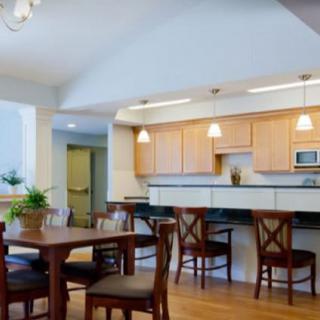
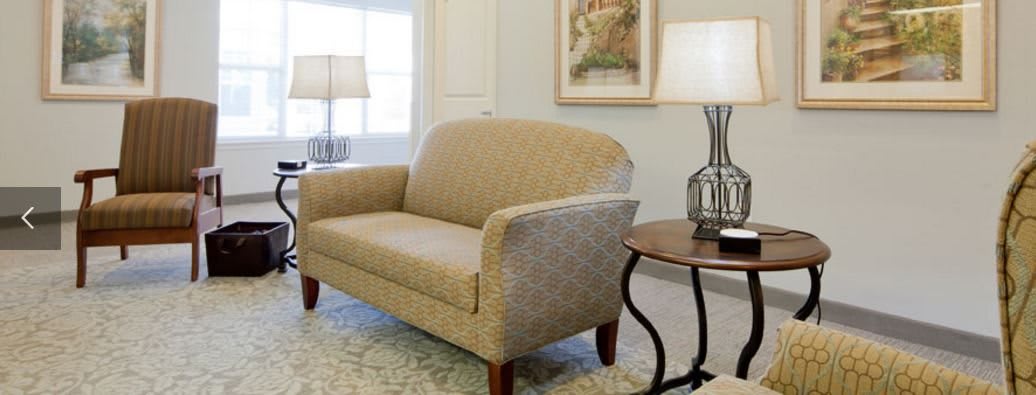
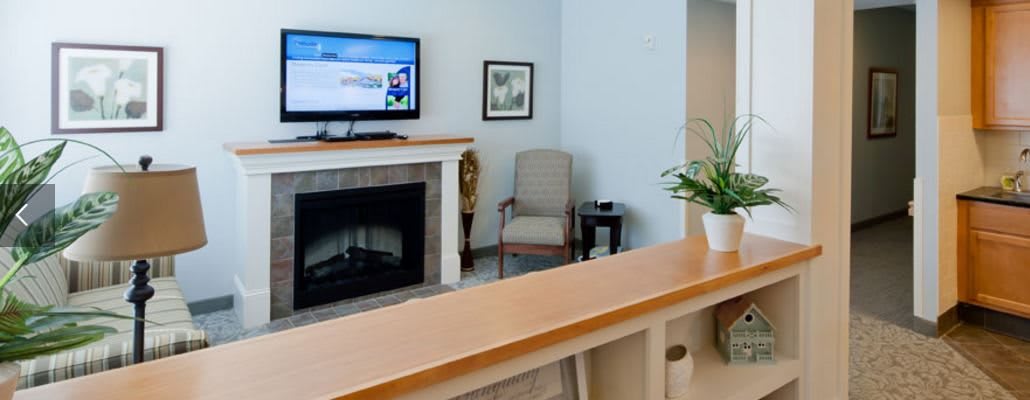
 Indoor common areas
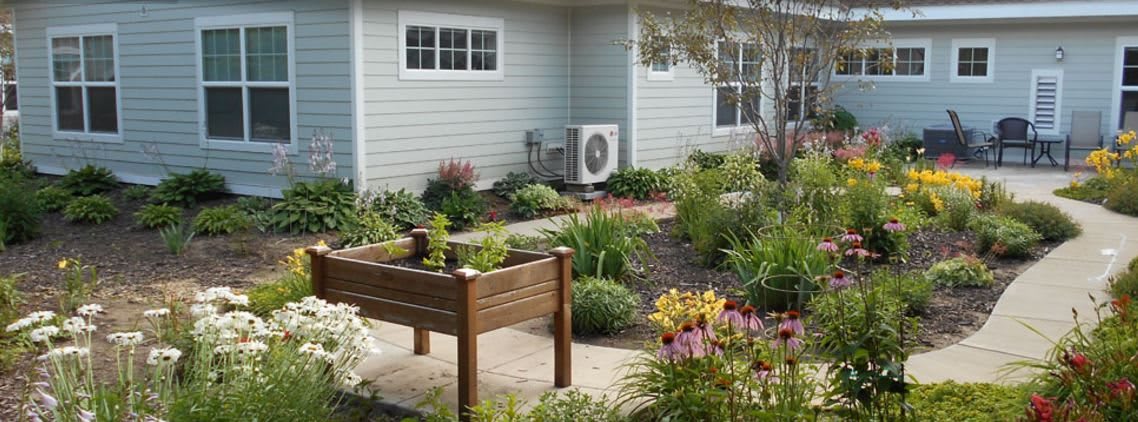
 Outdoor common areas
 Respite or short term stays offered
 Minneapolis-St Paul International (15 miles away)
 Diabetic care
 High acuity care
 Incontinence care
 Medication management
 Meals provided
 Art classes
 Brain fitness
 Catholic services
 Gardening club
 Stretching classes
 Trivia games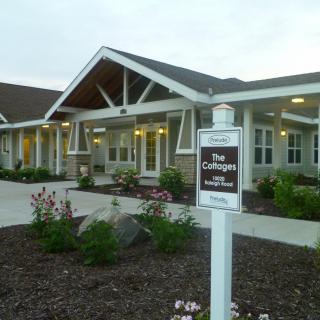

 Dementia-Related Hallucinations: Causes, Experiences, and Practical Approaches
 Illuminating Insights About Alzheimer's Disease: Ten Crucial Realities
 A Thorough Discussion of Medications Potentially Linked to Dementia Risk