Mount Olivet Careview Home in Minneapolis, MN

Save

  • Interior

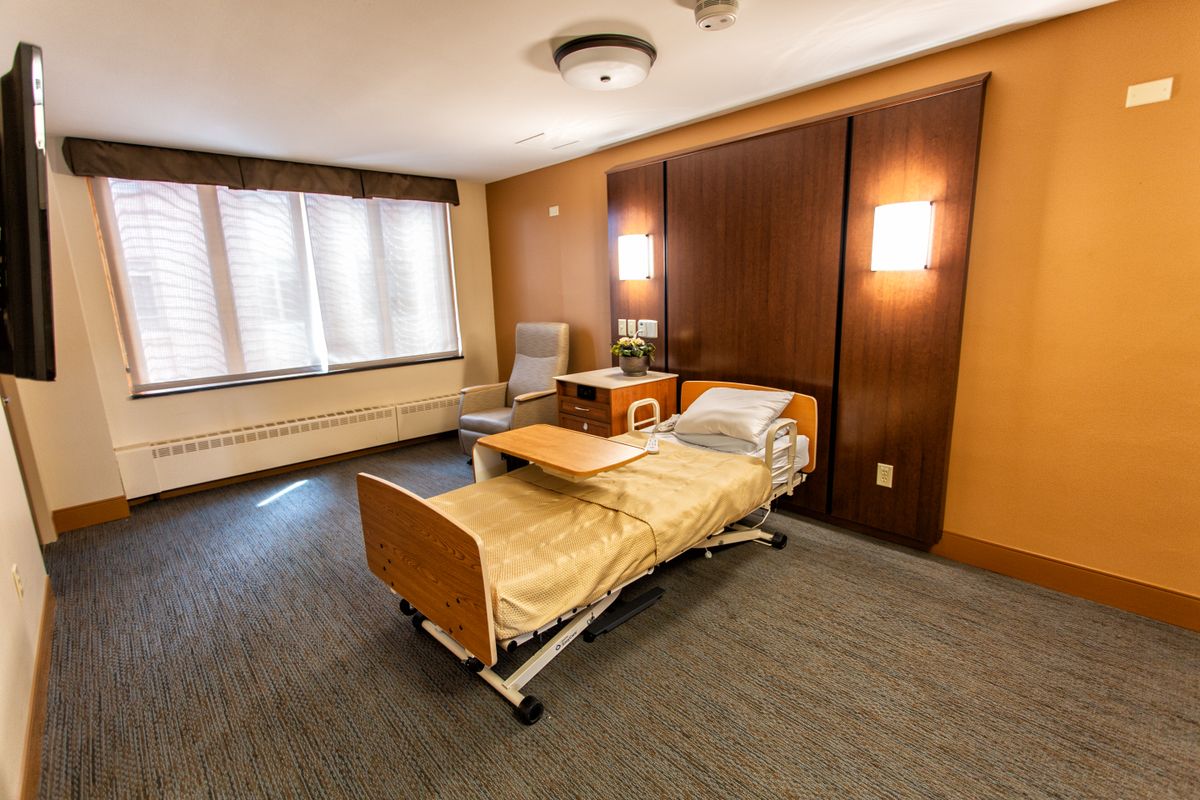
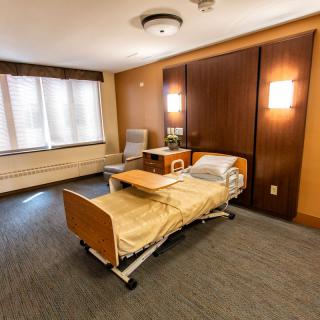
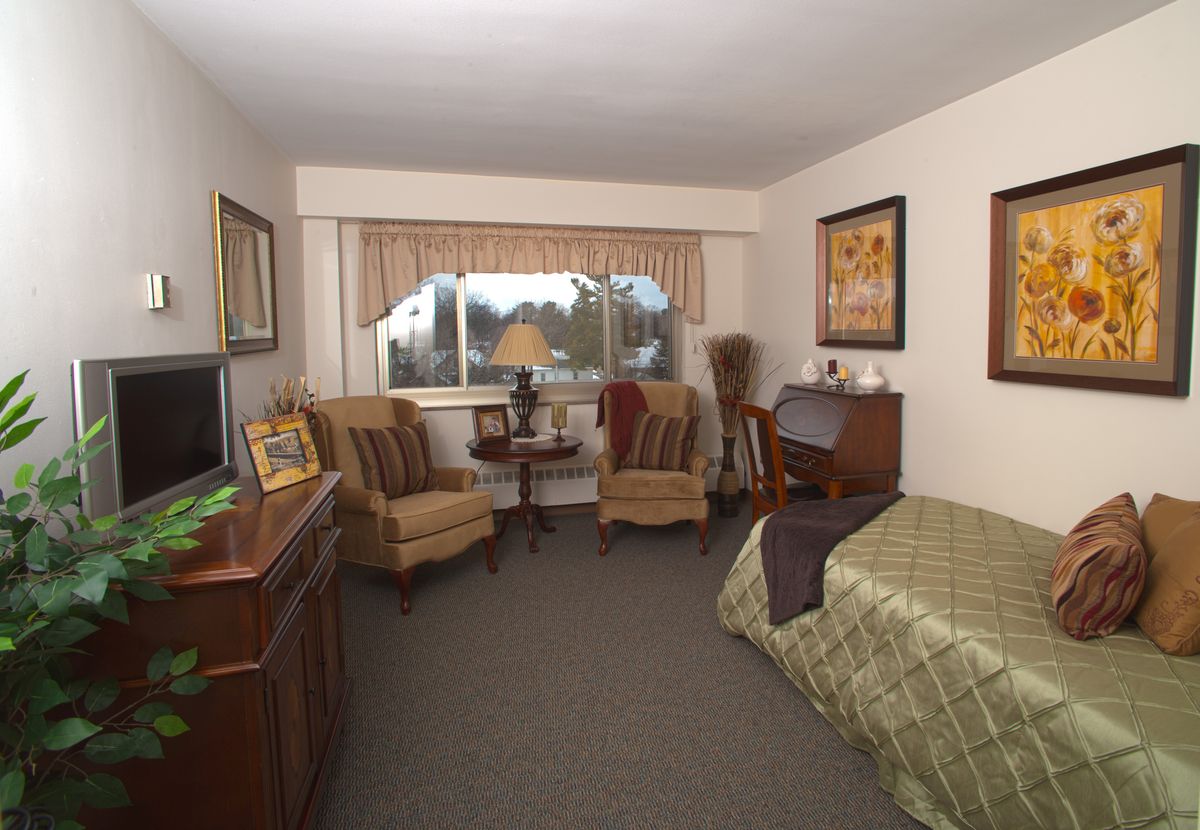
    A clean and modern hospital room featuring a single bed, chair, and side table.
  • Decor

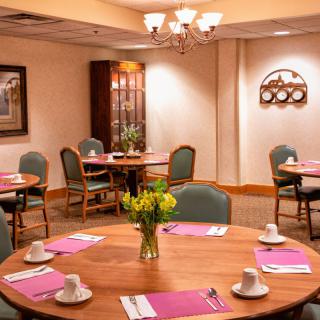
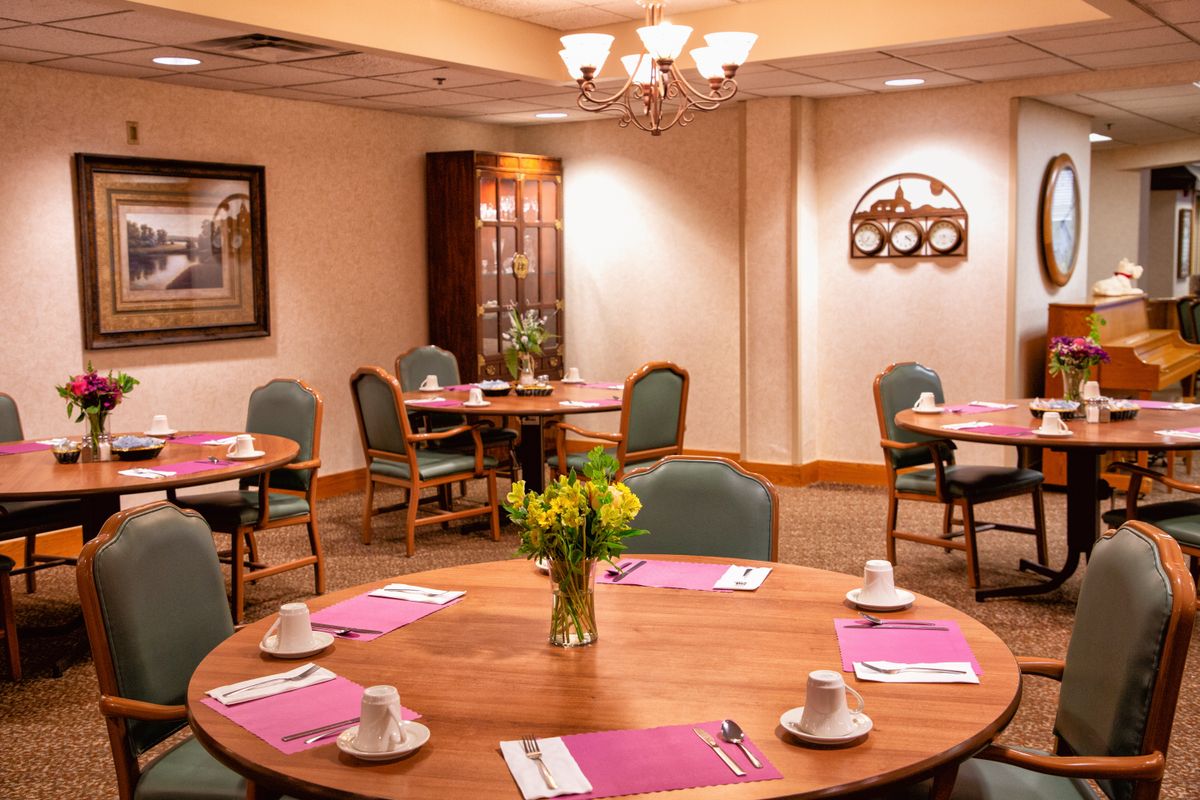
    A well-arranged conference room with round tables, chairs, and a classic chandelier.
  • Living Room

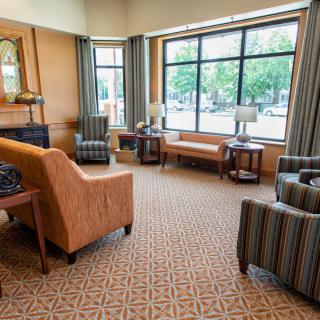
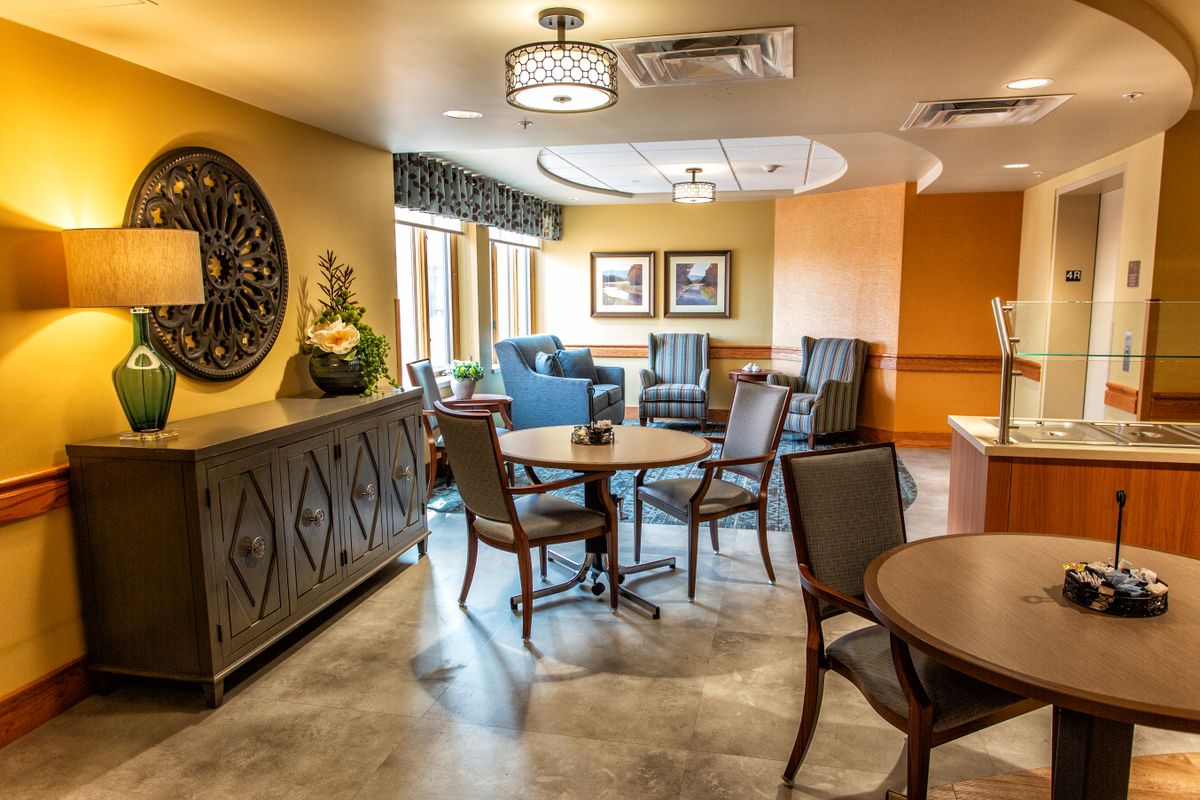
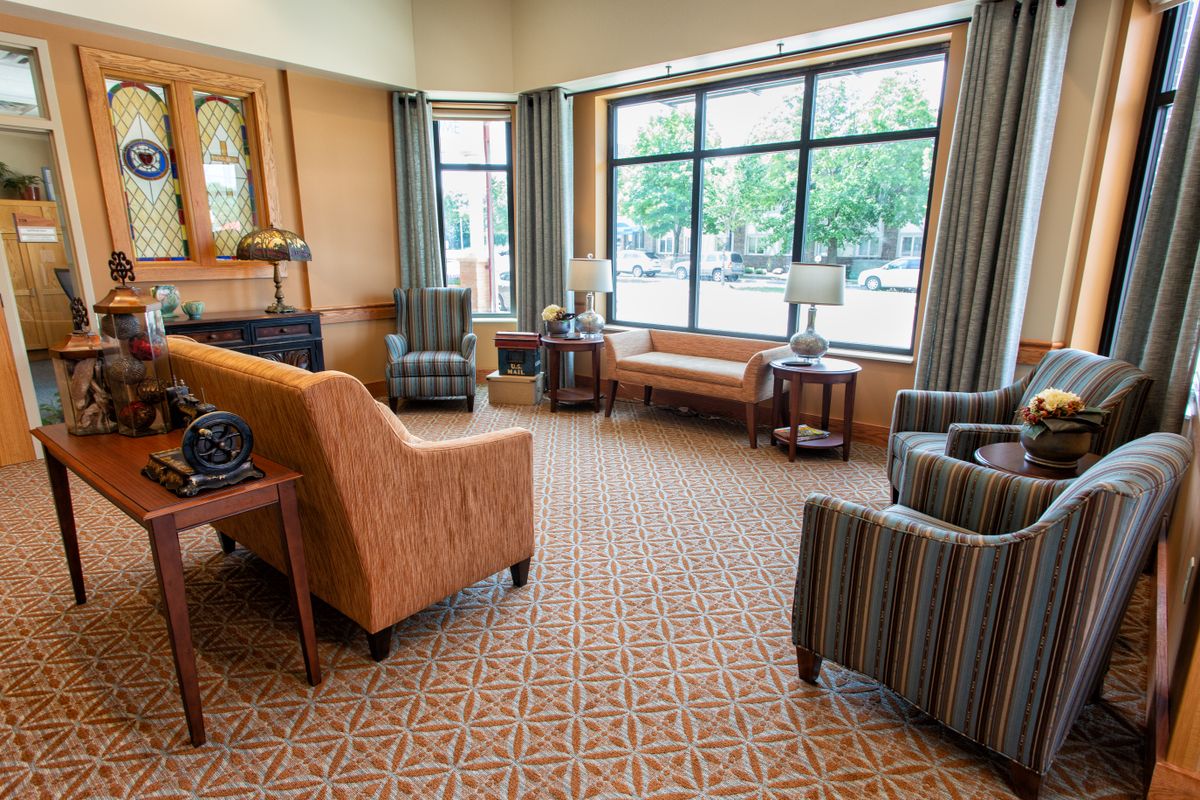
    A cozy living room with modern furnishings and large windows.
  • Building

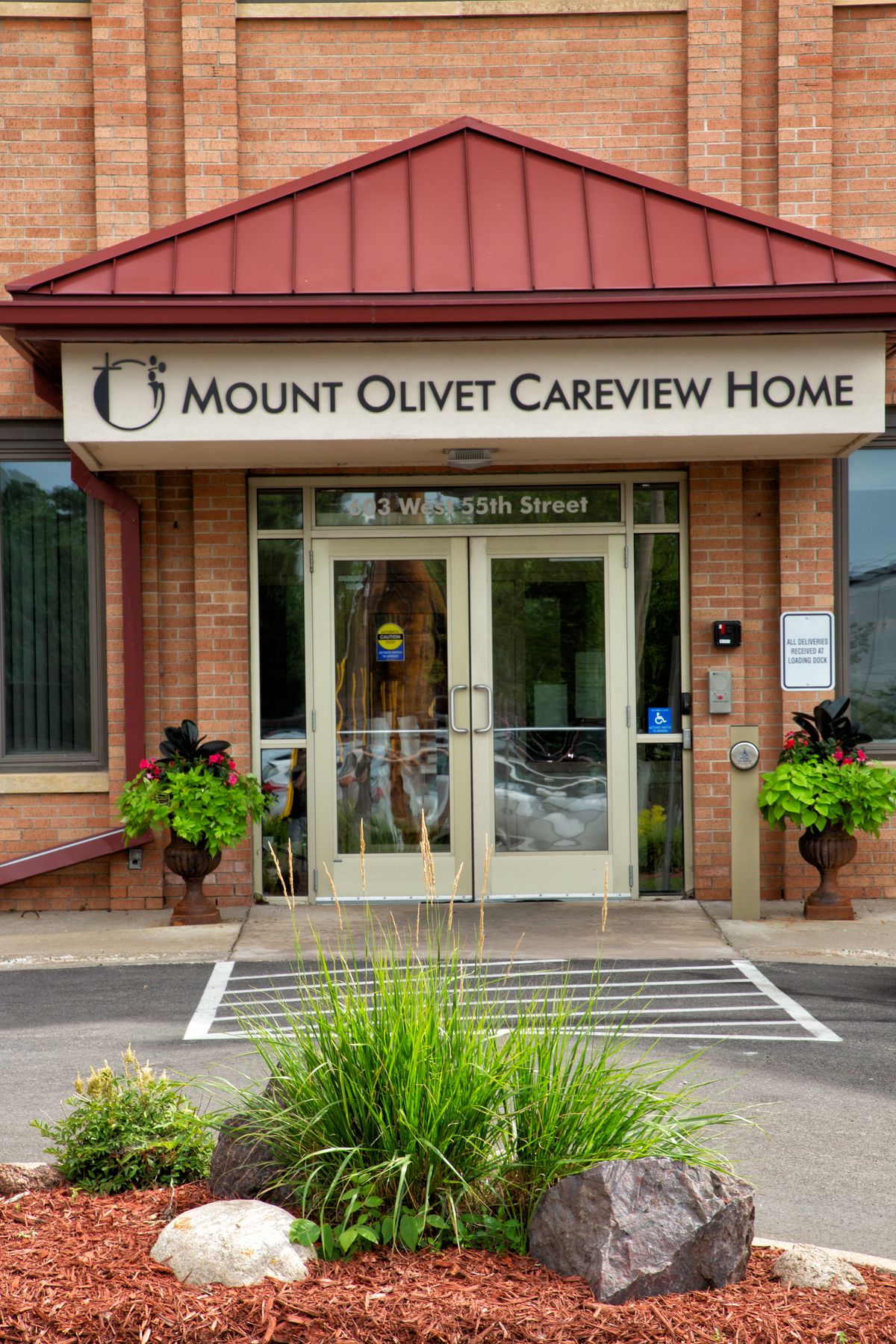
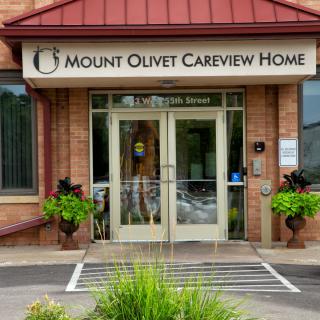
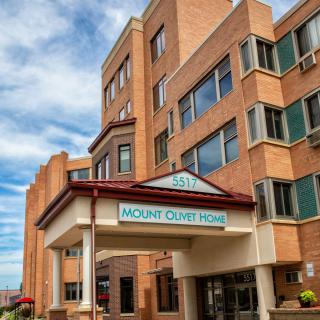
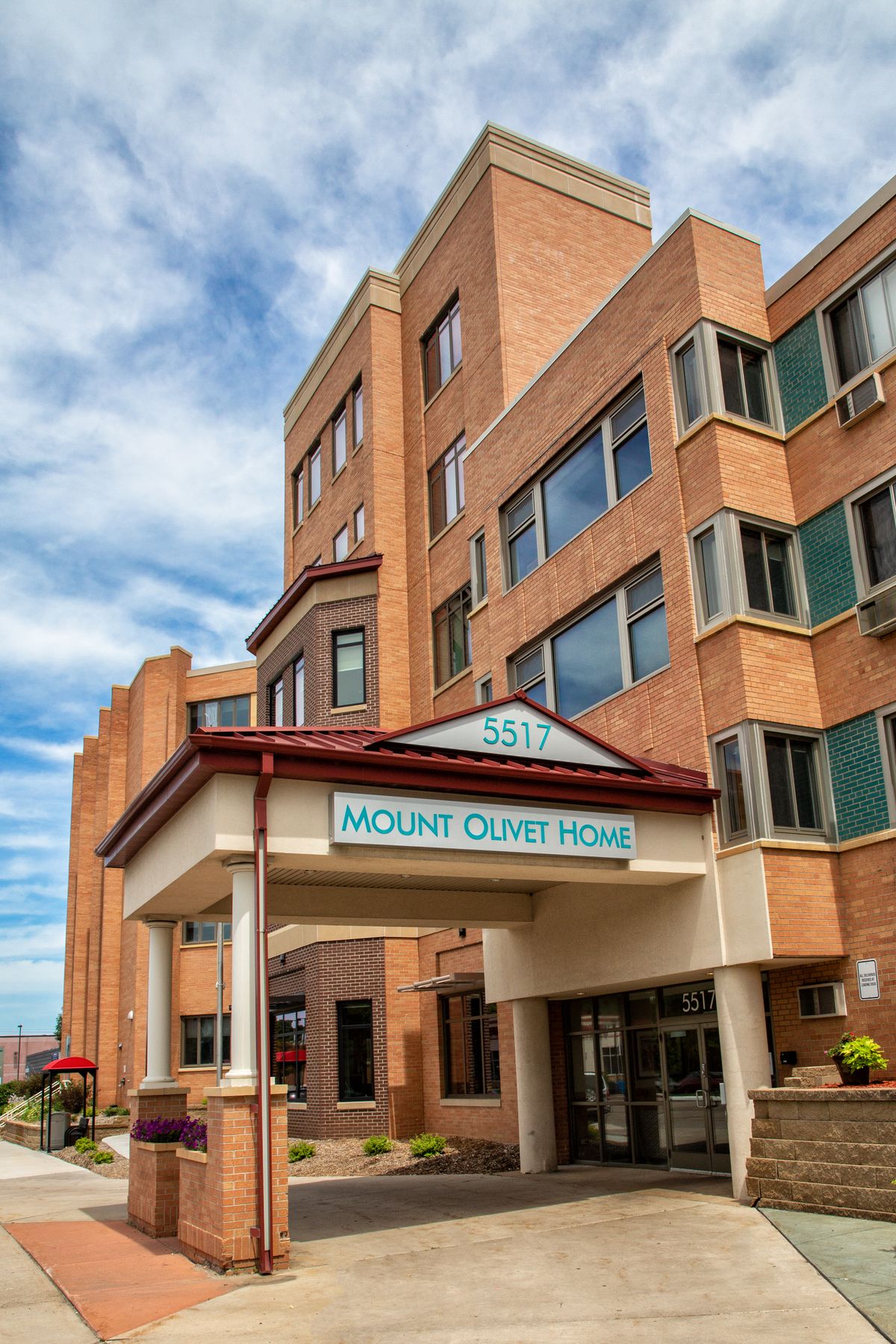
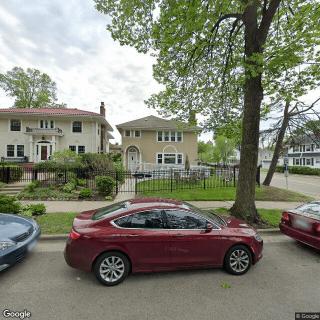
    Entrance of Mount Olivet Careview Home with visible signage.
  • Architecture

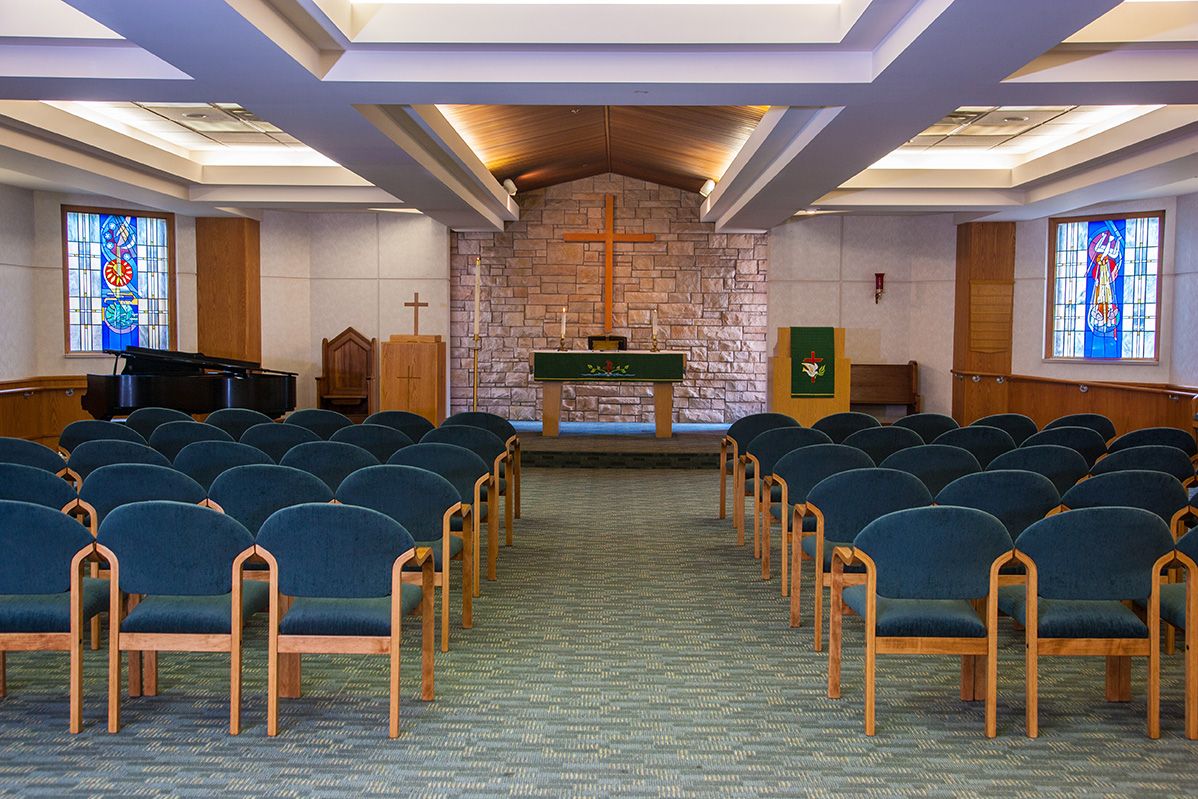
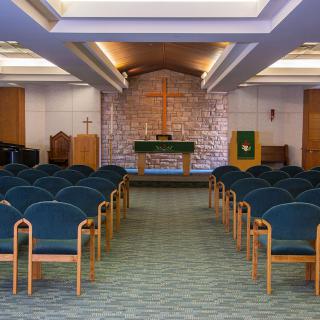
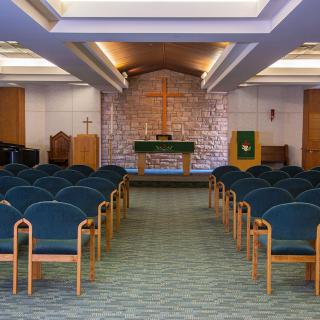
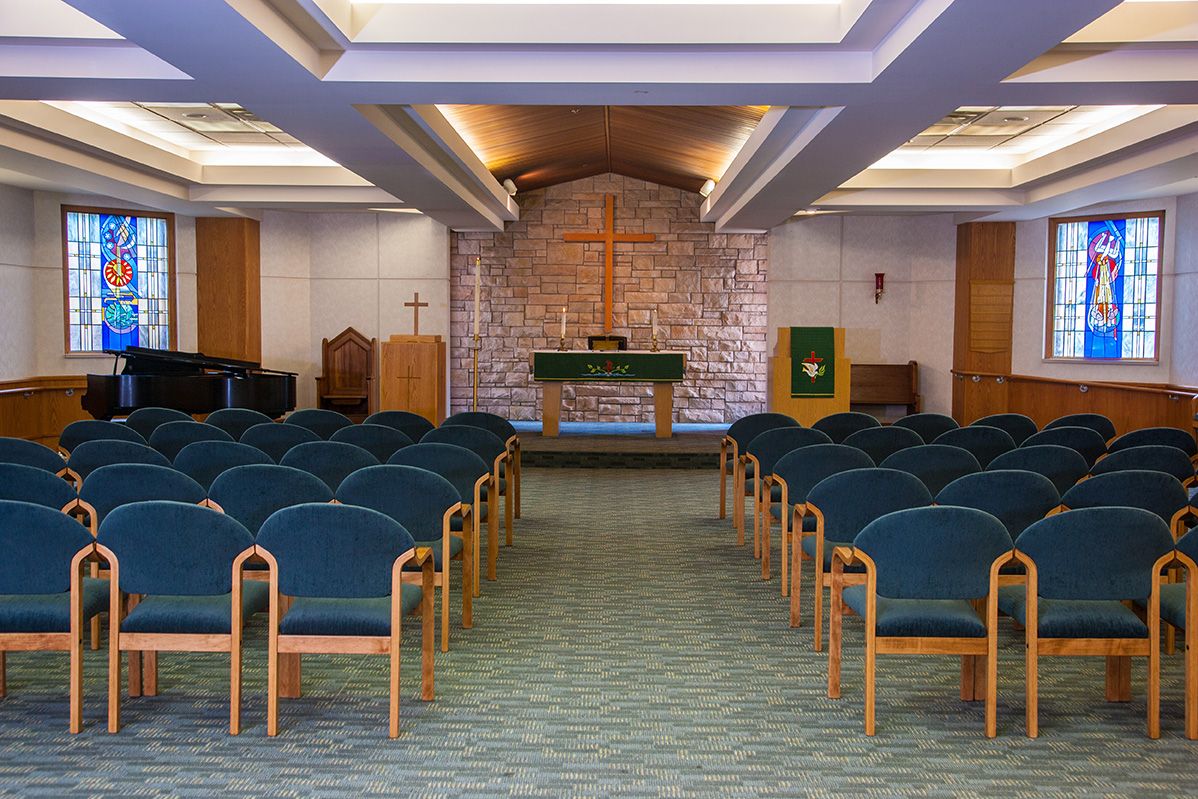
    An empty chapel interior with rows of chairs facing the altar.
  • Bedroom

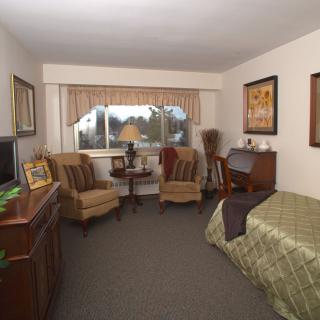
    A cozy bedroom with two chairs, a bed, and a large window.
  • Landscaping

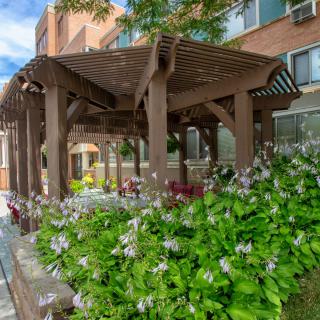
    A wooden gazebo surrounded by lush greenery and flowers, adjacent to a building.
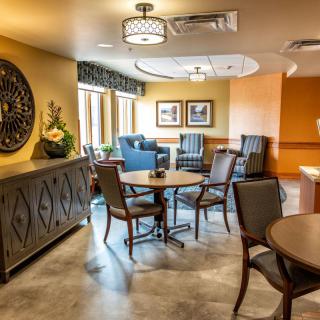
  • Lighting

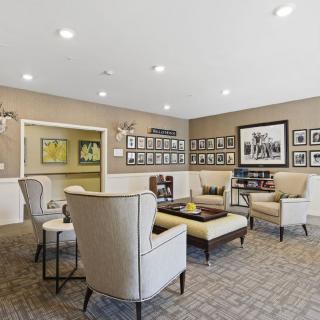
    A cozy lounge area with comfortable seating, decorative elements, and warm lighting.
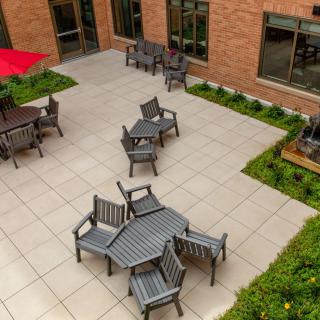
  • Garden

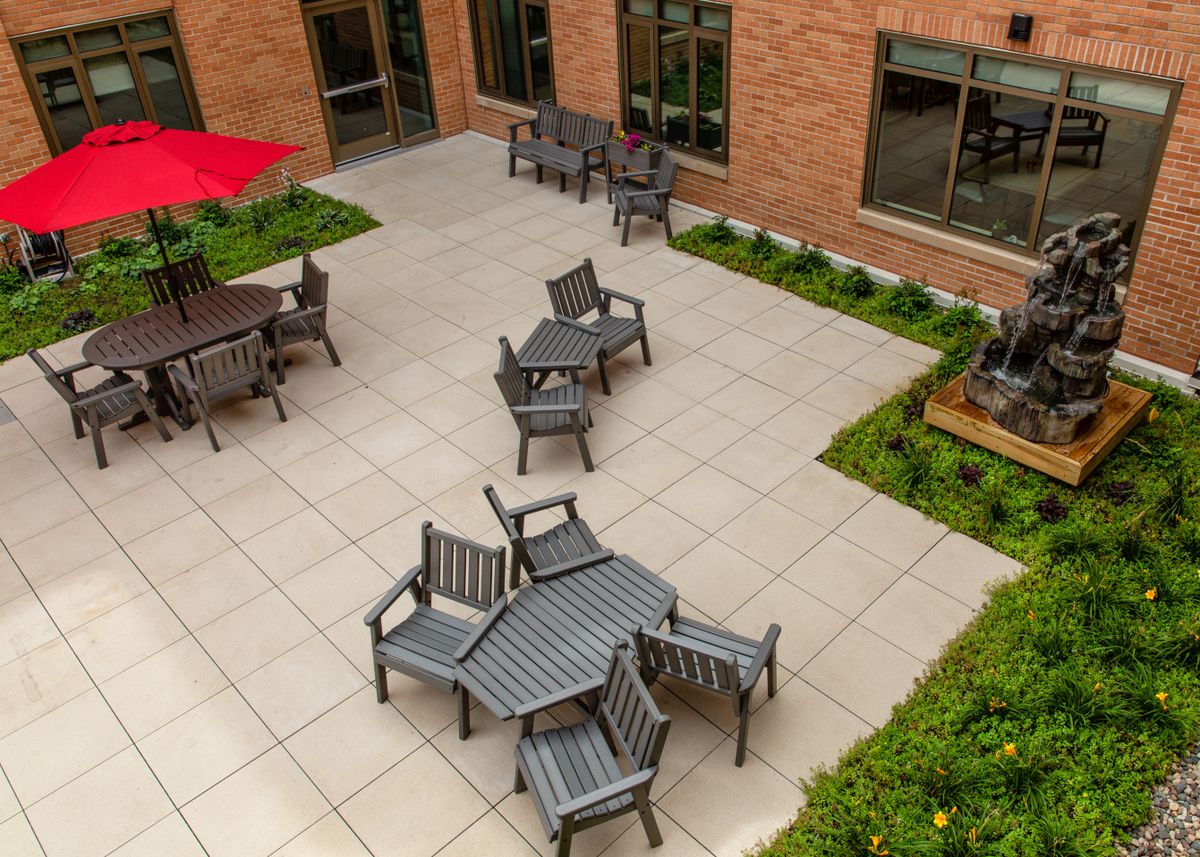
    An outdoor courtyard with tables and chairs set up on a patio next to a brick building.
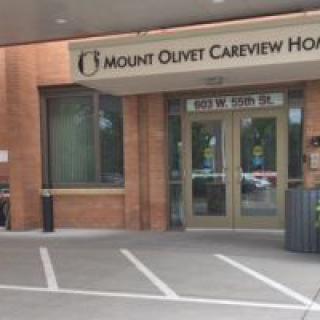
  • Entrance

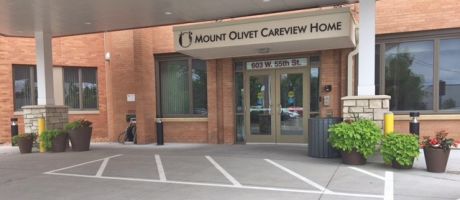
    Entrance to Mount Olivet Careview Home with parking area.
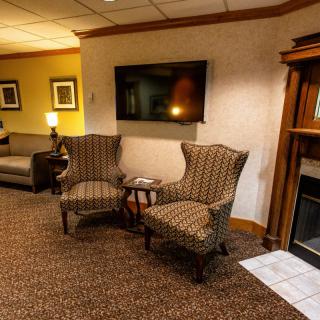
  • Fireplace

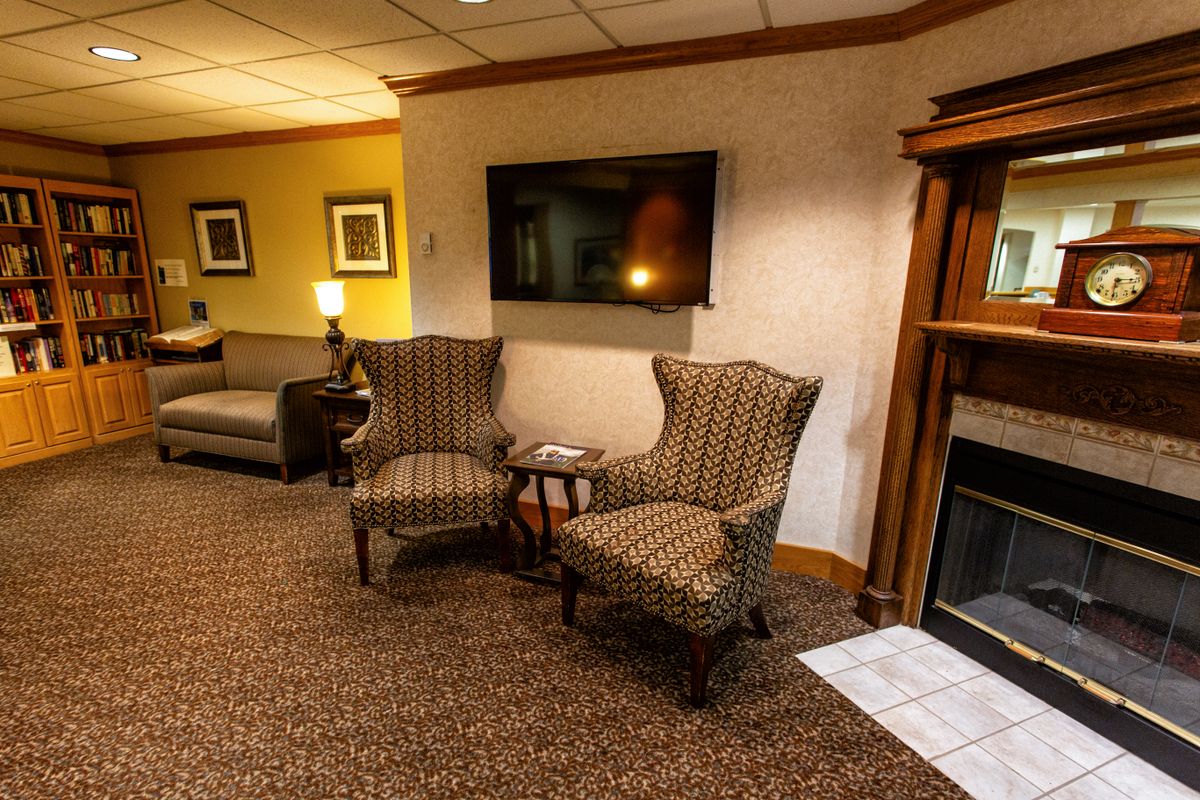
    A cozy living room with chairs, a television, and a fireplace.
  • Healthcare

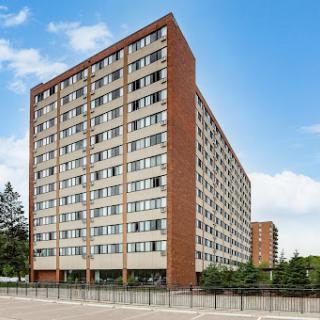
    The exterior of Mount Sinai Hospital with a clear sky in the background.
  • Church

    An empty chapel with rows of seating and an altar at the front.

Mount Olivet Careview Home in Minneapolis, MN

Information last verified:

5517 Lyndale Avenue South, Minneapolis, MN 55419

For more information about senior living options: (844) 490-3973

3.5 from 49 reviews
5 stars
25
4 stars
5
3 stars
2
2 stars
4
1 stars
13

Overall Review of Mount Olivet Careview Home

Pros

  • pro Mount Olivet is described as a blessing for residents and their families.
  • pro The staff are incredibly attentive to residents’ medical needs and pain management.
  • pro They treat residents with dignity and respect and engage with families on a personal level.
  • pro Their holistic approach to healing brings out residents’ positive spirits.
  • pro The care conference team is very caring and keeps families well informed.
  • pro The facility is clean, warm, and offers many activities, including field trips and intergenerational programs.
  • pro The director is exceptionally conscientious, creating a warm, caring culture and a staff that loves their jobs.
  • pro Hot meals are served daily in the main dining room, and families appreciate the on-site dining and overall care.
  • pro The facility is described as a true gem by families, with compassionate care for seniors and children.

Cons

  • pro The facility is described as poorly run, with leadership and management criticized for incompetence and questionable billing practices.
  • pro Some staff are rude and unprofessional, and communication is hindered by language barriers.
  • pro Chronic understaffing leads to long delays for basic tasks and often unanswered bells for help.
  • pro Basic hygiene and resident safety are neglected, with infrequent showers and insufficient assistance leading to injuries.
  • pro Rooms and facilities are poorly maintained, with issues like dirty conditions and non-working air conditioning.
  • pro The food quality is poor, with meals served cold and unappetizing.
  • pro Financial practices are described as aggressive or predatory, causing financial stress for families.
  • pro Care quality varies greatly between floors and staff, resulting in an overall impression of inconsistency.
  • pro The environment is depicted as depressing or dehumanizing, with some reviewers calling it a “place to die.”

Review

Mount Olivet Careview Home is best suited for families seeking skilled-nursing and transitional-care support delivered with noticeable warmth and ongoing family involvement. The community shines for residents who value a person-first approach, where staff strive to see the patient beyond the diagnosis, and where on-site meals, housekeeping, laundry, and basic toiletries are bundled into a straightforward package. It is also a practical fit for those pursuing inpatient rehab or short-to-mid term rehabilitation with an emphasis on individualized attention and a home-like environment, including memory-care options and accessible on-site services. However, this is not a one-size-fits-all choice: the best match requires tolerance for uneven experiences across floors and a willingness to scrutinize leadership, operations, and billing practices. For families prioritizing consistently flawless administration, uniform quality across all units, or strict adherence to swallowing protocols, alternatives should be considered.

On the plus side, Mount Olivet earns credibility through cleanliness, perceived compassion, and a holistic care ethos. Multiple residents and families report staff who are attentive, respectful, and genuinely engaged, able to identify medical issues that had been missed and to coordinate pain management and activities of daily living with visible care. Families repeatedly note that staff members know their loved ones, talk to them with dignity, and treat them like people rather than diagnoses. The facility also earns points for its integrated approach: care conferences with nurses, social workers, nutritionists, and pastors help families stay informed, and residents often enjoy a steady stream of daily activities, family-friendly dining options, and routine access to on-site services such as vision, hearing, dental, and podiatry care. Private rooms, sunlit spaces, the ability to tailor room setups with personal possessions, and third-floor memory-care focus areas add a tangible sense of both safety and hominess.

Yet the pros must be weighed against substantial cons that recur in the reviews. A dominant concern is uneven staffing and leadership quality: some floors run well and some do not, with reports of understaffing, inconsistent supervision, and delays in basic tasks such as water delivery or medication administration. Several memories of rooms or spaces left unclean, air conditioning failing, and meals arriving cold or late intensify worries about daily reliability. The most troubling narratives center on safety and dignity lapses: residents left waiting for help for hours, showers missed or delayed, and occasional clinical missteps that culminate in serious harm. One extreme account describes a preventable injury and a breakdown in communication that extends from the bedside to the business office, souring trust in what should be a safe, supportive transition for families during a difficult time.

Business practices and administrative tone emerge as another major fault line. Critiques repeatedly describe billing confusion, aggressive collection behavior, and a perception that the front office is unsympathetic or even predatory. Several families allege that staff and leadership manipulate or misrepresent charges, creating lasting resentment that colors any impression of the care itself. Language barriers and perceived caregiver condescension further cloud the experience for some residents, leaving families feeling uncertain about how decisions are made and how resident needs are prioritized. In short, the care quality can be excellent in moments, but governance and communication gaps undermine consistency and trust.

The practical takeaway is clear: for families navigating complex care needs with an emphasis on rehab potential, memory-care suitability, and a preference for a warm, person-centered environment, Mount Olivet Careview Home can deliver meaningful benefits. The strong points, compassionate staff, a holistic care framework, engaged family conferences, and convenient on-site services, can offset many concerns when oversight is constant and expectations are explicit. However, the facility’s risk factors are real and substantive: staffing variability, leadership gaps, hygiene and safety inconsistencies, and financially fraught administrative practices can dramatically tilt the balance away from a calm, predictable experience. Prospective residents who require uniform quality, consistent staffing, and transparent, patient-centered administration may find greener pastures elsewhere.

For families weighing Mount Olivet, a disciplined due-diligence routine is nonnegotiable. Visit multiple floors and observe care in real time, not just common areas; ask specifically about staffing ratios during different shifts, response times to bells, and how medication and hydration are managed for incoherent or confused residents. Inspect the most problematic spaces noted in reviews, rooms, bathrooms, and dining areas, and verify whether issues have been addressed. Probe the IDDSI swallowing protocol standing and whether residents with dysphagia can be safely managed; the absence of protocol adherence can be a deal-breaker for some. Review the care-planning process, frequency of updates, and who supervises the care teams to gauge whether the “care conference” model translates into measurable daily improvements. And, crucially, scrutinize billing histories and the business office’s responsiveness before committing, because a facility’s financial conduct often foreshadows the level of day-to-day care coordination.

In the end, Mount Olivet Careview Home offers a practical, well-intentioned option for families who can actively partner with the staff, maintain vigilance over care quality, and tolerate some variability in the day-to-day experience. It is less suitable for those seeking a consistently premium, uniformly governed environment with flawless operations and transparent, customer-centered billing. For the right resident, one who benefits from rehab-minded attention, on-site services, and a caregiving culture that values personhood, the potential payoff is substantial. For others, especially those who must avoid inconsistencies in care delivery and administrative friction, it is wise to explore alternatives that provide steadier staffing, clearer communication, and uncompromising clinical oversight.

Features

Housing

  • 155 resident community capacity 155 resident community capacity

Types of Care

  • Independent Living Independent LivingIndependent living communities are important for seniors because they offer a safe and supportive environment where older adults can live independently while still having access to amenities and services that enhance their quality of life. These communities provide social opportunities, recreational activities, and assistance with daily tasks, promoting overall well-being and allowing seniors to maintain their independence for as long as possible.
  • Memory Care Memory CareMemory care is crucial for seniors as it provides specialized support and services for individuals with dementia or Alzheimer's disease. These programs offer a safe and secure environment where residents receive personalized care, cognitive stimulation, and help with daily activities. Memory care helps seniors maintain their independence, quality of life, and dignity while also providing peace of mind for their families.
  • Skilled Nursing Facility Skilled Nursing FacilitySkilled Nursing Facilities are crucial for seniors as they provide round-the-clock medical care, rehabilitation services, and assistance with daily activities. These facilities ensure that seniors receive the specialized care they need to maintain their health and well-being as they age.

Amenities

  • Air-conditioning Air-conditioningAir conditioning is important for seniors as they are more vulnerable to heat-related illnesses and may have underlying health conditions that make it difficult for them to regulate their body temperature. It helps to keep them comfortable, safe, and healthy in hot weather.
  • Beauty salon Beauty salonBeauty salons are important for seniors because they provide a space for them to feel pampered, socialize, and maintain their personal grooming and hygiene. Regular visits to a beauty salon can help boost seniors' self-esteem and overall well-being.
  • Cable or satellite TV Cable or satellite TVCable or satellite TV is important for seniors because it provides entertainment, news, and companionship, helping to combat loneliness and boredom. It also offers a wide range of programming options tailored to different interests and preferences.
  • Computer center Computer centerA computer center is essential for seniors as it provides access to technology, communication tools, and resources that can enhance their daily lives. It allows them to stay connected with loved ones, engage in online activities, and learn new skills, ultimately promoting socialization and mental stimulation.
  • Dining room Dining roomDining rooms are important for seniors as they provide a space for socialization, connection, and nutritious meals. They offer opportunities for residents to bond over shared meals, foster a sense of community, and promote healthy eating habits. Dining rooms also ensure that seniors have access to well-balanced meals tailored to their dietary needs and preferences.
  • Fitness room Fitness roomHaving a fitness room in a senior living community is essential for seniors to stay active, maintain their physical health, and improve their overall well-being. Regular exercise can help prevent falls, reduce the risk of chronic diseases, and promote mental sharpness. It also provides social opportunities for residents to connect with others and enjoy a sense of community.
  • Fully furnished Fully furnishedFully furnished senior living communities are important for seniors because they provide convenience, comfort, and a hassle-free moving experience. Seniors can easily settle into their new living space without the stress of having to buy and move furniture. This allows them to focus on enjoying their new home and community.
  • Gaming room Gaming roomGaming rooms are important for seniors as they provide a fun and engaging environment for socializing, cognitive stimulation, and physical activity. Games can improve memory, problem-solving skills, and overall mental well-being while fostering friendships and reducing feelings of isolation.
  • Garden GardenGardens are important for seniors as they provide a peaceful and therapeutic environment for relaxation, physical activity, and socialization. Being in nature has been shown to reduce stress, improve mood, and promote overall well-being. Gardens also offer opportunities for seniors to engage in gardening activities, which can improve mobility, flexibility, and cognitive function. Additionally, gardens create a sense of community and connection with others who share a passion for plants and outdoor spaces.
  • Housekeeping services Housekeeping servicesHousekeeping services are important for seniors because they help maintain a clean and safe living environment, promote independence, and reduce the risk of accidents or illnesses. Additionally, having assistance with household chores can alleviate physical strain and allow seniors to focus on other aspects of their well-being.
  • Kitchenette KitchenetteKitchenettes are important for seniors living in senior living communities because they provide the convenience and independence of being able to prepare simple meals and snacks in the comfort of their own living space. This can help promote a sense of autonomy and well-being for seniors, allowing them to maintain some level of control over their dietary choices and daily routines.
  • Move-in coordination Move-in coordinationMove-in coordination is important for seniors because it helps ease the transition into their new living environment. It ensures that all logistics, such as packing, organizing movers, and setting up utilities are taken care of, allowing seniors to focus on settling in and adjusting to their new home. Having a smooth move-in process can alleviate stress and anxiety, making the transition smoother and more enjoyable for seniors.
  • Outdoor space Outdoor spaceOutdoor spaces are important for seniors as they provide opportunities for physical activity, social interaction, exposure to natural light and fresh air, and a sense of connection to nature. Having access to outdoor spaces can improve overall well-being and quality of life for older adults living in senior communities.
  • Private bathrooms Private bathroomsPrivate bathrooms are important for seniors in senior living communities because they provide independence, dignity, and comfort. Having a private bathroom allows seniors to maintain their personal hygiene routines without the need for assistance, promoting a sense of autonomy and privacy. Additionally, private bathrooms help prevent the spread of infections and provide a safe and clean environment for seniors to navigate safely.
  • Restaurant-style dining Restaurant-style diningRestaurant-style dining is important for seniors because it allows them to enjoy delicious, nutritious meals in a social and upscale setting. This enhances their dining experience, promotes healthy eating habits, and fosters socialization with fellow residents, ultimately contributing to their overall well-being and quality of life.
  • Small library Small librarySmall libraries are important for seniors as they provide access to a variety of reading materials, including books, newspapers, and magazines. This can help stimulate their minds, keep them engaged, and provide a sense of community through book clubs and other social activities. Additionally, reading has been shown to improve cognitive function and overall mental well-being in older adults.
  • Telephone TelephoneTelephones are important for seniors as they provide a lifeline for communication with loved ones, emergency services, and healthcare providers. They offer a sense of security and independence, enabling seniors to stay connected and access assistance when needed.
  • Wellness center Wellness centerWellness centers are important for seniors because they offer a variety of programs and services that promote physical, mental, and emotional well-being. These centers provide opportunities for exercise, socialization, education, and relaxation, helping seniors maintain their overall health and quality of life.
  • Wi-Fi/high-speed internet available Wi-Fi/high-speed internet availableWi-Fi/high-speed internet is important for seniors to stay connected with loved ones, access online resources, and participate in virtual activities to combat feelings of loneliness and isolation. It also allows them to easily manage healthcare needs, access entertainment, and engage in lifelong learning opportunities.

Transportation

  • Minneapolis-St Paul International (4 miles away) Minneapolis-St Paul International (4 miles away)
  • Community operated transportation Community operated transportationCommunity operated transportation is crucial for seniors as it provides them with the means to access essential services, social activities, and medical appointments. It allows seniors to maintain their independence and quality of life by ensuring they can participate in activities outside of their homes. Additionally, community-operated transportation services offer a safe and reliable way for seniors to travel without having to rely on family or friends for assistance.
  • Transportation arrangement Transportation arrangementTransportation arrangements are crucial for seniors as they may face challenges with driving, mobility, or access to public transportation. Having reliable transportation services ensures that seniors can easily attend appointments, social activities, and maintain their independence and quality of life.
  • Transportation arrangement (non-medical) Transportation arrangement (non-medical)Transportation arrangements are essential for seniors as they provide access to essential services, activities, and social interactions outside the home. This service helps maintain independence, mobility, and overall well-being for seniors who may have limited transportation options.
  • Transportation to doctors appointments Transportation to doctors appointmentsTransportation to doctors appointments is crucial for seniors as it ensures they have access to necessary medical care and support, promoting their health and well-being. It allows them to receive timely treatment, monitor existing conditions, and address any new health concerns efficiently. Additionally, transportation services can help seniors maintain their independence and quality of life by enabling them to stay connected with their healthcare providers.

Care Services

  • 12-16 hour nursing 12-16 hour nursing12-16 hour nursing care is crucial for seniors in order to ensure around-the-clock monitoring, timely medication administration, and prompt response to any health concerns or emergencies. This level of care helps to promote the overall well-being and safety of seniors living in senior living communities.
  • 24-hour call system 24-hour call system24-hour call systems are important for seniors because they provide peace of mind and immediate assistance in case of emergencies. This technology ensures that help is always available, promoting safety and security for elderly individuals living alone or in assisted living facilities.
  • 24-hour supervision 24-hour supervision24-hour supervision is important for seniors to ensure their safety, well-being, and access to immediate assistance in case of emergencies or health issues. This constant support provides peace of mind for both seniors and their loved ones, allowing them to age in place with dignity and security.
  • Activities of daily living assistance Activities of daily living assistanceActivities of daily living assistance are important for seniors because they provide essential support with tasks such as eating, bathing, dressing, and mobility. This assistance helps seniors maintain their independence, dignity, and overall quality of life as they age.
  • Assistance with bathing Assistance with bathingAssistance with bathing is crucial for seniors as it helps maintain personal hygiene, prevents infections, and ensures their overall well-being and comfort. It also provides a sense of dignity and independence for seniors who may struggle with this task on their own.
  • Assistance with dressing Assistance with dressingAssistance with dressing is important for seniors because it helps maintain their independence, promotes personal hygiene, prevents accidents and injuries, and improves overall quality of life. This service ensures that seniors can continue to dress comfortably and confidently, despite any physical limitations they may have.
  • Assistance with transfers Assistance with transfersAssistance with transfers is crucial for seniors as it helps prevent falls and injuries, maintains their independence, and ensures they can safely navigate their living environment. It also provides peace of mind for both seniors and their loved ones.
  • Diabetes diet Diabetes dietA diabetes diet is crucial for seniors as it helps manage blood sugar levels, reduce risks of complications, and improve overall health and well-being. By following a balanced and nutritious diet tailored to their specific needs, seniors can better control their diabetes and enhance their quality of life.
  • Meal preparation and service Meal preparation and serviceMeal preparation and service are crucial for seniors as they may have limited mobility or energy to cook nutritious meals. Having access to healthy and convenient food options can ensure they are getting the proper nutrition needed to maintain their overall health and well-being.
  • Medication management Medication managementMedication management is crucial for seniors to ensure they are taking the right medications at the correct dosages and times. This helps prevent adverse drug interactions, reduces the risk of medication errors, and promotes overall health and well-being. Proactive management also allows for adjustments as needed based on changing health conditions or new prescriptions.
  • Mental wellness program Mental wellness programMental wellness programs are essential for seniors as they promote cognitive stimulation, emotional support, and social engagement. These programs help prevent isolation, depression, and cognitive decline, ultimately enhancing the overall quality of life for older adults.
  • Mild cognitive impairment Mild cognitive impairment"Mild cognitive impairment" is important for seniors because it is an early stage of cognitive decline that can potentially progress to more severe conditions such as dementia. Recognizing and addressing mild cognitive impairment can help seniors receive appropriate care and support to maintain their quality of life and independence for as long as possible.
  • Special dietary restrictions Special dietary restrictionsSpecial dietary restrictions are important for seniors because age-related changes in metabolism and health conditions can make it difficult for their bodies to process certain foods. By following a diet tailored to their specific needs, seniors can maintain their overall health and well-being, manage chronic conditions, and reduce the risk of complications such as malnutrition or food interactions with medications.
  • Specialized memory care programming Specialized memory care programmingSpecialized memory care programming is crucial for seniors with cognitive impairments such as dementia or Alzheimer's disease. These programs provide a safe and supportive environment tailored to the unique needs of individuals with memory loss, helping them maintain their independence, dignity, and quality of life.

Dining

  • Diabetes diet Diabetes dietA diabetes diet is crucial for seniors as it helps manage blood sugar levels, reduce risks of complications, and improve overall health and well-being. By following a balanced and nutritious diet tailored to their specific needs, seniors can better control their diabetes and enhance their quality of life.
  • Special dietary restrictions Special dietary restrictionsSpecial dietary restrictions are important for seniors because age-related changes in metabolism and health conditions can make it difficult for their bodies to process certain foods. By following a diet tailored to their specific needs, seniors can maintain their overall health and well-being, manage chronic conditions, and reduce the risk of complications such as malnutrition or food interactions with medications.

Activities

  • Community-sponsored activities Community-sponsored activitiesCommunity-sponsored activities are important for seniors as they provide opportunities for social interaction, mental stimulation, and physical activity. These activities can help improve overall well-being, combat loneliness and isolation, and promote a sense of belonging and purpose among older adults.
  • Concierge services Concierge servicesConcierge services are essential for seniors as they provide assistance with daily tasks and errands, enhance their quality of life by offering convenience and personalized care, and promote a sense of safety and security.
  • Fitness programs Fitness programsFitness programs are crucial for seniors as they help improve strength, flexibility, balance, and overall well-being. Staying active can reduce the risk of chronic diseases, improve mental health, and enhance quality of life in older adults.
  • Planned day trips Planned day tripsPlanned day trips are important for seniors because they offer opportunities for socialization, mental stimulation, and physical activity. They provide a change of scenery and help seniors stay engaged and connected to their community, promoting overall well-being and quality of life.
  • Resident-run activities Resident-run activitiesResident-run activities are important for seniors as they encourage social interaction, creativity, and a sense of autonomy. These activities empower seniors to stay engaged and active in their community while fostering meaningful connections with their peers.
  • Scheduled daily activities Scheduled daily activitiesScheduled daily activities are important for seniors because they provide structure, socialization, mental stimulation, and physical activity. Engaging in regular activities can improve overall well-being and quality of life for seniors living in a community setting.

Description

Mount Olivet Careview Home in Minneapolis, MN is an assisted living community that provides memory care and skilled nursing facility services. Our residents enjoy a range of amenities designed to promote comfort, convenience, and a high quality of life.

Our community features a beauty salon, cable or satellite TV, community-operated transportation for outings and appointments, a computer center for staying connected with loved ones, and a well-appointed dining room offering restaurant-style meals. Residents can also take advantage of our fitness room to stay active and maintain their health.

To enhance socialization and entertainment options, we have a gaming room, small library, and outdoor space for enjoying the fresh air. Housekeeping services are provided to ensure a clean and tidy living environment. Each resident has a private bathroom for their convenience.

We understand the importance of maintaining connections to family members and friends, which is why we offer move-in coordination services as well as transportation arrangements for non-medical purposes such as visiting loved ones or running errands. Our wellness center supports our residents' physical and mental wellbeing with various programs.

Our staff is available 24/7 to provide assistance whenever needed. We offer help with activities of daily living such as bathing, dressing, transfers, and medication management. For those with dietary restrictions or conditions like diabetes, we provide specialized meal preparation and service.

For residents needing memory care support, our community offers specialized programming tailored to address cognitive impairments. We also have a mental wellness program in place to support overall emotional health.

In addition to the amenities and care services we provide on-site at Mount Olivet Careview Home, there are numerous nearby conveniences including cafes, parks, pharmacies, physicians' offices, restaurants, transportation options (such as buses), places of worship, theaters for cultural outings or entertainment purposes) ,and hospitals for medical emergencies or specialized care needs.

At Mount Olivet Careview Home in Minneapolis MN., we strive to create a warm and inviting environment where our residents can feel at home while receiving the care they need.

Nearby Places of Interest

Pharmacies

  • Walgreens (0.1 miles)
  • Walgreens (1.3 miles)
  • CVS Pharmacy (1.7 miles)
  • Walgreens (2 miles)
  • Walgreens (2.2 miles)
  • Lunds & Byerlys 50th Street Edina (2.2 miles)
  • Walgreens (2.4 miles)

Physicians

  • Southwest Dermatology Specialist (1.2 miles)
  • Fairview Southdale Physicians Building (2.2 miles)
  • University of Minnesota Physicians Heart at Fairview Southdale Hospital (2.3 miles)
  • CCRM Fertility of Minneapolis (2.3 miles)
  • Twin Cities Orthopedics Edina - Crosstown (2.4 miles)
  • Endocrinology Clinic of Minneapolis (3.1 miles)
  • Southdale Pediatrics (3.2 miles)

Restaurants

  • Pizza Lucé Richfield (1.3 miles)
  • McDonald's (1.4 miles)
  • Taco Bell (2.1 miles)
  • Chipotle Mexican Grill (2.3 miles)
  • Shake Shack (2.4 miles)
  • Taco Bell (2.9 miles)
  • Culver's (2.9 miles)

Parks

  • Taft Park (2 miles)
  • Bossen Field (2.7 miles)
  • Lake Hiawatha Park (3 miles)
  • Centennial Lakes Park (3.1 miles)
  • Wabun Picnic Area (4.2 miles)
  • Longfellow Park (4.2 miles)
  • Minnehaha Falls Dog Park (4.4 miles)

Hospitals

  • Fairview Southdale Hospital (2.2 miles)
  • VA Medical Center (4 miles)
  • Park Nicollet Methodist Hospital (4.1 miles)
  • Csc Gi Lab (4.9 miles)
  • Hennepin County Medical Center (5 miles)

Cafes

  • Starbucks (2.2 miles)
  • Jinx Tea (2.4 miles)
  • Panera Bread (2.8 miles)
  • Starbucks (3.2 miles)
  • Spyhouse Coffee (3.9 miles)
  • Dunn Brothers Coffee (4.5 miles)

Theaters

  • 0705 Amc Southdale 16 (2.4 miles)

Transportation

  • Terminal 2-Humphrey (3.5 miles)
  • TSA Checkpoint 1 (3.5 miles)
  • Delta Employee Bus Stop #1 (3.7 miles)
  • Concourse F (3.8 miles)
  • Concourse E (3.9 miles)
  • Escape Lounge (3.9 miles)
  • Concourse D (4 miles)

Places of Worship

  • Westminster Presbyterian Church (4.8 miles)
  • Shepherd of the Hills Lutheran Church (4.9 miles)

Frequently Asked Questions

Where is Mount Olivet Careview Home?
Does Mount Olivet Careview Home provide care for residents with dementia or Alzheimer's disease?
What photos are available for Mount Olivet Careview Home in Minneapolis, Minnesota?

Nearby Communities

  • Prudent Care Homes

    Prudent Care Homes

    Minneapolis, MN

    1 from 1 review
     

    pro Fully furnished rooms with 24-hour care, meals, and outdoor space.

  • Superior Home Care

    Superior Home Care

    Minneapolis, MN

    3 from 4 reviews
     

    pro Intimate community with 24-hour supervision, ADL assistance, meals, housekeeping, wellness programs, and transportation.

  • Care Services

    Care Services

    Minneapolis, MN


    pro 24/7 supervision with daily living assistance and engaging activities

  • Rakhma Peace Home

    Rakhma Peace Home

    Minneapolis, MN

    5 from 3 reviews
    $3,715 to $4,980 / month

    pro Memory care services with convenient access to medical, dining, and cultural amenities.

  • Rakhma- Peace

    Rakhma- Peace

    Minneapolis, MN

    5 from 3 reviews
    $4,562 to $7,800 / month

    pro Specialized memory care in a peaceful, supportive environment with comprehensive care and engaging activities.

  • Rakhma

    Rakhma

    Minneapolis, MN

    5 from 3 reviews
     

    pro Specialized memory care with 24/7 supervision and medication management in a small, amenity-rich setting.

  • Gramercy Park Cooperative at Lake Shore Drive

    Gramercy Park Cooperative at Lake Shore Drive

    Richfield, MN

    4.7 from 18 reviews
    $39,000 to $100,000 / month

    pro Strong community feel with secure lobby access and pet-friendly independent living.

  • The Waters on 50th

    The Waters on 50th

    Minneapolis, MN

    4.4 from 41 reviews
    $2,710 to $6,430 / month

    pro Caring staff in a warm, home-like setting with engaging activities and robust on-site amenities.

  • Yorktown Continental

    Yorktown Continental

    Edina, MN

    3.9 from 51 reviews
    $1,181 to $1,417 / month

    pro Warm, welcoming atmosphere with spacious 1-bedroom apartments, active common spaces, and affordable daily meals.

Related Resources

  • in home dementia care costsEstimating the Expenses of At-Home Dementia Care: A Detailed Exploration

    At-home dementia care expenses vary widely based on care levels, location, and caregiver expertise, with monthly costs for home health aides exceeding $4,500 and specialized care potentially surpassing $100,000 annually. While families favor in-home care for its comfort and personalized attention, they must consider financial planning and the challenges of caregiver fatigue.

  • end stage dementiaComprehensive Insights on the Late Stages of Dementia: What to Expect and How to Provide Care

    The article discusses the late stages of dementia, detailing the progression from mild to severe impairment and highlighting key characteristics such as profound cognitive decline and dependency in daily activities. It emphasizes care strategies focused on comfort and dignity, the importance of advance directives, and the emotional support needed for family caregivers facing this challenging journey.

  • list of drugs linked to dementiaMedications Associated with Dementia Risk: A Comprehensive Overview
    The article examines the link between certain medications and increased dementia risk, particularly in older adults, emphasizing that long-term or high-dose use of anticholinergics, benzodiazepines, and other drug classes can exacerbate cognitive impairment. It calls for careful medication evaluation and shared decision-making to mitigate these risks while managing treatment efficacy.