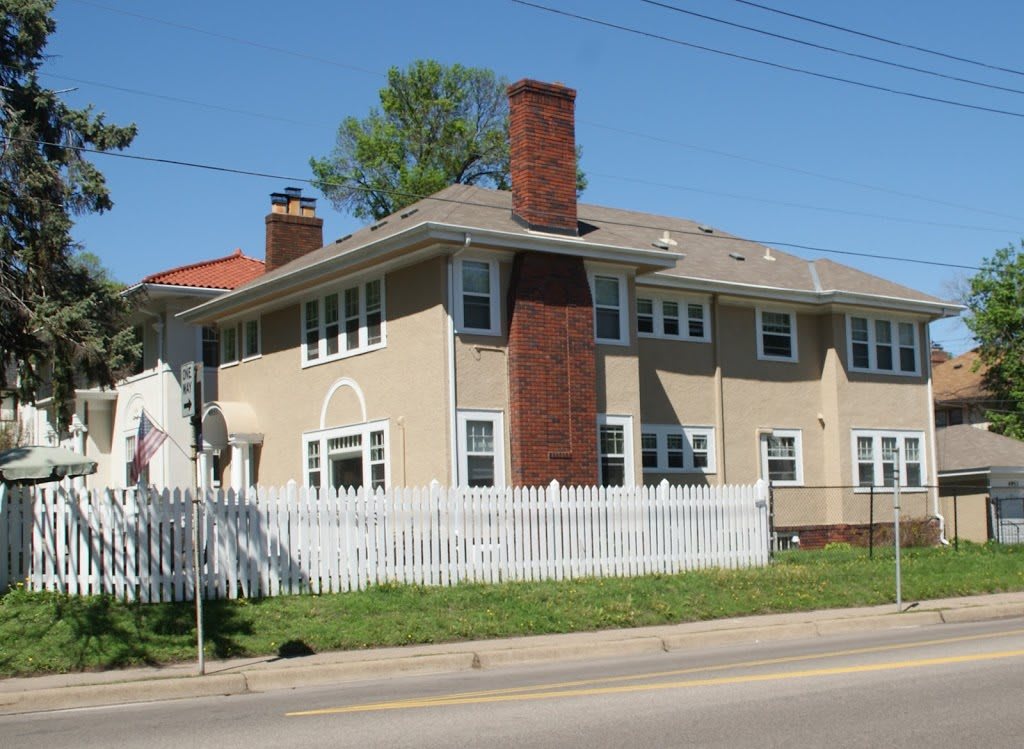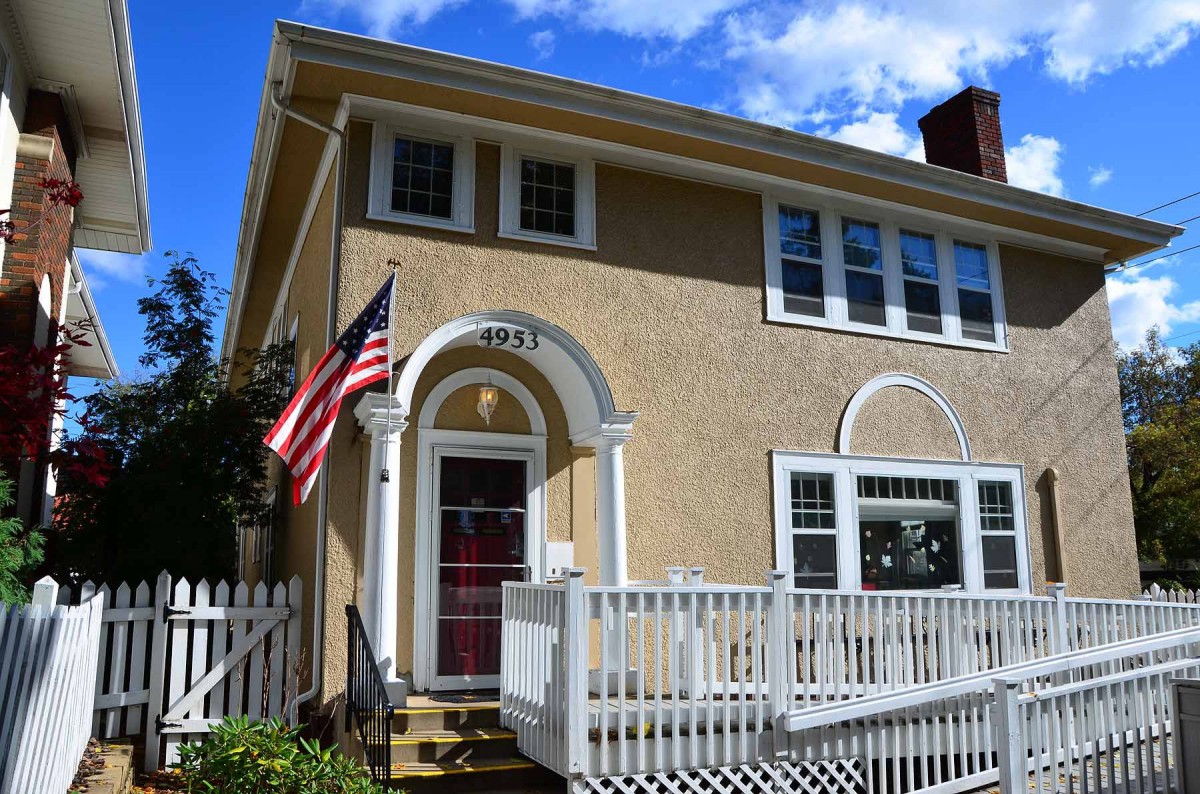
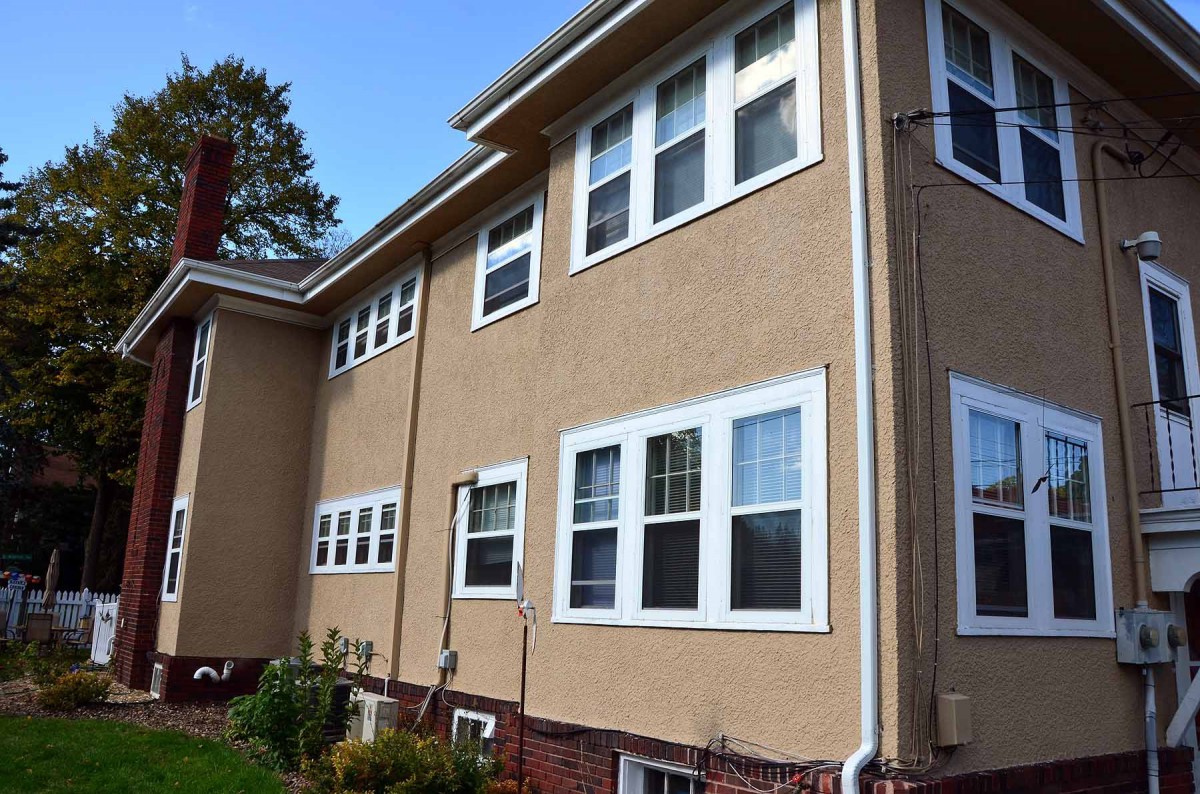
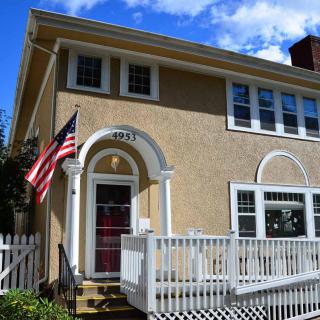
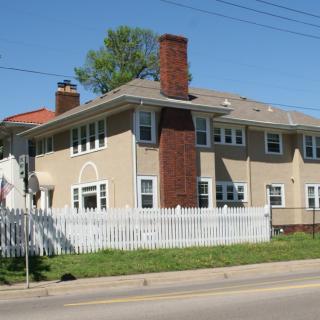
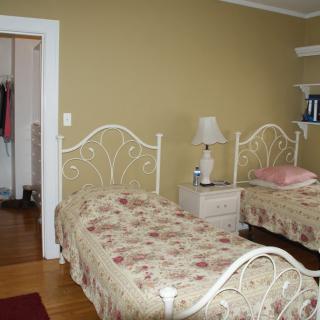
4953 Aldrich Ave South, Minneapolis, MN 55419
To contact a resident: (612) 824-2345
For more information about senior living options: (866) 208-4318
Rakhma- Peace Costs & Pricing
At Rakhma-Peace, the monthly costs for accommodations vary based on the type of room selected. Private rooms are priced between $4,562 and $7,800, which positions them competitively against both Hennepin County and Minnesota state averages - at $5,580 and $5,090 respectively. In contrast, the semi-private option is set at a flat rate of $7,800, which exceeds the average costs observed in Hennepin County and across Minnesota, where semi-private rooms are typically around $4,356 and $4,051. This pricing structure highlights Rakhma-Peace's commitment to providing quality care in a nurturing environment while also reflecting the varying market rates within the region.
| Floor plans | Rakhma- Peace | Hennepin County | Minnesota |
|---|---|---|---|
| Private | $4,562 to $7,800 | $5,580 | $5,090 |
| Semi-Private | $7,800 | $4,356 | $4,051 |
Memory care communities with a similar price nearby
-
from +$838 / mo
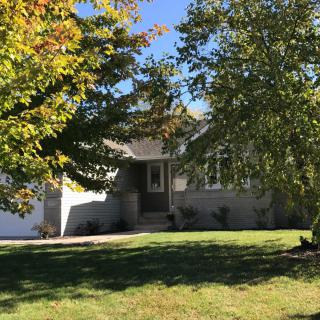
Family Tree Homes
$5,400 / month24.2 miles away -
from +$438 / mo
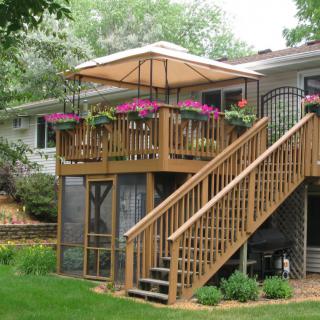
LuAnn's Place
$5,000 to $6,800 / month10.5 miles away -
from -$267 / mo
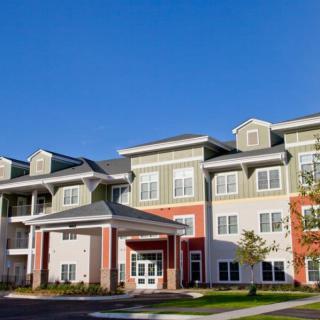
Keystone Place at LaValle Fields
$4,295 to $5,695 / month22.3 miles away -
from -$782 / mo
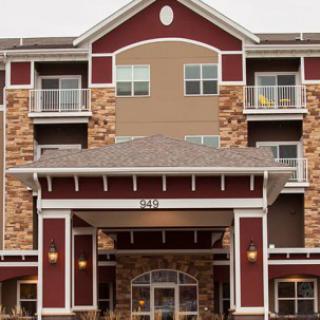
Lilydale Senior Living
$3,780 / month7.5 miles away -
from -$907 / mo
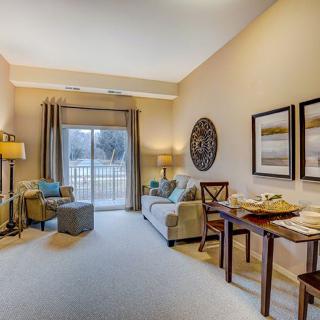
Gable Pines
$3,655 to $4,535 / month15.2 miles away
Overall Review of Rakhma- Peace
Pros
 Rakhma Peace is a real home with caring staff.
- Rakhma Peace Home provides wonderful care and compassion in a warm, comfortable setting.
Cons
 The staff kicked him out when he caused trouble.
- The reviewer regrets not knowing about Rakhma 25 years ago when their dad needed memory care.
Review
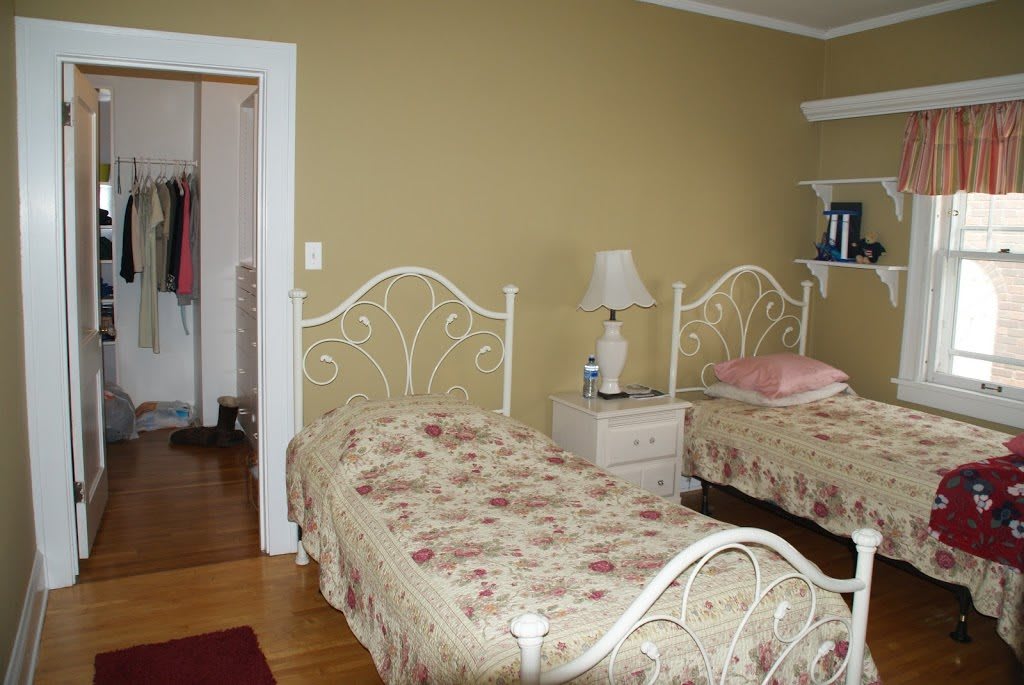
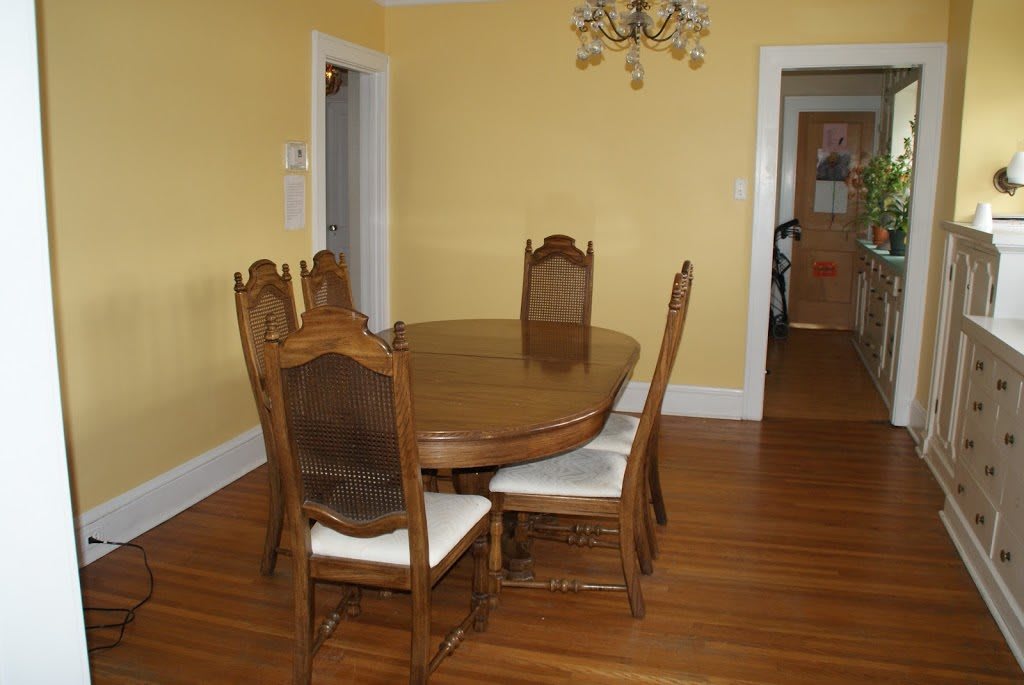
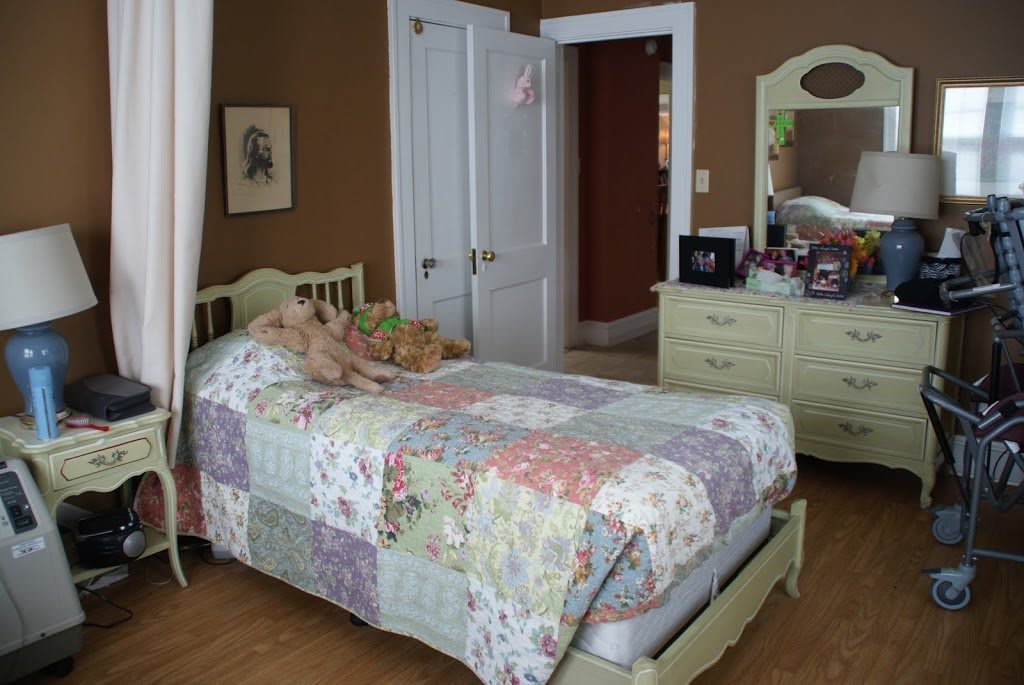
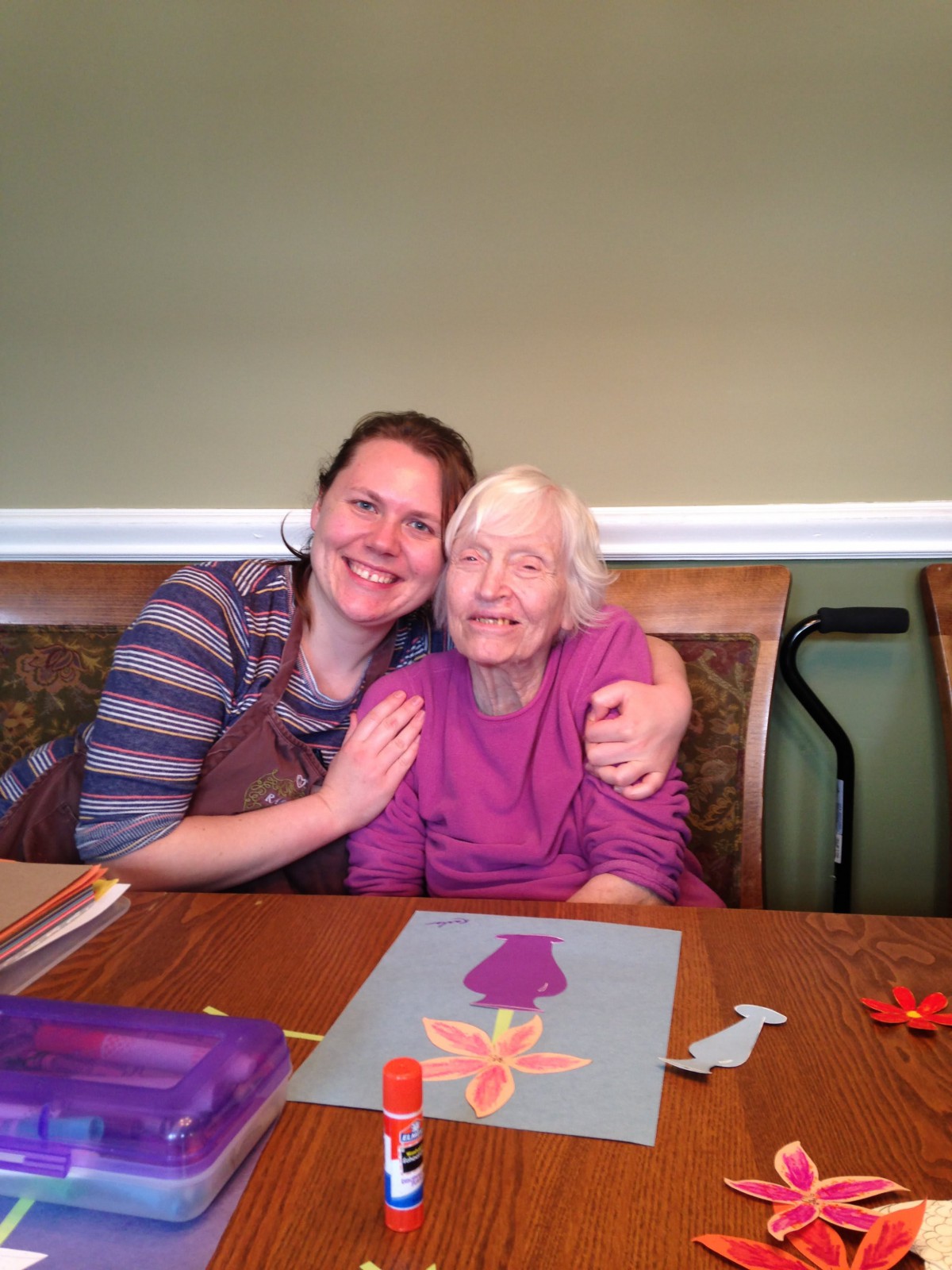
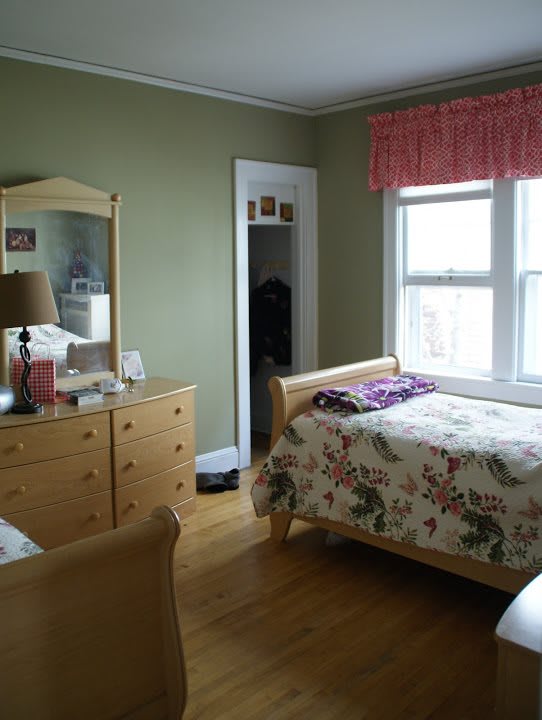
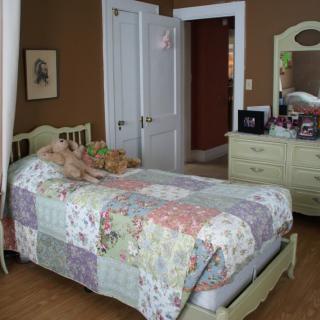
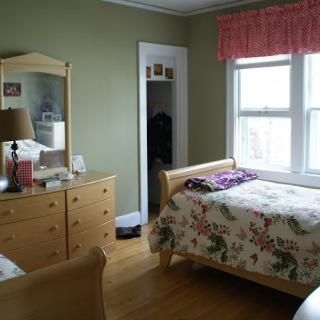
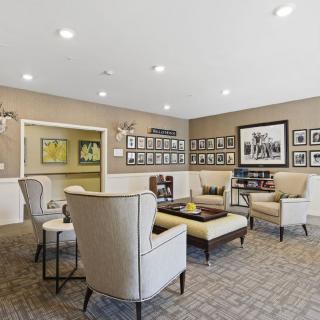
Rakhma Peace is best suited for families seeking a memory-care environment that feels like a real home, small, intimate, and staffed with caregivers who invest in getting to know each resident. The setting is described as warm and comfortable, with a culture of compassion that prioritizes person-centered care over rigid routines. These factors matter most for residents who may struggle to express needs verbally; the staff's willingness to attune themselves to subtle cues and to interpret what a resident is trying to communicate can prevent frustration and decline. For families worried about the institution vibe of larger campuses, this community offers an alternative, dignified living where daily interactions matter as much as safety.
Those who should consider alternatives include families where medical oversight must be immediate and extensive, or where a loved one benefits from a robust social calendar, diverse therapies, and a large staff. If behavioral challenges are frequent and require formal crisis management or if continuous nursing coverage is non-negotiable, a bigger campus with more on-site specialists might be preferable. Another situation is budget-constrained families who equate size and scope with cost savings; larger communities often present different pricing structures and value. In short, for memory care that leans heavily on intimate staff-resident relationships, Rakhma Peace excels; for highly medicalized or highly structured programming, explore other options.
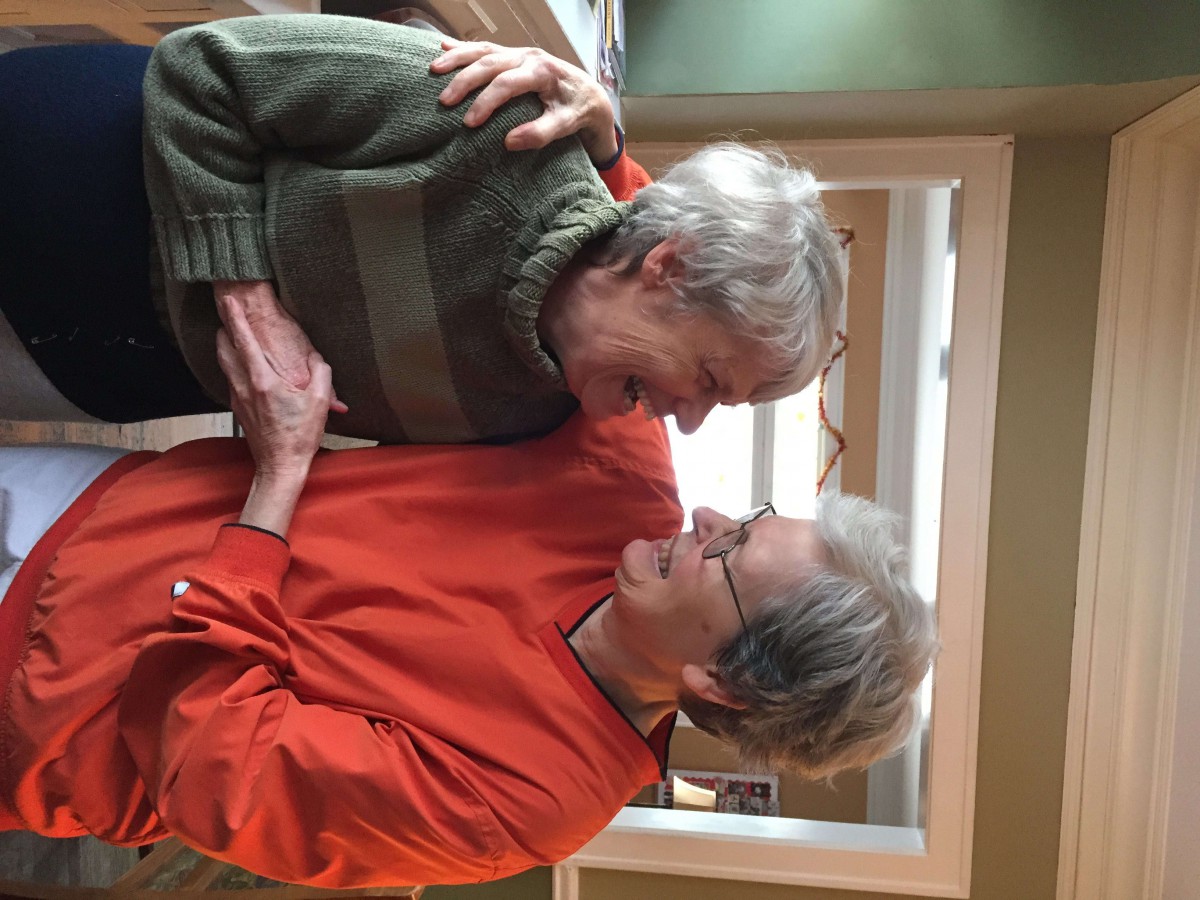
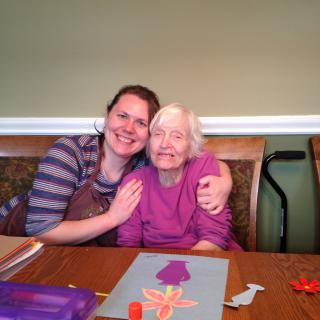
Topline advantages center on the everyday lived experience. The community is described as a real home, not a sterile facility, where staff cultivate genuine relationships and treat residents with patience and dignity. Families repeatedly note the caring nature of caregivers and the warm, comfortable atmosphere that reduces anxiety for residents who face memory challenges. That approach translates into practical outcomes: clearer communication, fewer confrontations, and a calmer daily rhythm. The emphasis on understanding what a resident is trying to convey, rather than disciplining or ejecting him or her, addresses a core risk in memory care: loss of autonomy and fear. In multiple accounts, grateful families point to the care team's compassion as the decisive factor that makes Rakhma Peace stand out.
Where the conversation becomes nuanced is in recognizing the trade-offs inherent to a smaller, home-like setting. The reviews reflect a high level of personal attention and warmth, but implicit limits accompany that intimacy: fewer on-site specialists, potentially less expansive programming, and the logistical realities of a smaller campus. Yet these deficits are not unmitigated; staff-to-resident relationships can compensate by delivering rapid, individualized responses, consistent routines, and tailored care plans that evolve with memory needs. The question for families is whether the resident's care requirements align with a setting that prioritizes emotional safety and personalized communication over a wide menu of activities or hospital-grade medical oversight.
Practical steps to decide include a candid assessment of resident needs and expectations. Visit the home with a list of daily routines and behaviors, and observe how staff interact with residents who have limited verbal ability. Confirm the availability of nurses on call around the clock, how medications are managed, and how care plans are updated. Ask about emergency response times and how transitions between levels of care are handled. Compare the daily schedule with what the resident currently enjoys; if music therapy, reminiscence activities, or gentle exercise matter, verify those opportunities. Above all, gauge whether the staff's communication style aligns with the resident's preferences.
Overall, Rakhma Peace stands out for families prioritizing a memory-care home atmosphere with truly attentive caregivers who can read unspoken signals. It is a strong match for residents who thrive when care feels personal, predictable, and compassionate, even at the cost of extensive programming or institutional scale. Those needing aggressive clinical management, or who require a large campus with a wide array of therapies and 24/7 specialist staffing, should consider alternatives. Pros, real home ambiance, compassionate staff, and a dignified daily life, largely offset the most plausible drawbacks of a smaller setting, making this community a compelling option for memory-care-focused families. A guided tour and a careful check of care plans will help determine if this is the right fit.
 Board and Care Home
 Memory Care
 Activities off-site
 Bath tubs
 Cable or satellite TV
 Devotional services on-site
 Indoor common areas
 Outdoor common areas
 Private
 Respite or short term stays offered
 Wi-Fi/high-speed internet available
 Minneapolis-St Paul International (4 miles away)
 Ambulatory care
 Incontinence care
 Medication management
 Gluten-free
 BBQs or picnics
 Birthday parties
 Day trips and outings
 Intergenerational programs
 Live musical performances
 Tai Chi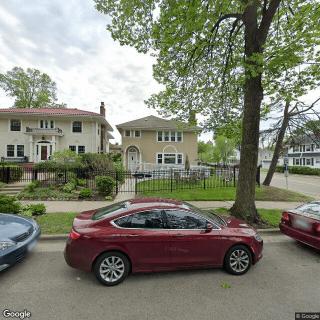


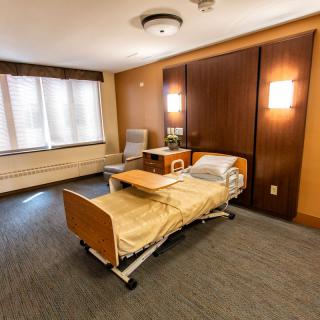
 Choosing the Right Senior Care: A Detailed Exploration of Assisted Living and Nursing Homes
 Safeguarding Your Memory Through the Golden Years: Eight Ways to Preserve Cognitive Health
 Comprehensive Insights into Activities of Daily Living (ADLs) and Their Assessment