
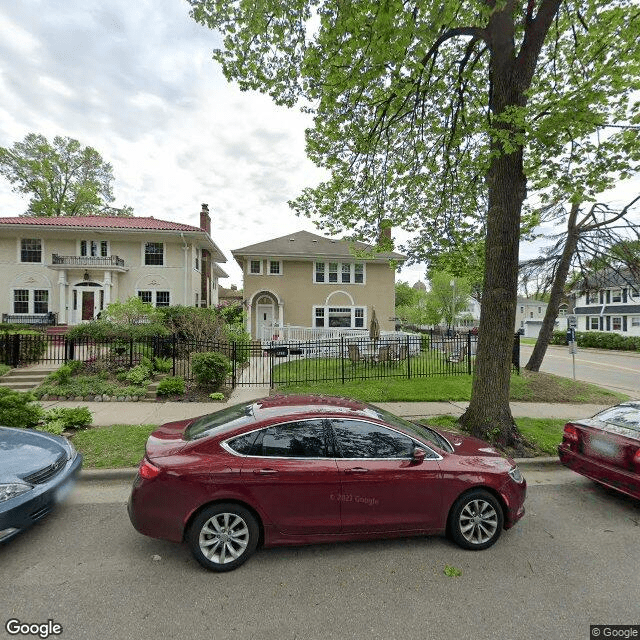
4953 Aldrich Ave S, Minneapolis, MN 55409
To contact a resident: (612) 824-2345
For more information about senior living options: (866) 208-4318
Rakhma Peace Home Costs & Pricing
Rakhma Peace Home offers competitive pricing for its accommodations, particularly when compared to Hennepin County and the broader Minnesota area. For a studio apartment, Rakhma's monthly cost is $3,715, which is slightly above Hennepin County's average of $3,713 but higher than the state average of $3,617. The one-bedroom units at Rakhma are priced at $4,980, significantly exceeding both Hennepin County's rate of $3,550 and Minnesota's statewide average of $2,893. This pricing structure reflects Rakhma Peace Home's commitment to providing a supportive and enriching living environment tailored to its residents' needs. While some costs may be on the higher side in comparison to local averages, they may correspond with enhanced amenities or services that contribute to a quality living experience.
| Floor plans | Rakhma Peace Home | Hennepin County | Minnesota |
|---|---|---|---|
| Studio | $3,715 | $3,713 | $3,617 |
| 1 Bedroom | $4,980 | $3,550 | $2,893 |
Memory care communities with a similar price nearby
-
from -$715 / mo
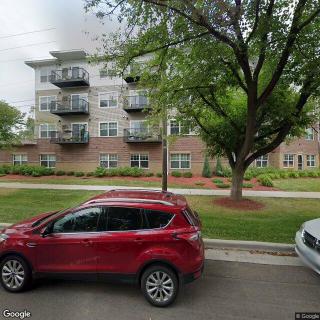
Highland on Graham
$3,000 to $4,000 / month5.3 miles away -
from -$515 / mo
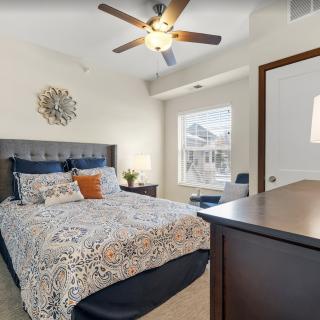
Carver Ridge Senior Living
$3,200 to $4,800 / month20.1 miles away -
from -$375 / mo
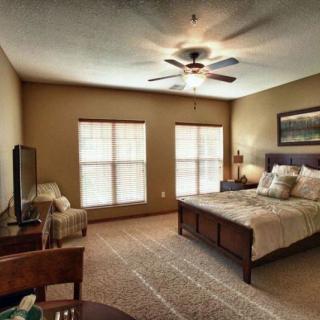
The Fountains at Hosanna
$3,340 to $4,440 / month13.9 miles away -
from +$580 / mo
Keystone Place at LaValle Fields
$4,295 to $5,695 / month22.3 miles away -
About the same
Lilydale Senior Living
$3,780 / month7.5 miles away
Overall Review of Rakhma Peace Home
Pros
 Rakhma Peace is a real home with caring staff.
- The care at Rakhma Peace Home is described as wonderful and compassionate in a warm, comfortable setting.
- Families are very grateful to have found Rakhma Peace Home for memory care.
- The reviews convey a caring, home-like environment for loved ones at Rakhma Peace.
Cons
 They kicked him out when he caused trouble.
- They would have figured out what he was trying to communicate instead of kicking him out.
Review
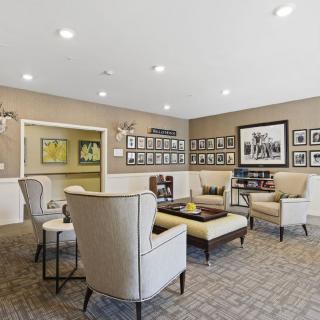
Rakhma Peace Home in Minneapolis is best suited for families seeking a memory-care environment that genuinely feels like a real home. The community earns its strongest endorsement from staff who consistently demonstrate warmth, steadiness, and an instinct for seeing residents as individuals with memories and preferences. It works particularly well for seniors whose communicative challenges in memory care require patient listening, nuanced interpretation of nonverbal cues, and a responsive caregiving approach rather than a rigid, institution-style routine. For families prioritizing a homey atmosphere over a clinical campus, and for residents who thrive when care feels personal, intimate, and relationship-driven, Rakhma Peace stands out as a compelling option.
There are clear reasons to consider alternatives depending on the specific care trajectory. If the priority is robust medical oversight, a broader array of on-site therapies, or a larger community with structured activity calendars and easy access to transport, a bigger facility may deliver resources more quickly and across a wider spectrum of needs. For loved ones requiring intensive medical management, regular visits by specialists, or a campus with multiple levels of care and formal memory-support programming, a larger operation could provide a level of clinical reassurance that a smaller home-like setting may not guarantee. Families should also weigh whether a more expansive social calendar and diverse programming are essential to their loved one’s daily life.
The strongest pros at Rakhma Peace, the genuine caregiving, the home-like comfort, and the staff’s skill at interpreting and responding to residents’ communication, offset potential trade-offs in meaningful ways. A real home environment reduces distress for memory-impaired seniors, fostering routines and rituals that feel predictable and safe. The personalized attention means caregivers can tailor responses to individual communication cues, which contributes to fewer misunderstandings and smoother daily functioning. In practice, these relational strengths cultivate trust, lower agitation, and a sense of belonging that often translate into calmer days and more cooperative care, even if the setting is smaller than a large campus.
Where cons might arise, they tend to be practical rather than emotional. The intimate, smaller scale can imply fewer on-site medical resources, fewer highly specialized therapies, or less breadth in activity offerings compared with larger facilities. Yet the assessments from families imply that the depth of attention and the ability to adapt quickly to subtle shifts in a resident’s needs often compensates for those limits. The care team’s willingness to respond with insight and flexibility tends to prevent small gaps from widening into bigger problems, provided the resident’s needs stay within the home’s capacity to manage memory-related challenges.
A practical decision framework helps families separate fit from fantasy. Start with a visit focused on the daily rhythm: observe how staff interact with residents, how questions are answered, and how a resident’s preferred communication style is honored. Inquire about memory-care training and ongoing education for caregivers, how care plans are created and revised, and how families stay informed about changes in behavior or mood. Ask to review a sample daily schedule, the structure of activities, and how safety, wandering, and pacing are managed. Confirm transportation arrangements for appointments, and understand how external medical needs are coordinated with the resident’s primary care team.
The bottom-line judgment favors Rakhma Peace for those who prize a home-like atmosphere and a care team that demonstrates empathy through action. It is a strong recommendation for families seeking a warm, individualized approach to memory care that emphasizes relationship-building and responsive communication. For residents requiring heavy medical management, intensive clinical services, or campus-scale programming, it is prudent to explore alternatives that offer broader resources and more formalized care pathways. Ultimately, success rests on how well the resident responds to the staff’s interpretive care, how actively families participate in ongoing planning, and how readily the home can adapt as memory-care needs evolve.
 Memory Care
 Minneapolis-St Paul International (4 miles away)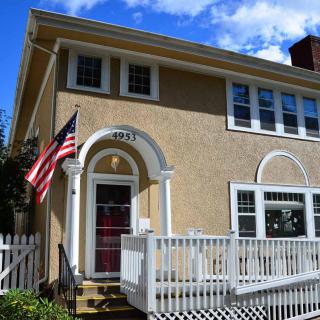


 Understanding Dementia Through Its Seven Stages: A Comprehensive Look at Progression and Expectations
 A Holistic Dementia Care Guide: Effective Strategies for Memory Support
 Memory Care Pathways: A Holistic Guide to Dementia Support