
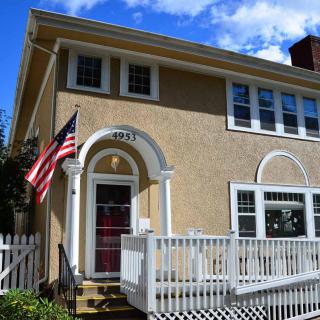
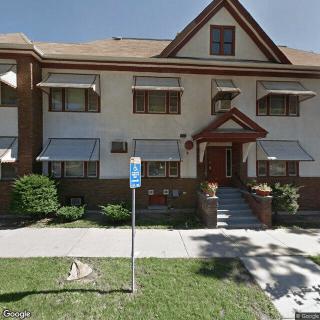
4953 Aldrich Avenue South, Minneapolis, MN 55419
For more information about senior living options: (866) 208-4318
Overall Review of Rakhma
Pros
 Rakhma Peace is described as a real home with caring staff.
- The care at Rakhma Peace is described as wonderful and compassionate.
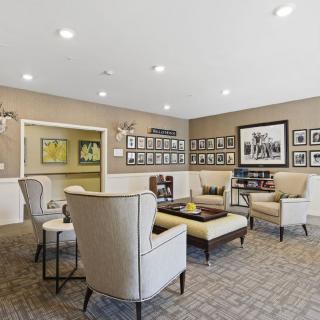
- The setting at Rakhma Peace Home is warm and comfortable.
- The reviewers express gratitude for having found Rakhma Peace Home.
Cons
 They kicked him out when he caused trouble.
Review
Rakhma Peace Home in Minneapolis is best suited for families seeking a truly home-like memory-care setting where staff invest in personalized, patient-centered care and residents are treated as part of a caring, long‑term household. It functions well for individuals with memory impairment who respond to gentle, relationship-based approaches and need attentive caregivers who can interpret evolving communication cues. This community shines when the priority is warmth over clinical formality, and when families want a place where staff know residents’ histories, preferences, and triggers and respond with calm, consistent reassurance.
Those weighing alternatives will want to consider options if the priority leans toward higher-acuity medical oversight or a larger campus with more intensive, on-site clinical services. For residents who require aggressive behavioral management, rapid escalation of medical needs, or a broader range of medically oriented therapies, a bigger or more clinically oriented memory-care facility may be a better match. Location convenience and the availability of around-the-clock nursing staff at a larger institution are practical factors that could tilt the balance away from a smaller, homelike option like Rakhma for some families.
The strongest pros here are unmistakable: a palpable sense of home, paired with genuinely caring staff who build trust and continuity over time. Families repeatedly note that the caregivers are attentive and compassionate, creating an atmosphere where residents feel understood rather than restrained. The staff’s willingness to “figure out what he was trying to communicate” rather than defaulting to punitive or dismissive responses stands out as a defining strength. In a realm where frustration can escalate quickly, the ability to defuse situations with empathy and steady communication translates into fewer distress episodes for residents and much less caregiver burnout for families.
These advantages offset potential drawbacks by delivering a living experience that prioritizes dignity, comfort, and relationship-building. The warm, comfortable setting acts as a stabilizing backdrop for daily routines and activities that honor prior interests and strengths. Even if the facility size limits some of the more clinical programming found in larger campuses, the enhanced caregiver-resident relationship at Rakhma Peace creates a protective buffer against the common pitfalls of memory care, namely isolation, miscommunication, and resident agitation. The positive experiences described by families, drawing strength from consistent, compassionate care, signal that the environment compensates for the absence of campus-scale medical resources with a precision-focused, person-centered culture.
For families evaluating where to place a loved one, this community represents a compelling choice when the decision centers on sparing residents from abrupt separations, unwanted reactions, or forced behavioral control. If long-term emotional safety, predictable routines, and a home atmosphere are nonnegotiables, Rakhma Peace earns serious consideration. Prospective residents should expect a setting that leans into relational care, with staff who understand that dementia care is as much about listening as it is about supervising. Yet it remains prudent to confirm how medical needs are managed day to day, what happens when higher acuity emerges, and how the team coordinates with outside physicians to ensure seamless care transitions.
In the end, Rakhma Peace Home stands out as a practical, people-first option in Minneapolis for memory care. It excels for families who value a real home environment, empathetic, attentive staff, and a culture that prioritizes communication over restraint. It may be less suitable for those who require intensive on-site medical therapy or a larger, more clinical ecosystem. Tours should center on the day-to-day cadence, staffing ratios, and the concrete ways the community translates its warmth into measurable quality of life for residents. If alignment exists between family expectations and the home-like, compassionate approach described by current families, this option warrants strong consideration.
 21 resident community capacity
 Assisted Living
 Memory Care
 Beauty salon
 Cable or satellite TV
 Dining room
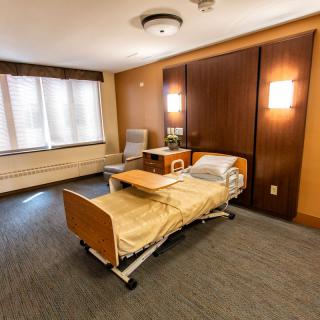
 Fully furnished
 Garden
 Housekeeping services
 Kitchenette
 Move-in coordination
 Outdoor space
 Telephone
 Wi-Fi/high-speed internet available
 Minneapolis-St Paul International (4 miles away)
 24-hour call system
 Activities of daily living assistance
 Assistance with bathing
 Assistance with dressing
 Assistance with transfers
 Diabetes diet
 Hospice waiver
 Meal preparation and service
 Medication management
 Mental wellness program
 Special dietary restrictions
 Transportation arrangement (medical)
 Transportation to doctors appointments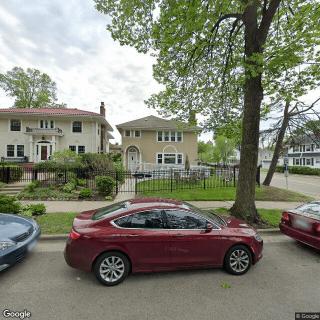


 Delirium and Dementia: Unraveling the Key Differences
 Are Dementia and Alzheimer's Disease Lethal? A Comprehensive Exploration
 Exploring the Power of Reminiscence Therapy for Individuals With Dementia