
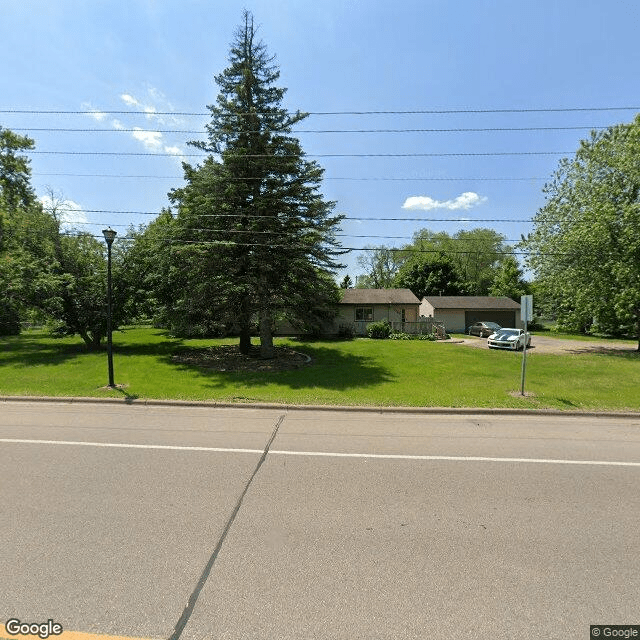
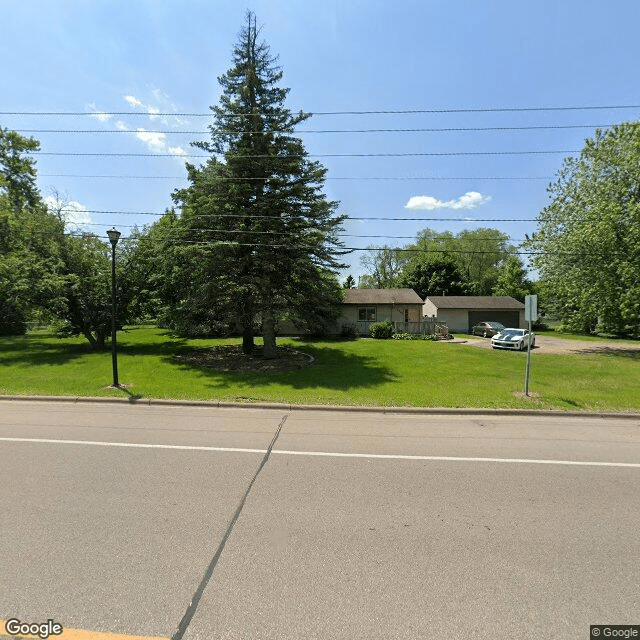
7740 Hadley Ave, Cottage Grove, MN 55016
To contact a resident: (651) 341-9151
For more information about senior living options: (866) 208-4318
Loving Care Cottage Costs & Pricing
At Loving Care Cottage, the monthly costs reflect a commitment to providing quality care, with both private and semi-private room options priced at $6,000. This is notably higher than the averages observed in Washington County, where private rooms average $4,952 and semi-private rooms are at $4,649. Similarly, costs in Minnesota also show a more affordable landscape, with private rooms averaging $5,090 and semi-private accommodations at $4,051. While Loving Care Cottage may be positioned on the higher end of the cost spectrum compared to its regional counterparts, it underscores a dedication to an enriched living experience that encompasses personalized care tailored to each resident's needs.
| Floor plans | Loving Care Cottage | Washington County | Minnesota |
|---|---|---|---|
| Private | $6,000 | $4,952 | $5,090 |
| Semi-Private | $6,000 | $4,649 | $4,051 |
Memory care communities with a similar price nearby
-
About the same
Legacy Care Home
$6,000 / month24.9 miles away -
from +$250 / mo
White Pine Senior Living - Cottage Grove II
$6,250 / month0.3 miles away -
from -$695 / mo
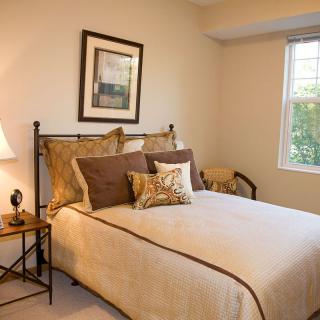
Cherrywood Pointe Of Roseville
$5,305 / month17.1 miles away -
from +$1030 / mo

Personal Care Senior Living Columbia Heights
$7,030 / month19.9 miles away -
from +$500 / mo
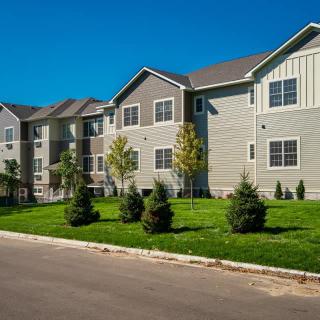
The Harbors Senior Living of Fridley
$6,500 to $8,500 / month21.2 miles away
Overall Review of Loving Care Cottage
Pros
 The staff at Loving Care Cottage do a wonderful job.
- Residents are well cared for and look nice.
- Visitors are made to feel like part of a great big family.
- The musical activities are special and enjoyed by all residents.
- The care provided is among the best around, with the staff attentive to residents’ needs.
- The facility shines and stands out in its care.
- The staff create a warm, welcoming, family‑like atmosphere and work hard to meet residents’ needs.
Review
Loving Care Cottage in Cottage Grove, MN is best suited for families seeking a warm, home-like residential option where daily care is delivered with personal warmth and a strong sense of community. This community excels when residents benefit from staff who invest in relationships, turning caregiving into companionship rather than a transactional routine. For seniors who value being treated as individuals, who respond to humor, music, and regular social engagement, and who wish to stay out of a clinical, impersonal setting, Loving Care Cottage offers a clearly resonant fit. The feedback from multiple families centers on smiles returning, dignity preserved, and a daily rhythm that feels more like family than facility.
Those considering alternatives should weigh the ease with which medical complexity or institutional scale can be accommodated. If a resident requires intensive 24/7 nursing coverage, access to a broad menu of specialized medical therapies, or a campus with abundant on-site resources and activities across multiple buildings, larger assisted living or memory-care communities may be more suitable. Similarly, families focusing on highly structured clinical protocols, expansive rehab programs, or a broad continuum of care might find that some other options deliver the depth and breadth of services they anticipate. In short, for highly medicalized needs or a preference for a larger, more diverse setting, alternatives deserve consideration.
The strongest pros here are consistently articulated as exceptional staff, genuine attentiveness, and a family-like atmosphere that makes residents feel seen and valued. Staff are credited with loving, respectful care, with residents treated as individuals and never as mere names on a roster. The tone set by caregivers translates into meaningful moments, residents smiling, feeling understood, and retaining a sense of humor about daily life, even when health challenges are present. The social fabric also matters: music, regular activities, and a culture of welcome contribute to an environment where companionship and belonging are not afterthoughts but daily pillars. Those positives, in combination with the near-universal praise for staff, offset the absence of formal, institutional heft.
On the activity and social side, Loving Care Cottage demonstrates a compelling strength. The musical activities that residents enjoy are not generic entertainments but thoughtfully integrated experiences that draw participation and spark joy. The house culture emphasizes family involvement and warmth, so visits feel inclusive, and staff routinely go beyond basic tasks to foster connection. Even when rehab or recovery is ongoing, such as transitions following hospitalization or progress with a caregiver-led rehabilitation plan, the atmosphere remains welcoming, with staff “open arms” and a clear focus on meeting individual needs. For families concerned about loneliness or isolation, these social ingredients provide a robust counterweight to any worry about living in a smaller setting.
Staffing reliability and qualitative outcomes emerge as a core driver of confidence in this community. Reviews repeatedly praise the excellence and attentiveness of the team, with caregivers who “shine” and consistently rise to residents’ needs. The testimonials also reflect a broader endorsement, as hospice volunteers and family members who work in related care arenas express gratitude for the level of care and the genuine, supportive energy demonstrated by the staff. The combination of skilled caregiving, compassionate communication, and a resilient, savory sense of humor creates an operational rhythm that feels steady and trustworthy, which is particularly important for families navigating difficult decisions about long-term care.
Bottom-line guidance centers on alignment with care goals. If the priority is a warm, intimate setting where daily life centers on dignity, belonging, and joyful engagement, Loving Care Cottage stands out as a strong choice. For families whose priorities lean toward deeper clinical oversight, a broader gamut of medical therapies, or a campus with expansive amenities, exploring alternatives is prudent. Prospective residents should visit to observe caregiver-resident interactions firsthand, inquire about staff-to-resident ratios, confirm the availability of any needed therapies, and assess whether the resident’s personality and routines will mesh with the home-like culture. In practical terms, this community delivers on heart, connection, and consistent, compassionate care, an excellent match for seniors who flourish when caregiving feels personal and familial.
 Board and Care Home
 Memory Care
 Activities on-site
 Beautician on-site
 Devotional services on-site
 Indoor common areas
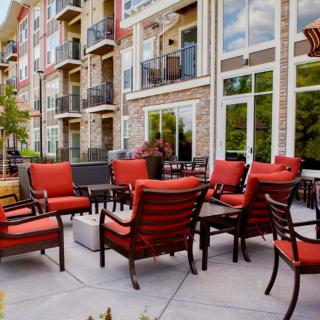
 Outdoor common areas
 Private
 Wheelchair accessible showers
 Minneapolis-St Paul International (12 miles away)
 Diabetic care
 High acuity care
 Incontinence care
 Medication management
 Meals provided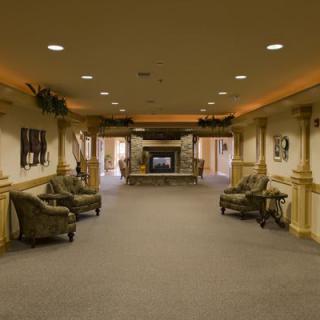

 When Dementia Sparks Anger and Aggression: Understanding the Connection and Ways to Cope
 Dementia Behaviors: In-Depth Understanding and Effective Coping Strategies
 5 Early Indicators of Dementia and What You Can Do