Cottage Grove II in Cottage Grove, MN

6950 East Point Douglas Road S, Cottage Grove, MN 55016

For more information about senior living options: (844) 490-3973

4.4 from 29 reviews
5 stars
22
4 stars
3
3 stars
0
2 stars
2
1 stars
2

Assisted Living Memory Care

What level of care are you interested in?

Assisted Living

Memory Care

Independent Living

Skilled Nursing Facility

Continuing Care Retirement Community (CCRC)CCRC

Other


Request a tour at Cottage Grove II

    Overall Review of Cottage Grove II

    Pros

    • pro The staff are personable and go the extra mile to care for residents and meet their needs.
    • pro There is always someone available to answer questions or concerns about loved ones.
    • pro Becca's leadership has transformed White Pines into a wholesome, premier memory care community.
    • pro The intake process and ongoing communication are caring and supportive, making families feel seen and at home.
    • pro The staff consistently show kindness, compassion, and attentiveness toward residents.
    • pro The facility is clean, warm, and welcoming, with a home-like atmosphere.
    • pro Residents are treated with respect, dignity, and love, giving families peace of mind.
    • pro The team goes above and beyond to engage residents with activities and maintain good nutrition.
    • pro White Pines collaborates closely with hospitals and families to ensure smooth transitions and clear expectations.
    • pro The community welcomes visitors and feels like a family, with staff that treat residents as part of the family.
    • pro Families highly recommend White Pines for its high-quality care and caring staff.

    Cons

    • pro There was significant staff turnover in the first 18 months, including managers, directors, and nurses.
    • pro Previous caregivers weren't held accountable for inappropriate care, and attempts to discuss concerns with a director often went nowhere.
    • pro Some nurses were described as pushing sedating medications or hospice rather than addressing concerns.
    • pro There were multiple management changes and a lack of consistent supervision.
    • pro There were reports that residents' money was stolen and that evictions occurred due to payer issues.
    • pro Chronic understaffing led to inconsistent care, and some caregivers appeared not to care.
    • pro Records were not kept up to date and concerns were not followed up.

    Review

    Cottage Grove II's White Pines Memory Care unit is best suited for families seeking a memory-care community that feels like a close-knit, home-like setting, where residents with dementia receive attentive, personalized care and families stay consistently informed. It works well for residents who thrive on predictable routines, meaningful activities, and a sense of belonging rather than a clinical, compartmentalized atmosphere. The model shines when leadership is stable and responsive, and when transitions - from hospital to facility or to hospice - are navigated with clear communication. It is a practical match for long-term memory care needs, where dignity, safety, and daily reassurance matter as much as medical oversight.

    The strongest asset is the people. Staff across roles are described as personable, committed, and genuinely invested in residents' well?being. Families repeatedly note that residents are treated with respect, spoken to by name, and kept comfortable throughout daily routines. A steady, engaged leadership presence - most notably under the director Becca - has transformed morale, improved accountability, and sharpened staff education and supervision. Intake and admissions are reported to be smoother than in many peers, with hospital coordination and ongoing family communication clearly prioritized. The facility's warmth is reinforced by a clean, well-maintained environment and robust activity programming, from small crafts to social events, which keeps residents engaged and visitors welcomed.

    Yet the community does carry caution flags that families should weigh carefully. Several reviews point to a rough stretch early on, marked by staff turnover and shifting management. Even after improvements, some accounts describe ongoing concerns about supervision and staffing levels, with occasional gaps in follow?through on family concerns. A few families raise questions about aggressive sedation or hospice involvement at certain times, and a small number allege financial or placement pressures that merit careful scrutiny. Price sensitivity is another factor; White Pines can be more expensive than some alternatives, with documented increases over time. Such concerns are not universal, but they recur enough to demand diligent, up-front due diligence.

    All of the favorable aspects mitigate many of the drawbacks, but they do so unevenly. Becca's leadership is repeatedly cited as a turning point: when a strong director anchors the team, expectations translate into more consistent care, better staff supervision, and faster problem resolution. The family-like culture, transparent communication, and the emphasis on individualized care plans help offset past instability by delivering reliable daily experiences for residents. The memory-care design itself - clear sightlines, calm environments, and staff proximity - supports safety and reduces agitation, which can be a much-needed offset to questions about turnover. In practical terms, for families who value ongoing updates, visible staff engagement, and a sense of community, the positives can outweigh the negatives if the current leadership remains in place and staffing remains reasonably stable.

    For families who must decide, this community is not the right fit for everyone. Those requiring ironclad staffing guarantees, ultra-competitive pricing, or medical oversight beyond dementia-focused care should consider alternatives with longer, steadier leadership histories or different care emphases. If recent experiences or concerns about supervision, billing practices, or the potential for rapid staff changes trigger hesitation, it is prudent to compare other memory-care options that offer explicit caregiver-to-resident ratios, transparent billing, and steadier administrative continuity. Prospective residents should also verify current staffing levels, request to meet the on-shift team, and review the latest care plans and incident logs.

    In the end, Cottage Grove II presents a compelling option for families seeking a memory-care environment that feels like a family home, anchored by a capable director and a cohort of devoted caregivers. The decision hinges on prioritizing steady leadership, ongoing communication, and a strong alignment between family expectations and day-to-day care. If these conditions are met, the community delivers warm, dignified, person-centered care that many families come to rely on during a difficult chapter. For those who proceed, the advisable next steps are clear: arrange a meeting with Becca and the admissions team, tour multiple shifts, speak with current residents' families, review the latest care plans and pricing, and confirm how concerns are tracked and resolved. The goal is to confirm that the current trajectory - with improved supervision and a genuine sense of community - matches the loved one's needs and the family's peace of mind.

    Features

    Housing

    • 21 resident community capacity 21 resident community capacity

    Types of Care

    • Assisted Living Assisted LivingAssisted living facilities provide crucial support and care for seniors who may need help with daily tasks such as medication management, bathing, and meal preparation. These communities offer a safe and comfortable environment where seniors can maintain their independence while receiving the assistance they need to thrive in their golden years.
    • Memory Care Memory CareMemory care is crucial for seniors as it provides specialized support and services for individuals with dementia or Alzheimer's disease. These programs offer a safe and secure environment where residents receive personalized care, cognitive stimulation, and help with daily activities. Memory care helps seniors maintain their independence, quality of life, and dignity while also providing peace of mind for their families.

    Amenities

    • Beauty salon Beauty salonBeauty salons are important for seniors because they provide a space for them to feel pampered, socialize, and maintain their personal grooming and hygiene. Regular visits to a beauty salon can help boost seniors' self-esteem and overall well-being.
    • Cable or satellite TV Cable or satellite TVCable or satellite TV is important for seniors because it provides entertainment, news, and companionship, helping to combat loneliness and boredom. It also offers a wide range of programming options tailored to different interests and preferences.
    • Dining room Dining roomDining rooms are important for seniors as they provide a space for socialization, connection, and nutritious meals. They offer opportunities for residents to bond over shared meals, foster a sense of community, and promote healthy eating habits. Dining rooms also ensure that seniors have access to well-balanced meals tailored to their dietary needs and preferences.
    • Fully furnished Fully furnishedFully furnished senior living communities are important for seniors because they provide convenience, comfort, and a hassle-free moving experience. Seniors can easily settle into their new living space without the stress of having to buy and move furniture. This allows them to focus on enjoying their new home and community.
    • Garden GardenGardens are important for seniors as they provide a peaceful and therapeutic environment for relaxation, physical activity, and socialization. Being in nature has been shown to reduce stress, improve mood, and promote overall well-being. Gardens also offer opportunities for seniors to engage in gardening activities, which can improve mobility, flexibility, and cognitive function. Additionally, gardens create a sense of community and connection with others who share a passion for plants and outdoor spaces.
    • Housekeeping services Housekeeping servicesHousekeeping services are important for seniors because they help maintain a clean and safe living environment, promote independence, and reduce the risk of accidents or illnesses. Additionally, having assistance with household chores can alleviate physical strain and allow seniors to focus on other aspects of their well-being.
    • Kitchenette KitchenetteKitchenettes are important for seniors living in senior living communities because they provide the convenience and independence of being able to prepare simple meals and snacks in the comfort of their own living space. This can help promote a sense of autonomy and well-being for seniors, allowing them to maintain some level of control over their dietary choices and daily routines.
    • Move-in coordination Move-in coordinationMove-in coordination is important for seniors because it helps ease the transition into their new living environment. It ensures that all logistics, such as packing, organizing movers, and setting up utilities are taken care of, allowing seniors to focus on settling in and adjusting to their new home. Having a smooth move-in process can alleviate stress and anxiety, making the transition smoother and more enjoyable for seniors.
    • Outdoor space Outdoor spaceOutdoor spaces are important for seniors as they provide opportunities for physical activity, social interaction, exposure to natural light and fresh air, and a sense of connection to nature. Having access to outdoor spaces can improve overall well-being and quality of life for older adults living in senior communities.
    • Telephone TelephoneTelephones are important for seniors as they provide a lifeline for communication with loved ones, emergency services, and healthcare providers. They offer a sense of security and independence, enabling seniors to stay connected and access assistance when needed.
    • Wi-Fi/high-speed internet available Wi-Fi/high-speed internet availableWi-Fi/high-speed internet is important for seniors to stay connected with loved ones, access online resources, and participate in virtual activities to combat feelings of loneliness and isolation. It also allows them to easily manage healthcare needs, access entertainment, and engage in lifelong learning opportunities.

    Transportation

    • Minneapolis-St Paul International (13 miles away) Minneapolis-St Paul International (13 miles away)

    Care Services

    • 24-hour call system 24-hour call system24-hour call systems are important for seniors because they provide peace of mind and immediate assistance in case of emergencies. This technology ensures that help is always available, promoting safety and security for elderly individuals living alone or in assisted living facilities.
    • 24-hour supervision 24-hour supervision24-hour supervision is important for seniors to ensure their safety, well-being, and access to immediate assistance in case of emergencies or health issues. This constant support provides peace of mind for both seniors and their loved ones, allowing them to age in place with dignity and security.
    • Activities of daily living assistance Activities of daily living assistanceActivities of daily living assistance are important for seniors because they provide essential support with tasks such as eating, bathing, dressing, and mobility. This assistance helps seniors maintain their independence, dignity, and overall quality of life as they age.
    • Assistance with bathing Assistance with bathingAssistance with bathing is crucial for seniors as it helps maintain personal hygiene, prevents infections, and ensures their overall well-being and comfort. It also provides a sense of dignity and independence for seniors who may struggle with this task on their own.
    • Assistance with dressing Assistance with dressingAssistance with dressing is important for seniors because it helps maintain their independence, promotes personal hygiene, prevents accidents and injuries, and improves overall quality of life. This service ensures that seniors can continue to dress comfortably and confidently, despite any physical limitations they may have.
    • Assistance with transfers Assistance with transfersAssistance with transfers is crucial for seniors as it helps prevent falls and injuries, maintains their independence, and ensures they can safely navigate their living environment. It also provides peace of mind for both seniors and their loved ones.
    • Coordination with health care providers Coordination with health care providersCoordination with health care providers is crucial for seniors to ensure proper medical care, medication management, and overall well-being. This collaboration helps prevent overlapping treatments, track progress more effectively, and provide comprehensive support tailored to individual needs.
    • Dementia waiver Dementia waiverDementia waivers are essential for seniors as they provide critical protections and accommodations for those experiencing cognitive decline. These waivers ensure individuals with dementia receive appropriate care, support, and resources to maintain their quality of life and dignity as they navigate the challenges of this progressive condition.
    • Diabetes diet Diabetes dietA diabetes diet is crucial for seniors as it helps manage blood sugar levels, reduce risks of complications, and improve overall health and well-being. By following a balanced and nutritious diet tailored to their specific needs, seniors can better control their diabetes and enhance their quality of life.
    • Hospice waiver Hospice waiverHospice waivers are important for seniors because they allow individuals to receive specialized end-of-life care and support at home or in a hospice facility. This waiver ensures that seniors can access the necessary resources and services to maintain comfort and dignity during their final days.
    • Meal preparation and service Meal preparation and serviceMeal preparation and service are crucial for seniors as they may have limited mobility or energy to cook nutritious meals. Having access to healthy and convenient food options can ensure they are getting the proper nutrition needed to maintain their overall health and well-being.
    • Medication management Medication managementMedication management is crucial for seniors to ensure they are taking the right medications at the correct dosages and times. This helps prevent adverse drug interactions, reduces the risk of medication errors, and promotes overall health and well-being. Proactive management also allows for adjustments as needed based on changing health conditions or new prescriptions.
    • Mental wellness program Mental wellness programMental wellness programs are essential for seniors as they promote cognitive stimulation, emotional support, and social engagement. These programs help prevent isolation, depression, and cognitive decline, ultimately enhancing the overall quality of life for older adults.
    • Mild cognitive impairment Mild cognitive impairment"Mild cognitive impairment" is important for seniors because it is an early stage of cognitive decline that can potentially progress to more severe conditions such as dementia. Recognizing and addressing mild cognitive impairment can help seniors receive appropriate care and support to maintain their quality of life and independence for as long as possible.
    • Special dietary restrictions Special dietary restrictionsSpecial dietary restrictions are important for seniors because age-related changes in metabolism and health conditions can make it difficult for their bodies to process certain foods. By following a diet tailored to their specific needs, seniors can maintain their overall health and well-being, manage chronic conditions, and reduce the risk of complications such as malnutrition or food interactions with medications.
    • Specialized memory care programming Specialized memory care programmingSpecialized memory care programming is crucial for seniors with cognitive impairments such as dementia or Alzheimer's disease. These programs provide a safe and supportive environment tailored to the unique needs of individuals with memory loss, helping them maintain their independence, dignity, and quality of life.
    • Transportation arrangement (medical) Transportation arrangement (medical)Transportation arrangements for medical purposes are essential for seniors as they may have difficulty driving themselves to appointments or accessing public transportation. Having reliable and safe transportation options ensures that seniors can receive timely medical care and maintain their health and well-being.
    • Transportation to doctors appointments Transportation to doctors appointmentsTransportation to doctors' appointments is crucial for seniors as it ensures they have access to necessary medical care and support for their health needs. Without reliable transportation, seniors may struggle to attend important appointments, leading to potential delays in treatment and health complications. Providing transportation services helps seniors maintain their overall well-being and quality of life.
    Dining

    • Diabetes diet Diabetes dietA diabetes diet is crucial for seniors as it helps manage blood sugar levels, reduce risks of complications, and improve overall health and well-being. By following a balanced and nutritious diet tailored to their specific needs, seniors can better control their diabetes and enhance their quality of life.
    • Special dietary restrictions Special dietary restrictionsSpecial dietary restrictions are important for seniors because age-related changes in metabolism and health conditions can make it difficult for their bodies to process certain foods. By following a diet tailored to their specific needs, seniors can maintain their overall health and well-being, manage chronic conditions, and reduce the risk of complications such as malnutrition or food interactions with medications.

    Activities

    • Community-sponsored activities Community-sponsored activitiesCommunity-sponsored activities are important for seniors as they provide opportunities for social interaction, mental stimulation, and physical activity. These activities can help improve overall well-being, combat loneliness and isolation, and promote a sense of belonging and purpose among older adults.
    • Scheduled daily activities Scheduled daily activitiesScheduled daily activities are important for seniors because they provide structure, socialization, mental stimulation, and physical activity. Engaging in regular activities can improve overall well-being and quality of life for seniors living in a community setting.

    Description

    Cottage Grove II in Cottage Grove, MN is an assisted living community that specializes in memory care. Our residents receive 24-hour supervision and assistance with activities of daily living such as bathing, dressing, and transfers. Our dedicated staff coordinates with healthcare providers to ensure our residents receive the necessary care and support.

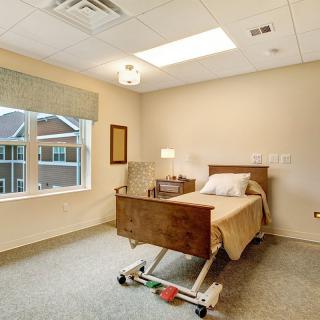
    Our community offers a range of amenities to enhance the comfort and convenience of our residents. Each room is fully furnished and equipped with cable or satellite TV, telephone, Wi-Fi/high-speed internet, and a kitchenette. Housekeeping services are provided to maintain cleanliness and tidiness.

    Residents have access to outdoor spaces including a garden for relaxation and enjoyment. Move-in coordination is available to assist new residents throughout the transition process. Transportation arrangements can be made for medical appointments, ensuring that our residents receive the necessary healthcare services.

    Keeping in mind dietary needs, our dining services cater to special dietary restrictions such as diabetes diets. Meal preparation and service are provided to ensure our residents enjoy delicious and nutritious meals.

    To promote mental wellness, we offer a specialized memory care program that focuses on the unique needs of individuals with memory impairment. Our activities program includes scheduled daily activities for stimulation and engagement.

    The surrounding area provides plenty of options for recreation and convenience with cafes, parks, pharmacies, physicians' offices, restaurants, and places of worship all located nearby.

    At Cottage Grove II, we strive to provide exceptional care in a supportive environment where individuals with memory care needs can thrive.

    Nearby Places of Interest

    Restaurants

    • Culver's (0.3 miles)
    • Muddy Cow - Cottage Gr (0.4 miles)
    • Wahlburgers @ Hy-Vee (0.5 miles)
    • McDonald's (0.6 miles)
    • Junction 70 Grill (1.2 miles)
    • McDonald's (3.8 miles)
    • Drkula's 32 Bowl (4 miles)

    Pharmacies

    • Walgreens (0.4 miles)
    • Hy-Vee Pharmacy (0.5 miles)
    • Walmart Pharmacy (4 miles)
    • Walgreens (4.3 miles)
    • Walgreens (6.1 miles)
    • Walgreens (6.4 miles)
    • CVS Pharmacy (6.4 miles)

    Physicians

    • Periodontal Specialists P.A. (0.6 miles)
    • James Winsor DR (3.8 miles)
    • Twin Cities Orthopedics Woodbury (3.8 miles)
    • Entira Family Clinics - Inver Grove Heights (4.1 miles)
    • Soundpoint Audiology (4.2 miles)
    • Eric Thomas Becken (5.8 miles)
    • Aris Clinic (5.9 miles)

    Cafes

    • Caribou Coffee (0.8 miles)
    • Starbucks (7.8 miles)
    • Dunn Brothers Coffee (8.7 miles)

    Parks

    • Meadow Grass Park (1 miles)
    • Hamlet Park (1.1 miles)
    • Woodridge Park (2.4 miles)
    • Kingston Park (2.5 miles)
    • Heritage Village Off Leash Dog Park (3 miles)
    • Heritage Village Park (3.2 miles)
    • Sleepy Hollow Park (3.2 miles)

    Places of Worship

    • Five Oaks Community Church (3.5 miles)
    • Cottage Grove United Church of Christ (4.2 miles)
    • Woodcrest Church (7.6 miles)
    • Eagle Brook Church - Woodbury Campus (8.1 miles)
    • St Elizabeth Ann Seton Catholic Parish (8.1 miles)
    • United Methodist Church (9 miles)

    Theaters

    • AMC Inver Grove 16 (5.1 miles)
    • Alamo Drafthouse Woodbury (7.9 miles)

    Hospitals

    • Woodwinds Health Campus-Woodbury (5.9 miles)
    • Regina Hospital Emergency Room (7.7 miles)
    • Regions Hospital New Connections Program (8 miles)

    Frequently Asked Questions

    Where is Cottage Grove II?
    Does Cottage Grove II provide care for residents with dementia or Alzheimer's disease?

    Nearby Communities

    • White Pine Senior Living - Cottage Grove II

      White Pine Senior Living - Cottage Grove II

      Cottage Grove, MN

      4.5 from 32 reviews
      $6,250 / month

      pro Attentive staff, clean setting, and engaging activities.


    • Cottage Grove White Pine

      Cottage Grove White Pine

      Cottage Grove, MN

      4.5 from 45 reviews
      $2,950 to $3,365 / month

      pro Clean, well-maintained community with caring staff and engaging activities.

    • Legends of Cottage Grove

      Legends of Cottage Grove

      Cottage Grove, MN

      4.5 from 59 reviews
      $941 to $1,178 / month

      pro Affordable pricing compared to county and state averages.

    • Loving Care Cottage

      Loving Care Cottage

      Cottage Grove, MN

      5 from 6 reviews
      $6,000 / month

      pro Caring staff with personalized care in a warm, home-like atmosphere.

    • Norris Square I

      Norris Square I

      Cottage Grove, MN

      4.7 from 9 reviews
       

      pro Extensive memory care options with on-site amenities

    • Norris Square

      Norris Square

      Cottage Grove, MN

      4.7 from 9 reviews
      $1,055 to $4,430 / month

      pro Extensive housing options and comprehensive care with many on-site amenities

    • Prelude Homes & Services

      Prelude Homes & Services

      Woodbury, MN

      4 from 20 reviews
      $5,700 to $5,900 / month

      pro Friendly, attentive staff in a home-like, well-maintained setting with engaged management.

    • New Perspective Senior Living l Woodbury

      New Perspective Senior Living l Woodbury

      Woodbury, MN

      4.2 from 56 reviews
      $2,700 to $4,119 / month

      pro Excellent care with friendly staff in a clean, modern setting.

    • Southview Senior Living

      Southview Senior Living

      West St Paul, MN

      4.6 from 14 reviews
      $1,149 to $2,449 / month

      pro Attentive staff, engaging daily activities, strong memory-care program, and competitive pricing.

    Related Resources

    • do dementia patients sleep a lotWhy Do Dementia Patients Sleep So Much? Understanding Oversleeping, Stages, and Care Approaches

      Dementia often results in disrupted sleep patterns, leading to excessive daytime sleeping due to factors like brain damage affecting circadian rhythms, medication side effects, and lack of structure in daily activities. Caregivers must monitor these changes closely, as oversleeping can increase risks such as malnutrition or dehydration, and provide necessary support and routines to enhance patient engagement and well-being.

    • when to move from assisted living to nursing home8 Key Indicators That Suggest It May Be Time to Transition from Assisted Living to Skilled Nursing Care

      The transition from assisted living to skilled nursing care is often prompted by complex medical needs that assisted living cannot meet, with key indicators including frequent health declines, increased falls, severe memory issues, and caregiver burnout. Families should recognize these signs early to discuss options with healthcare providers and prepare for the emotional and logistical aspects of moving to a facility that offers comprehensive medical support.

    • best foods for dementia patients to eatNourishing the Mind: Essential Dietary Approaches for Dementia

      Dementia is characterized by cognitive decline, with nutrition playing a vital role in brain health; while no specific diet can prevent or reverse it, a nutrient-dense diet rich in antioxidants and healthy fats may support cognitive function. The MIND diet, which emphasizes beneficial foods and limits processed items, along with proper hydration and individualized meal strategies, can enhance the well-being of dementia patients.


    Get Pricing Ask A Question Schedule A Tour Contact Senior Advisor