
6993 80Th Street South, Cottage Grove, MN 55016
For more information about senior living options: (866) 208-4318
Norris Square Costs & Pricing
Norris Square presents a competitively priced housing option compared to the surrounding areas of Washington County and the broader state of Minnesota. For instance, a one-bedroom apartment at Norris Square is priced at $1,055, which is significantly lower than the average costs in Washington County and Minnesota, where similar units run approximately $2,771 and $2,893 respectively. Even for two-bedroom apartments, Norris Square maintains an attractive rate of $1,695 against $2,762 in Washington County and $2,955 statewide. However, it's worth noting that studio apartments at Norris Square are comparatively higher at $4,430 than both Washington County's $4,066 and Minnesota's more affordable average of $3,617. Overall, Norris Square stands out as a more economical choice for one- and two-bedroom living while offering unique considerations for studio residents.
| Floor plans | Norris Square | Washington County | Minnesota |
|---|---|---|---|
| 1 Bedroom | $1,055 | $2,771 | $2,893 |
| 2 Bedrooms | $1,695 | $2,762 | $2,955 |
| Studio | $4,430 | $4,066 | $3,617 |
Assisted Living communities with a similar price nearby
-
About the same
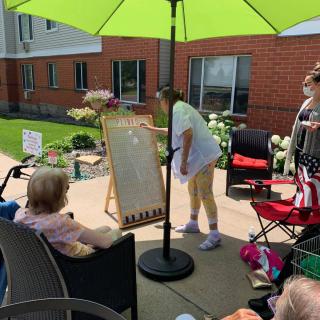
Oak Ridge Place
$1,041 to $2,000 / month16.4 miles away -
from +$45 / mo

Presbyterian Homes Of Inver Grove Heights
$1,100 to $2,900 / month4.3 miles away -
About the same
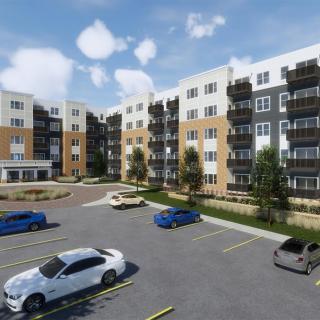
Flourish Senior Living
$1,036 to $2,391 / month23.5 miles away -
from +$94 / mo
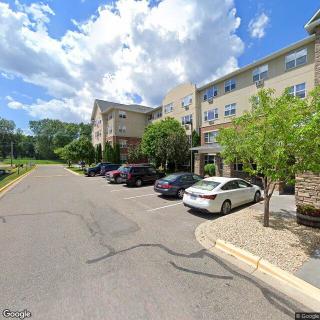
Southview Senior Living
$1,149 to $2,449 / month6.3 miles away -
from -$105 / mo
Presbyterian Homes of Bloomington
$950 to $2,400 / month16.6 miles away
Overall Review of Norris Square
Pros
 Move-in is easy, and the staff here are friendly and helpful.
- The staff is great and very dedicated to keeping residents safe during the pandemic.
- Norris Square staff arranged Zoom visits during stay-at-home orders, enabling family video visits.
- The staff at Norris Square were professional and caring.
- The grandmother was very happy there.
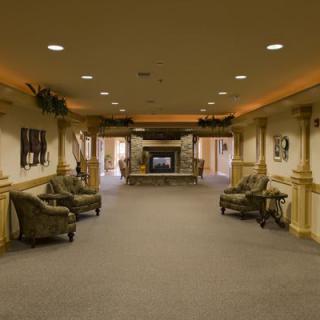
- The facility is warm and friendly.
- The memory-care staff provided compassionate, loving care.
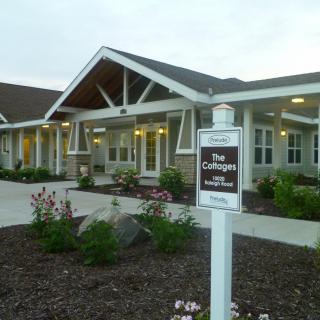
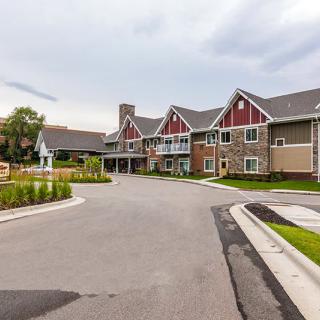
- The facility is beautiful.
Cons
 The facility was very expensive.
Review
Norris Square is best suited for families seeking a memory-care oriented community where warm, attentive staff and strong family connections are the core of the experience. This is a place that delivers a high-touch, compassionate caregiving environment, with easy onboarding and a homelike atmosphere that makes transitions less daunting for residents and their loved ones. Move-in tends to be straightforward, and the staff consistently projects a welcoming, supportive tone that helps families feel confident about daily care, safety, and ongoing communication. The facility’s emphasis on humane, individualized attention stands out, making it a practical fit for those who want hands-on, relationship-driven care.
Those who should consider alternatives are typically budget-conscious buyers or families whose loved ones do not require intensive memory-care services. The most explicit drawback in the observed experiences is cost, “very expensive” captures a reality that can place Norris Square outside the reach of some budgets, especially for long-term stays. Additionally, families seeking extensive amenities beyond a focused memory-care environment or those wanting a larger campus with broader programming may find other communities more aligned with their expectations. In short, Norris Square shines on care quality and connection but is less compelling for those prioritizing price or breadth of non-care amenities.
The strongest pros, professional, compassionate nursing care; a calm, caring environment; and staff who actively involve families, materially offset the main downside of cost for many families. Families repeatedly note that the care team is capable, patient, and devoted, with many touching stories of meaningful, ongoing support through challenging times. The ability to keep relatives connected through video visits and regular updates reinforces peace of mind, making expensive care feel like a justified exchange for consistent, attentive supervision and visible genuine concern. The facility earns trust through real-world outcomes: residents who appear comfortable, well-cared-for, and supported in their final days, with a staff that earns heartfelt gratitude from families.
The reviews underscore how the daily experience translates into practical value: a warm, friendly atmosphere, a clean and attractive setting, and nursing staff that perform at a high level. The human elements, compassion during difficult moments, personal attention from caregivers, and the sense that staff truly knows residents’ histories and preferences, create an emotional return on investment that can mitigate concerns about price. When families weigh the cost against the quality of life, Norris Square tends to win on dignity, continuity of care, and the deep, relational approach to memory-care that many families are seeking.
For decision-making, prospective residents should compare Norris Square specifically against the level of memory-care intensity required, and against the total cost of care over the expected stay. Prospects should probe into what the pricing covers, whether any ancillary services are included, and how long the current pricing is guaranteed. It is wise to visit with a candid eye toward staffing ratios, consistency of caregivers, and the facility’s approach to meaningful daily activities within memory care. Those who prize immediate move-in readiness, clear communication, and a caregiving culture that treats families as partners will find Norris Square compelling; those who cannot accommodate the expense or who want broader non-care options may prefer alternatives.
In summary, Norris Square represents a strong, highly rated option for families prioritizing compassionate, professional memory-care with a welcoming, home-like feel and robust family connection opportunities. It is not the right fit for budget-restricted households or for those seeking a broader array of non-care amenities. For the right family, the pros, dedicated staff, humane care, and a setting that supports both resident comfort and family involvement, substantially offset the price, delivering measurable peace of mind and meaningful quality of life for loved ones who deserve attentive, respectful care.
 78 resident community capacity
 1-bedroom apartments
 Condos / townhomes
 Detached homes
 Assisted Living
 Independent Living
 Memory Care
 Skilled Nursing Facility
 Activities off-site
 Air-conditioning
 Beautician on-site
 Cable or satellite TV
 Computer center
 Devotional services off-site
 Dining room
 Financial aid
 Fitness room
 Full kitchen
 Fully furnished
 Gaming room
 Garden
 Hiking trails
 Housekeeping services
 Indoor common areas
 Laundry
 Move-in coordination
 Outdoor common areas
 Party space
 Private bathrooms
 Resident parking
 Respite or short term stays offered
 Restaurant-style dining
 Small library
 Spa
Spa Swimming pool / hot tub
 Telephone
 Wheelchair accessible showers
 Wi-Fi/high-speed internet available
 Minneapolis-St Paul International (13 miles away)
 Community operated transportation
 12-16 hour nursing
 24-hour call system
 Ambulatory care
 Assistance with bathing
 Assistance with dressing
 Assistance with transfers
 Diabetes diet
 Diabetic care
 High acuity care
 Medication management
 Mental wellness program
 Special dietary restrictions
 Concierge services
 Planned day trips
 English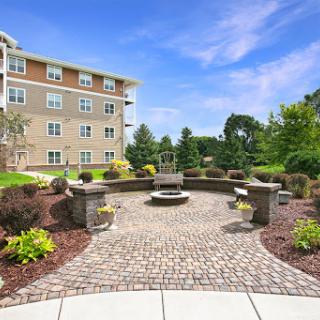
 Dementia, Paranoia, and Caregiver Guidance: Understanding the Connection
 Engaging Memory Care Activities That Enhance Quality of Life
 When to Transition from Assisted Living to Memory Care: Key Indicators, Steps, and Finding the Right Community