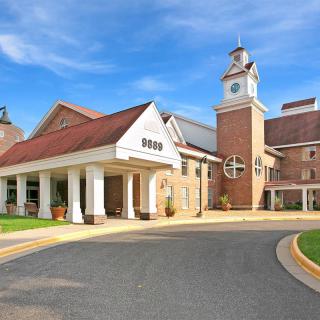
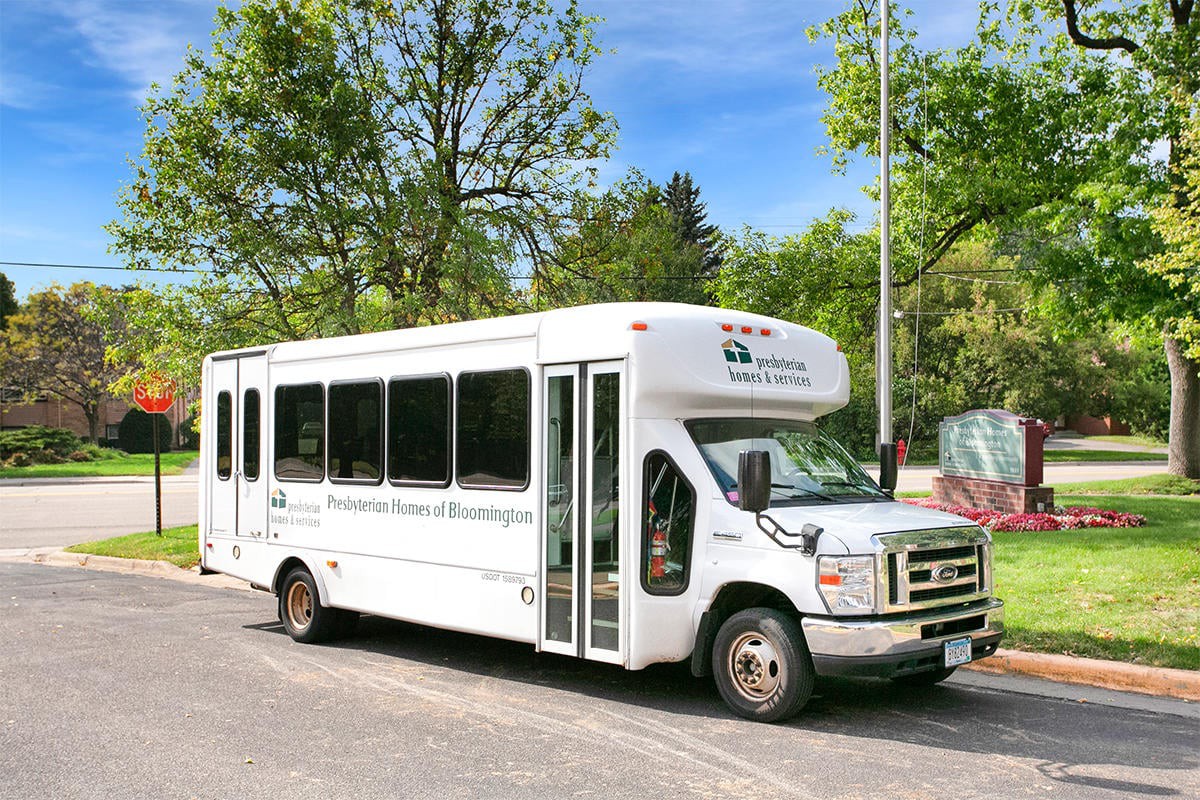
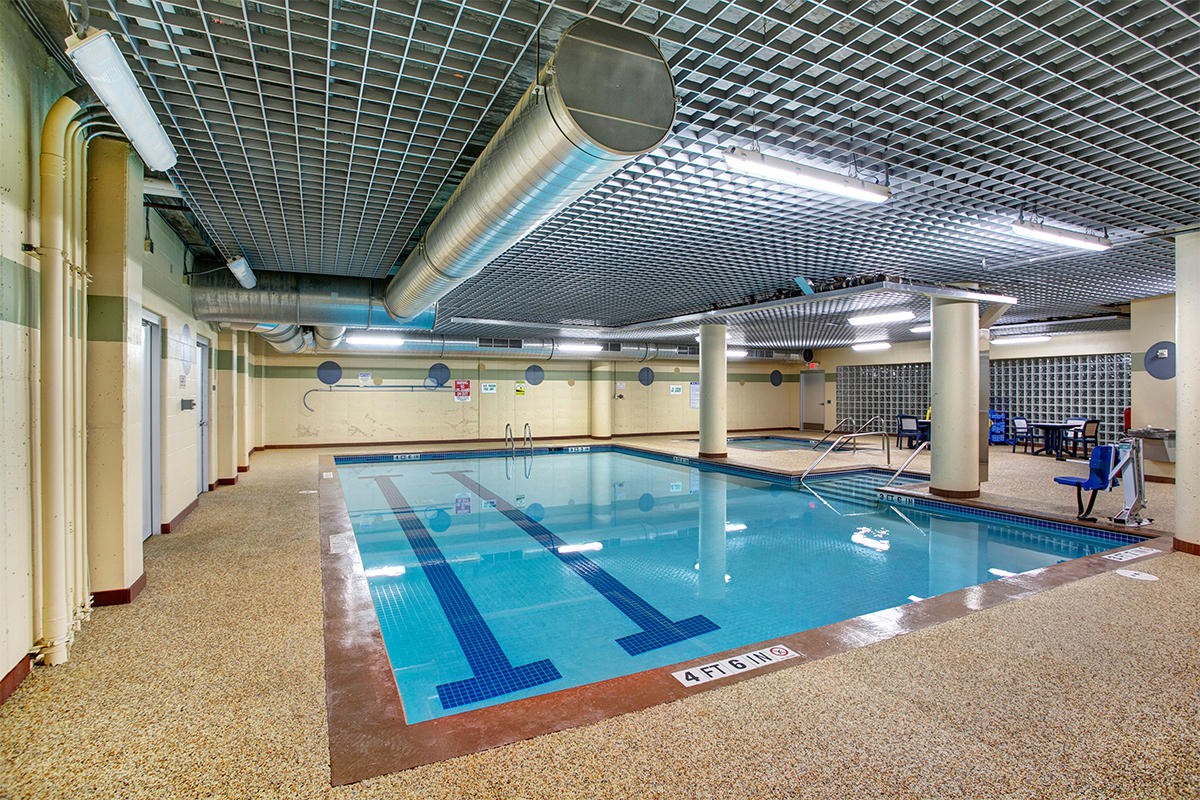
10030 Newton Ave S, Bloomington, MN 55431
To contact a resident: (952) 948-3000
For more information about senior living options: (866) 208-4318
Presbyterian Homes of Bloomington Costs & Pricing
Presbyterian Homes of Bloomington offers competitive pricing for its residential accommodations, particularly when compared to the broader market in Hennepin County and the state of Minnesota. For instance, a one-bedroom unit is priced at $950 per month, significantly lower than the county's average of $3,550 and the state's average of $2,893. Similarly, two-bedroom apartments at Presbyterian Homes are available for $1,400, again standing out against Hennepin County's average of $3,848 and Minnesota's $2,955 benchmark. However, studio units are priced at $2,400, which is higher than both the county's average ($3,713) and the state's ($3,617). Overall, this pricing structure highlights Presbyterian Homes as an attractive option for potential residents seeking cost-effective living arrangements without compromising on quality in a competitive market.
| Floor plans | Presbyterian Homes of Bloomington | Hennepin County | Minnesota |
|---|---|---|---|
| 1 Bedroom | $950 | $3,550 | $2,893 |
| 2 Bedrooms | $1,400 | $3,848 | $2,955 |
| Studio | $2,400 | $3,713 | $3,617 |
Assisted Living communities with a similar price nearby
-
from +$105 / mo

Norris Square
$1,055 to $4,430 / month16.6 miles away -
from +$150 / mo
Presbyterian Homes Of Inver Grove Heights
$1,100 to $2,900 / month12.9 miles away -
from -$50 / mo
Home Care More Care
$900 / month22.3 miles away -
from +$86 / mo
Flourish Senior Living
$1,036 to $2,391 / month12.1 miles away -
from -$140 / mo
Augustana Minneapolis
$810 to $1,958 / month10.3 miles away
Overall Review of Presbyterian Homes of Bloomington
Pros
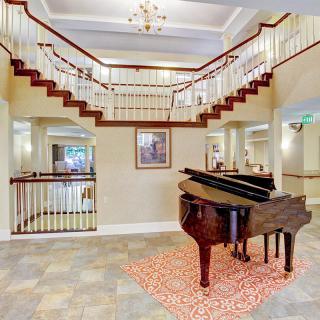
 The experience at Presbyterian Homes of Bloomington is described as great and the facility is nicely appointed.
- The apartments are airy, sunny, and spacious, with stainless steel appliances, dishwashers, and in-unit washers and dryers.
- The community offers a variety of amenities, including a craft room, a woodworking shop, bingo nights, movie nights, a cafe, and a general store.
- Family access to residents is easy, and the staff provides protective COVID precautions to keep residents safe.
- The facility offers multiple levels of care on one campus and a rich menu of life-enrichment activities and social events.
- Pathways TCU is described as beautiful, clean, and staffed by caring and competent professionals.
- Families feel welcomed and appreciated by the Pathways TCU staff, including attentive RN and social worker involvement.
- Presbyterian Homes is noted for friendly, professional, and respectful staff, and for an immaculate, well-kept environment.
- Tours of these communities consistently show friendly staff and high cleanliness, leaving visitors with very positive impressions.
Cons
 The facility was older and in need of updates.
- The décor felt outdated (1980s-style) and was dark, making it less appealing.
- The cafeteria had not reopened due to COVID, leaving dining options limited and meals often delivered to rooms.
- During COVID restrictions, visits were not allowed, which created real challenges for families.
- The reviewer was not impressed with the facility compared to other ones.
Review
Presbyterian Homes of Bloomington is best suited for seniors who want a complete on-site continuum of care, independent living through memory care, paired with a practical, amenity-rich campus. The apartments are airy and sunlit, with in-unit washers and dryers and stainless-steel appliances, and several units overlook a welcoming courtyard. On-site life centers around a broad social calendar: craft rooms, a woodworking shop, bingo and movie nights, a café, and a general store. This combination supports ongoing independence while offering ready access to care if it’s needed, all within a single, walkable community. Families will appreciate easy visitation and the ability to observe life across levels of care without disruptive transitions.
Those prioritizing ultra-modern interiors or a dining footprint that feels expansive should consider alternatives. The facility’s age is evident in the decor, described by some as dated and darker, with a sense of being from a previous era. Dining options can feel limited when a robust, bustling cafeteria isn’t available for regular use, and a few observers note that interiors and common areas don’t always convey the polish found in newer campuses. For families chasing a pristine, showroom-like aesthetic or a dining program that feels continuous and expansive on a day-to-day basis, other options will likely check more of those boxes. The footprint remains functional and comfortable, but it isn’t the bright, cutting-edge environment some competitors offer.
Yet the favorable realities notably counterbalance these considerations. The strongest positives center on practical, well-designed living spaces and a campus ecosystem that supports a full lifestyle. Apartments offer real conveniences: stainless appliances, dishwashers, in-unit laundry, and layouts that feel open rather than cramped. The campus expands life beyond one’s apartment with a diverse slate of activities and spaces, craft and hobby rooms, a café, a general store, a movie room, and social programming that includes bingo and movie nights. Crucially, the continuum of care exists on site, which makes planning for the future more predictable and less disruptive for families. On-site physical therapy, occupational therapy, speech therapy, and recreational therapies round out the care spectrum, reinforcing everyday function and wellness.
Care experiences are consistently highlighted as a major strength, particularly in memory care. Families report that memory care is well-run, with caring, competent staff and a track record of reliable attention to residents’ needs. Access to loved ones is straightforward, with staff cited as prompt in communications and responsive to concerns. The care layout, where independent living, assisted living, memory care, and skilled nursing are in proximity, facilitates smooth transitions without the upheaval of moving campuses. This integrated design supports meaningful life at every stage, from daily meals and activities to targeted therapies, and helps preserve autonomy while ensuring safety and supervision as needed.
Decision-makers should weigh a pragmatic, long-term picture. For families seeking continuity of care, predictable routines, and dependable on-site therapy options, Presbyterian Homes of Bloomington offers a compelling value proposition. The community shines in stability, engagement, and clear communication, which translates into real peace of mind for relatives and a dignified, active life for residents. Those who prize a newer look, a more expansive dining program, or a campus that feels brand-new from curb appeal to common areas may find alternatives more aligned with their preferences. Tour the living spaces, probe the dining arrangements and hours, and confirm the availability of the level of care anticipated in the coming years to ensure the match is right.
Ultimately, Presbyterian Homes of Bloomington is a solid, practical choice for seniors who want an integrated living environment with genuine social appeal and reliable care across the spectrum. It excels for families prioritizing accessibility, continuity, and a lively resident life. It is less ideal for those whose top criteria are a modern, showroom-grade interior and a dining experience that feels always on display. For most families, the decision is straightforward: if continuity of care, engaged staff, and a thriving community matter most, this campus delivers with substantial experience and dependable execution.
 1-bedroom apartments
 Condos / townhomes
 Detached homes
 Assisted Living
 Independent Living
 Memory Care
 Skilled Nursing Facility
 Cats allowed
 Dogs allowed
 Activities on-site
 Beautician on-site
 Cable or satellite TV
 Cafe
Cafe Devotional services off-site
 Dining room
 Financial aid
 Full kitchen
 Garden
 General store
 Hiking trails
 Housekeeping services
 Indoor common areas
 Laundry
 Overnight guests
 Resident parking
 Respite or short term stays offered
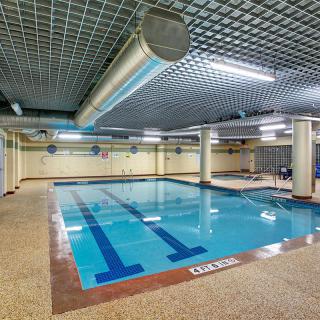
 Swimming pool
 Minneapolis-St Paul International (6 miles away)
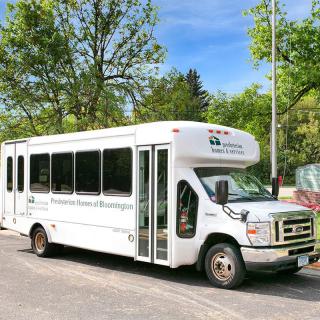
 Transportation & parking
 Ambulatory care
 Assistance with bathing
 Diabetic care
 Hospice care
 Meal preparation and service
 Medication management
 Physical therapy
 Arts and crafts
 Fitness programs
 Games
Games English

 Understanding Dementia Behaviors: Practical Insights and Strategies for Caregivers
 When Dementia Sparks Anger and Aggression: Understanding the Connection and Ways to Cope
 Dementia Behaviors: In-Depth Understanding and Effective Coping Strategies