
7150 W Point Douglas Road S, COTTAGE GROVE, MN 55016
To contact a resident: (651) 458-9401
For more information about senior living options: (866) 208-4318
Overall Review of Triple Angels Assisted Living
Pros
 The staff are very nice, helpful, and caring toward the residents.
- Triple Angels Healthcare is nothing short of amazing.
- The caregivers treat every resident with dignity, respect, and genuine kindness.
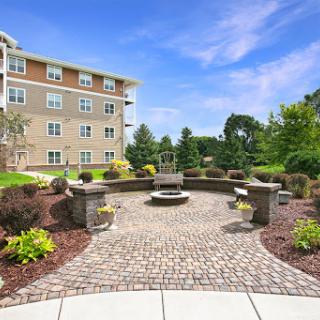
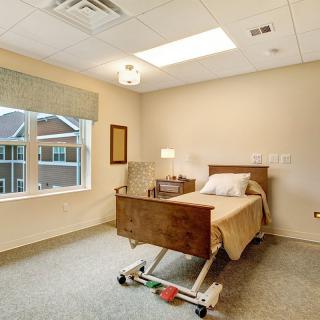
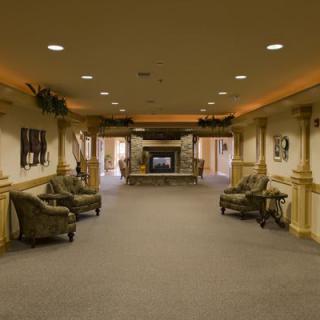
- The environment is clean, safe, and warm.
- The staff are attentive, responsive, and go the extra mile to make residents feel at home.
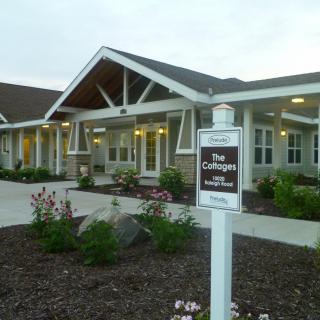
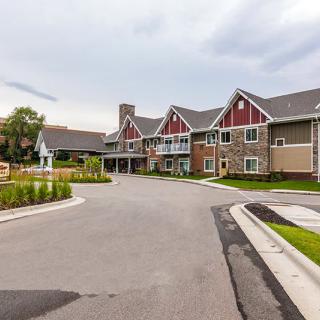
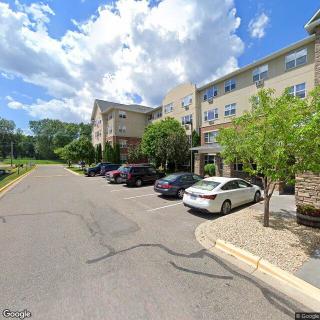
- The facility is well maintained, beautiful, and welcoming.
- The nurses and Personal Care Assistants are second to none.
- Triple Angels combines professionalism with heartfelt compassion and treats everyone like family.
Cons
 One reviewer states the facility is not legitimate and that the staff are abusive and neglectful, citing numerous violations.
- Another reviewer describes severe understaffing and calls the current staff rude, abusive, and unqualified, noting multiple violations and safety concerns.
- A commenter claims that the only five-star reviews come from friends and family of the owner, implying bias.
- A reviewer warns against sending any loved ones there, expressing deep disappointment and concern over negligence and abuse of vulnerable residents.
Review
Triple Angels Assisted Living in Cottage Grove is best suited for families seeking a warm, home-like, intimate setting where residents are treated with dignity and personal attention, and where staff foster independence within a secure, well-kept environment. The community consistently shines for seniors who value daily contact with caring caregivers and prefer a smaller footprint where staff can know routines, preferences, and needs. For memory care, the care team appears specialized and compassionate, with an emphasis on courtesy and a comfortable, “home away from home” atmosphere that reduces the clinical feel often found in larger facilities.
Yet there are reasons to consider alternatives. A vocal minority of reviewers raises red flags about safety, governance, and overall care quality, including accusations of abuse, understaffing, and regulatory violations. Those critiques are not merely incidental; they point to potential gaps in oversight and consistency that some families will deem unacceptable, especially when a resident has higher medical or behavioral needs. While the prevailing sentiment is overwhelmingly positive, these strong cautions must be weighed carefully against the favorable reviews.
The strongest, most consistent positives center on cleanliness, atmosphere, and staff demeanor. Multiple accounts describe a facility that is well maintained, clean, and free of the harsh smells sometimes associated with senior care environments. Families repeatedly highlight staff as attentive, respectful, and genuinely caring, caregivers who treat residents with dignity and respond promptly to questions. The environment feels secure and welcoming, with a sense that residents are valued and considered part of a caring community rather than a generic rooom-and-board setting. For residents who prize small-scale, family-style warmth, these advantages are significant and tangible.
The major caveat appears in the negative end of the spectrum. The strongest concerns focus on understaffing, alleged abusive behavior, and regulatory or compliance questions raised by critics. Specific allegations include inappropriate staffing levels, unlicensed workers, inadequate dietary considerations, and gaps in emergency or evacuation planning. Although such claims come from a minority of reviews, they confront the overall positive tone with a stark reminder that a resident’s safety and regulatory compliance are not guaranteed by atmosphere alone. The discrepancy between glowing day-to-day observations and these troubling reports cannot be dismissed.
How the positive attributes interact with the risks yields a practical, decision-focused view. For families prioritizing a home-like setting, consistent warmth, and a high standard of cleanliness, Triple Angels remains a compelling option, especially when a loved one thrives in a smaller, space-conserving environment and benefits from frequent, hands-on engagement with a stable caregiving team. However, the eyebrow-raising critiques demand due diligence: verify current licensing and inspection records, speak with the administrator about staffing models and turnover, request a transparent tour of care plans, and meet front-line staff to gauge training, especially for dementia care. Prospective residents should also seek candid references from current families and ask about recent incident history and how emergencies are handled.
In the end, Triple Angels is a strong match for families seeking a compassionate, intimate community where residents are treated like family, meals and daily routines feel personally attended to, and the building itself reflects pride in upkeep. For those whose nonnegotiables include rigorous regulatory compliance, consistent staffing, and fail-safe safety protocols, exploration of alternatives is prudent. The recommended next steps are concrete: arrange a structured tour, obtain recent state inspection summaries, review the care plans for the individual in question, request menus and activity schedules, and speak directly with a diverse cross-section of current residents’ families to triangulate the living reality against the impressive testimonials.
 Assisted Living
 Activities on-site
 Devotional services off-site
 Indoor common areas
 Minneapolis-St Paul International (13 miles away)
 Ambulatory care
 Diabetic care
 Meals provided

 Choosing the Right Senior Care: A Detailed Exploration of Assisted Living and Nursing Homes
 Understanding the True Cost of Assisted Living in 2025: A Comprehensive Guide
 Understanding Medicaid Coverage for Assisted Living: A Comprehensive Guide