8213 Emerald Lane West, Westland, MI 48185
To contact a resident: (734) 667-3229
For more information about senior living options: (866) 208-4318
Lilli's Adult Home Care Costs & Pricing
Lilli's Adult Home Care offers competitive pricing for its various room types when compared to both Wayne County and the broader state of Michigan. For instance, a semi-private room at Lilli's is priced at $2,700, which is more affordable than the county average of $2,860 and significantly lower than the state average of $3,191. Similarly, private rooms and studios are offered at $3,000 each - again undercutting local and statewide averages of $3,335 and $3,495 respectively. Even for one-bedroom accommodations priced also at $3,000, Lilli's remains below the county average of $3,210 and the state figure of $3,384. Overall, Lilli's Adult Home Care stands out as a cost-effective choice that does not compromise on quality or comfort for its residents.
| Floor plans | Lilli's Adult Home Care | Wayne County | Michigan |
|---|---|---|---|
| Semi-Private | $2,700 | $2,860 | $3,189 |
| Private | $3,000 | $3,335 | $3,674 |
| Studio | $3,000 | $3,495 | $3,824 |
| 1 Bedroom | $3,000 | $3,210 | $3,384 |
Memory care communities with a similar price nearby
-
from +$300 / mo
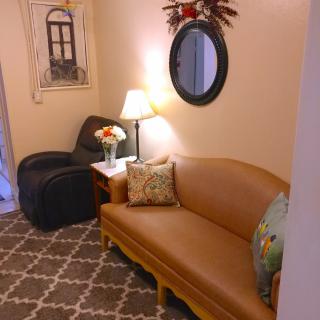
Hutcheson Manor
$3,000 to $4,500 / month8.4 miles away -
from +$500 / mo
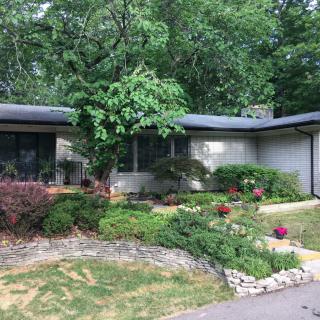
Vicky's Place
$3,200 to $6,000 / month12.6 miles away -
from +$300 / mo
Butternut Hill Senior Living
$3,000 to $4,000 / month19.4 miles away -
from +$300 / mo

Fostered Hearts
$3,000 / month20.1 miles away -
from -$425 / mo
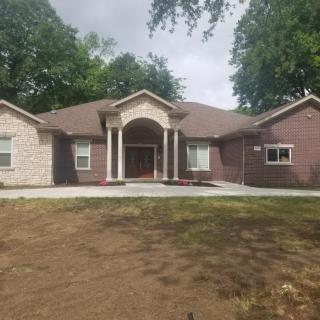
Pleasant Valley Family Care
$2,275 to $7,000 / month11.4 miles away
Overall Review of Lilli's Adult Home Care
Pros
 The home is an excellent adult family home with attentive caregivers who pay close attention to each resident's needs.
- Miriam, the owner, demonstrates exemplary transparency.
- Lilly's Haven AFH is an amazing facility that ensures loved ones are well cared for.
- The owner Miriam is welcoming and trustworthy.
- The team at Lilly's Haven Adult Family Home provides exceptional care.
- Families describe Lilli as part of their family.
- Families describe the home as a godsend for their loved ones.
Cons
 Only 3 beds - not a good fit for mom
- Only 3 beds - not a good fit for mom
Review
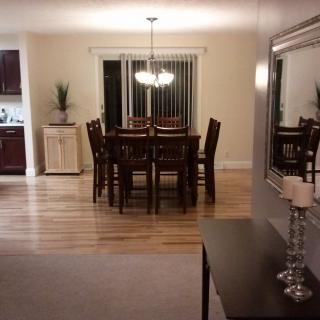
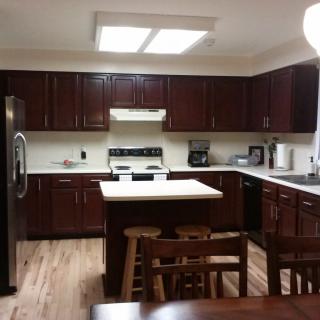
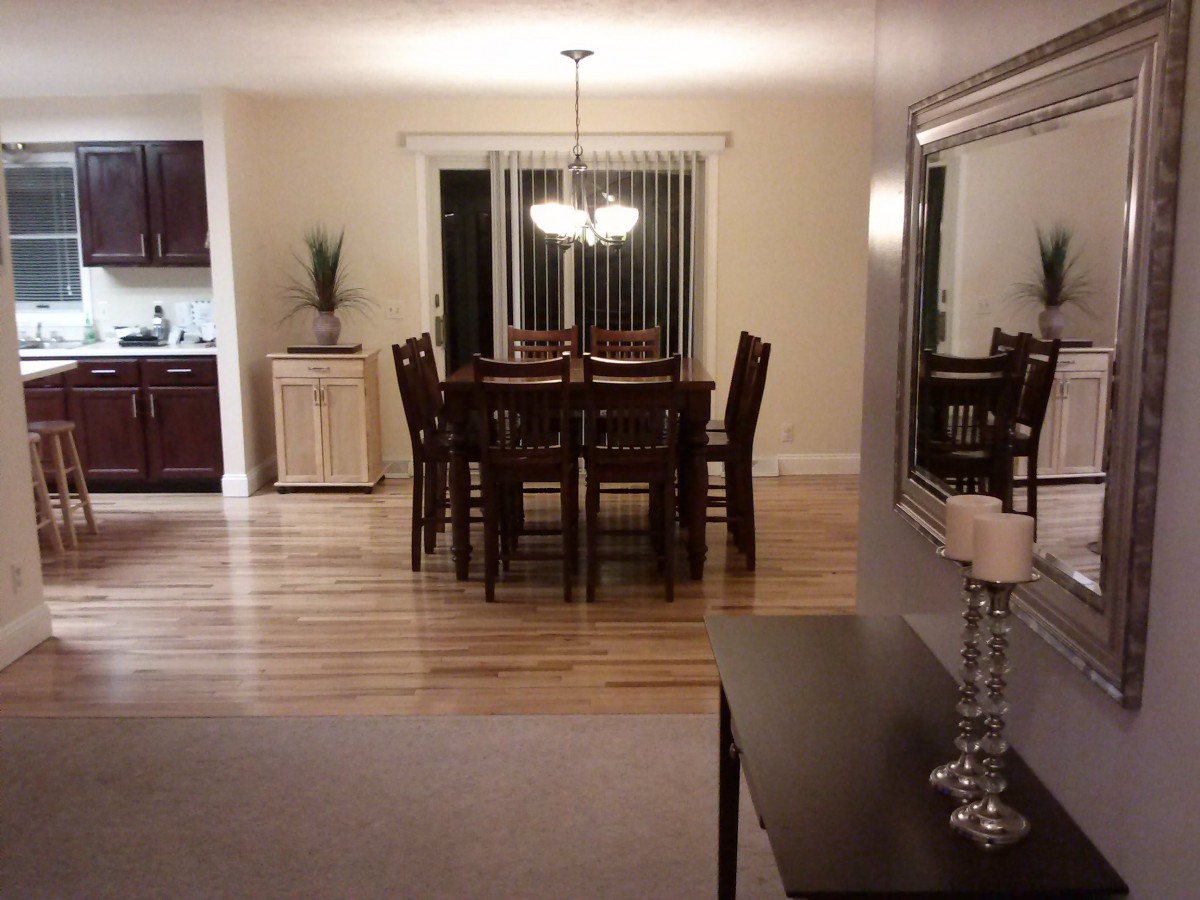
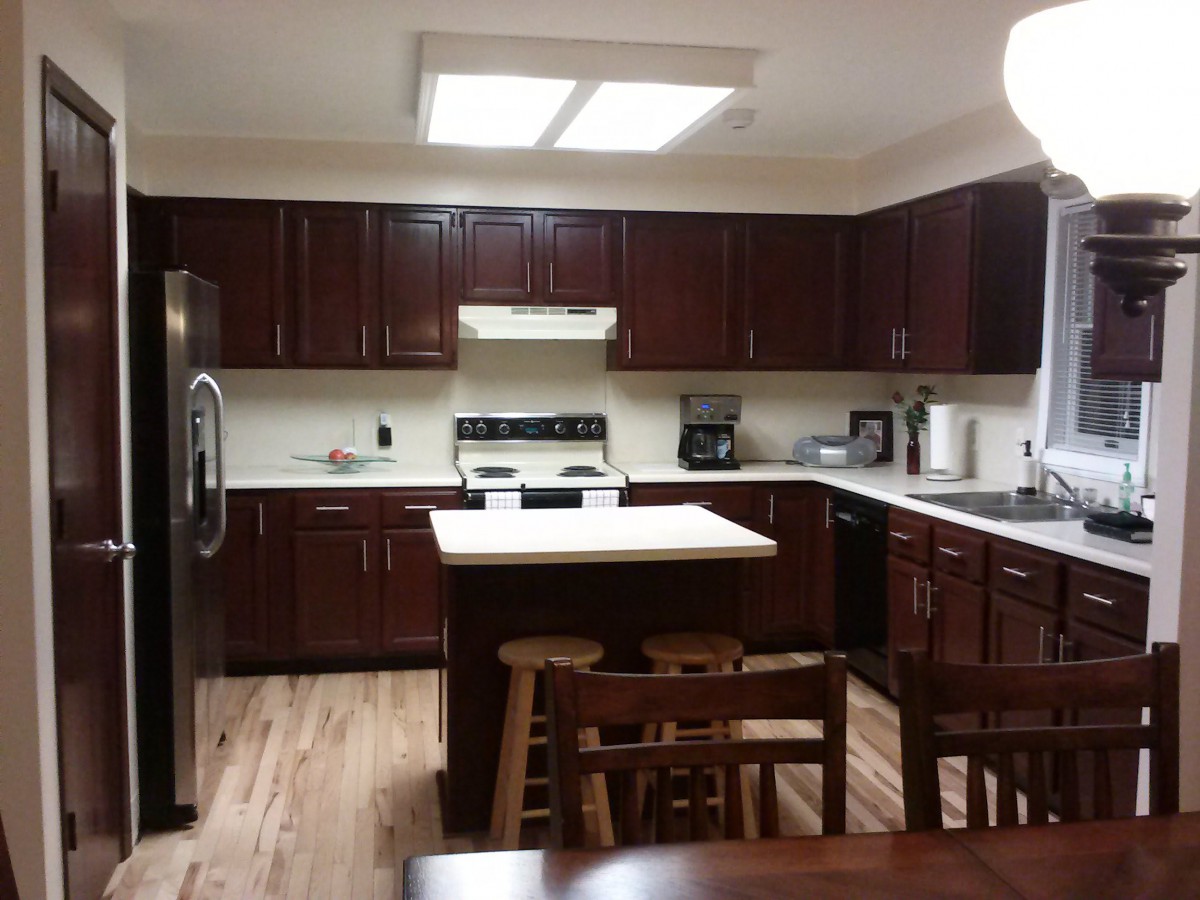
Lilli's Adult Home Care in Westland, MI is best suited for families seeking an intimate, home-like environment where a senior can receive highly individualized attention in a very small setting. With only three beds, this community prioritizes close, day-to-day oversight over large-group programming. It is an option for residents who thrive on familiar routines, direct access to the owner, and a consistently personalized approach, rather than those looking for a bustling campus with extensive amenities.
The strongest argument in favor of this home is the caregiving culture. Reviews consistently praise caregivers who pay close attention to each resident’s needs, complemented by an owner who is described as transparent, welcoming, and trustworthy. That combination, hands-on staff and an accessible, open leadership style, translates into a level of trust and predictability families rarely find in larger facilities. Families repeatedly note that the care feels “exceptional” and that the home becomes a true extension of the family, underscoring the extraordinary peace of mind this model delivers.
These positives offset several practical drawbacks. The tight-knit team and owner involvement mean concerns are heard and addressed promptly, and families report a sense of relief when a loved one settles in. The home atmosphere reduces the alienation that can accompany larger communities, making daily life feel manageable and reassuring for both residents and anxious relatives. In short, the pros, personalized attention, high caregiver engagement, and transparent leadership, translate into tangible safety, comfort, and emotional security that can overshadow the limits of a very small footprint.
Yet the caveats are real and should guide the decision. The most salient con is capacity: with just three beds, the program cannot accommodate many families, couples who want to stay together, or residents who require more rapid expansion should care needs escalate. This is not a facility for those seeking a mid- to high-volume environment, nor for families needing a readily available alternative bed on short notice. For some, the limited size becomes a non-starter, irrespective of how compelling the care model may be.
For families weighing options, the decision rests on alignment of priorities. If warmth, a family-centered vibe, and transparent, attentive caregiving are non-negotiables, Lilli's offers a rare combination that can deliver profound relief and high-quality day-to-day life for a resident who fits the small-home profile. Conversely, if a larger community, broader social opportunities, or more extensive medical supports are essential, alternatives, particularly facilities with greater bed capacity or specialized memory or skilled-nursing services, should be pursued. This is about matching the setting to the resident’s temperament and care trajectory.
The practical next steps are straightforward. Schedule a visit to observe how the caregivers interact with residents and how the owner communicates with families. Ask about daily routines, care planning processes, and what happens if needs intensify; verify if there is flexibility around admission timing and whether there’s often a waitlist. If the small-house ethos resonates and a bed is or becomes available for the right fit, Lilli's can deliver an unusually reassuring, home-forward care experience. If not, use the clarity gained here to compare with nearby options that offer broader capacity while preserving similarly high standards of trust and attentiveness.
 Board and Care Home
 Memory Care
 Activities on-site
 Indoor common areas
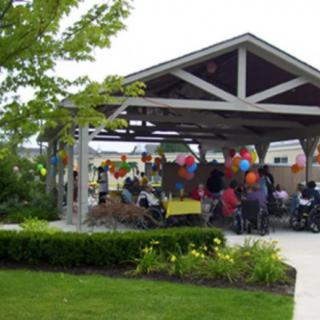
 Outdoor common areas
 Private
 Detroit Metropolitan-Wayne County (10 miles away)
 Ambulatory care
 Diabetic care
 Incontinence care
 Medication management
 Meals provided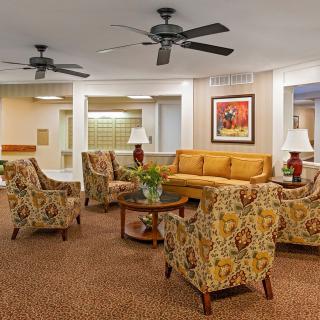





 Comprehending Evening Confusion in Dementia: Causes, Manifestations, and Support
 Delirium and Dementia: Unraveling the Key Differences
 Are Dementia and Alzheimer's Disease Lethal? A Comprehensive Exploration